Testing the wheel speed sensor in your Jeep is important for safe driving and reliable vehicle performance. This sensor helps your Jeep’s anti-lock braking system (ABS), traction control, and stability control work correctly. If you notice warning lights on your dashboard or problems with braking, it’s possible that your wheel speed sensor is faulty. This article will show you how to test your Jeep wheel speed sensor step-by-step, explain what matters during testing, and help you avoid common mistakes.
What Is A Jeep Wheel Speed Sensor?
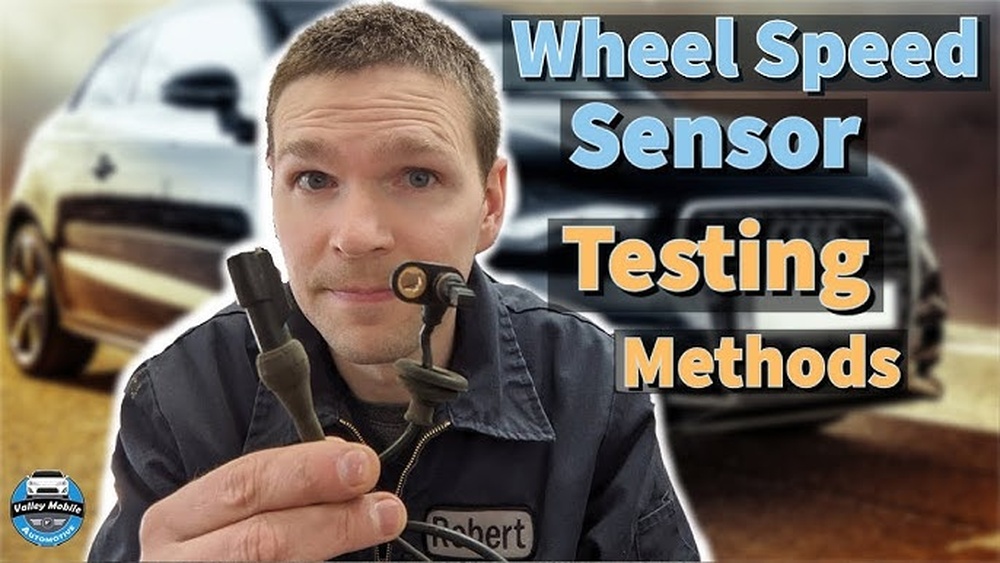
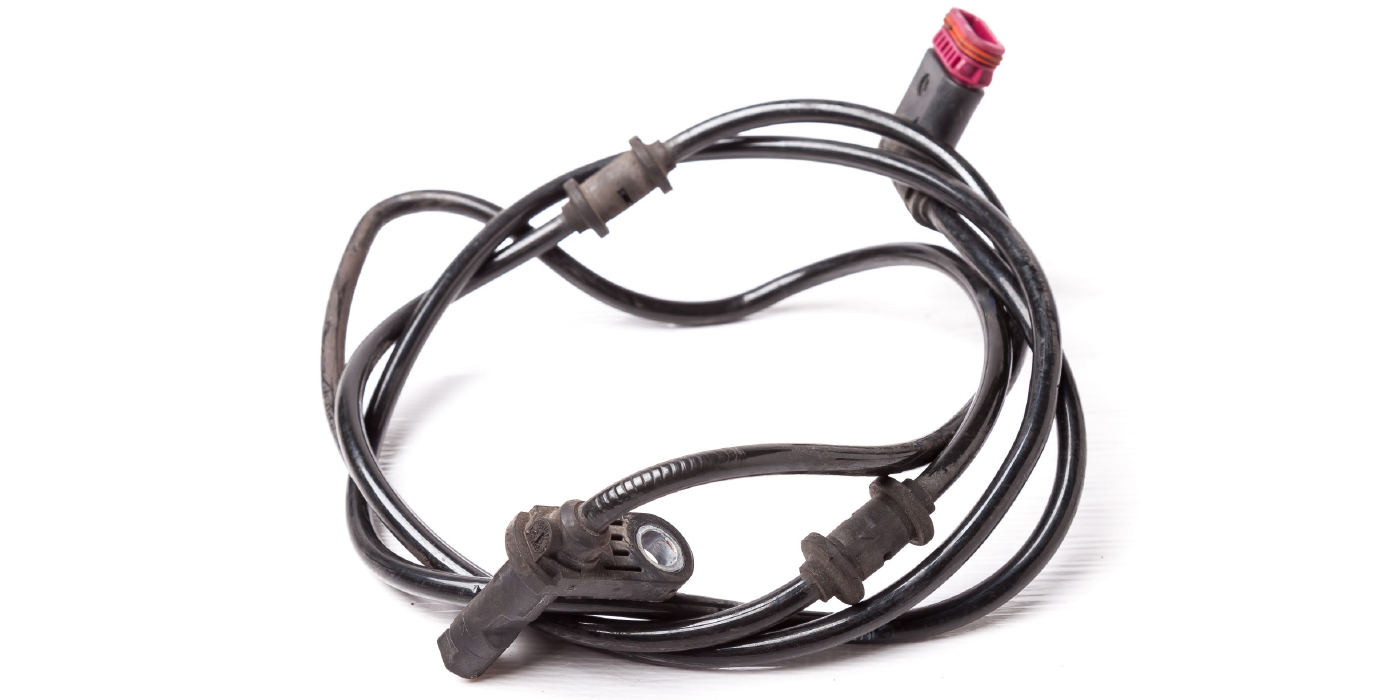
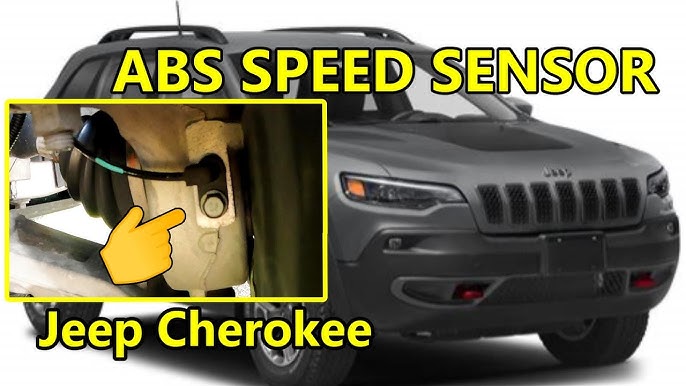
The wheel speed sensor is a small electronic device located near each wheel. It monitors how fast each wheel turns and sends this information to your Jeep’s computer. The ABS and other systems use this data to adjust braking and keep your Jeep stable, especially in slippery conditions.
Most modern Jeeps use ABS wheel speed sensors. These are usually magnetic sensors that read signals from a toothed ring (called a tone ring) attached to each wheel. If a sensor fails, you may see the ABS warning light or traction control light on your dashboard.
Signs Of A Faulty Wheel Speed Sensor
You don’t need to be a mechanic to spot the warning signs. Some symptoms include:
- ABS or traction control warning lights
- Pulsing brakes when stopping
- Loss of anti-lock braking function
- Unusual noises from the wheels
- Inconsistent speedometer readings
Ignoring these symptoms can lead to unsafe driving conditions. Fixing or testing the sensor early can save you money and prevent bigger problems.
Tools Needed For Testing
Before you start, gather these tools:
- Digital multimeter (with ohms and voltage settings)
- Socket set (for removing wheels or sensor bolts)
- Jack and jack stands (to safely lift your Jeep)
- Wheel chocks (for added safety)
- Protective gloves
- Flashlight (optional, for better visibility)
Having the right tools makes testing faster and safer. Avoid using an analog multimeter, as digital models are more accurate for this job.
Step-by-step Guide: How To Test Jeep Wheel Speed Sensor
Testing your wheel speed sensor is straightforward. Here’s how to do it safely and correctly.
1. Safety First
- Park your Jeep on a flat surface.
- Set the parking brake.
- Use wheel chocks to prevent movement.
- Wear gloves and eye protection.
2. Locate The Sensor
- Remove the wheel if needed (front or rear, depending on which sensor you want to test).
- Find the sensor near the wheel hub, attached with a bolt or clip.
- Follow the wire back to the connector.
3. Inspect For Physical Damage
Before testing, look for:
- Broken wires
- Corroded connectors
- Dirt or debris on the sensor
Cleaning the sensor and connector with a dry cloth can improve accuracy.
4. Disconnect The Sensor
- Unplug the sensor from its connector.
- Be careful not to damage the pins.
5. Test Sensor Resistance (ohms)
- Set your multimeter to ohms (Ω) mode.
- Touch one probe to each sensor terminal.
- Compare the reading to Jeep’s specifications (usually between 1,000–2,500 ohms).
Here’s a quick reference table for common Jeep models:
| Jeep Model | Sensor Resistance Range (Ω) | Year Range |
|---|---|---|
| Wrangler | 1,000–2,500 | 2007–2022 |
| Grand Cherokee | 1,200–2,200 | 2011–2022 |
| Compass | 1,000–2,000 | 2017–2022 |
If the reading is out of range or shows “OL” (open loop), the sensor is likely bad.
6. Test Sensor Output (ac Voltage)
- Set your multimeter to AC voltage.
- Plug the sensor back in or test at the connector.
- Spin the wheel by hand.
- The sensor should produce a small voltage (0.5–2 volts AC).
If you see no voltage, the sensor or tone ring may be faulty.
7. Check The Tone Ring
- Inspect the tone ring for missing teeth or cracks.
- A damaged tone ring can cause false readings even if the sensor is good.
8. Compare Readings Between Wheels
To confirm your results, test sensors from other wheels and compare readings. If one sensor is significantly different, it’s likely faulty.
Here’s a comparison of typical readings:
| Wheel Location | Resistance (Ω) | AC Voltage (V) |
|---|---|---|
| Front Left | 1,500 | 1.2 |
| Front Right | 1,520 | 1.3 |
| Rear Left | 1,490 | 1.1 |
| Rear Right | 550 (faulty) | 0.1 (faulty) |
Sensors with much lower resistance or voltage should be replaced.
What Matters When Testing Jeep Wheel Speed Sensors
Testing isn’t just about reading numbers. Here are key factors to pay attention to:
- Sensor type: Most Jeeps use magnetic sensors, but some older models use Hall-effect sensors. Make sure your multimeter can test both types.
- Connector quality: Even a good sensor can fail if connectors are dirty or corroded. Clean and inspect before testing.
- Ambient temperature: Extreme cold or heat can affect resistance readings. Test in normal conditions for the best accuracy.
- Tone ring alignment: The sensor must be close to the tone ring. If it’s too far, the signal will be weak.
Many beginners miss the importance of comparing all four wheel sensors. Even if only one warning light is on, test every sensor to rule out hidden issues.
Common Mistakes When Testing Jeep Wheel Speed Sensors
Avoid these pitfalls for accurate results:
- Testing with the battery connected: Always disconnect the sensor from the Jeep’s wiring before resistance testing. Otherwise, you may damage your multimeter or get false readings.
- Ignoring the tone ring: Don’t just focus on the sensor. A cracked or dirty tone ring can cause sensor errors.
- Mixing sensor types: Some Jeeps have different sensors on front and rear wheels. Check your Jeep’s manual to avoid confusion.
- Using a low-quality multimeter: Cheap multimeters may show incorrect readings. Use a reliable, calibrated tool.
Another common oversight is not checking for water or mud inside the sensor housing. Moisture can cause short circuits or corrosion, leading to sensor failure.
What To Do If Your Sensor Is Faulty
If your Jeep’s wheel speed sensor fails the tests, you need to replace it. Here’s what you should do:
- Buy a replacement sensor that matches your Jeep’s model and year. Don’t use generic parts, as they might not fit or work properly.
- Install the new sensor by reversing the removal steps.
- Clear error codes using an OBD-II scanner after replacement. This resets the warning lights.
- Retest the sensor to confirm the fix.
A common beginner mistake is forgetting to clear the codes. Even after installing a new sensor, the warning light may stay on until you reset the system.
Practical Tips For Accurate Testing
Testing Jeep wheel speed sensors is simple, but a few tips can make your work easier:
- Clean the sensor and connector before testing for best accuracy.
- Test each sensor twice to confirm results.
- Record your readings for future reference.
- If you’re unsure, consult your Jeep’s service manual or ask a mechanic.
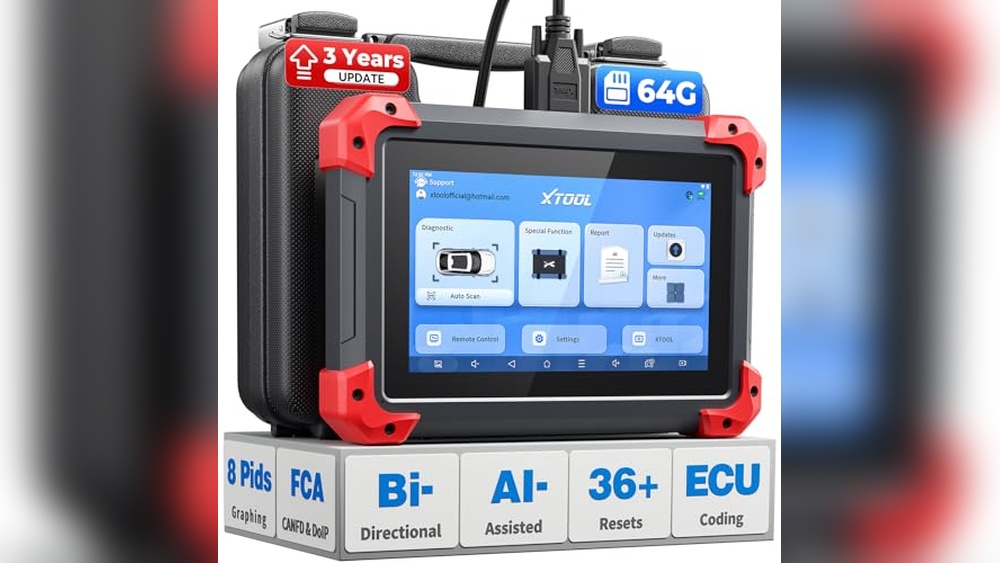
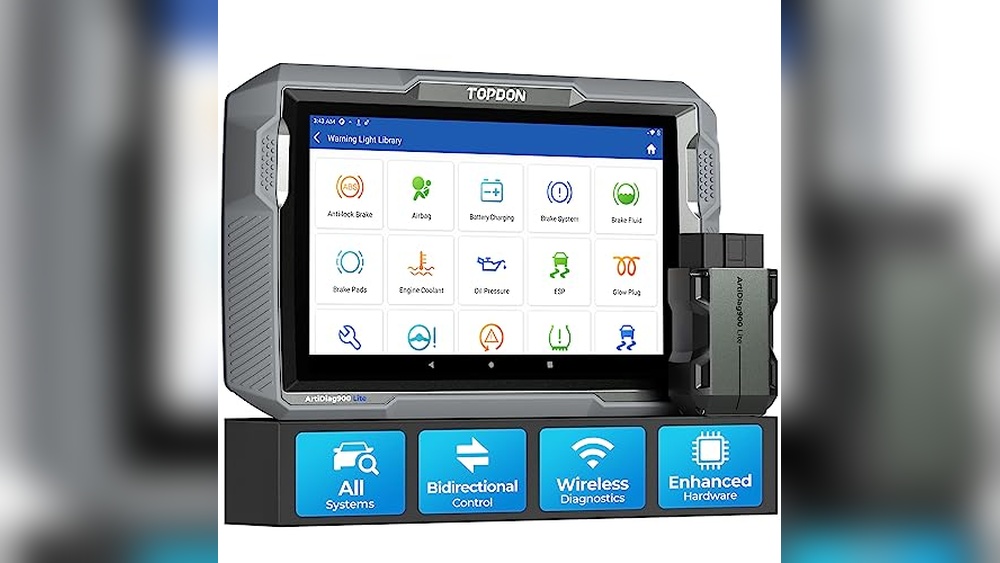
For advanced troubleshooting, some Jeep owners use scan tools that read live sensor data. These tools can help pinpoint intermittent problems, but a multimeter is usually enough for basic testing.

Data Table: Jeep Sensor Replacement Costs
If you find your sensor faulty and need to replace it, here’s a quick cost comparison:
| Jeep Model | Average Sensor Cost (USD) | Labor Cost (USD) |
|---|---|---|
| Wrangler | $35–$60 | $70–$120 |
| Grand Cherokee | $40–$75 | $80–$130 |
| Compass | $30–$55 | $65–$110 |
Replacing wheel speed sensors is usually less expensive than fixing other ABS parts.
When To Get Professional Help
Most Jeep owners can test their wheel speed sensors at home. However, if you’re not comfortable with the process or your results are confusing, it’s best to seek a qualified mechanic.
Issues like wiring faults or ABS module failures require more advanced tools and expertise.
A professional mechanic can use scan tools to check live data, making it easier to find hidden problems. If you want more technical details, you can visit Wikipedia for deeper explanations about ABS technology.
What Does A Jeep Wheel Speed Sensor Do?
The wheel speed sensor measures how fast each wheel turns and sends this data to the ABS, traction control, and stability systems. If a sensor fails, these safety systems may not work correctly.
Can I Drive With A Bad Wheel Speed Sensor?
You can drive, but it’s not safe. ABS and traction control may stop working, increasing the risk of skidding or losing control, especially in wet or icy conditions.
How Often Should I Test My Jeep Wheel Speed Sensors?
Test sensors when you see warning lights, feel brake problems, or after driving through mud and water. Routine testing is not needed unless you notice symptoms.
What If My Sensor Readings Are Inconsistent?
Inconsistent readings can mean a damaged sensor, bad wiring, or a dirty tone ring. Clean the sensor, check the wiring, and retest. If the problem remains, replace the sensor.
Is Replacing A Jeep Wheel Speed Sensor Difficult?
For most models, replacing the sensor is easy and takes about 30 45 minutes with basic tools. Always check your Jeep’s manual for specific instructions.
Testing your Jeep’s wheel speed sensor helps ensure safe, smooth driving. With the right tools, careful steps, and attention to detail, you can diagnose problems and fix them before they lead to bigger issues.
Whether you do it yourself or ask a professional, regular sensor checks keep your Jeep’s safety systems working at their best.