When your 2012 Jeep Wrangler’s ABS or traction control light turns on, it can be worrying. Often, the problem is the rear wheel speed sensor. This small sensor plays a big role in safety. It tells your Jeep’s computer how fast each wheel turns. If the sensor fails, the ABS system stops working correctly. This means your brakes might lock up, or the Jeep can skid in slippery conditions. Checking the rear wheel speed sensor is not too hard, but you need to follow the right steps. Many drivers miss small details and end up replacing parts they don’t need. Let’s walk through how to check the rear wheel speed sensor on a 2012 Jeep Wrangler, so you can save money and fix your Jeep confidently.
What Is A Rear Wheel Speed Sensor?
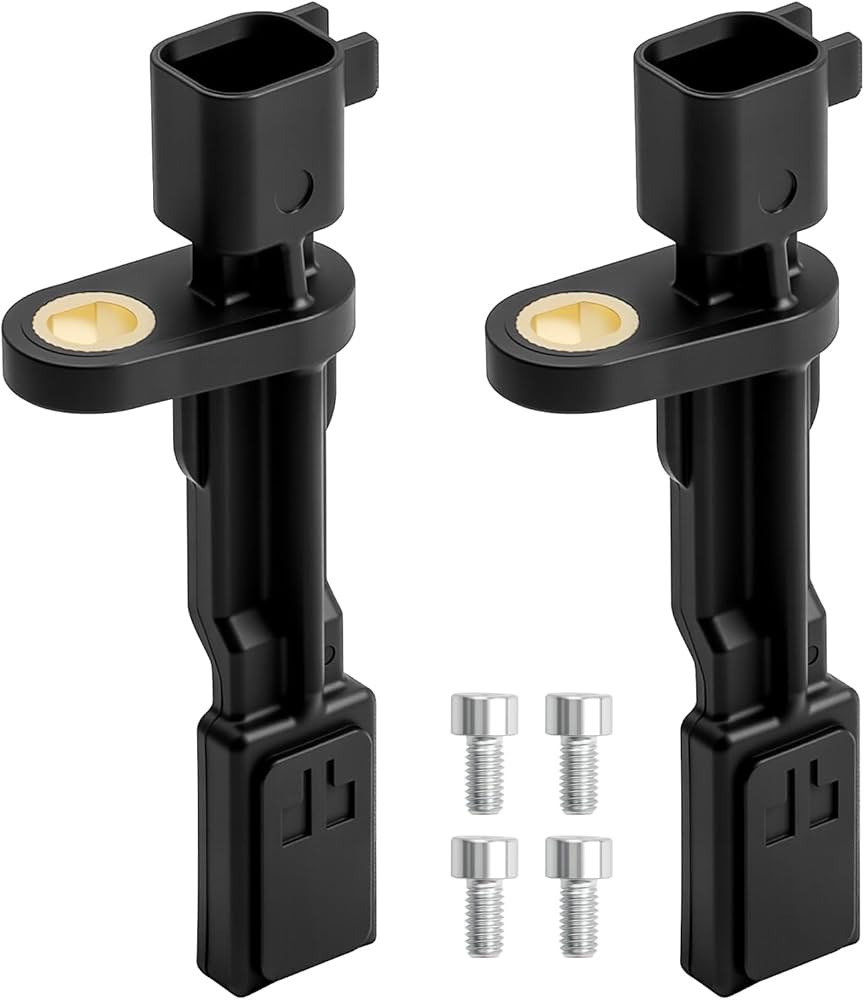
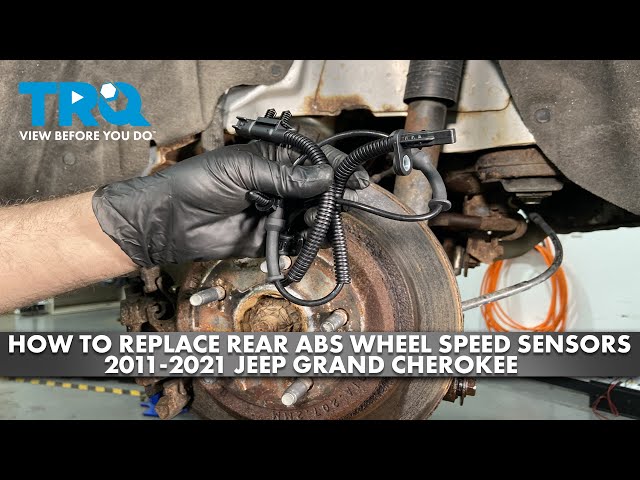
The rear wheel speed sensor is a small device near the brake rotor or hub. It measures the wheel’s rotation speed and sends this information to the ABS computer. The computer uses this data to prevent wheel lock-up and keep your Jeep stable.
This sensor is usually magnetic. It reads a toothed ring (also called a tone ring or reluctor ring) that spins with the wheel.
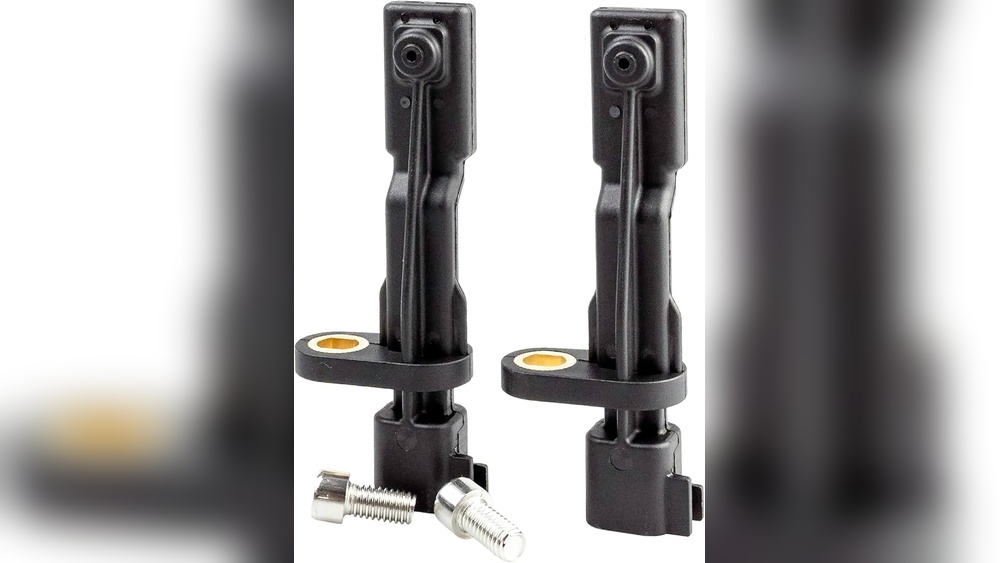
If dirt or damage blocks the sensor, it cannot send a signal. Sometimes, the sensor’s wiring fails, and you get warning lights on your dashboard.
Signs Your Rear Wheel Speed Sensor Is Bad
It is important to recognize when the sensor is not working. Here are some signs to look for:
- ABS warning light: This light comes on if the sensor fails.
- Traction control light: The system cannot work without sensor data.
- Brakes feel strange: You may notice pulsing, locking, or poor stopping.
- Speedometer issues: Sometimes, the speedometer stops working.
- Unusual noises: Grinding or clicking from the wheel area.
Not all symptoms mean the sensor is bad. Sometimes, dirt or rust causes a false signal. Always check before replacing the sensor.
Tools You Need
Before you start, gather these tools:
- Jack and jack stands: To lift the Jeep safely.
- Wheel chocks: Prevent the Jeep from rolling.
- Socket set: For removing bolts.
- Screwdrivers: To pry off clips.
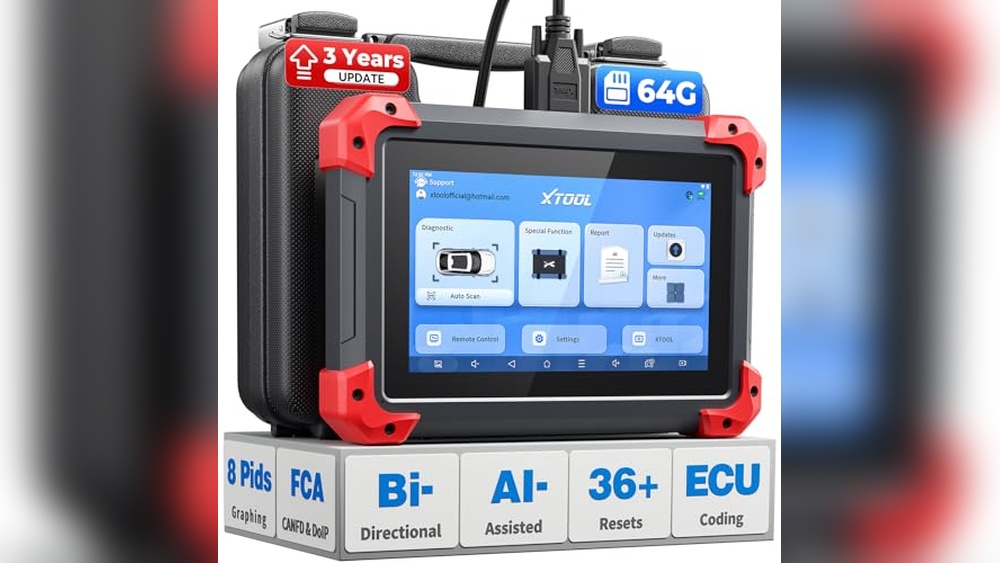
- Multimeter: To test electrical signals.
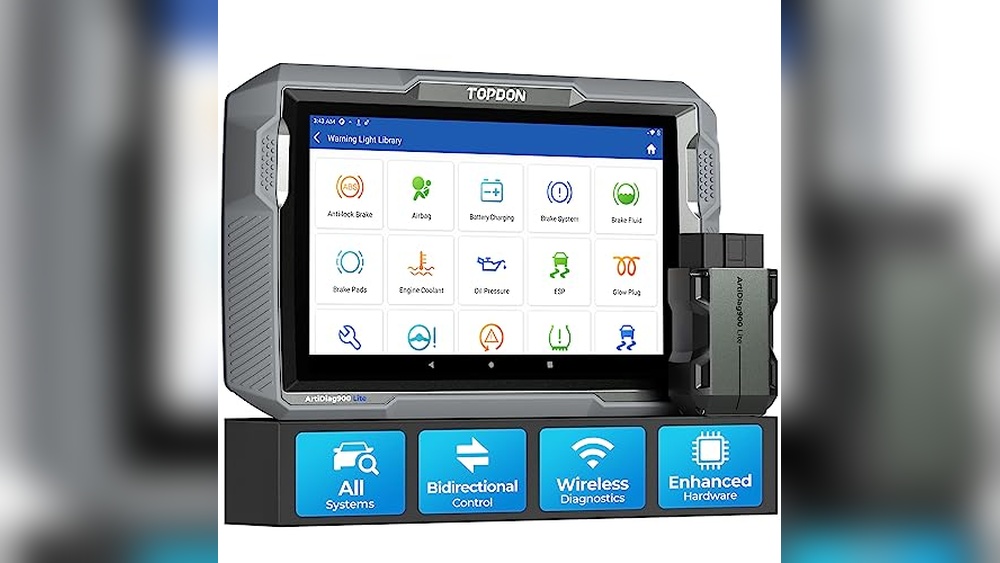
- OBD-II scanner: For reading trouble codes.
- Brake cleaner: To clean the sensor area.
- Shop rags: For wiping dirt.
Using the right tools avoids damaging the sensor or wiring.
Step-by-step Guide To Checking The Rear Wheel Speed Sensor
Here’s how to check your rear wheel speed sensor for problems.
1. Safety First
- Park your Jeep on a flat surface.
- Set the parking brake.
- Place wheel chocks around the front wheels.
- Use a jack to lift the rear of the Jeep.
- Secure with jack stands.
2. Remove The Rear Wheel
- Loosen the lug nuts slightly.
- Jack up the Jeep.
- Remove the lug nuts and take off the rear wheel.
This exposes the brake area and sensor.
3. Locate The Sensor
The sensor sits near the brake rotor, attached to the axle or backing plate. Follow the wire from the sensor to its connector.
4. Inspect The Sensor And Wiring
Look for:
- Broken wires
- Loose connectors
- Corrosion
- Dirt or debris
Clean the area with brake cleaner and a rag. Many times, dirt causes sensor failure.
If the sensor looks damaged, it may need replacement.
5. Disconnect The Sensor
Unplug the sensor from its wiring harness. Be gentle to avoid breaking the connector.
6. Test The Sensor With A Multimeter
Set your multimeter to measure resistance (Ohms).
- Touch one probe to each sensor terminal.
- The typical reading should be between 1,000 and 2,500 Ohms for most sensors.
- If the reading is 0 (open circuit) or infinite (short circuit), the sensor is bad.
- Compare your reading to Jeep’s service manual for exact specs.
Example Multimeter Readings
| Condition | Resistance (Ohms) | Action |
|---|---|---|
| Normal | 1,200 | Sensor OK |
| Open Circuit | 0 | Replace Sensor |
| Short Circuit | Infinite | Replace Sensor |
7. Inspect The Tone Ring
Look through the rotor area to see the tone ring. It should not have missing teeth or heavy rust. Use a flashlight for better visibility.
Tone Ring Problem Examples
| Issue | Effect |
|---|---|
| Missing teeth | Sensor cannot read speed |
| Rust buildup | Weak or false sensor signal |
| Loose ring | ABS warning light |
If you see any of these problems, the tone ring needs repair or cleaning.
8. Check For Trouble Codes
Plug in your OBD-II scanner under the dashboard. Read the codes. Common codes for wheel speed sensor issues include:
- C1020: Right rear wheel speed sensor circuit
- C1030: Left rear wheel speed sensor circuit
Look up your code online or in the Jeep manual for details.
9. Test The Sensor Signal While Spinning The Wheel
If your multimeter can measure AC voltage, try this:
- Set the multimeter to AC volts.
- Connect probes to sensor terminals.
- Spin the wheel by hand.
- The sensor should send a small AC voltage (usually 0.5–1.5 volts).
If no voltage is detected, the sensor or tone ring is faulty.
10. Reassemble And Road Test
- Reconnect the sensor.
- Put the wheel back on.
- Tighten the lug nuts.
- Lower the Jeep.
Drive a short distance. If the warning lights stay off, your sensor is working.
Practical Tips For Accurate Testing
Some details are easy to miss. Here are tips to avoid mistakes:
- Always test both rear sensors, even if only one code appears.
- Clean the sensor area before testing. Dirt can block the signal.
- Use a multimeter with good leads. Bad probes can cause wrong readings.
- If you replace the sensor, check the tone ring and connector for damage.
- After repairs, clear codes with the OBD-II scanner.
Many beginners forget to check the tone ring, but it causes sensor errors too. Don’t assume the sensor is bad without checking wiring and connectors.
Comparing Oem And Aftermarket Sensors
You may wonder if you should buy OEM (original) or aftermarket sensors. Here’s a quick comparison:
| Type | Price | Warranty | Reliability |
|---|---|---|---|
| OEM | $40–$90 | 1 year | High |
| Aftermarket | $20–$50 | 6 months | Medium–High |
OEM sensors fit perfectly and last longer. Aftermarket sensors are cheaper but may not match the original quality.
If you plan to keep your Jeep for years, OEM is safer.
Common Mistakes To Avoid
Some errors can waste time or money:
- Skipping cleaning: Dirt causes sensor problems. Clean before testing.
- Not checking wiring: Broken or corroded wires can mimic sensor failure.
- Ignoring tone ring: A damaged ring creates false errors.
- Wrong multimeter setting: Always use the correct setting for resistance or voltage.
- Replacing the sensor too soon: Test everything first. Sometimes the problem is wiring or the connector.
Experienced mechanics always check the connector for moisture or corrosion. Beginners often miss this, leading to repeat problems.
How Rear Wheel Speed Sensor Impacts Abs And Safety
The ABS system depends on accurate wheel speed data. If the sensor fails, you lose anti-lock braking. This means:
- Brakes can lock up in emergency stops.
- Jeep may skid on wet or icy roads.
- Traction control cannot help you if the wheels slip.
Statistics show that vehicles with working ABS reduce accident risk by up to 35% in slippery conditions. Keeping your sensors working is important for safety.
When To Replace The Sensor
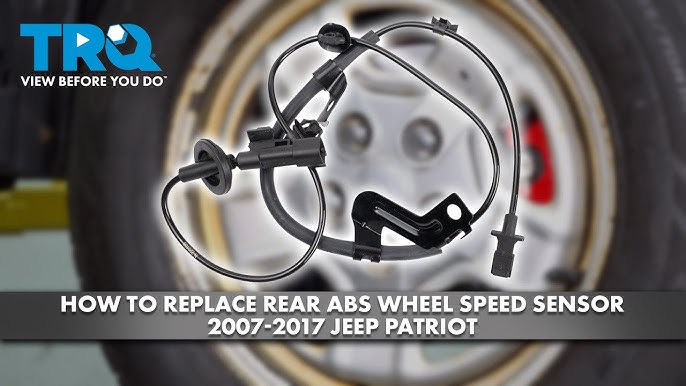
If your tests show the sensor is dead (open or short circuit), or if the tone ring is damaged, replace the sensor. Most sensors cost $20–$90 and are easy to install. You do not need advanced tools. Always clear the trouble codes after replacing the sensor.
What Does The Rear Wheel Speed Sensor Do?
The rear wheel speed sensor measures the speed of the rear wheels. It sends this information to the ABS and traction control systems. This helps prevent skidding and keeps your Jeep stable.
Can I Drive With A Bad Rear Wheel Speed Sensor?
You can drive, but it is not safe. The ABS and traction control will not work.
Braking can be dangerous, especially on wet or icy roads.
How Much Does It Cost To Replace The Sensor?
Most sensors cost $20–$90. Labor can add $50–$100 at a shop. If you do it yourself, you only pay for the sensor.
Do I Need Special Tools To Check The Sensor?
You need a multimeter, jack, jack stands, and an OBD-II scanner. These are common tools for car repair. You do not need advanced equipment.
Where Can I Find The Official Specifications For The Sensor?
You can check the Jeep service manual, or visit RockAuto for sensor specs and part numbers.
Taking care of your rear wheel speed sensor is simple but important. With the right tools and careful steps, you can find and fix problems yourself. This keeps your Jeep safe and saves money. Always test the sensor before replacing it, and check the wiring and tone ring. If you’re unsure, ask a mechanic or look up your Jeep’s manual. Small details matter—don’t overlook them!