The Stop Start System is now a common feature in many modern cars, including the Jeep Cherokee. This technology promises better fuel efficiency and lower emissions, but many drivers have questions and concerns about how it works, its real-life benefits, and what to do when issues arise. If you drive a Jeep Cherokee, or plan to buy one, understanding the Stop Start System can help you drive smarter and avoid common problems.
What Is The Stop Start System In The Jeep Cherokee?
The Stop Start System is designed to save fuel and reduce pollution. When your Jeep Cherokee stops at a red light or in heavy traffic, the system automatically turns off the engine. When you take your foot off the brake, the engine quickly starts again. You don’t need to do anything extra—everything happens automatically.
This system is especially useful in cities, where you often stop and start. By turning off the engine during short stops, the car uses less gas and releases fewer harmful gases into the air.
According to Jeep, this feature can improve fuel economy by up to 5-10% in city driving.
Over a year, that can mean real savings.
How The Stop Start System Works
The Stop Start System uses a mix of sensors, a strong battery, and computer controls. Here’s a simple breakdown of the process:
- Stopping: When you come to a full stop and keep your foot on the brake, the system checks that conditions are right (for example, the engine is warm, the battery has enough charge, and the outside temperature isn’t too cold or hot).
- Engine Off: If everything is okay, the system shuts off the engine. Key car systems, like air conditioning and radio, still work because they run on the battery.
- Restarting: When you lift your foot from the brake pedal, the system quickly restarts the engine so you can drive off without delay.
Jeep uses a special starter motor and a stronger battery to make these quick restarts smooth and reliable. The system is smart enough to know when NOT to activate, such as during very hot or cold weather, or if the battery is low.
Benefits Of The Stop Start System
Fuel Savings
One of the main reasons for this system is better fuel economy. By shutting off the engine when the vehicle is not moving, less fuel is wasted. For many drivers, this means saving several gallons of gas per month, especially in city traffic.
Lower Emissions
The system helps reduce carbon dioxide (CO₂) emissions. Each time the engine is off, your car is not polluting. If more cars use this system, the combined effect on air quality can be significant. In fact, the US Department of Energy notes that stop-start technology can reduce emissions by up to 8% in city driving.
Quieter Driving
When the engine turns off, your Jeep Cherokee becomes much quieter. This can make long waits at lights or in traffic jams feel a bit more peaceful.
Less Engine Idling
Reducing engine idling also means less wear and tear on the engine. While some people worry about extra starts, modern engines and batteries are built to handle the extra cycles.
Common Concerns And Misconceptions
Despite the benefits, some drivers feel nervous about the Stop Start System. Here are a few common worries and the truth behind them.
Worry: “it Will Wear Out My Starter And Battery Faster”
Modern stop-start systems use special heavy-duty starters and AGM (Absorbent Glass Mat) batteries. These are stronger than standard car parts and are designed to last through thousands of extra starts. In most cases, these parts last as long as other main car components.
Worry: “it’s Dangerous If The Engine Doesn’t Restart”
The system is made to be very reliable. Built-in sensors check battery health, engine temperature, and more before shutting off.
If conditions are not right, the system will keep the engine running. In rare cases where a problem is detected, the system turns itself off and shows a warning on the dashboard.
Worry: “it Will Turn Off At The Wrong Time”
The system only works under safe conditions. For example, if you stop on a steep hill, have the air conditioning on full, or if the car is not fully warmed up, the system will not activate.
Non-obvious Insight: Battery Health Matters
A key point many drivers miss is that the Stop Start System relies on a healthy, fully charged battery. If your battery is old or weak, the system may stop working, or work less often. Regular battery checks are important.
Non-obvious Insight: System Can Be Turned Off
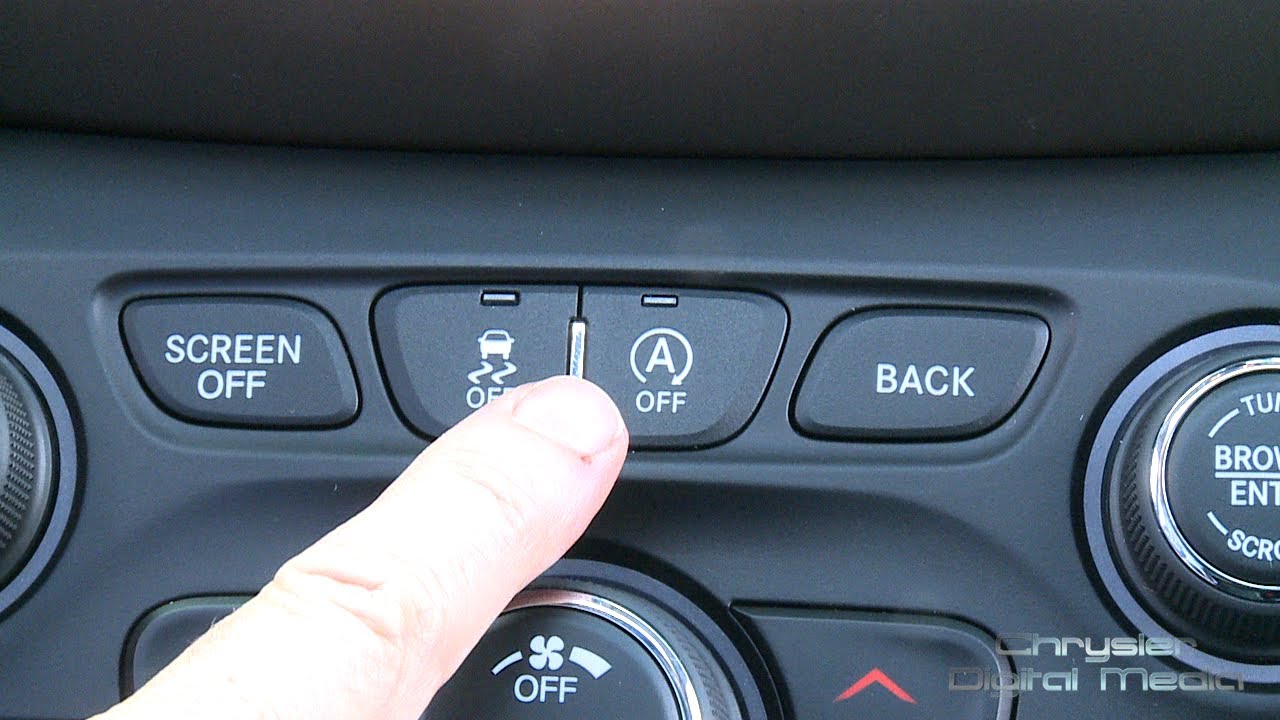
Most Jeep Cherokee models have a button to disable the Stop Start System. Some drivers prefer to turn it off in certain situations, like during stop-and-go traffic, or if they just feel more comfortable without it.
How To Use The Stop Start System In Your Jeep Cherokee
Using the system is easy, but getting the best results takes a little know-how.
Normal Operation
- When you stop at a light with your foot on the brake, the system works automatically.
- If you want to move again, just lift your foot from the brake pedal as usual.
Turning The System Off
If you don’t want to use the system, look for the Stop Start OFF button on your dashboard (often marked with an “A” and an arrow). Pressing this button will turn off the system until you restart the car.
Tips For Best Performance
- Maintain your battery: Replace it every 3-5 years or sooner if you notice issues.
- Use the right oil: Jeep recommends using oil that meets their specifications. The wrong oil can affect how the system works.
- Don’t worry about short stops: The system is quick and safe. Trust it to restart the engine in less than a second.
When The System Will Not Work
There are times when the Stop Start System will not turn off the engine, such as:
- The engine is still warming up.
- The battery charge is low.
- The air conditioning or heat is set to maximum.
- The hood is open.
- You are on a steep incline.
Knowing these can help you understand why the system sometimes stays off.
Troubleshooting: When Things Go Wrong
Sometimes, Cherokee owners notice that the Stop Start System doesn’t seem to work right. Here are some of the most common issues and what to do:
The System Is Not Activating
- Battery issue: Most of the time, the problem is a weak or old battery. Even if your car starts normally, the Stop Start System needs extra power.
- Sensors: If a sensor is dirty or broken, the system may turn off. A mechanic can check this with a diagnostic tool.
- Software update needed: Sometimes, Jeep releases software updates that fix bugs in the system. Ask your dealer if any updates are available.
Warning Light Is On
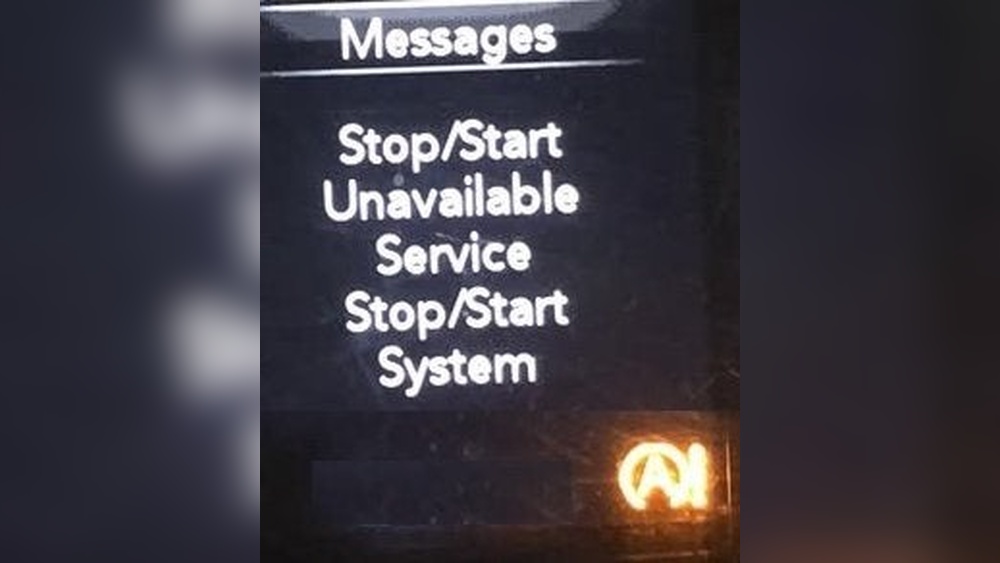
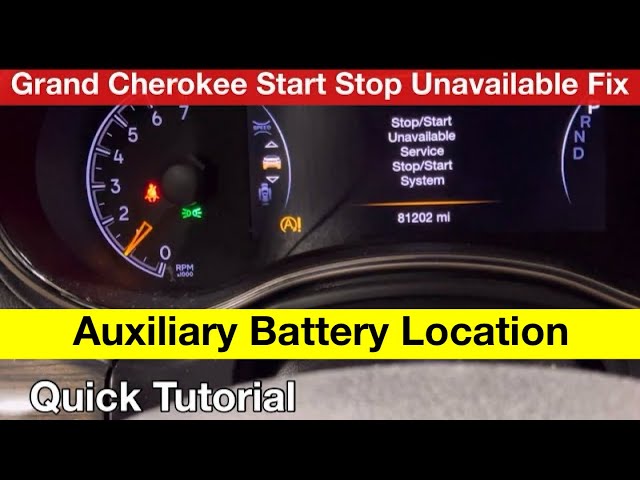
If you see a warning light or message (“Stop Start Unavailable” or “Service Stop Start System”), it’s a sign that something needs attention. Most often, it’s the battery or a sensor, but sometimes it can be a more serious issue.
Engine Does Not Restart Quickly
If the engine is slow to restart, check your battery first. If the battery is new and strong, a mechanic should check the starter motor and related parts.
Quick Table: Possible Causes And Fixes
| Problem | Possible Cause | Recommended Fix |
|---|---|---|
| System never activates | Weak battery | Replace battery |
| Warning light on | Faulty sensor | Diagnostic check |
| Slow engine restart | Starter issue | Inspect starter motor |
| System disabled in cold | Low temperature | Normal operation |
Maintenance And Longevity
To keep your Stop Start System working well, regular maintenance is important.
Battery Care
- Use only the battery type recommended by Jeep (usually AGM).
- Check the battery regularly, especially before winter.
- If your car is hard to start, or the Stop Start System stops working, get the battery tested.
Oil And Filters
- Use the right oil grade. The wrong oil can affect how the system works.
- Keep up with oil and filter changes, as recommended in your owner’s manual.
Professional Checks
If you notice frequent problems with the system, ask your mechanic to check for software updates or sensor issues. Dealers often have tools and updates that regular shops may not.
Jeep Cherokee Stop Start System Vs. Other Brands
How does the Jeep Cherokee’s system compare to similar SUVs? While most brands now offer stop-start technology, there are some differences.
| Model | Stop Start Standard? | Fuel Savings (%) | System Disable Option |
|---|---|---|---|
| Jeep Cherokee | Yes | 5-10% | Yes |
| Ford Escape | Yes | 6-10% | Yes |
| Honda CR-V | Yes | 6-8% | Yes |
| Toyota RAV4 | No (as of 2023) | N/A | N/A |
As you can see, the Jeep Cherokee is in line with other leading SUVs when it comes to stop-start technology. The ability to turn off the system is also a popular feature across most brands.
Real-world Owner Experiences
Many Jeep Cherokee drivers report that the Stop Start System works smoothly and becomes almost unnoticeable after a few weeks of driving. Some mention small annoyances, like the brief pause as the engine restarts, but most agree the savings are real.
A few owners say that in very hot or cold weather, the system does not activate as often, which is by design to protect the engine and battery. Another helpful tip from owners: Always close the hood fully, as an open hood will keep the system turned off.
Environmental Impact And Future Trends
The Stop Start System is part of a bigger move toward greener vehicles. Even small changes, like turning off the engine during stops, can have a big effect when millions of cars use the feature. Over time, this helps reduce air pollution and saves fuel on a large scale.
Jeep and other carmakers are now combining stop-start with even more advanced systems, like mild hybrid engines, to save even more fuel. Expect to see more smart features in future cars as automakers work to meet tougher environmental standards.
Table: Key Features Of The Jeep Cherokee Stop Start System
| Feature | Description |
|---|---|
| Automatic Activation | Works without driver input during normal stops |
| Manual Override | Button to turn system off/on as needed |
| Battery Monitoring | System checks battery health before activating |
| Climate Control Integration | System may stay off if air conditioning is needed |
| Safety Sensors | Prevents engine stop in unsafe conditions |
Final Thoughts
The Stop Start System in the Jeep Cherokee is a smart way to save fuel, reduce emissions, and help the environment. For most drivers, the system works quietly in the background, needing little attention. If you keep your battery healthy and follow regular maintenance, you can enjoy the benefits without worry. And if you ever want to turn it off, Jeep gives you that choice. As cars become more high-tech, learning how these systems work will help you drive smarter, save money, and do your part for cleaner air. For more on stop-start systems and how they work, you can check out this detailed explanation from the Wikipedia.
This message usually means the system has detected a problem, often with the battery or a sensor. It can also appear in extreme temperatures.
Most of the time, it’s not serious, but it’s a good idea to have your battery and system checked soon.
Can I Drive My Jeep Cherokee If The Stop Start System Is Not Working?
Yes, your Cherokee will drive normally even if the Stop Start System is off or not working. The feature is for fuel savings and lower emissions, not for safety or basic driving.
Does The Stop Start System Hurt My Engine Or Starter?
No. The system uses a heavy-duty starter and battery made for frequent starts.
There is little evidence that it causes extra wear compared to regular driving.
How Do I Turn Off The Stop Start System Permanently?
You can turn it off for each drive by pressing the Stop Start OFF button. Some third-party devices claim to disable it permanently, but this may void your warranty.
Always check with your dealer before making changes.
Why Does The Stop Start System Not Work In Cold Weather?
The system avoids shutting off the engine in very cold temperatures to protect the battery and keep the cabin warm. This is normal and part of the system’s smart controls.