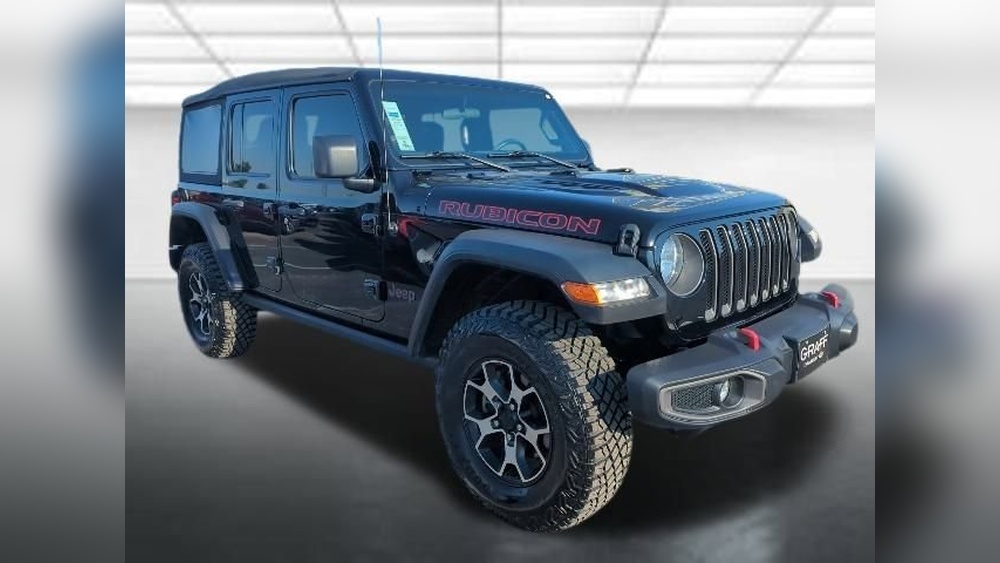
Jeep Wranglers are famous for their rugged look and go-anywhere attitude. But if you’re looking to improve performance, fuel efficiency, or even off-road ability, the curb weight—the total weight of your Jeep with all fluids and a full tank—matters more than you think. Reducing curb weight can give your Wrangler a quicker feel, help it handle better, and even reduce wear on brakes and suspension. But where do you start? Not every part is safe or smart to remove. Let’s break down the best ways to lighten your Jeep Wrangler, what to avoid, and which changes deliver real results.
Why Curb Weight Matters For Jeep Wranglers
Every pound you carry affects your Wrangler’s performance, especially off-road. A lighter Jeep can accelerate faster, brake better, and climb trails with less effort.
Lower weight also puts less stress on the engine, suspension, and tires. For example, a 200-pound reduction can improve fuel economy by up to 2% and reduce stopping distance by several feet.
On difficult trails, less weight means you’re less likely to sink in sand or mud and can drive over obstacles with more control.
What Adds Unnecessary Weight To Your Jeep
Many Jeep owners add aftermarket accessories like steel bumpers, winches, roof racks, and larger tires. While these can be useful, they also pile on the pounds quickly. For example:
- Steel front bumper: 60–90 lbs (vs 20–30 lbs for stock plastic)
- Steel rear bumper: 60–80 lbs
- Winch: 60–100 lbs
- Roof rack: 50–100 lbs
- Oversized tires: Up to 20 lbs extra per tire
Other common weight sources include sound systems, extra seats, and camping gear. Over time, you might carry around hundreds of pounds you don’t need every day.
Smart Ways To Lighten Curb Weight
Let’s look at practical steps you can take. Some are easy and cheap; others cost more but give bigger results.
1. Remove Unneeded Interior Parts
Start with the basics. Take out rear seats if you don’t use them. A 4-door Wrangler’s rear bench weighs about 60 lbs. Floor mats, cargo covers, and even the soft top (if you mostly run a hardtop) can free up more weight.
2. Swap Heavy Bumpers For Lighter Versions
Steel bumpers look tough but are heavy. Consider aluminum bumpers or return to the factory plastic bumpers if you don’t need extreme protection.
Example:
A typical steel bumper and winch combo can add 150 200 lbs to the front of your Jeep. Switching to aluminum can save 40 60 lbs per bumper.
3. Change Out Wheels And Tires
Heavier wheels and tires not only add curb weight, but also rotational mass, making acceleration and braking harder. Alloy wheels are lighter than steel, and smaller tires (within reason) can drop 10–20 lbs per corner.
Pro tip:
Consider the total weight of your wheel and tire combo, not just the tire. Many “off-road” wheels are heavier than stock.
4. Use Lightweight Body Panels
Fiberglass or aluminum hoods and fenders weigh much less than steel. Aftermarket options exist for most Wranglers and can save 10–30 lbs per panel.
5. Ditch The Hardtop (when Possible)
A Jeep hardtop can weigh 140 150 lbs, while a soft top is usually 40 50 lbs. If you only need one, choose the lighter option.
6. Remove Unused Accessories
Take off your roof rack, light bar, spare tire carrier, or side steps if you don’t use them daily. These can add 20–80 lbs each.
7. Upgrade To Lightweight Batteries
A typical lead-acid battery weighs 40–50 lbs. A lithium battery can do the same job at 10–15 lbs, saving 30+ lbs up front.
8. Choose Lighter Skid Plates
Steel skid plates are strong but heavy. Aluminum skid plates are lighter and still provide good protection for most uses.
9. Downsize The Spare Tire
A 35-inch mud tire with a steel wheel can weigh 90 lbs. Switching to a smaller, lighter spare (or a “delete kit” if you’re willing to risk it) can drop significant weight from the rear.
10. Remove Unnecessary Tools And Gear
Empty your trunk and cargo area. Tools, jacks, and recovery gear are important for long trips but may not be needed for daily driving.
Comparing Weight Savings: What Works Best?
Below is a comparison of common weight-reduction methods and their average impact:
| Component | Stock Weight (lbs) | Lighter Option (lbs) | Weight Saved (lbs) |
|---|---|---|---|
| Front Bumper (Steel) | 80 | 40 (Aluminum) | 40 |
| Rear Seat | 60 | 0 (Removed) | 60 |
| Hardtop | 140 | 45 (Soft Top) | 95 |
| Lead-Acid Battery | 45 | 15 (Lithium) | 30 |
| Steel Wheels | 28 (each) | 20 (Alloy) | 32 (Set of 4) |
As shown, removing the rear seat and hardtop, or switching to lighter bumpers and batteries, are some of the most effective ways to reduce weight.
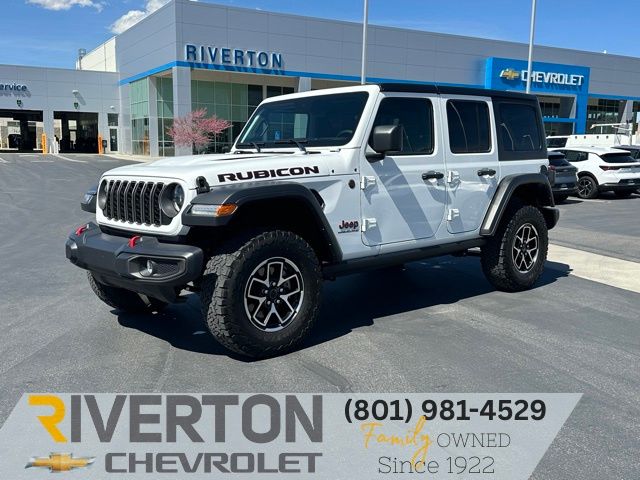
What Not To Remove
While reducing weight helps, there are safety-critical parts you should never remove:
- Airbags
- Seatbelts
- Brakes
- Structural supports
Removing these parts can make your Jeep unsafe and may violate laws. Also, consider the weather and your local laws before removing doors, roofs, or mirrors.
Real-world Results: What To Expect
How much difference does weight reduction make? Owners who remove 200–300 lbs often report:
- 1–2 mpg increase in fuel economy
- Quicker acceleration (especially with stock engines)
- Easier trail driving, less sinking in sand or mud
- Noticeably better handling and braking
However, don’t expect miracles. The biggest gains come from removing the heaviest, highest-mounted parts (like the hardtop or rear seat).
Lightweight wheels and tires help most with ride and feel, not just the scale.

Step-by-step: How To Start Lightening Your Wrangler
Getting started is easier than it seems. Here’s a simple approach:
- Take Inventory: List all extra parts, tools, or gear in and on your Jeep.
- Remove Easy Items: Start with cargo, rear seats, and accessories you don’t use.
- Weigh Components: Use a bathroom scale to weigh parts as you remove them.
- Upgrade Smartly: Swap out bumpers, wheels, or batteries for lighter alternatives as your budget allows.
- Check Balance: After each change, drive your Jeep to see how it feels. Don’t remove too much from one end, or handling may suffer.
Cost Vs. Benefit: Is It Worth It?
Reducing curb weight does cost money, especially when buying aluminum bumpers, lightweight wheels, or lithium batteries. But not every change is expensive. Removing seats, unused gear, and swapping to a soft top often costs nothing.
Consider your goals. If you want a better daily driver, focus on easy removals.
For off-roaders, invest in lighter wheels and body panels. For street performance, every pound counts so look for the biggest, highest parts to replace.
Here’s a quick comparison of cost and effect:
| Modification | Estimated Cost ($) | Weight Saved (lbs) | Best For |
|---|---|---|---|
| Remove Rear Seat | Free | 60 | Daily Driving |
| Switch to Soft Top | 300–1200 | 95 | Weekend Use |
| Aluminum Bumpers | 500–1500 | 40–100 | Trail & Off-Road |
| Lithium Battery | 400–900 | 30 | Performance |
Common Mistakes To Avoid
Many Jeep owners make mistakes when trying to cut weight. Here’s what to watch out for:
- Removing safety parts: Never take out airbags, seatbelts, or critical wiring.
- Unbalancing the Jeep: Removing only from the front or back can hurt handling.
- Ignoring the spare tire: Oversized spares add more weight than you think.
- Over-spending: Some lightweight parts are much more expensive than the small amount of weight they save.
Two Insights Most Beginners Miss
First, rotational weight matters more than static weight. Lighter wheels and tires improve both acceleration and braking, beyond just the numbers on a scale. Second, weight up high (like on the roof or upper body panels) makes your Jeep feel top-heavy. Removing weight from higher up improves handling and safety much more than removing the same amount lower down.
Legal And Warranty Considerations
Before making changes, check your local laws. Some states require bumpers, fender flares, or mirrors for street use. Removing seats or safety gear can also affect insurance and warranty claims. Always save your stock parts—you may need to reinstall them for inspections or resale.
When To Stop: The Practical Limit
Going too far with weight reduction can make your Jeep uncomfortable or even unsafe. If you use your Wrangler for daily driving, keep essentials like the spare tire, recovery kit, and basic protection.
For trail use, balance protection with lightness too little armor can lead to expensive repairs.
Where To Learn More
For in-depth guides and Wrangler community discussions, the JL Wrangler Forum has a wealth of information on modifications, weight, and real-world owner results.
What Is The Average Curb Weight Of A Jeep Wrangler?
Most four-door Jeep Wranglers weigh between 4,200 and 4,500 lbs from the factory. Two-door versions are about 300 lbs lighter. The final weight depends on options, engine, and accessories.
Will Removing Weight Hurt My Jeep’s Resale Value?
Not if you keep the original parts. If you sell the Jeep, reinstalling the stock seats, bumpers, and accessories can help maintain value. Permanent changes may lower resale if buyers want a factory setup.
How Much Weight Should I Aim To Remove?
A realistic goal is 100–300 lbs for most daily drivers. This gives noticeable improvements without sacrificing comfort or safety. Off-roaders may remove more, but should keep essential protection.
Is It Safe To Remove Doors And Roof To Save Weight?
Yes, but only for off-road use or where local laws allow. In some states, doors and mirrors are required on public roads. Always check the rules before driving without them.
What Is The Best Value Weight-reduction Mod?
Removing the rear seat is free and saves about 60 lbs. Switching to a soft top also gives a big reduction for the money. Lightweight wheels and tires are more expensive but improve feel and performance the most.
Lightening your Jeep Wrangler’s curb weight is a smart way to boost performance, handling, and fun without giving up the rugged style you love. Start simple, make smart upgrades, and enjoy the difference every pound makes.