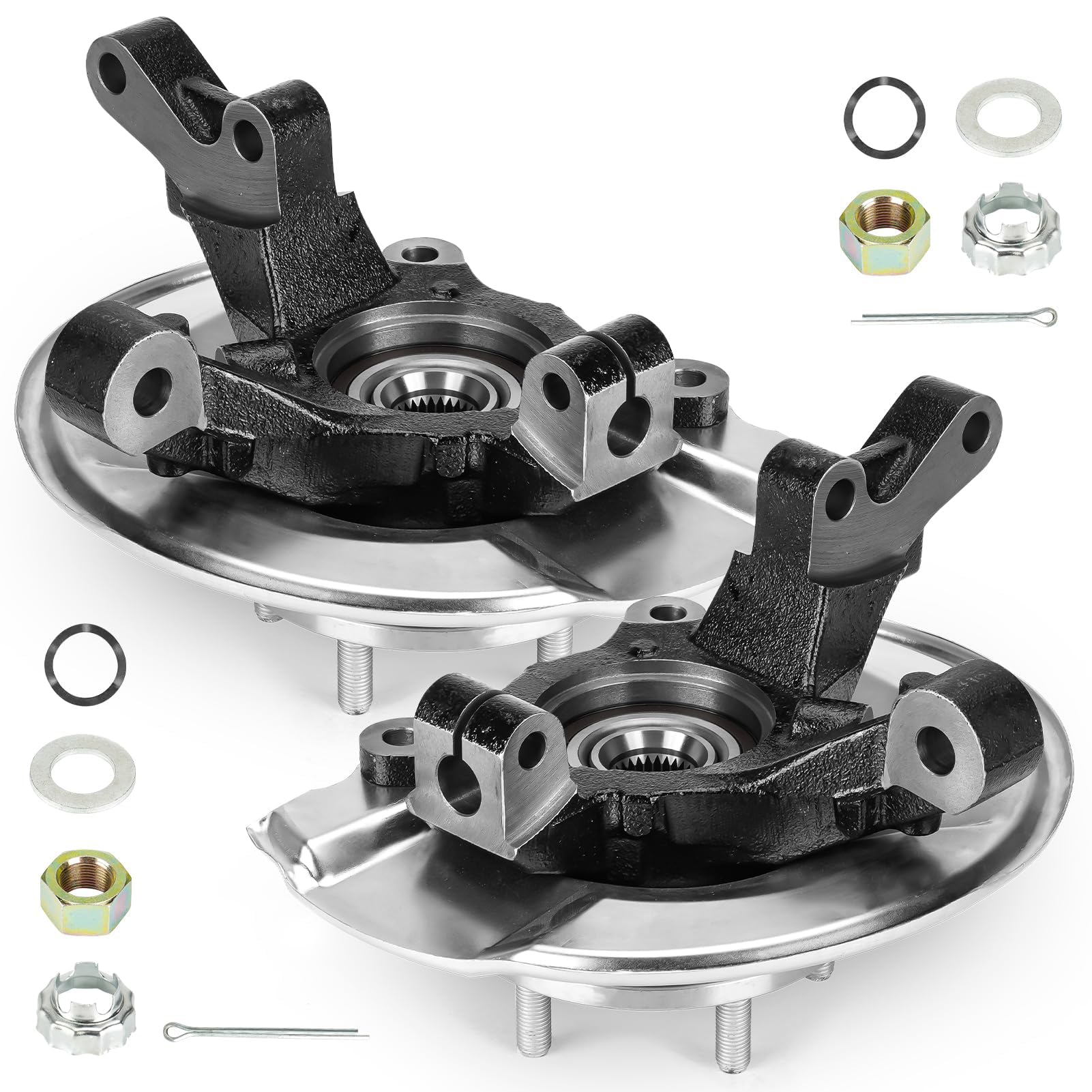
Replacing the front wheel bearings on your 2012 Jeep Patriot 4WD is one of those jobs that can save you a lot of money. Many drivers notice a humming or grinding noise from the wheels, especially at higher speeds. This is often a sign the wheel bearings are worn out. If left unchecked, bad bearings can lead to unsafe driving and damage other parts. With the right tools and some patience, you can handle this repair yourself.
This guide will walk you through every step. If you’re not a car expert, don’t worry.
I’ll use simple words and clear instructions. By the end, you’ll understand how to safely replace the front wheel bearings on your Jeep Patriot, what tools you need, and what mistakes to avoid.
What Are Wheel Bearings And Why Replace Them?
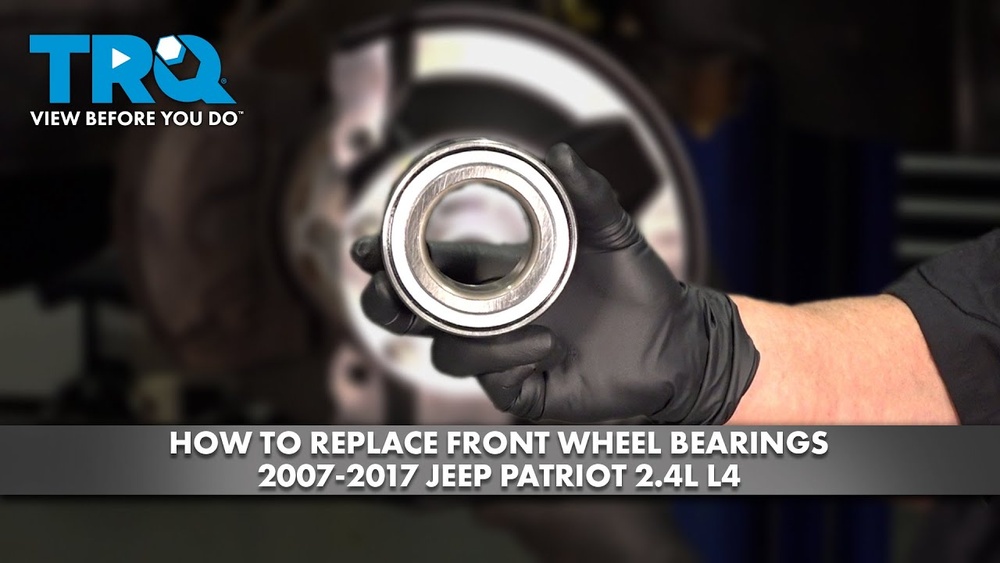
Wheel bearings are small metal balls (or rollers) inside a ring, called a race. They help your wheel spin smoothly with less friction. In 4WD vehicles like your Patriot, bearings also handle more force due to the extra weight and power.
Bad bearings can cause:
- Noise: Humming, rumbling, or grinding
- Vibration: Especially when turning
- Safety risks: Wheel can lock up or detach
Most bearings last 85,000 100,000 miles, but rough roads or water can wear them out faster. If you hear noises or feel vibrations, it’s time to check them.
Tools And Parts You Need
Before starting, gather these items:
- New front wheel bearings (for 2012 Jeep Patriot 4WD)
- Socket set (metric and standard)
- Breaker bar
- Torque wrench
- Hammer (rubber or metal)
- Pry bar
- Jack and jack stands
- Wheel chocks
- Screwdrivers (flat and Phillips)
- Bearing puller (or slide hammer)
- Grease (high-temp for wheel bearings)
- Shop rags
- Safety gloves and glasses
If you don’t have some tools, many auto stores rent them.
Safety First: Preparation And Precautions
Always work safely:
- Park your Jeep on a flat surface.
- Set the parking brake.
- Place wheel chocks behind the rear wheels.
- Wear safety gloves and glasses.
- Never rely on a jack alone—use jack stands.
These steps help prevent accidents. Take your time and don’t rush.
Step-by-step: Removing The Old Wheel Bearing
Step 1: Lift The Vehicle
Use a jack to lift the front of your Jeep. Place jack stands under the frame for support. Make sure the car is steady before you start.
Step 2: Remove The Wheel
Loosen the lug nuts with a breaker bar. Remove the wheel and set it aside.
Step 3: Remove The Brake Caliper And Rotor
- Use a socket to remove the caliper bolts.
- Hang the caliper with a wire or bungee—don’t let it hang by the brake hose.
- Remove the brake rotor. If it’s stuck, tap it lightly with a hammer.
Step 4: Remove The Axle Nut
The axle nut is at the center of the hub. Use a breaker bar and socket to loosen it. This nut can be tight; use some penetrating oil if needed.
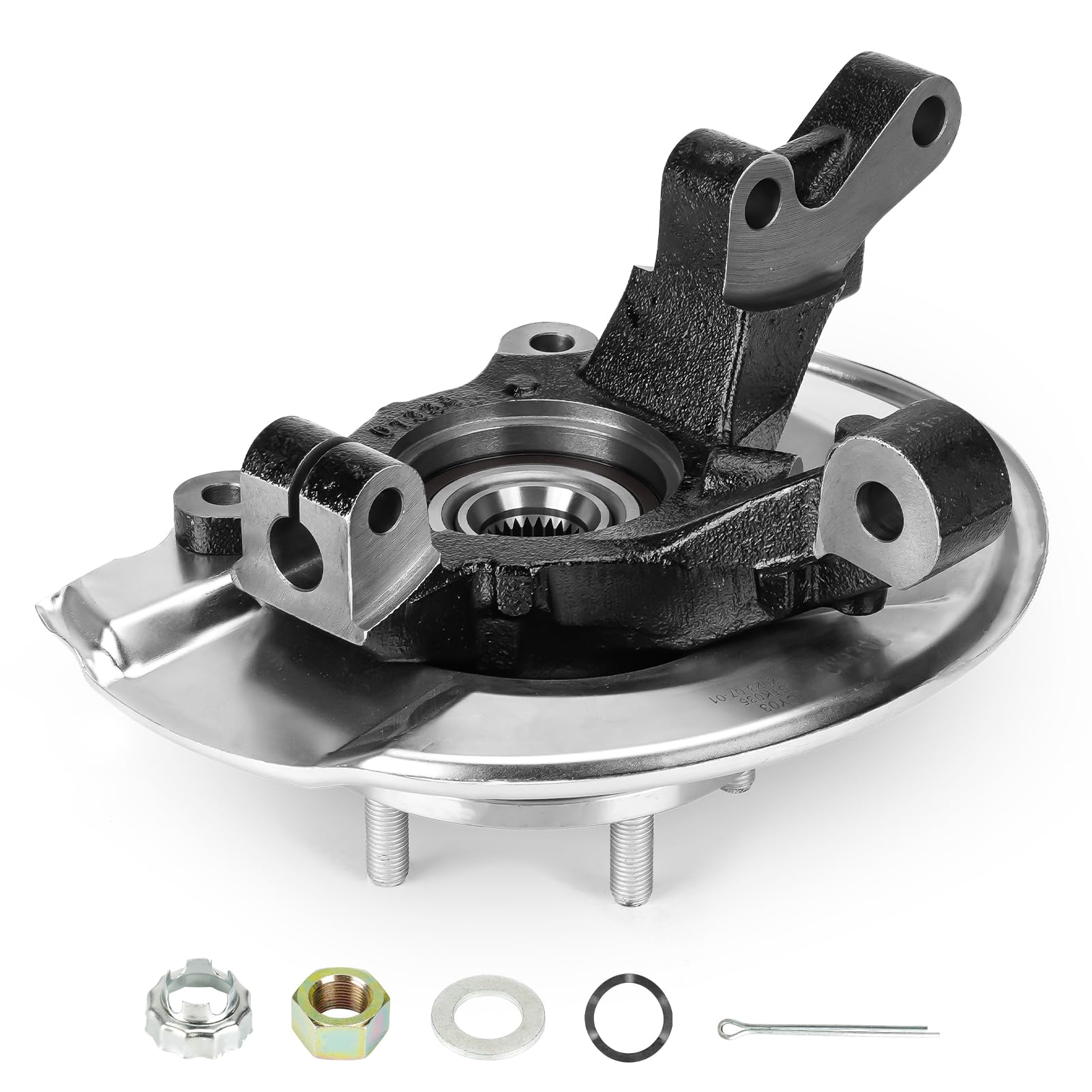
Step 5: Remove The Hub Assembly
- Unbolt the hub assembly from the steering knuckle.
- Use a bearing puller or slide hammer to remove the hub. If it’s rusted, tap gently around the hub.
Step 6: Remove The Old Bearing
If the bearing is pressed in, you’ll need a bearing press or puller. Remove the snap ring first, then press the bearing out. Clean the area with rags.
Step-by-step: Installing The New Wheel Bearing
Step 1: Press In The New Bearing
Align the new bearing and press it into the hub. Make sure it goes in straight.
Install the snap ring if your model has one.
Step 2: Reinstall The Hub Assembly
Place the hub back onto the steering knuckle. Bolt it securely.
Step 3: Tighten The Axle Nut
Use a torque wrench to tighten the axle nut to the factory specs (usually between 100–150 ft-lbs for the Jeep Patriot). Too loose or too tight can damage the bearing.
Step 4: Reinstall The Rotor And Caliper
Place the brake rotor back, then bolt the caliper. Make sure all bolts are tight.
Step 5: Reattach The Wheel
Put the wheel back on and tighten the lug nuts by hand.
Step 6: Lower The Vehicle And Final Torque
Lower your Jeep to the ground. Use the torque wrench to tighten the lug nuts to the recommended torque (usually 100 ft-lbs).
Comparison: Professional Vs Diy Replacement
Many people wonder if they should do this job themselves or hire a mechanic. Here’s a quick comparison.
| Factor | DIY | Professional Mechanic |
|---|---|---|
| Cost | $70–$150 (parts & tools) | $300–$500 (labor & parts) |
| Time Required | 2–4 hours | 1–2 hours |
| Skill Level | Intermediate | Expert |
| Warranty | No warranty | Usually 12–24 months |
Most DIYers save money but need patience and careful work. If you’re unsure, seek help.
Common Mistakes And How To Avoid Them
Many beginners make these errors:
- Skipping safety steps: Always use jack stands.
- Incorrect torque: Overtightening can damage new bearings. Use a torque wrench.
- Dirty parts: Dirt in the bearing area can cause early failure. Clean everything before installing.
- Wrong bearing: Always check your Jeep’s VIN or parts manual to get the right bearing.
Here are two insights many miss:
- Wheel alignment check: After replacing bearings, get a wheel alignment. New bearings can change wheel angles slightly.
- Check ABS sensor: The Patriot’s front hub has an ABS sensor. Make sure it’s clean and reconnected. If you forget, the ABS light may stay on.
How To Identify Bad Wheel Bearings
Sometimes, noises can come from other parts. Here’s how to confirm it’s the bearings:
- Noise changes with speed: If the hum gets louder as you go faster, it’s likely the bearings.
- Noise changes when turning: If the sound gets quieter or louder when you turn left or right, it’s a sign.
- Wheel movement: Jack up the car and grab the wheel at the top and bottom. If it wobbles, the bearing is likely bad.
Jeep Patriot Front Wheel Bearing Specifications
Here are the basic specs for the 2012 Jeep Patriot 4WD:
| Specification | Value |
|---|---|
| Bearing Type | Sealed, press-in |
| Bearing Size | 42mm x 76mm x 39mm |
| Torque (Axle Nut) | 100–150 ft-lbs |
| Torque (Lug Nuts) | 100 ft-lbs |
| Estimated Lifespan | 85,000–100,000 miles |
Always check your owner’s manual or parts catalog for exact values.
Tips To Extend Wheel Bearing Life
- Avoid driving through deep water and mud.
- Don’t overload your Jeep with heavy cargo.
- Check wheel bearings during brake jobs.
- Keep tires properly inflated.
- Fix any suspension problems quickly.
These steps prevent early bearing failure.
Cost Breakdown For Diy Replacement
Let’s look at typical costs for replacing wheel bearings yourself:
| Item | Cost |
|---|---|
| Front wheel bearing (each) | $40–$70 |
| Bearing puller rental | $20–$30 |
| Grease & shop rags | $10 |
| Torque wrench rental | $15–$25 |
| Total (per wheel) | $85–$135 |
If you already have some tools, costs may be lower.
Real-world Example: What Happens If You Delay
A Jeep Patriot owner ignored a humming sound for months. The wheel bearing failed, causing the wheel to lock up at a stop sign.
This led to expensive repairs ($700+) for the hub, brake rotor, and ABS sensor.
Don’t wait if you notice noises. Early replacement saves money and keeps you safe.
After Replacement: What To Check
Once you’ve replaced the bearings:
- Drive slowly and listen for any noises.
- Check for vibration or wobbling.
- Make sure the ABS light is off.
- Re-torque lug nuts after 50 miles.
If everything feels normal, you did the job right.
How Long Does It Take To Replace Front Wheel Bearings?
Most people finish in 2–4 hours. If it’s your first time, plan for extra time. Some steps, like removing rusted parts, may take longer.
Can I Drive With A Bad Wheel Bearing?
It’s not safe. Bad bearings can fail suddenly, causing you to lose control or damage other parts. Replace them as soon as possible.
Do I Need Special Tools For This Job?
You need a bearing puller (or slide hammer) and a torque wrench. These tools help you remove the old bearing and tighten bolts correctly.
Is A Wheel Alignment Needed After Changing Bearings?
It’s recommended. New bearings can change wheel angles. A wheel alignment prevents tire wear and keeps your Jeep driving straight.
Where Can I Find More Information About Jeep Patriot Maintenance?
The official Jeep service manual gives detailed instructions and specs. You can also check AutoZone Repair Guides for helpful tips.
Replacing the front wheel bearings on your 2012 Jeep Patriot 4WD is a solid DIY project. With careful steps and the right tools, you can restore smooth driving and save money. Just remember to work safely, use the correct parts, and double-check your work. If something feels wrong, don’t hesitate to ask a mechanic. Your Jeep—and your safety—are worth it.