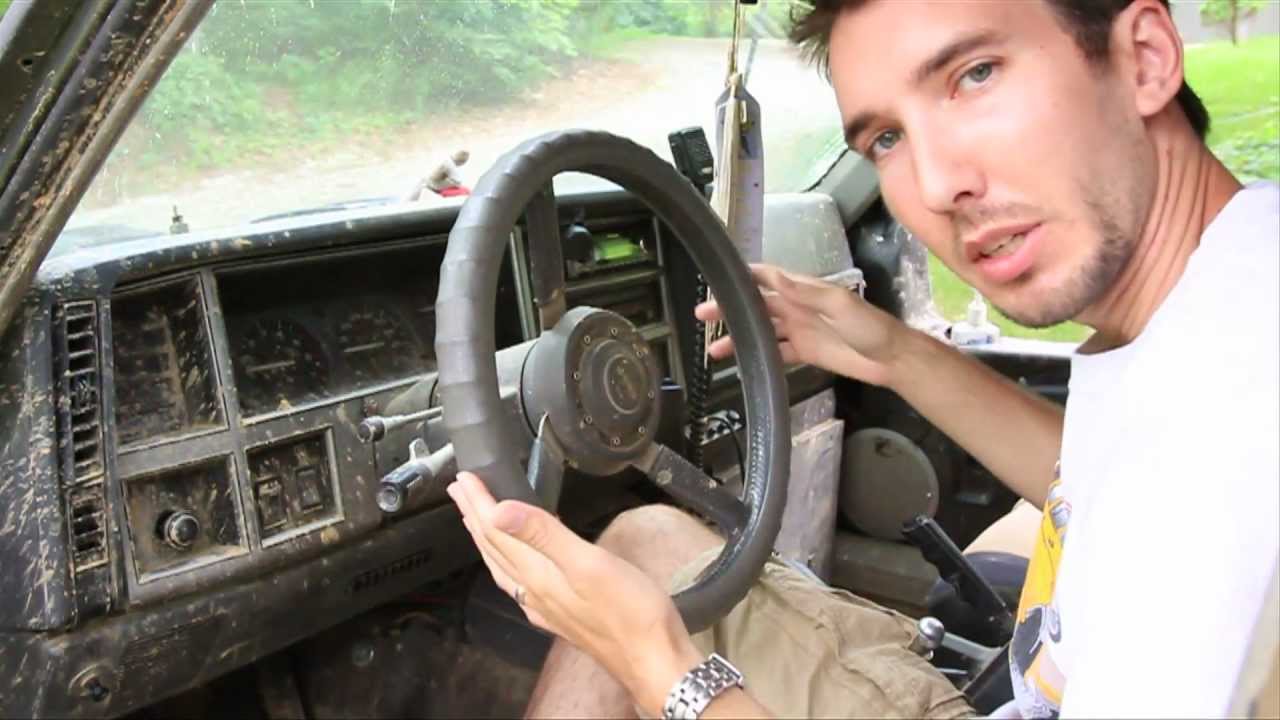
Many Jeep owners notice their steering wheel is not perfectly straight, even though the vehicle drives in a straight line. This can feel strange, especially after repairs or modifications like installing a lift kit or adjusting the suspension. A crooked steering wheel is not just annoying—it can be a sign that your Jeep’s alignment is off, which might affect handling and safety. Learning how to straighten a steering wheel on a Jeep is a useful skill, whether you’re a DIY enthusiast or just want to save on repair costs.
In this guide, you’ll discover a clear step-by-step process to fix a misaligned steering wheel, understand why it happens, and learn some smart tips to avoid common mistakes.
You’ll also find tables comparing tools and methods, practical examples, and answers to the most frequent questions Jeep owners have.
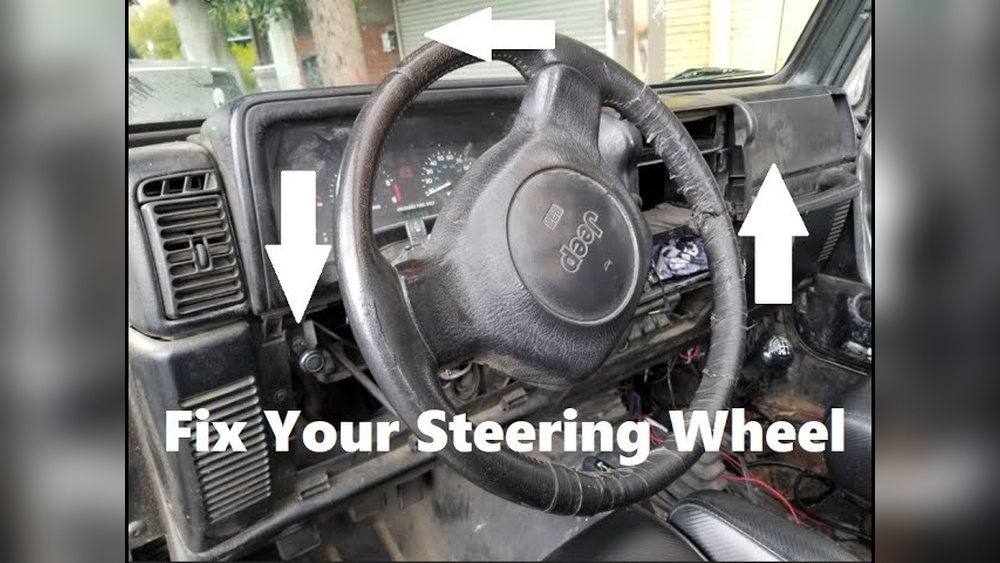
Why Your Jeep’s Steering Wheel Gets Crooked
A steering wheel can become misaligned for several reasons. The most common are:
- Suspension modifications: Installing a lift kit or changing suspension parts often shifts the steering geometry.
- Wheel alignment changes: Adjusting toe angles or replacing tie rods can move the steering wheel off-center.
- Off-road impacts: Hitting rocks, potholes, or curbs can knock the steering system out of alignment.
- Wear and tear: Over time, steering components like tie rods and drag links can wear, affecting alignment.
It’s important to know that a crooked steering wheel doesn’t always mean a serious problem, but it can affect driving comfort and safety.
If your Jeep pulls to one side, shakes at speed, or the wheel is far from center, get a full alignment check.
Tools And Materials You’ll Need
Before starting, gather the right tools. Here’s a quick comparison:
| Tool | Purpose | Estimated Cost |
|---|---|---|
| Wrench (adjustable or open-end) | Loosen/tighten tie rod clamps | $10–$30 |
| Jack & Jack Stands | Lift and secure the Jeep | $50–$100 |
| Marker or Tape | Mark adjustment points | $1–$5 |
| Measuring Tape | Check wheel alignment | $5–$15 |
| Safety Gloves | Protect your hands | $5–$10 |
Most Jeep owners already have these tools. You don’t need special equipment unless you want to check alignment angles precisely.
Step-by-step Guide To Straighten A Jeep Steering Wheel
Follow these steps to fix your steering wheel. The process applies to most Jeep models, including Wrangler, Cherokee, and Gladiator.
1. Park And Prepare
- Park your Jeep on a flat surface.
- Turn off the engine.
- Set the parking brake.
- Wear safety gloves.
- If needed, use a jack to lift the front wheels and place jack stands under the frame for safety.
2. Check The Steering Wheel Position
- Sit in the driver’s seat.
- Look at the steering wheel with the wheels pointing straight ahead.
- Note how far the wheel is off-center (e.g., turned left or right).
- It helps to mark the top center of the wheel with tape for reference.
3. Locate The Adjusting Point
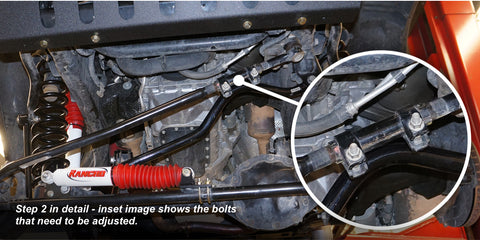
Jeep steering systems use a drag link or tie rod to connect the steering wheel to the wheels.
- Find the drag link (usually connects the steering box to the passenger side wheel).
- Look for the adjustment sleeve or clamps—these are often near the middle of the drag link.
- If unsure, check your Jeep’s manual or search for your model online.
4. Loosen The Adjustment Clamps
- Use a wrench to loosen the clamps on the drag link adjustment sleeve.
- Do not remove the clamps—just loosen them enough to allow the sleeve to turn.
- Mark the current position with tape or a marker.
5. Adjust The Drag Link
- Turn the adjustment sleeve. One direction will rotate the steering wheel left; the other will rotate it right.
- Make small adjustments—about half a turn at a time.
- After each adjustment, tighten the clamps slightly and check the steering wheel position.
- Repeat until the wheel is centered.
6. Test And Fine-tune
- Lower the Jeep if you lifted it.
- Drive forward and backward a few feet.
- Check if the steering wheel is straight while moving.
- If not, repeat the adjustment process.
- When satisfied, fully tighten the clamps.
7. Double-check Alignment
- Make sure the Jeep drives straight and the steering wheel is centered.
- If the Jeep pulls to one side, you may need a full professional alignment.
Here’s a quick overview table of the process:
| Step | Action | Time Needed |
|---|---|---|
| Park & Prepare | Secure Jeep, gather tools | 5–10 min |
| Check Position | Note wheel offset | 2–5 min |
| Locate Adjuster | Find drag link/tie rod | 2–5 min |
| Loosen Clamps | Ready for adjustment | 5 min |
| Adjust Drag Link | Turn sleeve, check wheel | 10–15 min |
| Test & Fine-Tune | Drive & re-check | 10 min |
| Double-Check | Confirm straight wheel | 5 min |
Most people finish in less than 45 minutes.
Practical Tips For Success
- Make small adjustments. Large changes can throw off alignment.
- Always mark the original position of the adjustment sleeve. If you get confused, you can return to the starting point.
- Test drive after every change. Sometimes a wheel that looks straight when parked is off during driving.
- If you recently installed a lift kit, check all suspension bolts before adjusting the steering wheel.
- Don’t force the adjustment sleeve. If it’s stuck, use penetrating oil and gently tap with a wrench.
Common Mistakes To Avoid
Many beginners make these errors:
- Skipping marking points: Without marks, it’s easy to lose track of changes.
- Over-tightening clamps: This can damage threads or make future adjustments harder.
- Ignoring alignment issues: If your Jeep pulls to one side, straightening the wheel will not fix the root cause. Get an alignment check.
- Not test-driving: Adjusting the wheel without a road test can lead to surprises.
- Confusing drag link and tie rod: The drag link centers the steering wheel; the tie rod affects toe-in/out. Adjust only the drag link unless you’re aligning the wheels.
Here’s a comparison of drag link versus tie rod adjustments:
| Component | Function | Effect on Steering Wheel | Risk |
|---|---|---|---|
| Drag Link | Centers steering wheel | Directly affects wheel position | Low if adjusted correctly |
| Tie Rod | Sets toe angle | Indirect effect | High if changed without alignment |
Always focus on the drag link unless you are doing a full alignment.
Advanced Tips For Jeep Owners
- If you have aftermarket steering (like beefier drag links or tie rods), follow manufacturer instructions. Some parts need special tools.
- Use a steering angle gauge for precise adjustments, especially after major suspension changes.
- Consider getting a professional alignment once a year, especially if you drive off-road often.
- For lifted Jeeps, check for bump steer—sudden steering changes when hitting bumps. Straightening the wheel won’t fix this, but proper alignment can help.
- Don’t forget to inspect steering stabilizers and bushings. Worn parts can cause steering issues even if the wheel is straight.
Real-life Example: Jeep Wrangler After Lift Kit
Let’s say you installed a 2.5-inch lift kit on your Jeep Wrangler. After the lift, the steering wheel sits about 15 degrees to the left, even though the Jeep drives straight.
You follow the steps above:
- Mark the drag link adjustment sleeve.
- Loosen clamps and turn the sleeve clockwise.
- After half a turn, the wheel moves closer to center.
- You test drive and adjust again, this time a quarter turn.
- The steering wheel is now straight, and the Jeep drives perfectly.
This process saves about $100 compared to a shop fix, and you gain confidence in handling basic Jeep repairs.
When To Seek Professional Help
If you notice these signs, ask a mechanic for help:
- Jeep pulls hard to one side even after adjustment.
- Steering feels loose or shaky.
- You hear clunking noises from the steering system.
- The adjustment sleeve is rusted or won’t move.
Professional alignments use laser tools to check all angles, ensuring your Jeep handles safely.
Safety Reminders
- Always use jack stands, not just a jack, if lifting your Jeep.
- Wear gloves and eye protection.
- If you are unsure, ask for help from a Jeep forum or a local mechanic.
How Often Should I Check My Jeep’s Steering Wheel Alignment?
Check your steering wheel alignment every time you change suspension parts, after off-road trips, or if you notice the wheel isn’t centered. Regular checks help prevent bigger problems.
Can I Straighten The Steering Wheel Without Special Tools?
Yes, you only need basic tools like a wrench and a marker. However, alignment gauges make the job easier and more precise, especially for lifted Jeeps.
Will Straightening The Steering Wheel Fix Pulling Or Drifting?
No. If your Jeep pulls left or right, you likely have a wheel alignment issue. Straightening the wheel only centers the steering wheel, not the wheels themselves.
Is It Safe To Drive With A Crooked Steering Wheel?
It’s usually safe if the Jeep drives straight, but a crooked wheel can hide alignment problems. For safety, fix it soon and check full alignment if you notice unusual handling.
Where Can I Find Detailed Diagrams For My Jeep Model?
You can find diagrams and manuals for most Jeep models on the official Jeep Owners site. These resources help with locating parts and understanding adjustment points.
Taking care of your Jeep’s steering wheel alignment keeps your driving comfortable and safe. With the right tools and a careful approach, most owners can fix a crooked steering wheel in under an hour.
Remember, small adjustments and regular checks are key.
If you run into trouble, professional help is always available.