Wiring your Jeep Cherokee for trailer lights can feel like a complex job. But with the right guidance, it’s easier than most people think. Whether you want to tow a boat, camper, or utility trailer, adding trailer lights is a must for safety and legal reasons. If you do this job yourself, you can save money and make sure everything works exactly as you need. Let’s break down each step, explain the parts, and help you avoid mistakes that beginners often make. By the end, you’ll know how to wire your Jeep Cherokee for trailer lights confidently.
Understanding Trailer Light Wiring Basics
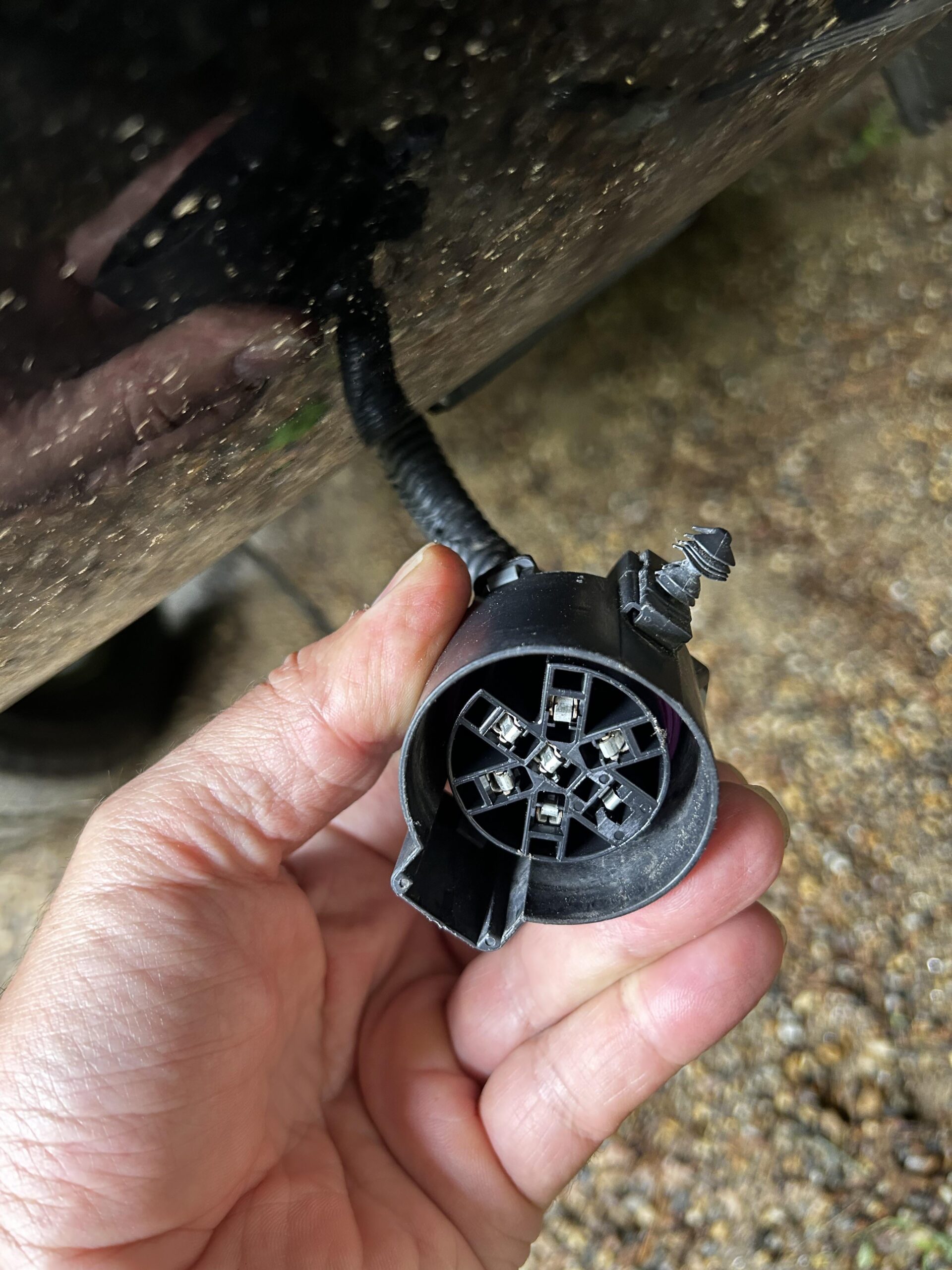
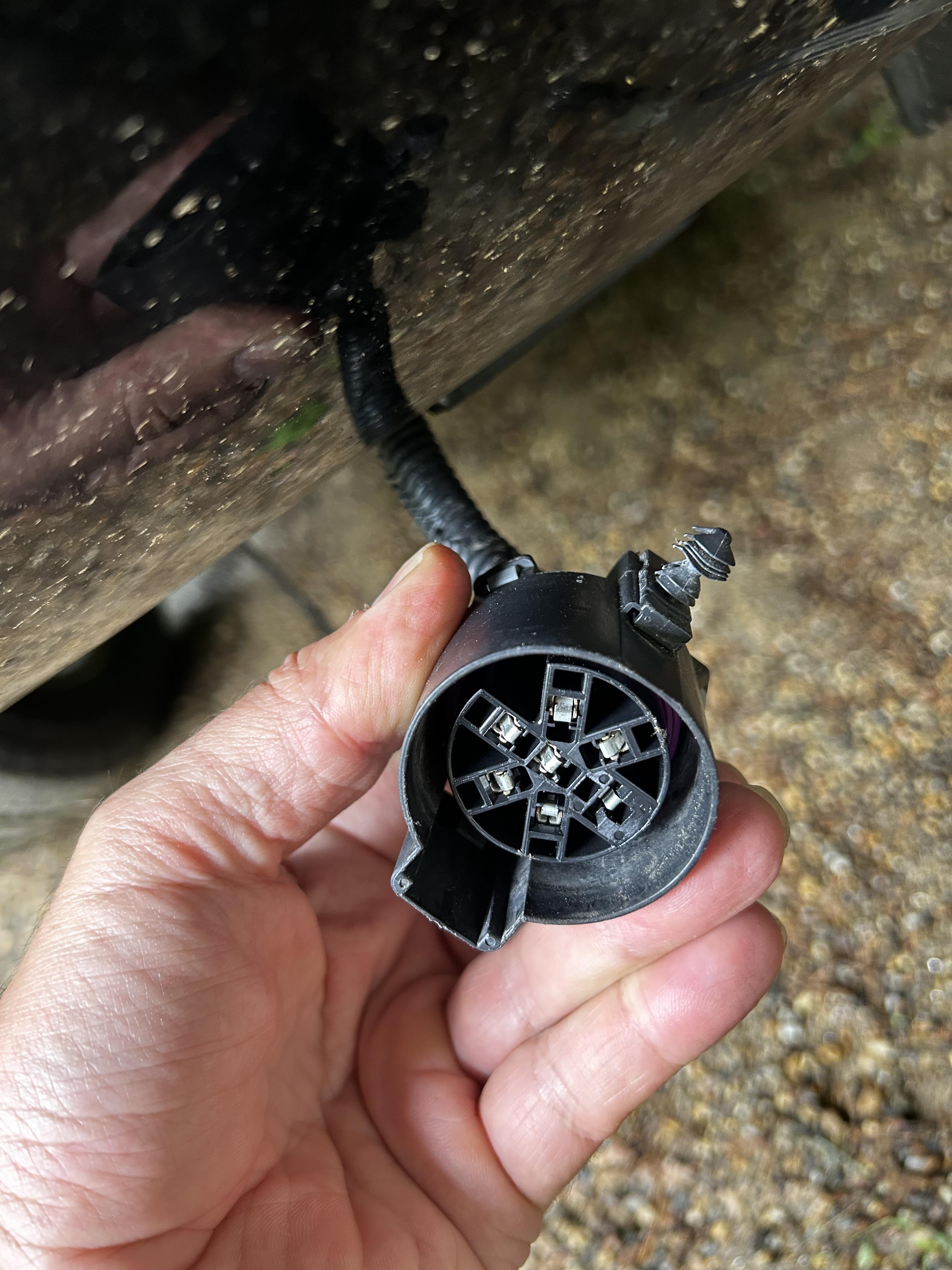
Before starting, it’s important to know what trailer lights need. Most trailers use four-pin or seven-pin connectors. The four-pin setup covers basic lighting: tail lights, brake lights, and turn signals. Seven-pin connectors add features like reverse lights and electric brakes. For most Jeep Cherokees towing small trailers, the four-pin wiring is enough.
You’ll need a wiring harness to connect your Jeep’s electrical system to the trailer. This harness protects your car’s electronics and makes the job safer. If your Cherokee is newer (2014 and up), the wiring is often more complex due to sensitive electronics. Older models are simpler but may need extra parts.
Tools And Materials You Need
Having the right tools can save hours. Here’s what you’ll need:
- Trailer wiring harness (vehicle-specific recommended)
- Wire cutters and strippers
- Electrical tape
- Screwdriver set
- Socket wrench
- Test light or multimeter
- Zip ties
- Drill (sometimes needed for mounting connectors)
- Heat shrink tubing (for watertight protection)
- Protective gloves
If you’re using a universal harness, make sure it’s compatible with your Jeep Cherokee’s model year. For newer models, a CAN-bus compatible harness is often required.
Choosing The Right Wiring Harness
Not all wiring harnesses are the same. Picking the right one is critical for both safety and performance. Here’s a quick comparison of popular types:
| Harness Type | Features | Best For | Approx. Price |
|---|---|---|---|
| Plug-and-Play | Easy install, no wire cutting | Modern Cherokees | $30-$70 |
| Universal | Requires splicing wires | Older Cherokees | $20-$40 |
| CAN-bus Compatible | Works with sensitive electronics | 2014+ models | $60-$120 |
A plug-and-play harness is best if you don’t want to cut factory wires. If your Jeep has advanced electronics, a CAN-bus type prevents electrical problems. Universal harnesses are cheaper, but require careful installation.
Step-by-step Wiring Guide
Let’s walk through the process using simple steps. This guide fits most Jeep Cherokees from the 1990s to today. Adjust as needed for your specific year.
1. Locate The Jeep’s Taillight Wiring
Open the rear hatch and remove the taillight covers using a screwdriver. You’ll see the main wiring leading to the taillight bulbs. Identify the wires for turn signal, brake, and tail lights. Use a multimeter to check which wire controls each function—don’t guess.
2. Prepare The Harness
If you bought a plug-and-play harness, you simply connect it between the Jeep’s taillight plug and the socket. For a universal harness, you’ll need to strip the ends of the wires and prepare them for splicing.
3. Connect The Wires
Match the harness wires to the Jeep’s wiring:
- Brown: Tail lights
- Yellow: Left turn/brake
- Green: Right turn/brake
- White: Ground
Connect each wire by either plugging in (plug-and-play) or splicing (universal). If splicing, twist the wires together, cover with heat shrink tubing, and seal with a heat gun for protection.
4. Ground The System
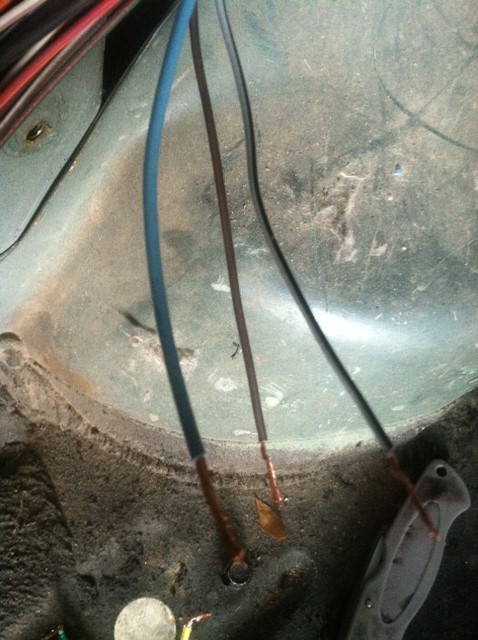
Grounding is often missed by beginners. Attach the white wire to a clean, unpainted metal surface near the rear frame. This prevents flickering or dead lights. Use a screw and ring terminal for a tight fit.
5. Route The Harness To The Hitch
Run the harness along the frame toward the hitch area. Use zip ties to keep wires away from moving parts and hot surfaces. Don’t let wires hang loose—they can get caught or damaged.
6. Mount The Trailer Connector
Install the trailer connector (usually a four-pin plug) near your hitch. Drill a small hole in the bumper or use a bracket to secure it.
Make sure it’s easy to reach but protected from mud and water.
7. Test The System
Plug in a trailer or use a test light. Check each function—tail lights, turn signals, brake lights. If something isn’t working, double-check connections and grounding.
| Function | Wire Color | Common Issue | Fix |
|---|---|---|---|
| Tail lights | Brown | Dim or no light | Check ground, check bulb |
| Left turn/brake | Yellow | Flashing error | Check wire splice |
| Right turn/brake | Green | No signal | Check connector |
| Ground | White | Flickering | Clean mounting point |
Troubleshooting Common Problems
If your trailer lights don’t work right away, don’t panic. Here are some frequent issues and fixes:
- Bad ground connection: 80% of trailer lighting problems come from poor grounding. Always check the white wire and the metal surface.
- Incorrect wire matching: Use a multimeter, not just color codes. Jeep wiring colors sometimes change by year.
- Blown fuse: If nothing works, check your Jeep’s fuse box. The trailer wiring may need a dedicated fuse.
- Damaged connectors: Dirt, water, or corrosion in the connector can block the signal. Clean and dry all contacts.
- Weak bulbs: Trailer bulbs can fail easily. Test them separately to rule out bulb issues.
Tips For A Safe And Reliable Installation
A few practical tips can make your wiring job last longer and work better:
- Use heat shrink tubing instead of regular tape. It keeps water out and prevents shorts.
- Don’t overload the circuit. Most Cherokee wiring handles basic trailer lights, but if you add extra features, check your vehicle’s limits.
- Check local laws. Some states require extra lighting for certain trailers. Make sure you’re legal.
- Inspect wiring every season. Road salt and water can damage wires over time.
- Keep a spare fuse and bulbs in your Jeep. This saves trouble on long trips.
How Jeep Cherokee Models Differ
Different Jeep Cherokee years and trims have unique wiring systems. Here’s a quick comparison:
| Model Year | Wiring Complexity | Harness Needed | Notes |
|---|---|---|---|
| 1997-2001 | Simple | Universal | Easy to splice |
| 2014-2018 | Moderate | Plug-and-play/CAN-bus | Sensitive electronics |
| 2019-present | High | CAN-bus only | Professional help advised |
If you own a newer Cherokee, you may need a special harness to avoid electrical errors. Some owners prefer professional installation for 2019 and up models due to complex systems.
Mistakes Beginners Often Make
Wiring a trailer is not hard, but small errors cause big problems:
- Skipping the ground wire: This is the most common mistake. Always use a solid ground point.
- Wrong harness type: Using an old universal harness on a new Cherokee can damage the electronics.
- Loose wires: Wires left hanging can break or short out.
- Poor weatherproofing: Exposed connections will corrode fast. Always seal splices.
- Ignoring fuse ratings: Using the wrong fuse can cause electrical failure.
These mistakes are easy to avoid if you plan ahead and follow instructions carefully.
Getting Professional Help
If you’re unsure, it’s smart to ask for help. Many auto shops can wire trailer lights in less than two hours. Average cost ranges from $80 to $200 depending on the harness and labor. For newer models, dealers may charge more but can guarantee compatibility. Always ask if the shop uses vehicle-specific harnesses.
For more details about towing regulations and trailer safety, visit the National Highway Traffic Safety Administration.
How Do I Know Which Wire Is For Which Function?
A multimeter or a test light is the best tool. Connect it to each wire as you operate the turn signals, brakes, and tail lights. This shows exactly which wire controls each light. Jeep wiring colors can change, so never trust color alone.
Can I Use A Universal Trailer Wiring Harness On Any Jeep Cherokee?
Universal harnesses work on older Cherokees (pre-2014) but may cause problems on newer models. Newer Cherokees often need a CAN-bus compatible harness to avoid electrical errors. Always check your vehicle’s requirements before buying.
What Happens If I Don’t Ground The Trailer Wiring?
Without a proper ground, trailer lights may flicker, fail, or refuse to work. Grounding is essential for completing the electrical circuit.
Always use a clean, unpainted metal surface for the ground wire.
How Do I Protect The Wiring From Weather And Road Damage?
Use heat shrink tubing on all connections, and secure wires with zip ties along the frame. Keep wires away from moving parts and hot surfaces. Inspect the wiring regularly for wear and corrosion.
Is It Legal To Tow A Trailer Without Working Lights?
No. By law, trailers must have functioning lights for safety. This includes tail lights, brake lights, and turn signals. Failure to comply can result in fines or accidents.
Wiring your Jeep Cherokee for trailer lights is a practical upgrade that boosts safety and lets you tow with confidence. Take your time, use the right parts, and double-check your work.
With these steps, your trailer lights will work reliably every time you hit the road.