Wiring trailer lights to a Jeep Patriot can seem confusing, especially for first-timers. But with the right steps and careful planning, you can make your Patriot ready for safe towing. Whether you’re hauling a small utility trailer, a boat, or a camper, connecting the lights properly is not just about following the law—it’s about keeping yourself and others safe on the road. Many Jeep Patriot owners do their own wiring to save money and learn more about their vehicle. If you want to wire trailer lights to your Patriot, this guide will show you how, step by step, with practical advice and real-world tips.
Understanding Trailer Light Wiring Basics
Before you start, it’s important to know what you’re working with. Trailer light wiring connects your Jeep’s signals (brake, turn, and tail lights) to your trailer’s lights. This way, when you use your Jeep’s indicators or brakes, the trailer lights do the same.
Most trailers use a 4-way flat connector, but some use 5, 6, or 7-way connectors for extra functions like electric brakes or auxiliary power. The Jeep Patriot, like most modern SUVs, uses a separate wiring system for tail lights and turn signals, known as a three-wire system. You’ll need a wiring harness that matches both your Jeep and trailer.
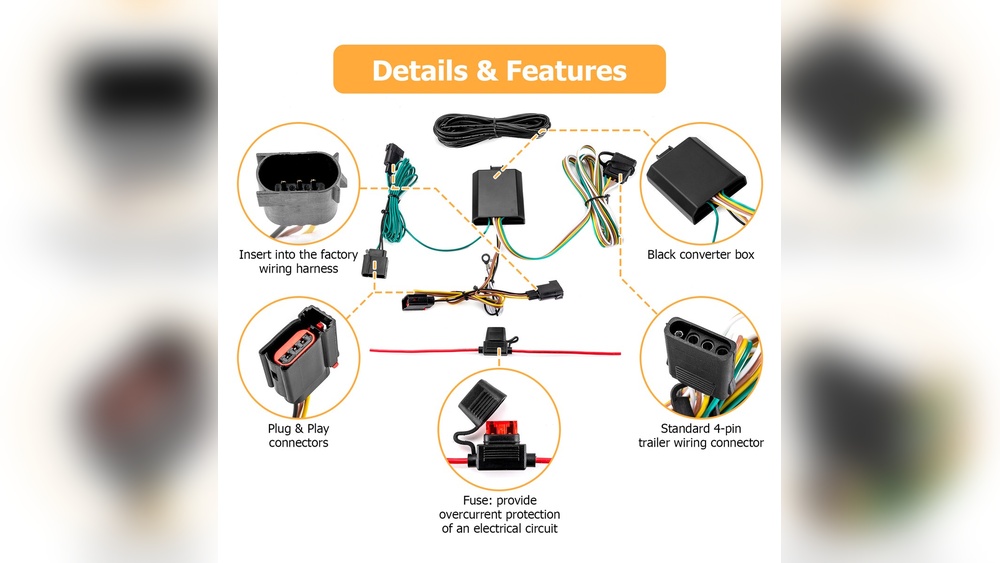
Here’s a quick overview of common trailer wiring connectors:
| Connector Type | Number of Wires | Main Uses |
|---|---|---|
| 4-way Flat | 4 | Basic lighting (tail, turn, brake, ground) |
| 5-way Flat | 5 | Basic lighting + backup lights |
| 6-way Round | 6 | Lighting + brakes/auxiliary power |
| 7-way Round | 7 | Full trailer features (RV/large trailers) |
Most Jeep Patriot owners use a 4-way flat connector for small to medium trailers.
Tools And Materials You’ll Need
Gather everything before you start. Missing a tool halfway through can cause frustration and mistakes. Here’s what you’ll need for a standard installation:
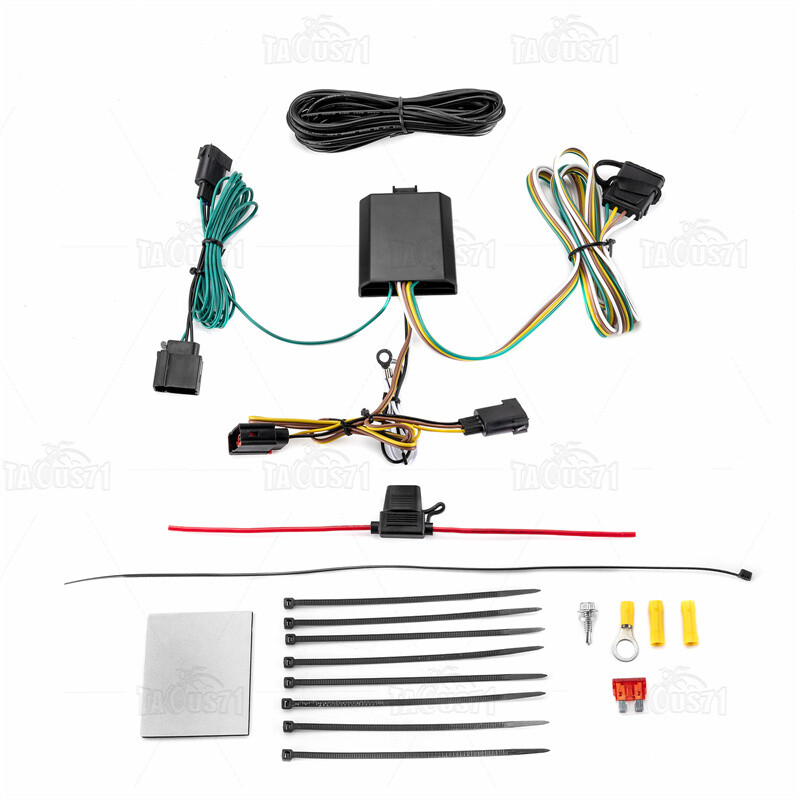
- Vehicle-specific wiring harness kit (for Jeep Patriot; usually “plug and play”)
- Wire strippers/cutters
- Crimp tool or pliers
- Electrical tape
- Test light or multimeter
- Drill (if grounding point isn’t available)
- Screwdriver
- Zip ties or clips for securing wires
Optional but helpful:
- Heat shrink tubing for better insulation
- Dielectric grease to prevent corrosion
- Gloves (to protect your hands)
- Jack stands (for safer access under the vehicle)
Choosing The Right Wiring Harness
Not all wiring harnesses are equal. Some connect directly to the tail light wiring; others plug into the fuse box or use a separate power line from the battery. For the Jeep Patriot, a T-connector harness is the best choice for most DIYers. It plugs into your factory tail light connectors, reducing the risk of wiring errors and avoiding splicing into factory wires.
A T-connector offers these benefits:
- No wire cutting needed—just plug in.
- Maintains factory warranty in most cases.
- Reduces risk of electrical issues.
- Faster and easier installation.
Pay attention to compatibility. Double-check the harness fits your Jeep Patriot’s model year (for example, 2007–2017). Some harnesses have a powered module—this draws power directly from the battery to avoid overloading your tail light circuits. This is a smart upgrade if you tow often.
Here’s a comparison of harness types:
| Harness Type | Complexity | Reliability | Warranty Safe |
|---|---|---|---|
| T-Connector | Easy | High | Yes |
| Splice-in Kit | Medium | Medium | No |
| Powered Converter | Medium | Very High | Yes |
Step-by-step Guide: Wiring Trailer Lights On A Jeep Patriot
Follow these steps carefully. Take your time rushing can lead to mistakes or electrical problems.
1. Disconnect The Battery
Always disconnect the negative battery cable before working with vehicle wiring. This prevents shorts and protects the electronics.
2. Access The Tail Light Wiring
Open the rear hatch. You’ll need to remove the rear tail light assemblies on both sides. On the Jeep Patriot:
- Remove the screws or clips holding the tail light in place.
- Pull the light assembly gently; avoid breaking the tabs.
- Unplug the factory wiring harness from the light.
3. Install The T-connector Harness
Take your new harness and plug it into the factory tail light connectors. Usually, the harness splits into left and right sides. Route each side’s wiring through the access holes, matching left to left and right to right. Plug the factory connector into the new harness, then plug the harness into the tail light.
Some harnesses need a ground wire attached. This is usually a white wire with a ring terminal. Find a clean, bare metal spot on the Jeep’s body, and secure the ground with a self-tapping screw. If you don’t ground properly, the trailer lights may flicker or not work.
4. Route The Trailer Connector
Carefully route the trailer connector (usually a 4-way flat plug) down through the rear bumper or under the vehicle. Avoid sharp edges, moving parts, or hot surfaces like the exhaust. Secure the wire with zip ties every 12–18 inches.
You can choose to keep the connector inside the trunk (closing the hatch on it when towing), but most prefer routing it outside for convenience.
5. Power Wire (if Using Powered Harness)
If your harness has a powered module, you’ll need to run a power wire to the front of the Jeep and connect it to the battery’s positive terminal. Use the included fuse holder for safety. Route the wire along the frame, away from heat and moving parts, and secure it with zip ties.
Non-obvious tip: Don’t run the power wire inside the cabin unless the instructions allow it. Under-body routing is safer and less likely to interfere with airbags or interior trim.
6. Reinstall Tail Lights
Once everything is connected, reinstall the tail light assemblies. Double-check that all connectors are secure and no wires are pinched.
7. Test The Trailer Lights
Reconnect the battery. Use a test light or plug in your trailer to check each function:
- Left turn signal
- Right turn signal
- Brake lights
- Tail/running lights
If any light doesn’t work, check:
- Ground connection
- Wire routing (no pinched or cut wires)
- Fuse in the harness (if present)
8. Secure And Protect The Wiring
Use electrical tape or heat shrink tubing on any exposed connections. Apply dielectric grease to the trailer connector to prevent corrosion. Tuck extra wire out of the way and secure with zip ties.
Common Problems And Solutions
Wiring trailer lights is usually straightforward, but some issues can confuse even experienced DIYers.
Problem: Trailer lights are dim or flicker.
- Solution: Check the ground connection. Most trailer lighting issues come from a poor or rusty ground. Clean the area and use a star washer if needed.
Problem: One side of the trailer lights doesn’t work.
- Solution: Double-check that the T-connector is plugged into the correct side. Swapping left and right is a common mistake.
Problem: Blown fuses in Jeep Patriot.
- Solution: If you’re not using a powered harness, the trailer may overload the tail light circuit. Switch to a powered harness that draws power directly from the battery.
Problem: Lights work on car but not on trailer.
- Solution: Test the trailer wiring separately with another vehicle. The issue could be with the trailer’s own wiring, not the Jeep.
Safety Tips And Legal Requirements
Wiring your trailer lights correctly isn’t just smart—it’s the law. In the US, all trailers must have:
- Two tail lamps
- Two brake lights
- Turn signals (left and right)
- A license plate light
Check your state’s towing laws for extra requirements, like reflectors or side marker lights. Always test your lights before every trip.
Practical advice: Carry a small tool kit with spare bulbs, fuses, and a test light. A burned-out trailer light on the road can lead to a ticket or, worse, an accident.
Professional Installation Vs. Diy
Some Jeep Patriot owners prefer to have trailer wiring installed at a dealership or auto shop. Here’s how the options compare:
| Method | Average Cost | Time Required | Pros | Cons |
|---|---|---|---|---|
| DIY | $40–$100 | 1–2 hours | Cost savings, learn new skills | Requires tools, risk of mistakes |
| Professional | $100–$250 | 1–2 hours | Expert work, warranty, less hassle | Higher cost, less hands-on learning |
DIY is a good choice if you’re comfortable with basic tools and want to save money. But if you’re unsure or don’t have time, a shop can provide peace of mind.
Advanced Tips Most Beginners Miss
- Check for CAN-BUS Systems: The Jeep Patriot uses a CAN-BUS wiring system to manage electrical loads. Using the wrong harness can confuse the vehicle’s computer, leading to error messages or malfunctioning lights. Always buy a CAN-BUS compatible harness.
- Waterproof Connections: If you tow in rainy or winter conditions, use dielectric grease and heat shrink tubing on all connections. Water and salt can cause corrosion, leading to lighting failures months later.
- Use a Circuit Tester, Not Just Visual Checks: Sometimes a trailer light looks “on” but is not at full brightness. A circuit tester or multimeter checks for proper voltage.
- Label Your Harness: Use small labels or colored zip ties to mark left/right and tail/turn wires. This helps if you need to troubleshoot in the future.
When To Upgrade Your System
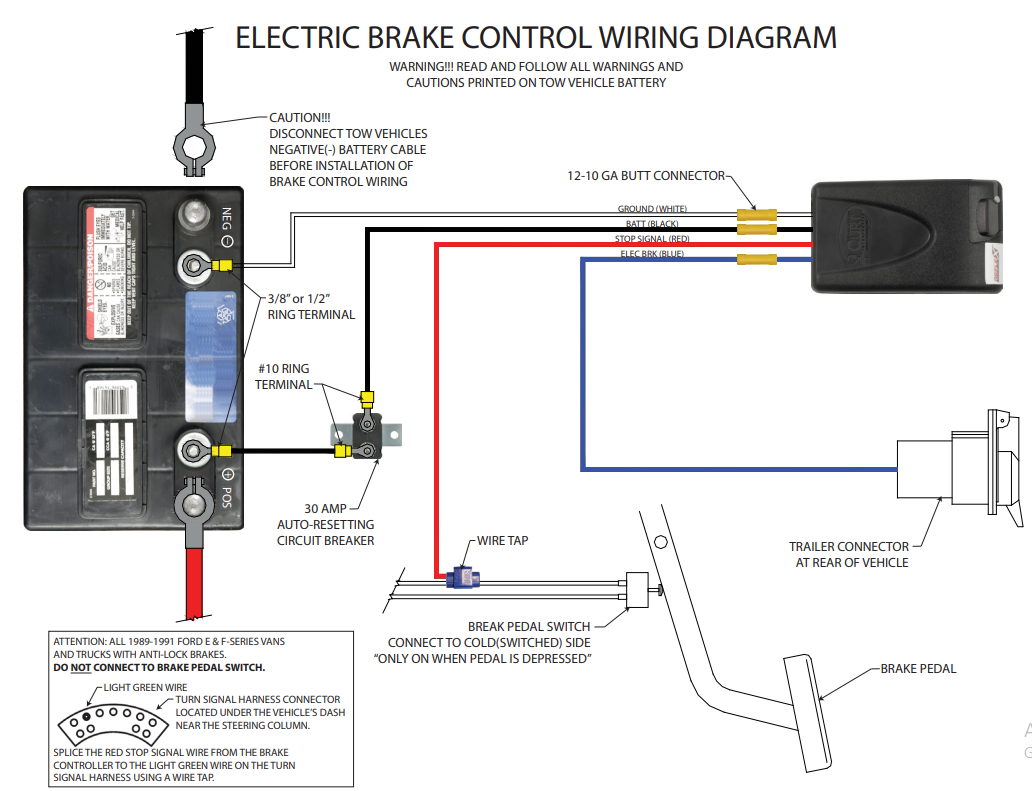
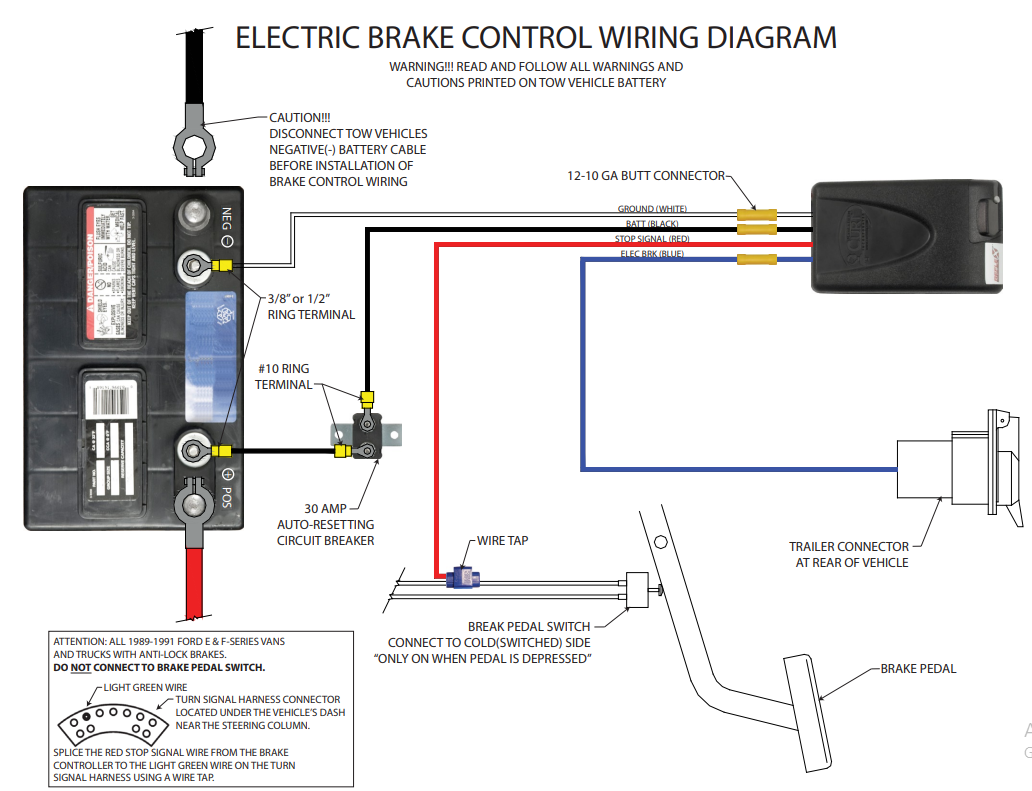
If you plan to tow heavier trailers, campers, or use electric trailer brakes, you’ll need a 7-way connector and possibly a brake controller. The process is more complex but follows similar steps—just with extra wires and modules.
If your Jeep Patriot is older or has had previous wiring repairs, consider a full wiring inspection before installing a new harness.
How Do I Know If My Jeep Patriot Has A Factory Trailer Package?
Most Patriots don’t come with a trailer package by default. Check your owner’s manual or look for a 4-way or 7-way plug under the rear bumper.
If none is present, you’ll need to install a harness.
Can I Use The Same Harness For All Jeep Patriot Model Years?
No. Harnesses are often specific to a range of years.
Always check that the harness fits your Patriot’s model year (for example, 2007 2017).
Do I Need A Special Module For Led Trailer Lights?
Some trailers use LED lights, which draw less power. Most modern harnesses are compatible, but older or basic models may need an upgraded module to avoid hyper-flashing or errors.
How Do I Prevent Corrosion In My Trailer Plug?
Use dielectric grease inside the plug and cover the connector when not in use. Clean the contacts every few months, especially after driving in rain or on salted roads.
Is It Legal To Tow Without Working Trailer Lights?
No. All US states require working trailer lights for safety. Non-functioning lights can result in fines and increase the risk of accidents. For details, visit the National Highway Traffic Safety Administration.
Wiring trailer lights on a Jeep Patriot is a practical project that boosts your vehicle’s usefulness and keeps you safe on the road. Take your time, use the right tools, and always double-check your work.
With a careful approach, you’ll be towing confidently in no time.