Owning a 2014 Jeep Wrangler means you have a vehicle built for adventure, but also one that needs proper handling—especially when it comes to using the 4 wheel drive system. Many drivers are not sure how to engage it correctly, or even when to use each mode. Using 4WD the wrong way can lead to expensive repairs and put your safety at risk. The good news is, the Wrangler’s 4WD system is designed to be user-friendly—once you know the basics. This guide will help you understand every step, avoid common mistakes, and get the most out of your Wrangler on any terrain.
Understanding The 2014 Jeep Wrangler 4wd System
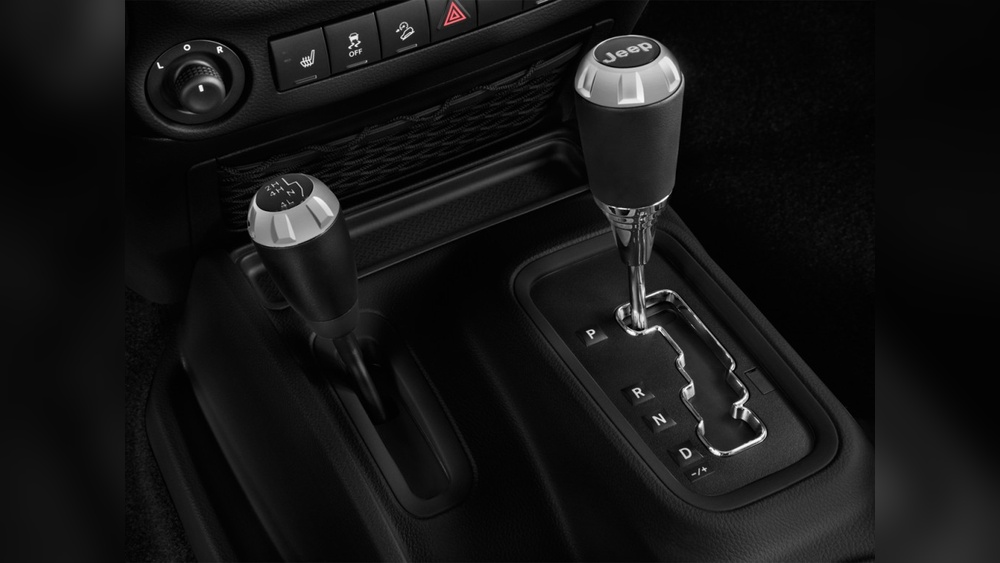
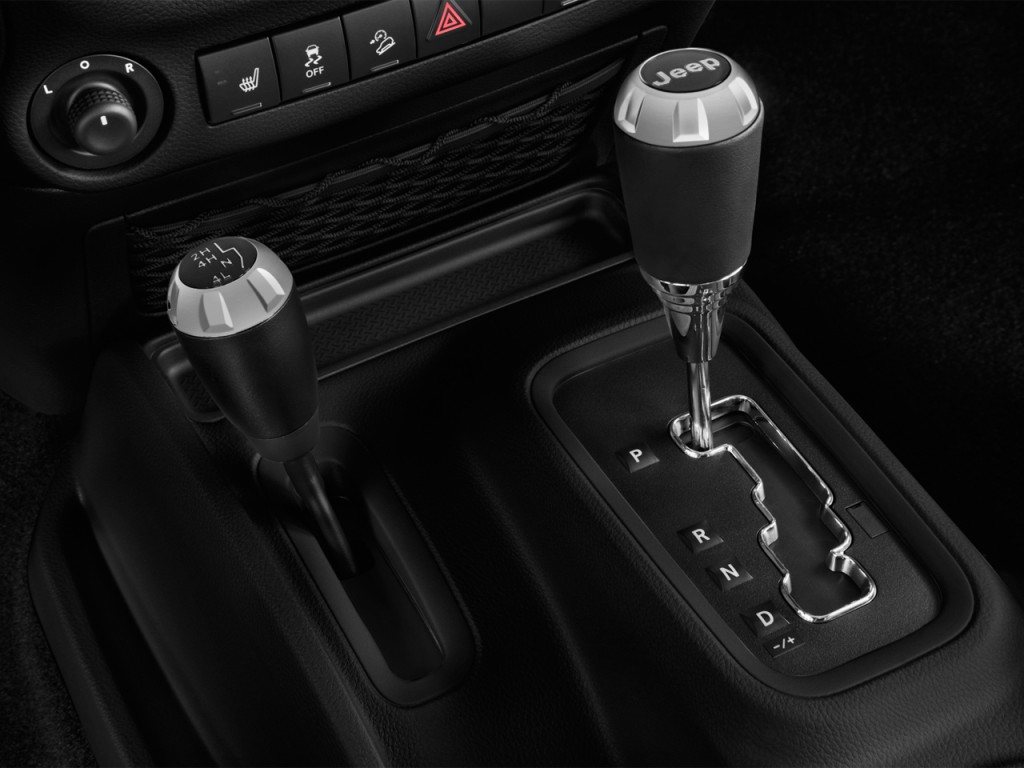
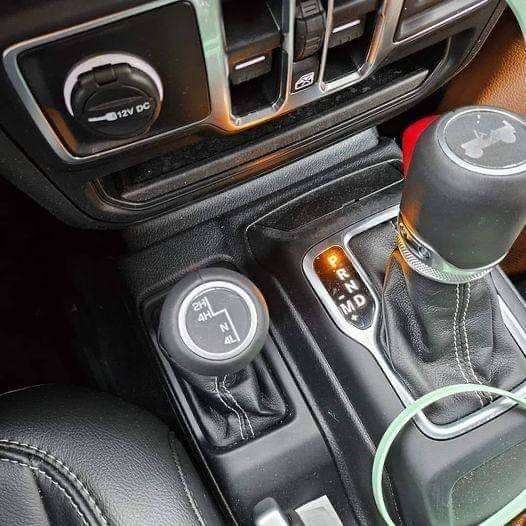
Before you try to engage 4WD, it helps to know what’s under your Jeep. The 2014 Wrangler comes with a part-time 4WD system called Command-Trac. This system offers four main modes:
- 2H (Two-Wheel Drive High)
- 4H (Four-Wheel Drive High)
- N (Neutral)
- 4L (Four-Wheel Drive Low)
Each mode serves a special purpose. Using the wrong mode at the wrong time can make driving harder or damage your vehicle. Let’s look at each one in detail.
1. 2h (two-wheel Drive High)
This is the default mode your Jeep uses on dry, paved roads. In 2H, power goes only to the rear wheels. This saves fuel, reduces tire wear, and gives you the smoothest drive on highways and city streets.
When To Use 2h
- Everyday driving on asphalt or concrete
- Dry weather with good road conditions
How To Stay Safe
Never use 4WD modes on dry pavement. The 4WD system is not made for high-traction surfaces.
If you do, you can strain the drivetrain and experience something called “driveline binding. ” This can cause parts to wear out quickly or even break.
2. 4h (four-wheel Drive High)
4H sends power to both the front and rear wheels. This mode is meant for loose or slippery surfaces like gravel, snow, sand, or mud. It helps your Jeep grip the road better and reduces the chance of getting stuck.
How To Engage 4h
- Slow Down: It’s best to be going under 55 mph (miles per hour).
- Keep the Jeep in Drive: You do not need to stop the vehicle.
- Move the Transfer Case Lever: Firmly pull the 4WD lever from 2H to 4H in one smooth motion.
You should feel a slight bump as the system switches. A light may show on the dash, telling you 4WD is engaged.
When To Use 4h
- Wet or snowy roads
- Dirt or gravel
- Light off-roading
- Sand
Extra Tips
- Do not use 4H on dry pavement.
- If you hear loud grinding, stop and check the system.
3. N (neutral)
The Neutral position is rarely used in daily driving. It disconnects the transmission from both the front and rear driveshafts. In this mode, your Jeep will not move under its own power.
When To Use N
- Towing the Jeep with all four wheels on the ground (flat towing)
- When instructed for certain maintenance tasks
How To Use N Safely
- Bring your Jeep to a complete stop.
- Put the transmission in Neutral.
- Firmly move the transfer case lever to the Neutral position.
Never shift to or from Neutral while moving. It can damage the transfer case.
4. 4l (four-wheel Drive Low)
4L is for the most challenging situations—steep hills, deep mud, large rocks, or deep snow. It multiplies the engine’s torque, helping your Jeep crawl slowly but powerfully.
How To Engage 4l
- Stop the Vehicle: Bring your Jeep to a complete stop.
- Shift to Neutral (Transmission): Move your gear shifter to Neutral (N).
- Move the Transfer Case Lever: Firmly pull the lever from 4H to 4L in one steady motion.
- Return Transmission to Drive: After shifting, put your transmission back in Drive (or 1st gear for manual).
You may hear a clunk as gears engage. This is normal.
When To Use 4l
- Rock crawling
- Deep mud or snow
- Very steep hills
- Pulling a heavy load at low speed
Caution
Never drive fast in 4L. The gearing is for slow, controlled movement—usually under 25 mph.
Step-by-step Guide: Engaging Each 4wd Mode
To make things simple, here’s a side-by-side look at how to shift between modes:
| From | To | Steps | Vehicle Speed |
|---|---|---|---|
| 2H | 4H | Pull lever straight back, firm motion | Under 55 mph |
| 4H | 4L | Stop vehicle, shift transmission to Neutral, pull lever firmly to 4L | 0 mph (Stopped) |
| 4L | 4H | Stop vehicle, shift transmission to Neutral, push lever to 4H | 0 mph (Stopped) |
| 2H | N | Stop vehicle, shift transmission to Neutral, pull lever to N | 0 mph (Stopped) |
Common Mistakes And How To Avoid Them
Many Wrangler drivers—especially those new to 4WD—make some simple but costly mistakes. Here are the top ones to watch out for:
1. Engaging 4wd On Dry Pavement
This causes drivetrain stress and can break parts. Only use 4H or 4L on loose, slippery surfaces.
2. Shifting To 4l Or N While Moving
Always come to a complete stop. Shifting while rolling can damage gears.
3. Not Shifting Transmission To Neutral
When switching to or from 4L or N, the transmission must be in Neutral. Skipping this step often causes grinding or failed shifts.
4. Ignoring Indicator Lights
If the 4WD light flashes or stays on after you shift, the transfer case may not be fully engaged. Stop and shift again as needed.
Real-world Example: When To Use Each Mode
Imagine you’re on a road trip in your 2014 Jeep Wrangler. The weather changes, and you drive through several conditions:
- Dry highway: Use 2H for best fuel economy.
- Sudden snowstorm: Slow down, shift to 4H for better traction.
- Off-road trail with deep ruts: Stop, shift to 4L to crawl through tough spots.
- Back on pavement: Stop, switch back to 2H before speeding up.
Making the right shift at the right time keeps your Jeep running smoothly and keeps you in control.
Quick Reference: 4wd Mode Comparison
To help you choose the right setting quickly, here’s a summary:
| Mode | Best For | Max Safe Speed | Fuel Economy |
|---|---|---|---|
| 2H | Dry pavement | No specific limit | Best |
| 4H | Snow, mud, sand, gravel | Up to 55 mph | Moderate |
| 4L | Deep mud, rock crawling, steep hills | Up to 25 mph | Poor |
| N | Flat towing | 0 mph | N/A |
Non-obvious Tips For Jeep Wrangler 4wd
Even experienced drivers sometimes overlook these details:
- Drive Straight When Shifting: Try to keep the wheels straight when engaging 4H or 4L. Turning while shifting can make the lever harder to move and may prevent the system from engaging smoothly.
- Roll Slightly for 4H: If the lever feels stuck moving from 2H to 4H, let the Jeep roll forward slowly (1–2 mph) and try again. This helps the gears mesh.
- Regular Use Prevents Sticking: Even if you don’t need 4WD often, engage 4H and 4L once a month for a short distance. This keeps the system lubricated and prevents parts from seizing.
- Listen for Unusual Noises: Clicking, grinding, or loud clunks after shifting can signal a problem. Stop and check the manual or see a mechanic if unsure.
What To Do If 4wd Won’t Engage
Sometimes, no matter how carefully you follow steps, the transfer case just won’t shift. Here’s what you can check:
- Check Transmission Position: Make sure you’re in Neutral when shifting to or from 4L or N.
- Try Rolling: For stubborn shifts, let the Jeep roll at 1–2 mph (in Neutral) and try moving the lever again.
- Check Indicator Lights: If the 4WD light on your dash keeps flashing, the system may not be fully engaged.
- Inspect Linkage: The shift linkage under the Jeep can get dirty or bent. If the lever feels very loose or very stiff, have it checked by a mechanic.
If problems continue, it’s safest to consult your owner’s manual or a certified Jeep technician.
4wd And Your Tires: Why Rotation Matters
Using 4WD puts extra stress on all four tires. Uneven tire size or wear makes the transfer case work harder, which can cause binding or damage.
Rotate your tires every 5,000 7,000 miles and check air pressure often. If you replace a single tire, try to match the others as closely as possible.
Comparing Wrangler 4wd To Other Suvs
Some SUVs have “full-time” 4WD that can be used on any surface. The Jeep Wrangler’s part-time system is different—it must only be used on slippery or loose ground. Here’s a quick look at the differences:
| System Type | Can Use on Pavement? | Best For |
|---|---|---|
| Part-time 4WD (Wrangler) | No | Off-road, snow, mud |
| Full-time 4WD (Some SUVs) | Yes | Mixed conditions, rain |
| AWD (Crossover vehicles) | Yes | Light snow, highway |
Maintenance Reminders For 4wd Longevity
Keeping your 4WD system healthy means checking fluids and linkages regularly. The transfer case fluid should be changed every 30,000 to 60,000 miles, or as recommended in your Jeep’s maintenance schedule. Unusual vibrations, noises, or hard shifting are signs to get a checkup sooner.
You’ll find more on Jeep 4WD systems at the official Jeep website.
How Do I Know If My 4wd Is Working?
A light on your dash will usually show when 4WD is engaged. You may also feel extra grip or hear a small clunk when shifting.
On slippery ground, your Jeep should pull itself forward more evenly.
Can I Switch From 2h To 4h While Driving?
Yes, you can shift from 2H to 4H while moving, as long as you’re under 55 mph. Slow down if possible and shift the lever firmly.
For 4L or N, you must stop completely.
What Happens If I Use 4wd On Dry Pavement?
Driving in 4H or 4L on dry, high-traction roads can cause drivetrain “binding. ” You may feel the Jeep jerk during turns and risk damaging internal parts.
How Often Should I Use 4wd If I Mostly Drive On Roads?
It’s smart to engage 4H and 4L once a month, even for a short drive. This keeps the system lubricated and ready for when you really need it.
Why Is My 4wd Lever Hard To Move?
This is usually normal, especially if you haven’t used it in a while. Try rolling the Jeep slowly as you shift, or engage 4WD more regularly to keep parts moving freely.
Driving a 2014 Jeep Wrangler with 4WD is about confidence and control. Knowing how and when to use each mode lets you tackle any terrain safely, protect your vehicle, and enjoy the full Jeep experience. With just a bit of practice, you’ll feel the difference every time the road gets rough.