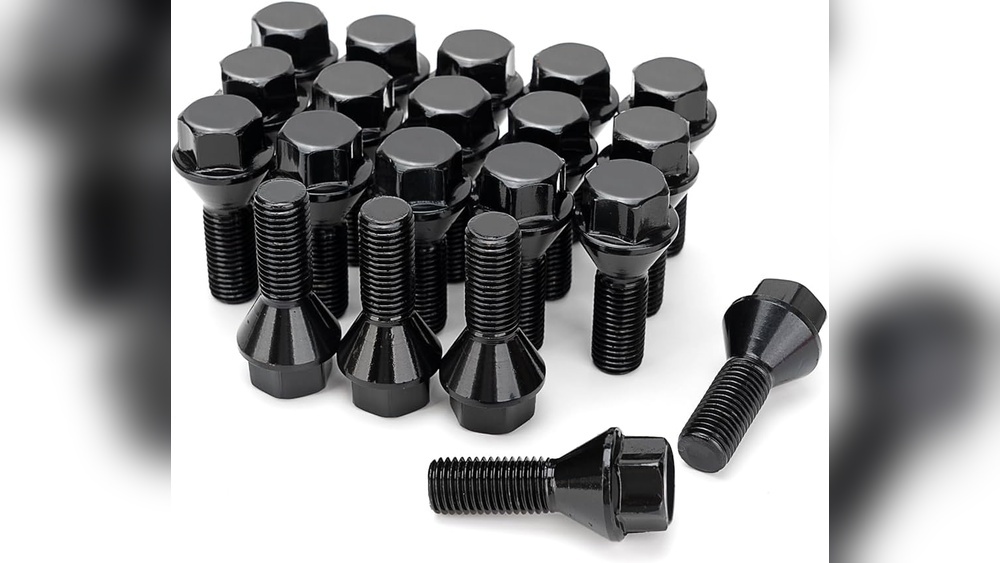
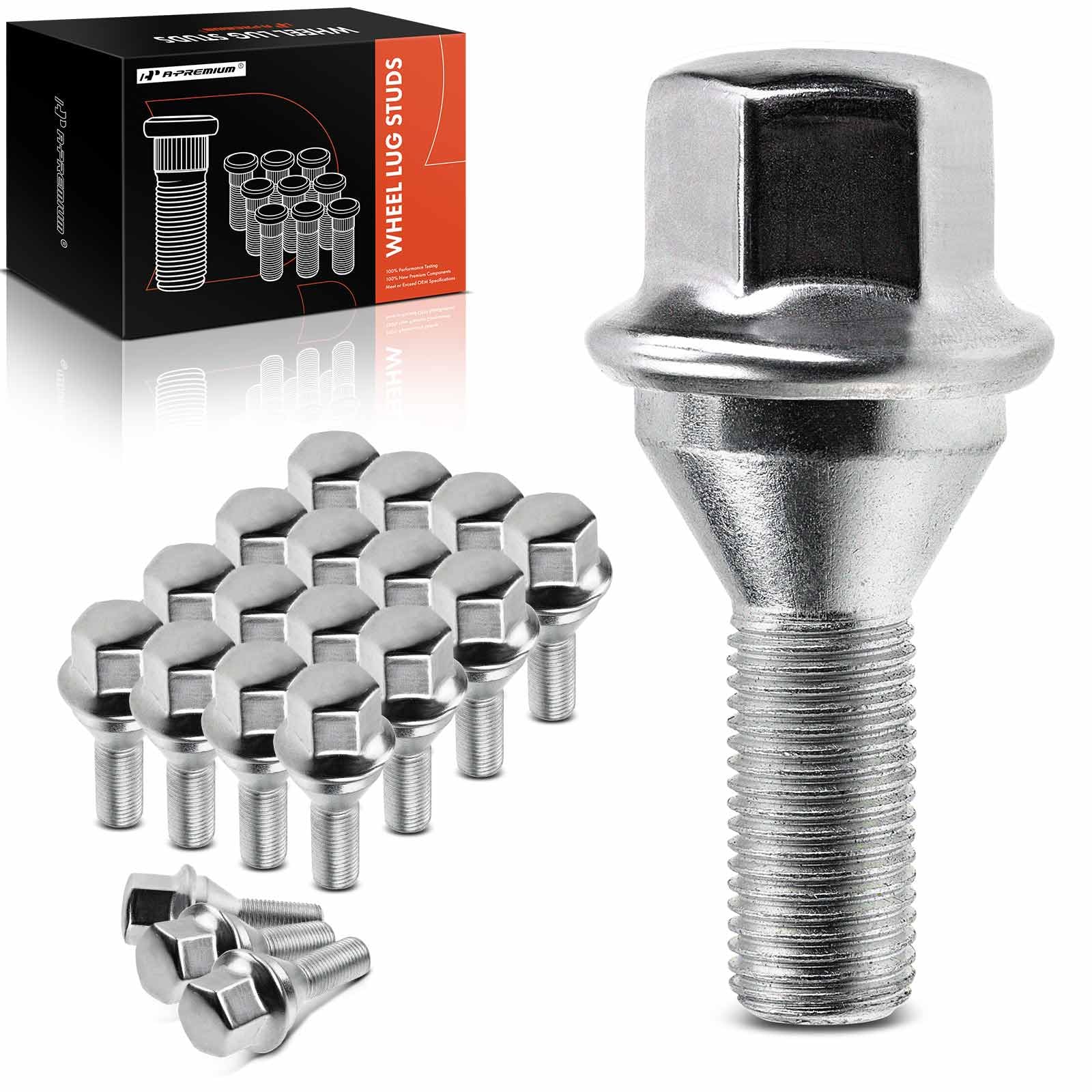
Changing wheel studs on your Jeep Cherokee is a task many car owners can do themselves with basic tools and some patience. Wheel studs are the threaded bolts that hold your wheels onto the hub.
Over time, they can get damaged or worn, especially if wheels are removed often or lug nuts are overtightened.
If a stud breaks, it’s important to replace it quickly for safety. This guide will help you learn how to change wheel studs on a Jeep Cherokee, step by step, even if you’re not a mechanic.
You’ll find practical advice, avoid common mistakes, and learn useful tips that save time and prevent frustration.
Why Wheel Studs Matter
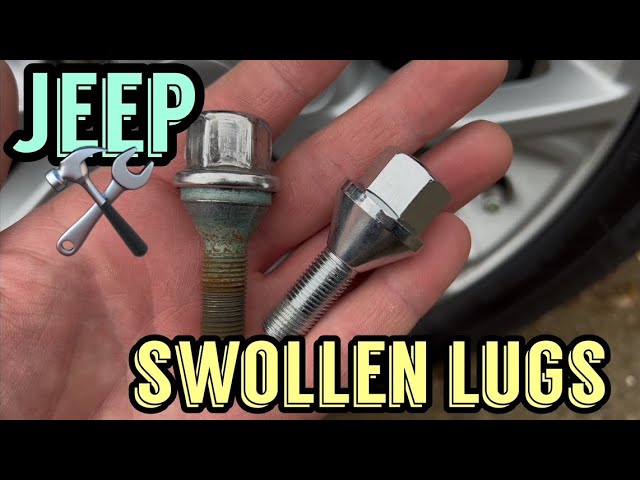
Wheel studs keep your wheels firmly attached to your vehicle. If one or more are damaged, your wheel can become loose, leading to vibration, poor handling, or even wheel separation while driving. For the Jeep Cherokee, strong wheel studs are especially important because the vehicle is often used for off-road driving or towing, which puts extra stress on these parts.
Signs Your Wheel Studs Need Replacement
- Visible damage: Cracked, bent, or stripped threads
- Missing studs: One or more studs broken off
- Difficulty tightening lug nuts: Lug nuts won’t stay tight or spin without gripping
If you notice any of these issues, replace the affected studs immediately.
Tools And Materials You’ll Need
Before starting, gather the right tools and replacement parts. Using the correct equipment makes the job easier and safer.
- New wheel studs (specific to your Cherokee’s year/model)
- Lug nuts (if old ones are damaged)
- Socket set and ratchet
- Breaker bar
- Torque wrench
- Hammer
- Punch tool
- Wheel chocks
- Jack and jack stands
- Screwdriver or pry bar
- WD-40 or penetrating oil
- Safety gloves and eye protection
Many beginners forget to use penetrating oil on rusty studs—this is a key step that saves time.
Preparing Your Jeep Cherokee
Working safely is the most important part of any repair. Follow these steps before you start:
- Park on a level surface and engage the parking brake.
- Place wheel chocks behind the wheels that will stay on the ground.
- Loosen the lug nuts on the affected wheel slightly, but do not remove them yet.
- Lift the vehicle with a jack and secure it with jack stands. Never rely only on the jack.
- Remove the wheel completely.
Most Cherokee owners overlook using wheel chocks, but skipping this step can make the vehicle roll unexpectedly.
Removing The Damaged Wheel Studs
Changing wheel studs is not very complicated, but it does require careful work. Here’s how you remove the damaged studs:
- Remove the brake caliper and rotor: Use a socket and ratchet to unbolt the caliper. Set it aside, not hanging by the brake hose. Slide the rotor off.
- Locate the damaged stud(s): Identify which studs need replacement.
- Apply penetrating oil: Spray WD-40 on the stud’s base. Wait a few minutes for it to soak in.
- Knock out the stud: Use a hammer and punch to drive the stud out from the back of the hub. Be firm but careful not to damage the hub.
If the stud won’t budge, try more penetrating oil and use a larger hammer. Sometimes Cherokee hubs have extra tight studs.
Installing New Wheel Studs
Putting in new wheel studs is easier if you follow these steps:
- Insert the new stud: Slide the new stud into the hole from the back of the hub.
- Seat the stud: Place a few washers over the stud, then screw on an old lug nut backwards (flat side against the washers).
- Tighten the lug nut: Use a socket and ratchet to pull the stud into place. The washers help the stud seat evenly.
- Check alignment: Make sure the stud is flush with the back of the hub.
Many beginners forget to use washers. This can cause the stud to seat unevenly and damage the hub.
Reassembling The Wheel
After installing new studs, reassemble everything:
- Reinstall the brake rotor: Slide it back onto the hub.
- Bolt the caliper back on: Tighten the bolts securely.
- Mount the wheel: Put the wheel back on and hand-tighten the lug nuts.
- Lower the vehicle: Carefully remove jack stands and lower the car.
- Torque the lug nuts: Use a torque wrench to tighten each lug nut to the manufacturer’s spec (usually 100 ft-lbs for Jeep Cherokee).
Here’s a comparison of torque specs for different Jeep Cherokee models:
| Model Year | Torque Spec (ft-lbs) | Lug Nut Size |
|---|---|---|
| 2014-2022 | 100 | 1/2″-20 |
| 2000-2013 | 95 | 1/2″-20 |
| 1990-1999 | 85 | 7/16″-20 |
Always check your owner’s manual for the exact torque value.
Common Mistakes To Avoid
Changing wheel studs is simple, but small mistakes can cause problems. Here are some you should watch out for:
- Overtightening lug nuts: This can strip threads or break studs.
- Using the wrong stud size: Check your Cherokee’s specs before buying replacements.
- Failing to seat the stud fully: An uneven stud can cause vibration and wheel damage.
- Skipping torque check: Always use a torque wrench. Hand-tightened lug nuts are often too loose.
Most people forget to check the back side of the hub for flush fit. This is a non-obvious but critical detail.
How Long Does It Take?
Changing wheel studs on a Jeep Cherokee usually takes 1 to 2 hours if you have the right tools and some experience. Beginners may need up to 3 hours. If studs are rusty or stuck, expect the job to take longer.
Here’s a quick breakdown of the time needed for each step:
| Step | Estimated Time | Difficulty Level |
|---|---|---|
| Preparation | 15 min | Easy |
| Removing wheel & brake parts | 20 min | Medium |
| Removing old stud | 15 min | Medium |
| Installing new stud | 15 min | Medium |
| Reassembly | 15 min | Easy |
| Final torque check | 5 min | Easy |
Practical Tips For Success
- Buy extra studs: Sometimes a new stud gets damaged during installation. Having extras prevents delays.
- Clean the hub: Before installing new studs, clean the hub with a wire brush. Dirt and rust make installation harder.
- Check all studs: If one stud is damaged, others may be close to failure. Inspect all studs before finishing.
- Record torque values: Write down the torque spec and keep it in your glove box for future reference.
Beginners often skip cleaning the hub, but this can cause future problems with wheel vibration.
Jeep Cherokee Stud Replacement Costs
If you prefer not to do it yourself, here’s a comparison of typical costs for professional stud replacement:
| Service Type | Average Cost (USD) | Turnaround Time |
|---|---|---|
| Dealership | $120-$180 | Same day |
| Independent shop | $90-$130 | Same day |
| DIY (parts only) | $10-$30 | 2-3 hours |
DIY is cheaper but requires patience and care.
Safety Reminders
- Always wear gloves and eye protection. Small metal parts can cause injury.
- Never work under a car supported only by a jack.
- Check wheel lug torque after driving 50 miles.
When To Seek Professional Help
If you run into any of these issues, it’s best to get help:
- Excessive rust or corrosion: Studs and hubs may need replacement.
- Cross-threaded lug nuts: Removing these often requires special tools.
- Difficulty removing brake components: Some Cherokee models have tight, rusted bolts.
You can find more safety tips and best practices at NHTSA.
How Do I Know Which Wheel Stud Fits My Jeep Cherokee?
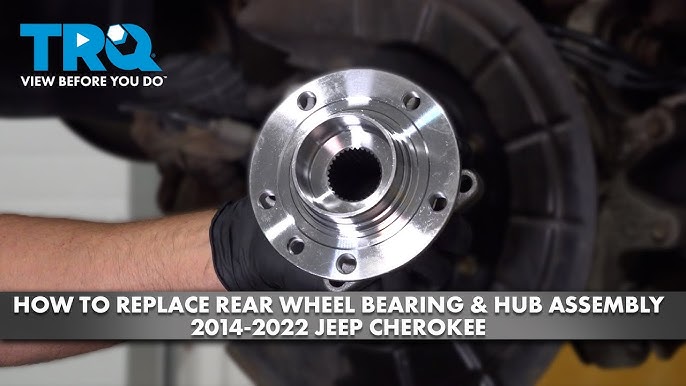
Check your owner’s manual or consult a parts store. Studs must match your Cherokee’s year and model.
Using the wrong size can cause wheel vibration or loose wheels.
Can I Drive With A Broken Wheel Stud?
It’s not safe. Even with one missing stud, the wheel can loosen and cause dangerous situations, especially during hard braking or off-road driving.
Do I Need To Replace All Studs If One Breaks?
No, but it’s smart to inspect the others. If you see signs of damage or corrosion, replace all studs on that wheel for safety.
Is It Hard To Change Wheel Studs Myself?
It’s not very hard if you have basic tools and follow instructions. The most difficult part is removing stuck studs. Take your time and use penetrating oil.
How Often Should Wheel Studs Be Checked?
Check wheel studs whenever you rotate tires or notice wheel vibration. Regular inspection prevents unexpected failures and keeps your Cherokee safe.
Replacing wheel studs on your Jeep Cherokee is a straightforward job that saves money and helps you understand your vehicle better. With the right tools, careful steps, and attention to detail, you can do this job confidently and safely.
Always double-check torque values and inspect all studs for wear.
This small repair keeps your wheels secure, your ride smooth, and your adventures worry-free.