If you own a Jeep Cherokee and suddenly the lights won’t turn on, it can be frustrating and even dangerous, especially if you drive at night. Many owners experience this problem at some point, and it’s not always easy to know where to start. The good news is, most lighting issues can be fixed with some basic troubleshooting. This guide will help you understand why your Cherokee’s lights are off, how to find the real cause, and what steps you can take to fix the problem safely and confidently.
Common Reasons Jeep Cherokee Lights Won’t Turn On
When the lights on your Jeep Cherokee are off, it can be due to several causes. Let’s look at the most common ones:
- Burnt-out bulbs – Headlights, taillights, or interior lights can all fail if the bulb is old or defective.
- Blown fuses – A fuse protects the electrical system. If it blows, the circuit breaks, and the lights won’t work.
- Bad relays – Relays control the power to the lights. A faulty relay can stop electricity from reaching the bulbs.
- Wiring issues – Damaged or corroded wires interrupt power flow.
- Faulty light switch – The switch might wear out or become loose over time.
- Battery or alternator problems – Weak batteries or charging system problems can cause all electrical parts to fail.
- Bad ground connection – If the ground wire is loose or rusted, the circuit can’t complete.
- Body Control Module (BCM) issues – This computer controls many electronics, including the lights.
Even a simple problem, like a loose connector, can turn off your lights. But sometimes, it’s a mix of issues.
Quick Safety Checks Before You Start
Before you begin any repair:
- Park your Jeep on a flat surface and set the parking brake.
- Turn off the engine and remove the key.
- If you’re working with electrical parts, disconnect the negative battery cable to avoid shocks.
- Keep a flashlight nearby if you’re working in dim light.
If you’re unsure or see burned wires or a smell of burning, stop and call a professional. Never ignore major electrical smells or visible smoke.
Step-by-step Guide: Diagnosing And Fixing Jeep Cherokee Lights
Let’s walk through the steps to find and fix the problem. You don’t need expensive tools, just a little patience and attention.
Step 1: Check The Bulbs
Start with the simplest check:
- Remove the light cover and gently take out the bulb.
- Examine the filament (the wire inside the bulb). If it’s broken or blackened, the bulb is dead.
- Try replacing the bulb with a new one of the same type.
Tip: Always handle new bulbs with clean gloves. Oils from your fingers can shorten their life.
Step 2: Inspect The Fuses
Your Cherokee has a fuse box under the hood and sometimes inside the cabin. Fuses protect every electrical circuit.
- Open the fuse box and use the diagram inside the cover to find the headlight or taillight fuse.
- Pull the fuse out with a fuse puller or needle-nose pliers.
- Hold it up to the light. If the metal strip inside is broken, the fuse is blown.
- Replace it with a new fuse of the same amperage.
Here’s a comparison to help you recognize fuse types:
| Fuse Type | Color | Amperage (A) | Common Use |
|---|---|---|---|
| Mini | Red | 10 | Tail/Interior Lights |
| Micro2 | Blue | 15 | Headlights |
| Standard | Yellow | 20 | Accessory Power |
Insight: Fuses sometimes look fine but are still bad. Try swapping with a known good fuse if you’re not sure.
Step 3: Test The Light Switch
The light switch can wear out, especially in older Cherokees.
- Wiggle the switch back and forth. If the lights flicker or come on, the switch is likely faulty.
- Try turning on other lights (like fog lights). If only one setting doesn’t work, the switch may be the issue.
Pro Tip: Some Cherokees have a dial that controls dash brightness. Turning this too far can accidentally turn off the interior lights.
Step 4: Check Relays And Connectors
Relays act like small switches. If a relay fails, the circuit won’t close.
- Find the relay box (often near the fuse box).
- Listen for a click when you turn the lights on. No sound can mean a bad relay.
- Swap the relay with another of the same type to test.
Here’s a quick look at the difference between relays and fuses:
| Component | Main Function | Common Failure Sign |
|---|---|---|
| Fuse | Protects circuit from overload | Broken metal strip |
| Relay | Switches power on/off | No clicking sound |
Also, check the connectors for corrosion or looseness. Clean dirty contacts with electrical cleaner and reconnect.
Step 5: Inspect Wiring And Grounds
Wiring problems are harder to spot, but important:
- Look for broken, frayed, or burnt wires near the lights and fuse box.
- Check for corrosion or greenish buildup on wire ends.
- Find the ground wire (often black) attached to the body. Make sure it’s tight and free of rust.
Tip: Even a little corrosion can stop your lights. Clean with a wire brush and tighten the connection.
Step 6: Test The Battery And Charging System
A weak battery or failing alternator can cause all your lights to go out.
- Try turning on the horn or radio. If they don’t work, the battery may be dead.
- Use a multimeter to check battery voltage (should read 12.6V or more when off).
- With the engine running, voltage should rise to 13.7–14.7V. If not, the alternator may be failing.
Non-obvious insight: Sometimes, problems only happen when driving at night or with many accessories on. This points to a weak alternator, not just a dead battery.
Step 7: Scan For Bcm Or Computer Errors
If everything else checks out, the Body Control Module (BCM) or related electronics may be the problem.
- Many auto parts stores will scan your Jeep for error codes for free.
- Look for codes related to lighting or BCM failure.
- Sometimes, resetting the system by disconnecting the battery for 15 minutes helps.
Warning: BCM issues can affect many parts of your car, not just the lights. This repair is often best left to a professional.
When To Call A Mechanic
Some lighting problems need advanced tools or skills. Call a mechanic if:
- You smell burning plastic or see melted wires.
- The lights flicker or turn off while driving.
- You replaced bulbs and fuses, but nothing works.
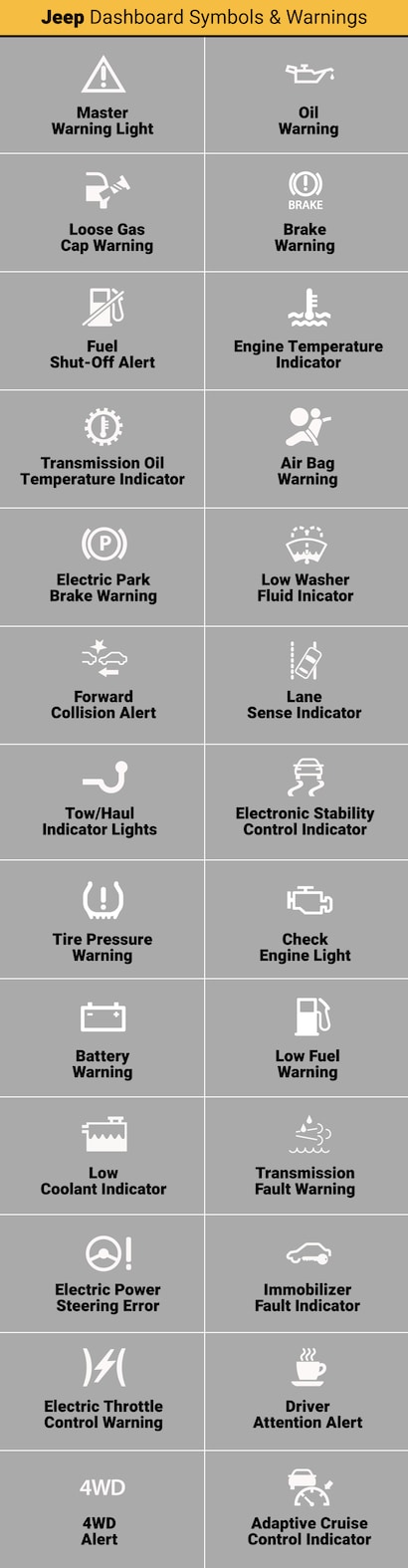
- The dashboard shows warning lights.
Professional help is especially important for computer or wiring harness issues. Modern Cherokees have complex electronics that can be tricky to fix at home.
Preventing Future Lighting Problems
A few simple habits can keep your Jeep Cherokee lights working longer:
- Replace bulbs in pairs – If one goes out, the other is likely to fail soon.
- Use the correct wattage and type for your model.
- Keep fuse and relay boxes clean and dry.
- Check battery terminals for corrosion every few months.
- Avoid using high-powered accessories at the same time as your lights.
- Consider periodic inspections by a trusted mechanic.
Non-obvious insight: Switching to LED bulbs can last longer and use less power, but only if your Cherokee supports them. Some models need special adapters to prevent flickering.
Example: Fixing A 2016 Jeep Cherokee Headlight
Let’s say your 2016 Jeep Cherokee’s right headlight is off. Here’s how you might fix it:
- Open the hood and locate the back of the headlight assembly.
- Twist and remove the headlight bulb socket.
- Check the bulb. If it’s dark or broken, replace it with a new H11 bulb.
- If the new bulb doesn’t work, check the headlight fuse in the box under the hood.
- Swap the headlight relay with the high beam relay to test.
- If still off, check wiring and ground near the headlight.
- If all else fails, have a shop scan for error codes.
This process covers 90% of common light-off problems for most Jeep Cherokees.

Cost Comparison: Diy Vs. Mechanic
Fixing your own lights can save money, but sometimes paying for expertise is best. Here’s a rough cost breakdown:
| Repair Step | DIY Cost (USD) | Mechanic Cost (USD) |
|---|---|---|
| Bulb Replacement | $10–$30 | $40–$80 |
| Fuse/Relay Swap | $5–$20 | $30–$60 |
| Wiring Repair | $15–$50 | $100–$300 |
| BCM Diagnosis | $0–$50 (code scan) | $100–$250 |
For most owners, changing bulbs or fuses is easy and cheap. Complex problems like wiring or BCM faults are worth the extra cost for expert help.
Where To Find More Information
Jeep’s official website and forums can provide wiring diagrams and advice. For detailed technical data, see the Jeep Cherokee Wikipedia page.
Why Are All My Jeep Cherokee Lights Off At Once?
This usually points to a blown main fuse, a failed relay, or a battery/alternator problem. Check fuses and relays first, then test your battery.
Can A Bad Ground Cause Only One Light To Fail?
Yes, a bad ground connection can stop power from reaching just one light or even cause flickering. Check the wire connections at the frame near the failed light.
Is It Safe To Drive With No Lights On My Jeep Cherokee?
No, it’s unsafe and illegal to drive at night or in bad weather without working lights. Fix the problem before driving or call for roadside help.
Do I Need Special Tools To Fix Jeep Cherokee Lights?
Most fixes need only basic tools: a screwdriver, pliers, and a multimeter. For advanced problems like wiring or BCM issues, specialized tools and knowledge are needed.
Will Led Bulbs Solve All Light Problems?
LED bulbs last longer but won’t fix wiring, fuse, or relay issues. Make sure your Jeep supports LEDs before installing, as some models need adapters to avoid flickering.
Fixing Jeep Cherokee lights that are off is usually simple if you follow these steps. With a little care and the right checks, you can get back on the road safely and confidently.