Getting comfortable behind the wheel of your 2018 Jeep Cherokee is about more than just adjusting your seat. The position of your steering wheel plays a huge role in how well you can drive, how safe you feel, and even how tired you get on long trips. Many drivers don’t realize how simple it is to adjust the steering wheel to fit their body and driving style. If you’ve just bought a 2018 Jeep Cherokee or want to improve your driving position, making the right adjustments is easier than you think.
This step-by-step guide will help you understand the process, avoid common mistakes, and get the most out of your Cherokee’s features.
We’ll also look at some tips that most people miss, show you how the adjustments compare to other vehicles, and answer the most common questions owners have.
Why Steering Wheel Position Matters
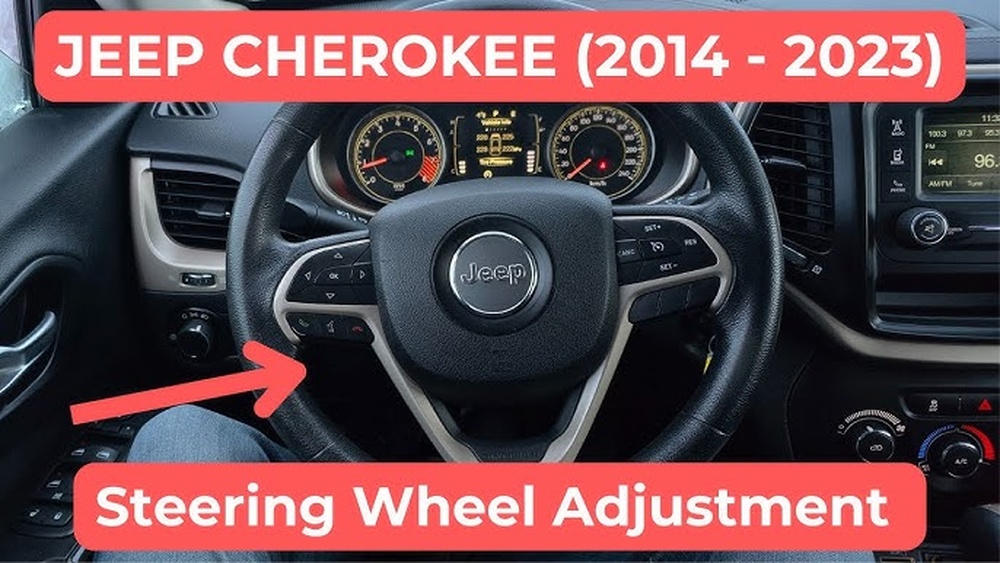
The steering wheel is your main connection to your vehicle. If it’s not in the right place, it can cause strain in your arms, shoulders, and back. Poor positioning may also reduce your reaction time and even block your view of important dashboard indicators.
A well-adjusted wheel helps you:
- See the road and dashboard clearly
- Keep your hands in a safe 9-and-3 position
- Reduce fatigue on long drives
- Prevent accidents by improving control
Some drivers, especially beginners, overlook the importance of small changes. Even a one-inch adjustment can make a big difference in comfort and safety.
Getting Ready To Adjust Your Steering Wheel
Before you start, it’s important to:
- Park your Jeep Cherokee on a flat surface
- Turn off the engine and engage the parking brake
- Make sure your seat and mirrors are already adjusted
A good driving position starts with your seat. Adjust it so your feet reach the pedals comfortably, your knees are slightly bent, and your back is supported. Only then should you adjust the steering wheel.
Step-by-step: Adjusting The Steering Wheel In A 2018 Jeep Cherokee
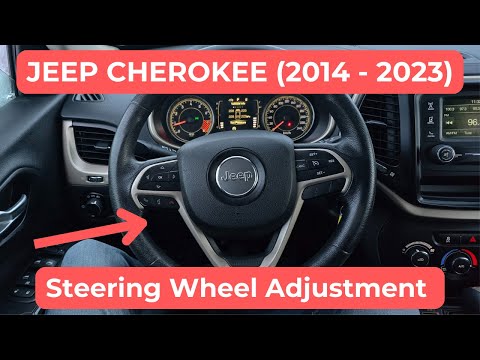
Most 2018 Jeep Cherokees come with a manual tilt and telescoping steering wheel. This means you can move the wheel up and down (tilt), and closer or farther from your body (telescoping).
1. Locate The Adjustment Lever
The lever is usually found under the steering column, close to where the wheel meets the dashboard. Look for a small handle or lever you can pull down or outward.
2. Unlock The Steering Wheel
Pull the lever down (or out, depending on your model). This unlocks the steering wheel so you can move it.
3. Adjust The Tilt
Move the wheel up or down until your hands rest comfortably at 9 and 3 o’clock, and your arms have a slight bend. The top of the wheel should not block your view of the dashboard gauges.
4. Adjust The Telescoping Position
Slide the wheel toward you or push it away. Your wrists should rest on top of the wheel when you stretch your arms forward, but your shoulders should stay against the seat.
5. Lock The Steering Wheel
When you’re happy with the position, push the lever back up or in to lock the wheel in place. Tug gently to make sure it’s secure.
6. Double-check Your Position
Sit back, hold the wheel, and check your mirrors and gauges. Make sure you can see everything clearly and reach all controls.
Tips Most Drivers Miss
Many people stop after basic adjustments. Here are two details that can make a big difference:
- Airbag Safety: The steering wheel’s center (where the airbag is) should point at your chest, not your face or stomach. This helps the airbag protect you better in a crash.
- Distance From Steering Wheel: Keep at least 10 inches between your chest and the wheel. Sitting too close is dangerous if the airbag deploys.
Common Mistakes To Avoid
- Forgetting to lock the wheel: If you don’t lock the lever, the wheel might move while you’re driving.
- Blocking the dashboard: If your wheel is too high or low, you might not see warning lights or your speed clearly.
- Sitting too far or too close: Both can cause discomfort and reduce safety.
Comparing Steering Wheel Adjustments: Jeep Cherokee Vs. Other Suvs
How does the 2018 Jeep Cherokee’s steering wheel adjustment compare to similar SUVs? Here’s a quick look:
| Vehicle | Tilt Adjustment | Telescoping Adjustment | Power Adjustment |
|---|---|---|---|
| 2018 Jeep Cherokee | Manual | Manual | No |
| 2018 Honda CR-V | Manual | Manual | No |
| 2018 Toyota RAV4 | Manual | Manual | No |
| 2018 Ford Escape | Manual | Manual | No |
Most SUVs in this class use manual levers. If you want power adjustment, you’ll need to look at luxury models.
Extra Features In The 2018 Jeep Cherokee Steering Wheel
Besides tilt and telescoping, the 2018 Cherokee offers some handy features:
- Audio and cruise control buttons: Let you control music and speed without taking your hands off the wheel.
- Heated steering wheel (on some trims): Great for cold mornings.
Check your trim level to see which features you have.
Adjusting For Different Drivers
If more than one person drives your Jeep Cherokee, you’ll need to readjust the wheel every time. Some luxury cars have memory settings that remember your position, but the 2018 Cherokee does not.
Here’s how to make switching easier:
- Agree on a neutral position that works for all drivers, if possible
- Remind all drivers to adjust the wheel for their own safety
- Show new drivers or family members how to use the adjustment lever
When The Steering Wheel Won’t Adjust
If your steering wheel is stuck or the lever won’t move, check these things:
- Is the car in park and turned off?
- Is there any debris or damage around the lever?
- Does the lever move at all, or is it jammed?
If you can’t solve the problem, it’s best to visit a certified Jeep mechanic. Forcing the lever can cause expensive damage.
Steering Wheel Comfort And Health
Long drives can cause shoulder and neck pain if your steering wheel isn’t set up right. According to the American Chiropractic Association, proper wheel and seat adjustment can help reduce fatigue and pain by up to 30%. For extra comfort, consider these tips:
- Take breaks every hour on long trips
- Stretch your arms and shoulders before driving
- Use the lumbar support on your seat, if available
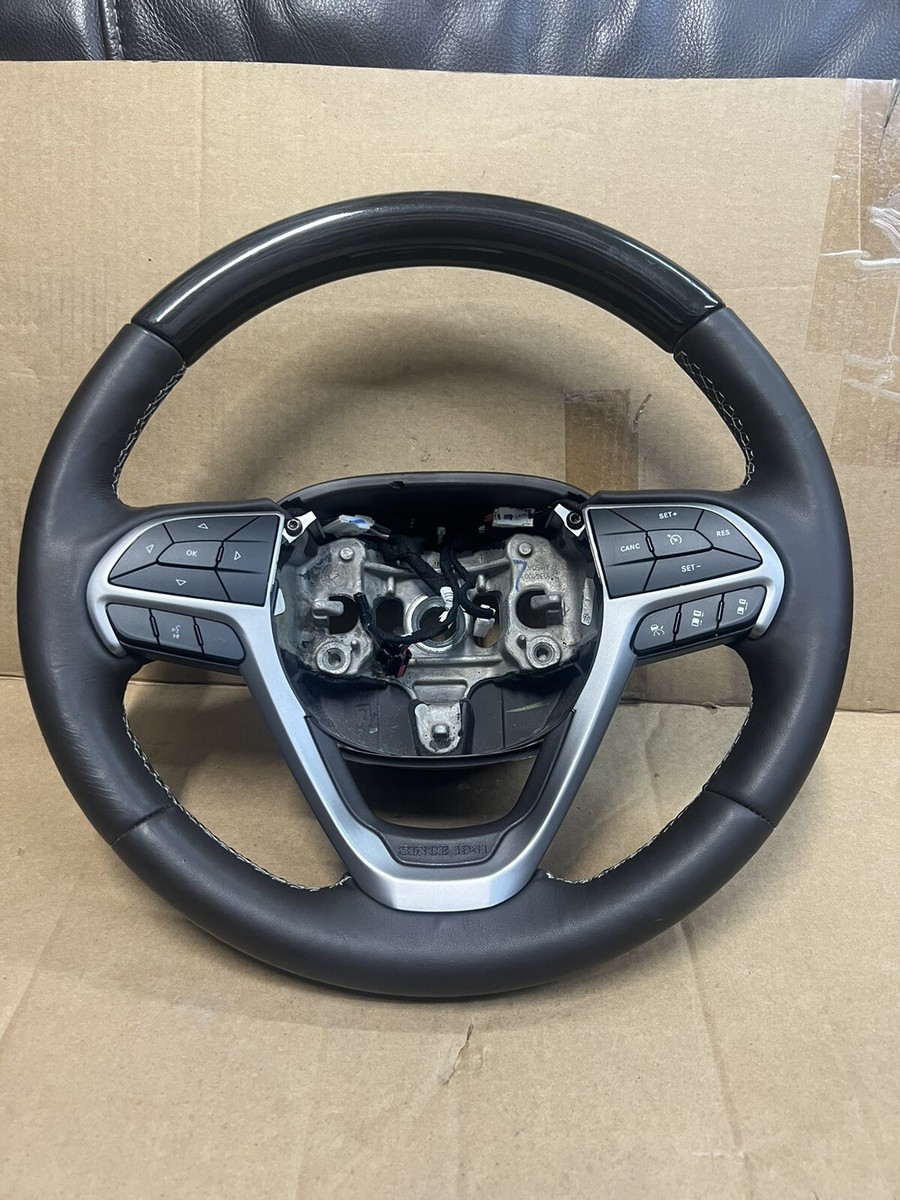
Steering Wheel Adjustments And Safety
Proper steering wheel adjustment goes beyond comfort. A study from the National Highway Traffic Safety Administration (NHTSA) found that drivers with poor wheel position were slower to react in emergency situations. This can increase the risk of accidents.
Here’s a safety checklist:
- Can you reach the wheel without leaning forward?
- Are your elbows slightly bent?
- Is your view of the road and dashboard clear?
- Is your chest at least 10 inches from the wheel?
- Is the airbag pointed at your chest?
If you answer “no” to any of these, re-adjust your position.
Quick Reference Guide
For fast reminders, keep this simple checklist in your glove box:
- Park and turn off the car
- Adjust your seat first
- Pull the steering wheel adjustment lever
- Tilt and telescope to the best position
- Lock the lever
- Check your view and reach
- Make sure the airbag points at your chest
- Keep 10 inches from the wheel
Real-world Example: Improving Comfort On A Road Trip
Sarah, a 2018 Jeep Cherokee owner, noticed back pain after long drives. She realized her steering wheel was too far away, making her reach forward.
By moving the wheel closer and slightly lower, she felt immediate relief. This small change made her trips safer and more enjoyable.
Data: Driver Preferences On Steering Wheel Position
A survey by AAA in 2021 showed that:
- 62% of drivers do not adjust their steering wheel after buying a new car
- 39% sit too close to the wheel, risking airbag injury
- 18% accidentally block their dashboard
These numbers show how important it is to take a few minutes and set up your wheel correctly.
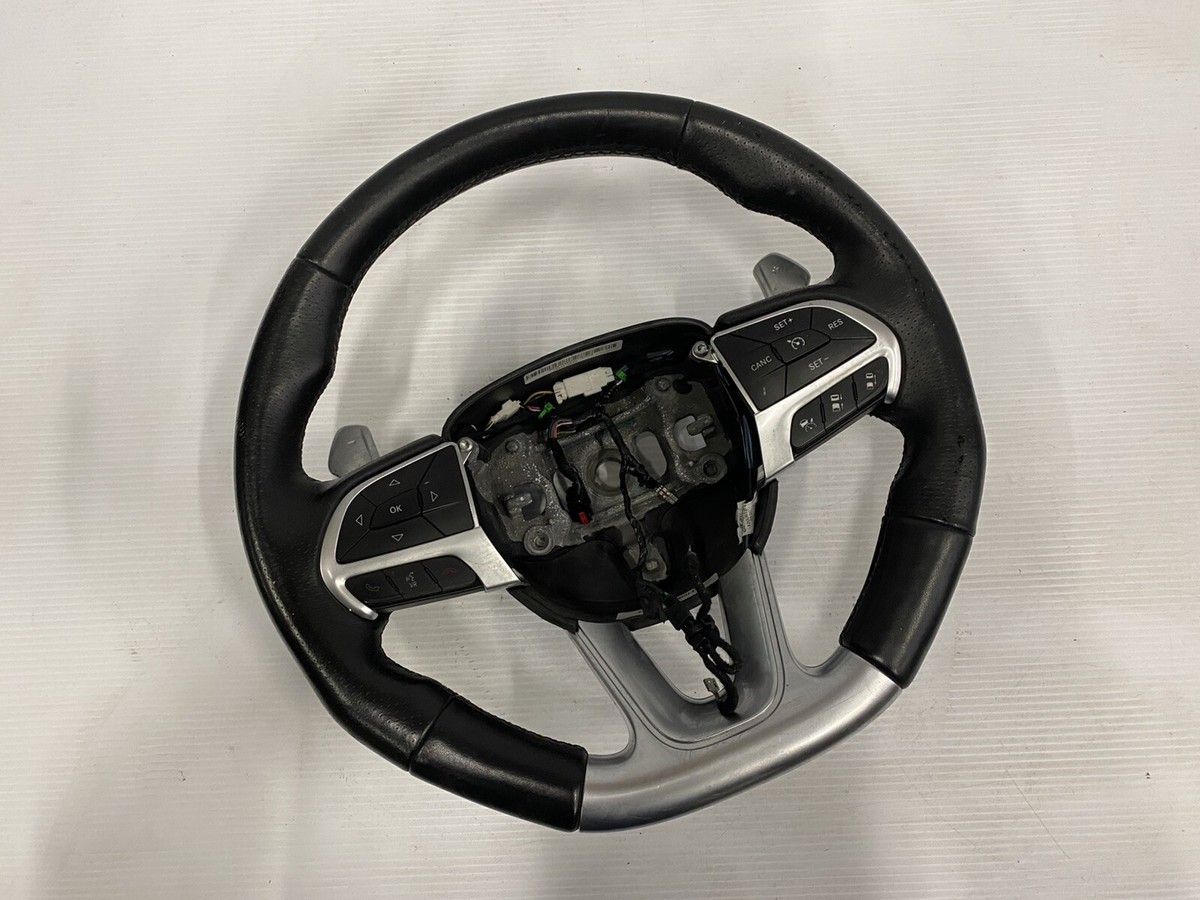
Table: Steering Wheel Adjustment Range In The 2018 Jeep Cherokee
Here’s what you can expect from the adjustment options:
| Adjustment | Range | How to Adjust |
|---|---|---|
| Tilt | Up to 2.5 inches up/down | Move wheel up/down after unlocking |
| Telescoping | Up to 2 inches in/out | Pull or push wheel after unlocking |
These ranges are enough for most drivers, but very tall or short people may want to test the fit before buying.
When To Adjust The Steering Wheel
- After another driver uses your vehicle
- After getting your car serviced
- When you notice discomfort or pain
- If your view of the dashboard changes
It only takes a minute and can make a big difference in comfort and safety.
Additional Resources
For visual learners, Jeep’s official owner’s manual includes diagrams and instructions. You can also visit the official Jeep website for more tips and support: Jeep Owners.
How Often Should I Adjust My Steering Wheel?
Adjust your steering wheel whenever your seat position changes or if another driver has used your car. It’s good practice to check your position every few months to make sure you’re still comfortable and safe.
Is There A Power Steering Wheel Adjustment Option In The 2018 Jeep Cherokee?
No, all 2018 Jeep Cherokee models use a manual lever for both tilt and telescoping adjustments. There is no power adjustment feature available for this year.
What Should I Do If My Steering Wheel Adjustment Lever Is Stuck?
First, make sure the car is in park and turned off. Check for any debris or damage around the lever.
If it still won’t move, visit a certified Jeep mechanic instead of forcing it.
Can I Adjust The Steering Wheel While Driving?
Never adjust the steering wheel while the car is moving. Always stop the vehicle in a safe place, put it in park, and turn off the engine before making any changes.
Will Adjusting The Steering Wheel Affect My Airbag?
Yes, the steering wheel position can affect how well the airbag works. Make sure the airbag points at your chest and that you are at least 10 inches away for the safest protection.
Adjusting the steering wheel in your 2018 Jeep Cherokee is a simple step that can make driving safer and more comfortable. With the right position, you’ll enjoy better control, less fatigue, and added peace of mind on every journey. Don’t overlook this small but crucial part of your driving routine.