Changing the wheel bearing on a Jeep JK is a task that many owners face, especially as their vehicles age or when off-road adventures put extra stress on the suspension. While it may sound intimidating, with some basic tools, patience, and the right guidance, you can handle this repair at home. This article will walk you through every important step, highlight common mistakes, and share practical tips that often go unnoticed. By the end, you’ll know not only how to change your wheel bearing but how to do it safely and confidently.
Understanding Wheel Bearings On Jeep Jk
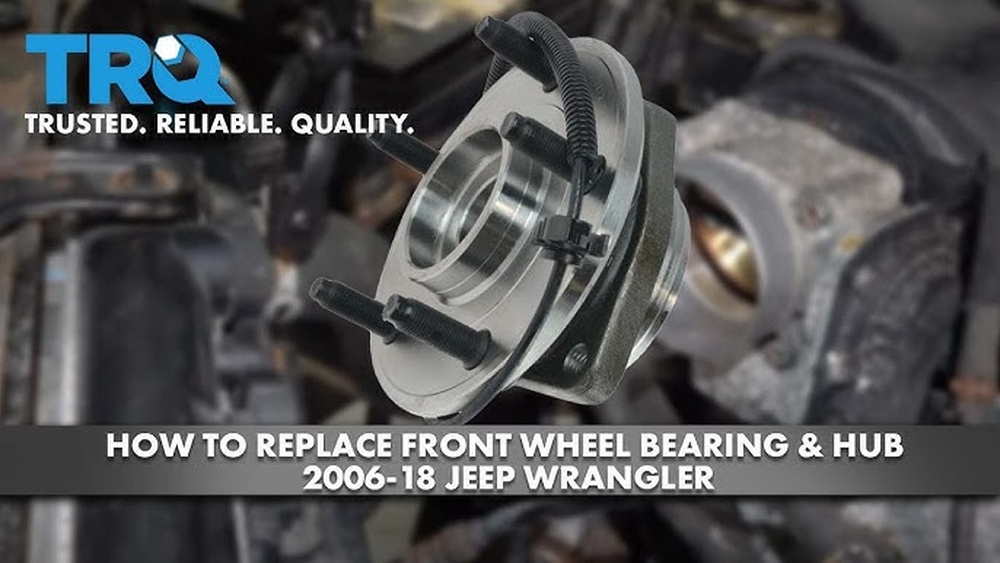
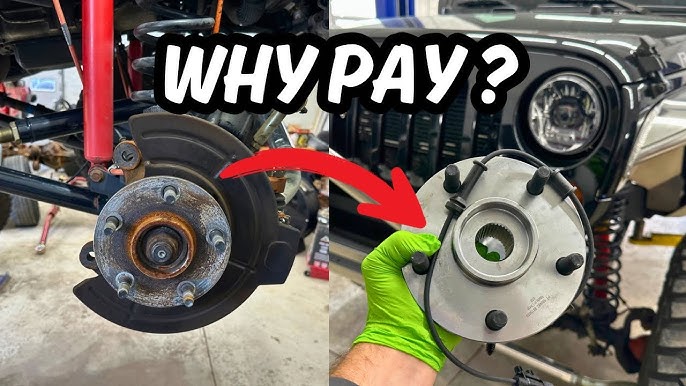
The wheel bearing is a crucial component. It allows your wheels to spin smoothly with minimal friction. In the Jeep JK, the wheel bearing is integrated with the hub assembly—a design called a “unit bearing.” Unlike older vehicles with separate bearings and races, this means you replace the whole hub unit.
Symptoms of a bad wheel bearing include:
- A loud humming or growling noise from the wheels, especially as speed increases.
- Vibration in the steering wheel.
- Uneven tire wear.
- Wheel wobble or excessive play when you shake the wheel.
Ignoring these symptoms can lead to dangerous driving conditions, damage to other suspension parts, or even wheel separation. Most wheel bearings last between 70,000 and 100,000 miles, but off-road use can shorten their lifespan.
Tools And Parts Needed
Before starting, gather all necessary tools and parts. Missing something halfway can turn a simple job into a frustrating ordeal.
Essential tools:
- Socket set (including 13mm, 21mm, and 36mm sockets)
- Breaker bar
- Torque wrench
- Jack and jack stands
- Lug wrench
- Flathead screwdriver
- Hammer
- Needle-nose pliers
- Pry bar
- Penetrating oil
Parts:
- Replacement wheel bearing/hub assembly (make sure it’s for your specific Jeep JK year/model)
- New axle nut
- Anti-seize compound
Many beginners forget the importance of a torque wrench. Over-tightening or under-tightening the axle nut is a common mistake that can ruin the new bearing or cause safety issues.

Preparing Your Jeep Jk For The Job
Safety and preparation are key. Here’s how to get ready:
- Park your Jeep JK on a flat, stable surface.
- Engage the parking brake and chock the wheels.
- Loosen the lug nuts on the wheel you’ll work on—don’t remove them yet.
- Raise the Jeep with a jack and secure it with jack stands.
- Remove the wheel.
A practical tip: Take photos at each step, especially if you’re new to mechanical work. These photos can help you remember the order during reassembly.
Step-by-step Wheel Bearing Replacement
Let’s break down the process so you don’t miss anything.
Removing The Old Wheel Bearing
- Remove brake caliper and rotor
- Unbolt the caliper using the 13mm socket and hang it with zip ties or wire (never let it dangle by the brake hose).
- Slide off the rotor.
- Take off the axle nut
- Use the 36mm socket and breaker bar. Apply penetrating oil if it’s stuck. Don’t use an impact wrench unless you’re experienced—too much force can damage threads.
- Disconnect wheel speed sensor (if equipped)
- Use needle-nose pliers to unplug the sensor from the hub.
- Remove hub assembly bolts
- The JK hub is held by three 12-point bolts (usually 13mm or 21mm). Spray penetrating oil and use a breaker bar. These bolts can be tight from factory torque and rust.
- Pull out the hub assembly
- Tap the hub gently with a hammer if it’s stuck. A pry bar can help, but avoid damaging the axle shaft or knuckle.
Non-obvious insight: If the hub won’t budge, thread two bolts halfway back in and tap them with a hammer to push the hub out evenly. This prevents bending the backing plate.
Inspect And Clean
Before installing the new bearing:
- Clean the knuckle surface with a wire brush.
- Check the axle shaft for pitting or rust.
- Wipe off old grease and apply anti-seize compound to the mating surfaces.
Skipping this step can cause premature bearing failure or make future replacements difficult.
Installing The New Wheel Bearing
- Align the new hub assembly
- Slide the hub onto the axle shaft, making sure the splines line up.
- Bolt in the hub
- Insert the three hub bolts and tighten them. Use a torque wrench to match factory specs—usually 75-125 ft-lbs, but check your Jeep JK manual.
- Reconnect wheel speed sensor
- Plug the sensor back in, ensuring the wire is routed away from moving parts.
- Reinstall rotor and brake caliper
- Slide the rotor onto the hub.
- Bolt the caliper back in place and torque to 25-50 ft-lbs.
- Install new axle nut
- Thread the new nut on and torque to 125-150 ft-lbs. Always use a new nut; reused nuts may not hold torque correctly.
- Reinstall the wheel
- Tighten the lug nuts in a star pattern. Lower the Jeep and finish tightening to 95-110 ft-lbs.
Many people forget to check for free movement after installation. Spin the wheel by hand to ensure there’s no binding or grinding.
Comparison: Oem Vs Aftermarket Wheel Bearings
Choosing between OEM (Original Equipment Manufacturer) and aftermarket bearings can affect reliability and price. Here’s a simple comparison:
| Type | Cost | Durability | Warranty | Fitment |
|---|---|---|---|---|
| OEM | $150-$220 | 70,000-100,000 miles | 1-2 years | Perfect fit |
| Aftermarket | $80-$150 | 40,000-80,000 miles | 6-12 months | Sometimes minor adjustments |
If you drive off-road often, OEM bearings are usually worth the extra cost. For daily drivers, quality aftermarket options can save money.
Common Mistakes And How To Avoid Them
Even experienced mechanics can make errors. Here are mistakes to watch for:
- Skipping anti-seize compound
- Leads to rust and stuck hubs during future repairs.
- Incorrect torque
- Under-tightening causes play and noise; over-tightening can crush the bearing.
- Failing to clean mating surfaces
- Dirt can cause misalignment and quick wear.
- Not replacing the axle nut
- Old nuts may not lock, risking bearing failure.
- Ignoring wheel speed sensor
- Damaged sensors trigger ABS warning lights.
- Letting brake caliper hang by hose
- Can damage the hose, leading to brake failure.
Non-obvious tip: After finishing, drive at low speed and listen for unusual noises. Stop and re-check torque if you hear anything odd.
Jeep Jk Wheel Bearing Maintenance Tips
To extend the life of your new wheel bearing:
- Avoid deep mud and water crossings; water can seep into the bearing.
- Use quality parts, especially for off-road use.
- Inspect your wheels every oil change for play or roughness.
- Clean the area around the hub if you drive in salt or mud.
A surprising insight: Overloading your Jeep with heavy wheels or accessories puts extra strain on wheel bearings. Stick to factory specs to avoid premature failure.
Cost Breakdown: Diy Vs Professional Repair
How much can you save by doing this yourself? Let’s compare costs:
| Repair Option | Parts Cost | Labor Cost | Total Cost |
|---|---|---|---|
| DIY | $80-$220 | $0 | $80-$220 |
| Mechanic Shop | $120-$220 | $150-$300 | $270-$520 |
Doing it yourself can save $150-$300 per wheel. It also gives you confidence and knowledge for future repairs.
When Should You Replace Both Wheel Bearings?
Many people wonder if they should replace both bearings at the same time. Here are some guidelines:
- If one bearing failed due to mileage, the other is likely close to failing.
- If you hear noise from both sides, replace both.
- For off-road or high-mileage Jeeps, replacing both prevents future downtime.
However, if the other side shows no symptoms and is within normal mileage, you can wait.
Safety Considerations
Wheel bearing replacement is a moderate job, but safety is crucial:
- Always use jack stands; never rely on the jack alone.
- Wear safety glasses and gloves.
- If you’re unsure about torque specs, double-check with your Jeep JK manual.
- Don’t rush. Take breaks if you get frustrated—mistakes happen most when tired.
If you want more technical details or factory torque specs, the official Jeep Owner’s Manual is a reliable resource.
How Long Does It Take To Change A Wheel Bearing On A Jeep Jk?
For most people, it takes 1-2 hours per wheel, including setup and cleanup. If bolts are rusty or stuck, it can take longer.
Can I Drive With A Bad Wheel Bearing?
It’s not safe. A bad wheel bearing can cause wheel lock-up or separation, risking an accident. Replace it as soon as possible.
What Happens If I Don’t Torque The Axle Nut Correctly?
Incorrect torque can cause bearing failure, wheel wobble, or noise. Always use a torque wrench and follow factory specs.
Do I Need Any Special Tools?
Most tools are common, but a 36mm socket and a torque wrench are essential. Some shops use impact tools, but for DIY, manual tools are safer.
How Do I Know If The New Wheel Bearing Is Installed Correctly?
Spin the wheel by hand. It should move smoothly, with no noise or play.
Test drive at low speed and listen for any unusual sounds.
Changing your Jeep JK’s wheel bearing is a rewarding project. You save money, learn about your vehicle, and gain confidence for future repairs.
With careful steps, good tools, and attention to detail, you can make your Jeep JK safer and ready for the next adventure.