Driving a Jeep JK with four-wheel drive is exciting, but many people don’t know how to use all its features correctly. If you’re new to four-wheel drive systems or want to get the most out of your Jeep JK Standard, this guide will help. You’ll learn how to use each of the four main drive modes, when to switch, and what mistakes to avoid. With clear steps, practical tips, and real examples, you’ll feel confident behind the wheel—whether you’re on city roads, muddy trails, or snowy highways.
Understanding The Four Wheel Drive Modes In Jeep Jk Standard
The Jeep JK Standard comes with four distinct drive modes. Each mode is designed for specific driving conditions. Knowing when and how to use them is key for safety and performance.
- 2H (Two High)
- 4H (Four High)
- N (Neutral)
- 4L (Four Low)
Let’s dive into each mode, how to use it, and what you need to watch out for.
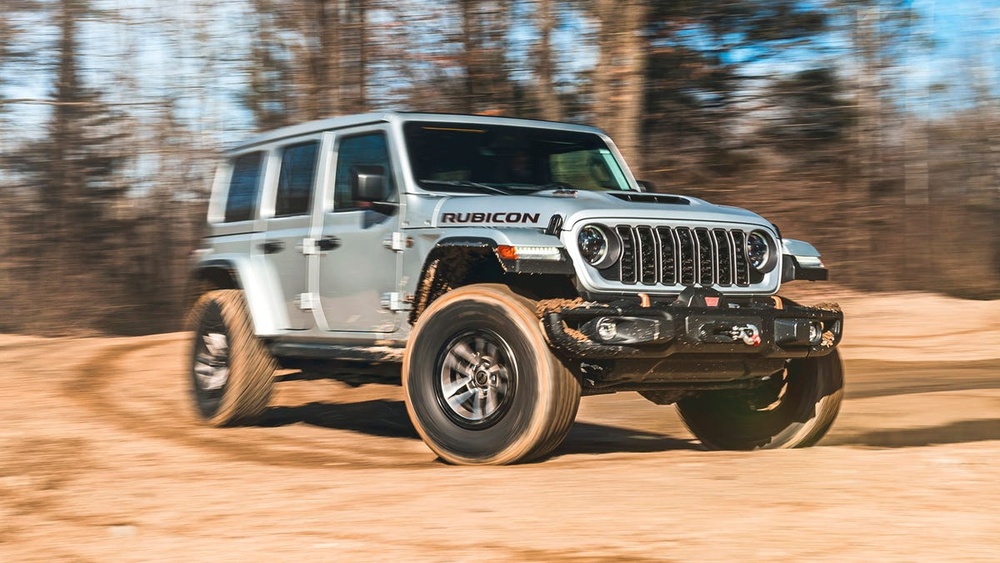
2h (two High): Everyday Driving
2H is the default mode for most roads and daily driving. In this setting, only the rear wheels get power.
When To Use 2h
- Dry, paved roads
- Regular city or highway driving
- Conditions with good traction
How To Engage 2h
- Start the Jeep and make sure you’re stopped or driving at a low speed.
- Move the shift lever to 2H. On the Jeep JK, this is usually the farthest position forward.
- You can switch between 2H and 4H while moving, but avoid sudden jerks.
Practical Tip
Many beginners think four-wheel drive should be used all the time. That’s a mistake. Using 4WD on dry pavement can cause unnecessary wear and reduce fuel efficiency. Always return to 2H after off-road or bad weather driving.
Example
If you’re commuting to work on a sunny day, keep your Jeep in 2H. You’ll get the best gas mileage and smoother handling.
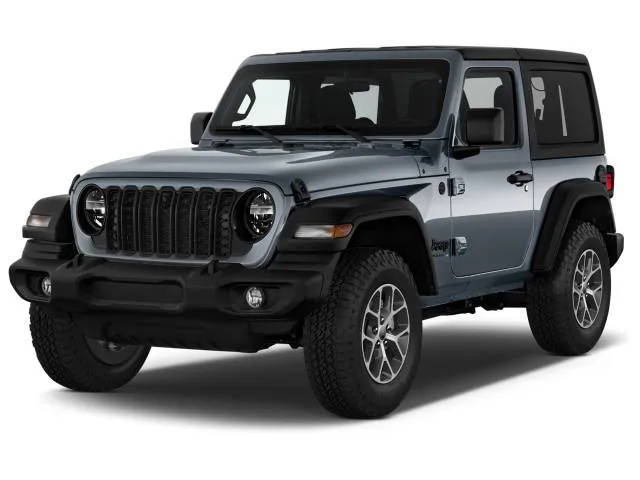
4h (four High): For Slippery Roads
4H sends power to all four wheels. This improves traction in slippery conditions.
When To Use 4h
- Rain, snow, or ice
- Gravel or dirt roads
- Light off-roading
How To Engage 4h
- Slow down to under 55 mph.
- Shift the lever from 2H to 4H. You don’t need to stop, but avoid shifting at high speed.
- A light on the dashboard will show you’re in 4H.
Practical Tip
Don’t use 4H on dry pavement. The extra grip isn’t needed, and it can stress your drivetrain.
Example
If you’re driving up a snowy mountain road, switch to 4H before you hit the worst section. You’ll feel the Jeep grip better and stay safer.
N (neutral): For Towing
N stands for neutral in the transfer case, not the transmission. This mode disconnects the wheels from the engine.
When To Use N
- Towing your Jeep JK behind another vehicle
- Flat towing for RVs or long-distance moves
How To Engage N
- Stop the Jeep completely.
- Shift the transmission to neutral.
- Move the transfer case lever to N.
- Confirm the dashboard shows “Neutral.”
Practical Tip
Never use N for driving. It’s only for towing. If you try to drive in N, the Jeep won’t move, and you can damage the transmission.
Example
If you’re taking your Jeep JK on vacation and towing it behind a motorhome, set the transfer case to N. This keeps the wheels rolling freely without damaging the drivetrain.
4l (four Low): For Tough Terrain
4L gives maximum torque to all wheels at low speed. This is for extreme conditions.
When To Use 4l
- Deep mud, sand, or snow
- Steep hills or rocky trails
- Slow, technical off-roading
How To Engage 4l
- Stop the Jeep or drive at less than 3 mph.
- Shift the transmission to neutral.
- Move the transfer case lever from 4H to 4L. You may feel a small “clunk.”
- Wait for the dashboard light to confirm 4L is engaged.
Practical Tip
Don’t use 4L for normal roads or high speeds. You’ll hear loud noises, and the Jeep will move very slowly.
Example
If you’re crawling over rocks or crossing a muddy river, switch to 4L. The Jeep will move slowly but powerfully, helping you get through tough spots.
Switching Between Modes: Step-by-step
Changing drive modes in your Jeep JK is easy, but doing it right prevents damage.
- From 2H to 4H: Slow down to under 55 mph. Move the lever smoothly.
- From 4H to 4L: Stop or crawl at less than 3 mph. Shift the transmission to neutral first.
- From 4L to 4H: Stop, shift to neutral, and move the lever.
- From 4H to 2H: Slow down and shift smoothly.
Common Mistakes
- Shifting at high speed between 4H and 4L
- Forgetting to shift transmission to neutral before moving to 4L
- Using 4WD on dry pavement
Comparison Of Drive Modes
Here’s a quick look at how the four modes compare for different situations:
| Drive Mode | Best For | Speed Range | Wheel Engagement |
|---|---|---|---|
| 2H | City/highway | 0–max speed | Rear wheels |
| 4H | Snow/rain/dirt | 0–55 mph | All wheels |
| N | Towing only | 0 mph | Disconnected |
| 4L | Off-road/steep hills | 0–3 mph | All wheels (low gear) |
Real-world Data: How Often Drivers Use Each Mode
According to a 2023 survey by Jeep owners, most use 2H about 80% of the time. 4H gets used in winter or off-road about 15%. 4L is rare—less than 5%, mostly for off-roading. N is only used by people who tow their Jeeps.
| Mode | Percent Usage | Typical Scenario |
|---|---|---|
| 2H | 80% | Daily driving |
| 4H | 15% | Bad weather |
| 4L | 4% | Off-road |
| N | 1% | Towing |
Key Features Of Jeep Jk Standard Four-wheel Drive
The Jeep JK Standard has a manual transfer case, which means you shift drive modes with a lever. This gives you more control compared to automatic systems.
- Strong axles for off-road durability
- Electronic dashboard indicators for each mode
- Low-range gear ratio (usually 2.72: 1) in 4L for extra torque
- Shift-on-the-fly ability between 2H and 4H
Maintenance Tips For Four-wheel Drive
Taking care of your four-wheel drive system is important. Here are some key tips:
- Check transfer case fluid every 30,000 miles.
- Listen for unusual noises when shifting between modes.
- Don’t force the lever—if it’s stuck, stop and try again.
- Inspect axles and driveshafts after heavy off-road use.
Neglecting maintenance can lead to expensive repairs. For official maintenance schedules, see the Jeep Owner’s Guide.

Non-obvious Insights For Beginners
- Changing tire size affects four-wheel drive performance. If you upgrade to larger tires, the gear ratios change, and your Jeep may need recalibration. This is often missed by new owners.
- Regularly engaging 4WD helps keep parts lubricated. Even if you don’t off-road, it’s good practice to shift into 4H for a few miles every month. This keeps the transfer case and axles in good shape.
- Electronic stability control may act differently in 4H or 4L. Your Jeep’s safety systems can change how they work in four-wheel drive, so check your manual for details.
Safety Advice When Using Four-wheel Drive
- Always slow down before switching between modes.
- Use 4L only for crawling, never for normal driving.
- If you hear grinding or feel resistance when shifting, stop and check the system.
- After using 4WD in mud or snow, wash the undercarriage to avoid corrosion.

Troubleshooting Common Four-wheel Drive Issues
Even with careful use, problems can happen. Here’s what to look out for:
- Jeep won’t shift out of 4L: Make sure you’re stopped and the transmission is in neutral. Sometimes rocking the Jeep gently helps.
- Dashboard light doesn’t turn on: The switch may be faulty or the transfer case isn’t fully engaged.
- Strange noises or vibrations: This could mean worn parts or low fluid in the transfer case.
Comparison: Manual Vs. Automatic Four-wheel Drive Systems
Many new SUVs have automatic four-wheel drive. Here’s how the Jeep JK Standard’s manual system compares:
| Feature | Manual System (JK) | Automatic System |
|---|---|---|
| Control | Driver chooses mode | Computer chooses mode |
| Reliability | Fewer electronics | More electronics |
| Maintenance | Simple, cheaper | Complex, costlier |
| Off-road use | Better for experienced drivers | Easy for beginners |
How Do I Know Which Mode To Use?
Use 2H for normal roads, 4H for slippery surfaces, 4L for tough terrain, and N only for towing. If you’re unsure, start with 2H and switch as needed.
Can I Switch To 4h While Driving?
Yes, you can switch between 2H and 4H at speeds up to 55 mph. Slow down and move the lever smoothly.
Is It Bad To Drive In 4wd On Dry Pavement?
Yes, using 4H or 4L on dry roads can cause extra wear and make handling worse. Always use 2H unless you need more traction.
What Happens If I Use 4l At High Speed?
The Jeep will move slowly and may make loud noises. Using 4L at high speed can damage the drivetrain. Only use it for crawling or tough off-road situations.
How Often Should I Check The Four-wheel Drive System?
Check fluids and parts every 30,000 miles or after heavy off-roading. Use 4H occasionally to keep parts lubricated, even if you don’t off-road often.
Getting the most from your Jeep JK Standard four-wheel drive system is about knowing how and when to use each mode. With the steps and tips in this article, you’ll drive safer, protect your Jeep, and enjoy every adventure.