If you own a Jeep Wrangler or are thinking about buying one, learning how to use the 4 wheel drive system is essential. Many drivers are excited to take their Jeep off-road, but switching between 2WD (two-wheel drive) and 4WD (four-wheel drive) can be confusing if you’re new to the brand. The Wrangler’s 4WD system is designed for both everyday driving and rough terrain. Using it correctly can keep you safe, prevent damage, and unlock the full potential of your vehicle. Let’s break down everything you need to know about using your Jeep Wrangler’s 4WD, with clear explanations and real-world tips.
Understanding The Jeep Wrangler 4 Wheel Drive System
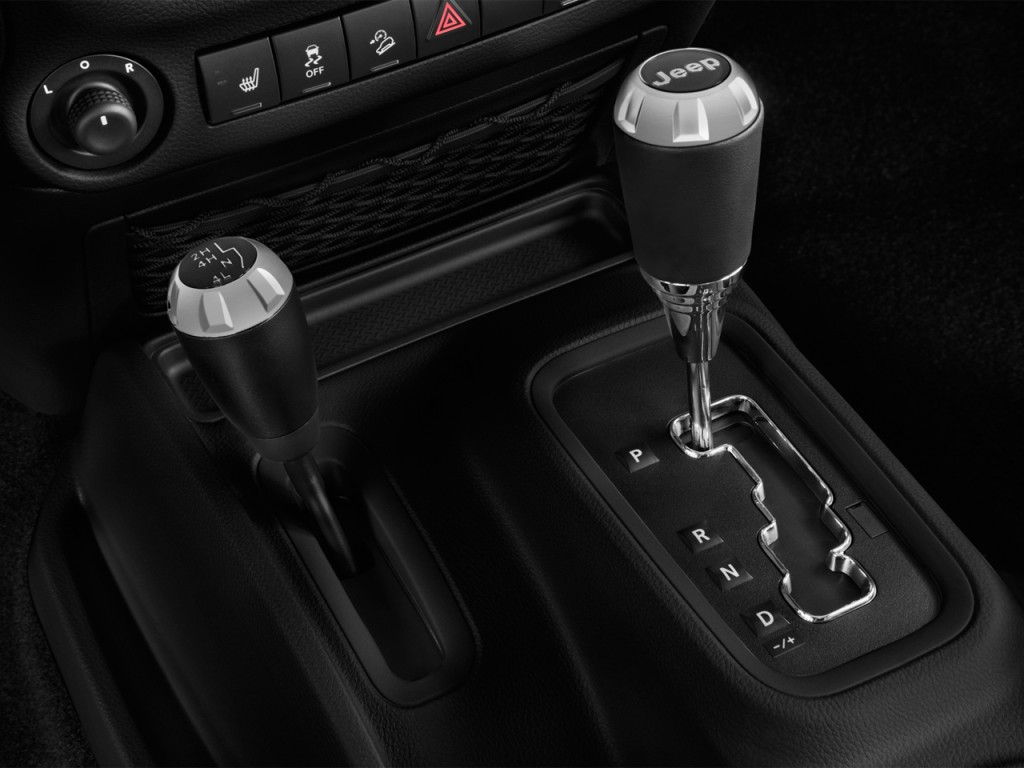
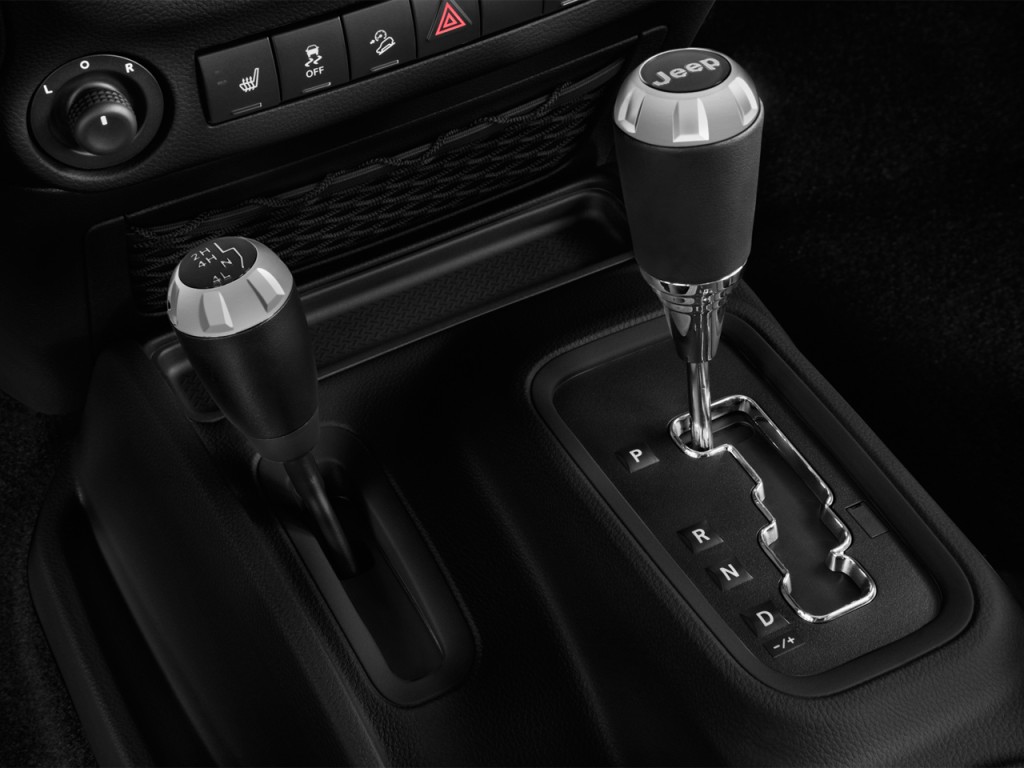
Jeep Wranglers are famous for their off-road capability. The heart of this capability is the 4WD system. Most modern Wranglers have a part-time 4WD system, meaning you can switch between 2WD and 4WD modes depending on the road conditions. Unlike full-time 4WD, which is always active, part-time 4WD gives you control over when to engage extra traction.
Your Wrangler’s 4WD system includes:

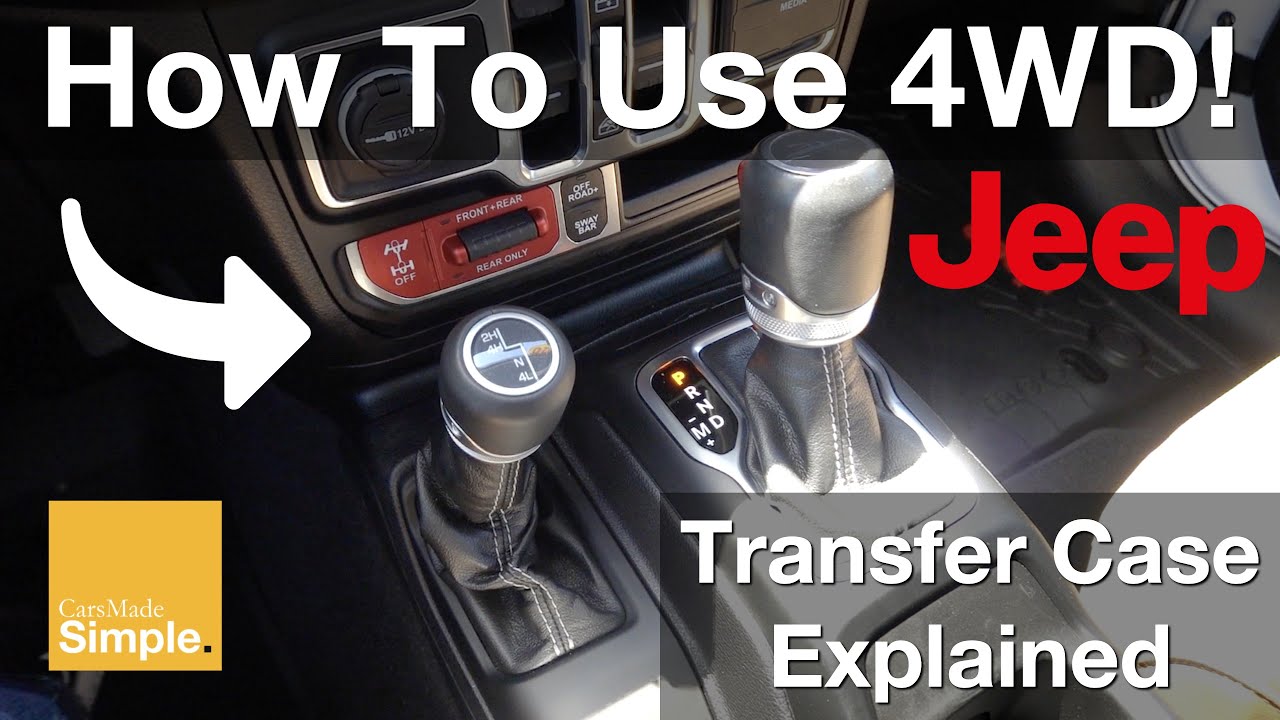
- Transfer Case Lever (or selector knob in newer models)
- Front and Rear Drive Shafts
- Differentials for front and rear axles
The transfer case is what lets you shift between different drive modes. Knowing when and how to use these modes can make your driving experience smoother and safer.
The Four Jeep Wrangler 4wd Modes Explained
Every Jeep Wrangler with 4WD has four main modes. Each mode serves a specific purpose and should be used in the right situation. Here’s a look at each one:
1. 2h (two Wheel Drive High)
2H stands for two-wheel drive, high range. In this mode, the power from the engine goes only to the rear wheels. This is the default mode for most driving on paved, dry roads. It offers the best fuel economy and is less stressful on your drivetrain.
When to use 2H:
- Everyday city or highway driving
- Dry pavement with good traction
- When you want the best fuel efficiency
Shifting into 2H is simple. Most Wranglers let you switch between 2H and 4H while the vehicle is moving (this is called “shift-on-the-fly”).
Always check your owner’s manual for your specific model.
Beginner insight: Many drivers leave their Wrangler in 4H even on dry roads, thinking it’s safer. In fact, this can cause drivetrain binding, increase tire wear, and lower gas mileage. Use 2H whenever you don’t need extra traction.
2. 4h (four Wheel Drive High)
4H stands for four-wheel drive, high range. In this mode, power is sent to all four wheels equally. Use 4H when you need better traction but don’t need to drive slowly.
Best situations for 4H:
- Rain, snow, or icy roads
- Gravel, dirt, or muddy roads
- Sand and light off-road trails
Shifting from 2H to 4H can usually be done at low to moderate speeds (below 55 mph). Just pull the lever or twist the knob no need to stop.
However, you should never use 4H on dry pavement. This can cause the tires to “chirp” or the drivetrain to bind, which can damage the transfer case.
Expert tip: If you’re in 4H and the road conditions improve, switch back to 2H as soon as it’s safe. Keeping 4H engaged on good roads can reduce your Jeep’s handling and efficiency.
3. N (neutral)
The N or neutral position in the transfer case disconnects the transmission from the wheels. This means no power reaches the wheels, no matter how much you press the gas pedal.
When to use Neutral:
- Towing your Jeep with all four wheels on the ground (“flat towing”)
- Special situations like winching the vehicle
You should never drive in Neutral. If you accidentally shift into N while driving, your Jeep will coast and lose power to the wheels.
Always come to a full stop before shifting to or from Neutral.
Non-obvious fact: Many new Jeep owners never use Neutral, but it’s essential for safe flat towing behind an RV. Not all SUVs offer this option, so it’s a unique feature for the Wrangler.
4. 4l (four Wheel Drive Low)
4L means four-wheel drive, low range. This is the mode for serious off-roading. In 4L, the transfer case uses special gears to multiply engine torque. This makes your Jeep crawl slowly but with great power—ideal for climbing rocks, deep mud, or steep hills.
When to use 4L:
- Rock crawling
- Deep sand or snow
- Steep inclines or descents
- Pulling a heavy load at low speed
To shift into 4L, stop your Jeep completely, put the transmission in Neutral, then move the transfer case lever from 4H to 4L. You will feel a “clunk” as the gears engage.
Never shift into 4L while driving at speed; it can damage the drivetrain.
Practical insight: Many beginners are afraid to use 4L, but it’s built for tough situations. If you try a steep trail in 4H and feel the Jeep struggling, stop and switch to 4L for better control and less strain on the vehicle.
Step-by-step: How To Switch Between Jeep Wrangler 4wd Modes
Understanding the modes is one thing, but knowing how to switch between them is just as important. Here’s a clear step-by-step guide:
Switching From 2h To 4h (and Back)
- Keep your Jeep moving at speeds under 55 mph.
- Pull the transfer case lever from 2H to 4H (or turn the knob).
- You may feel a slight change in the ride, but you can keep driving.
To switch back, just push the lever from 4H to 2H while moving slowly or stopped.
Switching From 4h To 4l (and Back)
- Come to a complete stop.
- Put the transmission in Neutral.
- Firmly pull the lever from 4H to 4L.
- Wait for the “clunk” sound or indicator light.
- Shift the transmission back into Drive or 1st gear.
To go back, repeat the steps in reverse: stop, Neutral, shift from 4L to 4H, then Drive.
Switching To Neutral (n)
- Stop the vehicle.
- Place the transmission in Neutral.
- Move the transfer case lever to N.
- Only use this for flat towing or winching.
Common mistake: Shifting to 4L or N while moving can damage the gears. Always stop first.
When To Use Each Jeep Wrangler 4wd Mode
Knowing when to use each mode is key to safe driving and getting the best performance. Here’s a quick reference:
| Mode | Best For | Speed Range | Notes |
|---|---|---|---|
| 2H | Everyday driving | Any | Best fuel economy |
| 4H | Rain, snow, mud | Up to 55 mph | Do not use on dry pavement |
| 4L | Serious off-roading | Below 25 mph | Use for power and control |
| N | Flat towing | 0 mph | Not for driving |
Real-world example: You’re driving to a trailhead in 2H. It starts raining, and the dirt road gets slippery. Switch to 4H before you lose traction. When you reach a rocky climb, stop and use 4L for maximum control.
Common Questions About Jeep Wrangler 4wd
Many drivers wonder about the details of using their 4WD system. Here are some answers to popular questions:
Can I Use 4wd On The Highway?
No. 4H and 4L are not designed for high-traction surfaces like dry pavement.
Use 2H for highways and switch to 4H only in snow or heavy rain.
What Happens If I Use 4h Or 4l On Dry Roads?
This can cause drivetrain binding, which puts stress on your transfer case and axles. You may hear odd noises, feel the Jeep resist turns, or even break parts if you do this often.
How Do I Know If 4wd Is Engaged?
Most Wranglers have indicator lights on the dashboard. You’ll see a green or yellow icon showing 4H or 4L is active.
You may also feel a change in steering or handling.
Tip: Practice switching modes in a safe, open area before you need them off-road.
Advantages And Disadvantages Of Each Mode
Understanding the pros and cons can help you make better choices.
| Mode | Advantages | Disadvantages |
|---|---|---|
| 2H | Better fuel economy, less wear | Poor traction off-road |
| 4H | Good traction, easy to use | Drivetrain stress on dry roads |
| 4L | Maximum torque, control | Slow speed only, more wear |
| N | Safe flat towing | Cannot drive in this mode |
Common Mistakes And How To Avoid Them
Even experienced drivers sometimes misuse their Wrangler’s 4WD. Here are mistakes to watch for:
- Using 4H or 4L on dry pavement – Causes binding and damage.
- Shifting to 4L while moving – Can break gears.
- Forgetting to switch back to 2H after rough terrain – Wastes fuel and wears parts.
- Not practicing 4WD before off-roading – Leads to confusion when you need it most.
- Ignoring dashboard warnings – Always read the lights and messages.
Pro tip: If your Wrangler is making unusual noises after using 4WD, check underneath for damage or see a mechanic.
Maintenance Tips For Jeep Wrangler 4wd
Regular maintenance is key to a reliable 4WD system. Here’s what to check:
- Transfer Case Fluid: Replace every 30,000–60,000 miles, or as your manual suggests.
- Differential Fluid: Change every 40,000–60,000 miles.
- Drivetrain Inspection: After deep water or mud, check for leaks or damage.
- Engage 4WD Regularly: Even if you don’t off-road, use 4WD a few miles each month to keep parts lubricated.
Skipping maintenance can lead to expensive repairs, especially if you use your Jeep for tough trails.
Jeep Wrangler 4wd Vs. Other Suvs
How Does The Wrangler’s 4wd Compare To Other Vehicles?
| Feature | Jeep Wrangler | Typical SUV |
|---|---|---|
| 4WD Modes | 4 (2H, 4H, N, 4L) | 2–3 (often no 4L) |
| Off-Road Capability | Excellent | Moderate |
| Flat Towing | Yes (with N mode) | Rare |
| Manual Transfer Case | Often standard | Usually automatic |
Many SUVs use automatic all-wheel drive systems, which are easier for beginners but less capable off-road. The Wrangler gives you more control, but it’s important to know how and when to use each mode.
If you want more technical details, you can visit the official Jeep 4×4 system page.
Final Thoughts
Mastering your Jeep Wrangler’s 4WD system is more than just knowing how to shift levers. It’s about understanding when to use each mode, what each setting does, and how to keep your Jeep in top shape.
With practice, you’ll feel confident on any road or trail.
Start by using 2H for daily driving and practice switching to 4H and 4L in safe conditions. Respect the system’s limits, and your Wrangler will reward you with years of adventure.
How Often Should I Use 4wd In My Jeep Wrangler?
You should use 4WD whenever you need extra traction, like in snow, mud, or off-road conditions. Even if you don’t use it often, engage 4WD once a month for a short drive to keep the system working smoothly.
Can I Switch To 4wd While Driving?
Yes, you can switch between 2H and 4H while moving at low to moderate speeds. To switch to 4L, always come to a complete stop and shift the transmission to Neutral.
Is It Bad To Leave My Jeep In 4h On Dry Pavement?
Yes. Using 4H on dry roads can cause drivetrain binding and wear out parts quickly.
Always switch back to 2H when you return to normal roads.
What Should I Do If My Jeep Is Stuck And 4wd Doesn’t Help?
If 4WD is not enough, try rocking the Jeep gently, lowering tire pressure slightly, or using sand ladders. Avoid spinning the wheels too much.
Sometimes, switching to 4L gives you the extra power to get free.
Does The Jeep Wrangler 4wd System Need Special Maintenance?
Yes. Change your transfer case and differential fluids as recommended, and have your Jeep inspected after heavy off-road use.
Regular care prevents costly repairs and keeps your 4WD working reliably.