If the tire pressure warning light comes on in your 2024 Jeep Compass, it can feel worrying especially if you’re driving or just about to start a trip.
This small symbol on your dashboard means your vehicle’s Tire Pressure Monitoring System (TPMS) has detected something unusual.
While it might seem simple, resetting this light isn’t always as easy as just adding some air. This guide will help you reset the tire pressure light on your 2024 Jeep Compass, explain why it comes on, and share tips to avoid common mistakes.
You’ll also learn what to do if the light stays on or keeps coming back. Let’s get your Jeep back to normal, so you can drive with confidence.
Understanding The Tire Pressure Monitoring System (tpms)
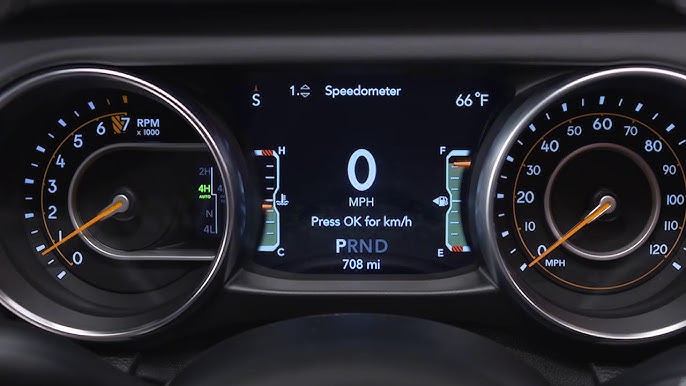
Modern cars, including the 2024 Jeep Compass, have a TPMS to keep you safe. This system checks the air pressure in each tire and alerts you if it drops too low or is too high. The TPMS light looks like a flat tire with an exclamation mark. When it appears, your car is warning you that tire pressure is out of the recommended range.
If you ignore this light, you risk driving on under-inflated or over-inflated tires. Low pressure can cause poor fuel economy, uneven tire wear, and even a blowout.
High pressure can make your ride harsh and reduce traction. Always pay attention to this warning.
Common Reasons The Tire Pressure Light Comes On
Knowing why the light comes on helps you fix the problem and reset it properly. Here are the main reasons:
- Low tire pressure: This is the most common reason. A tire may lose air slowly or after hitting something.
- High tire pressure: Too much air can also trigger the warning.
- Cold weather: Air contracts in cold weather, so the pressure drops, especially overnight.
- Tire rotation or replacement: If you recently rotated tires or replaced one, sensors may need recalibration.
- Faulty TPMS sensor: Sensors can fail over time, especially if the battery inside runs out.
Sometimes, people top up the air and the light stays on. This is where a proper reset comes in.
How To Check And Adjust Tire Pressure On The 2024 Jeep Compass
Before you reset the light, you must make sure all tires are at the correct pressure. Here’s how:
- Find the recommended tire pressure: Open the driver’s door and look for the sticker on the door frame. For most 2024 Jeep Compass models, it’s usually 35 PSI (pounds per square inch) for all four tires, but check your sticker to be sure.
- Use a quality tire gauge: Remove the valve cap, press the gauge onto the valve, and read the pressure.
- Add or release air: Use an air pump at a gas station or at home. If the pressure is too low, add air. If it’s too high, press the valve to let some air out.
- Check the spare tire: Some Jeep Compass models have a sensor in the spare tire too.
Checking all four tires (and the spare if equipped) ensures your TPMS has accurate data.
Steps To Reset Tire Pressure Light On 2024 Jeep Compass
If you’ve adjusted all tire pressures and the light remains on, it’s time to reset the TPMS. The 2024 Compass uses a direct TPMS, which means each wheel has its own sensor. Resetting is usually automatic, but sometimes manual steps are needed. Here’s what to do:
1. Drive The Vehicle
The simplest reset for most situations:
- Start your Compass and drive at 30 mph or higher for at least 10 minutes. This allows the sensors to update readings and the TPMS system to reset itself.
- After driving, turn off the car, wait a minute, and then restart. The light should be off.
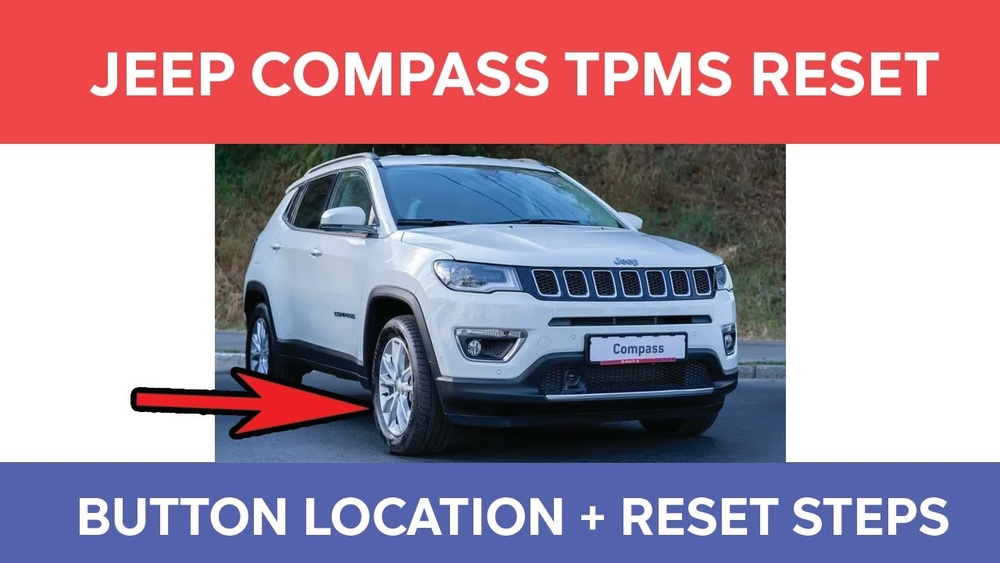
Some Jeep Compass models have a TPMS reset button:
- Look under the steering wheel or in the glove box for the button.
- With the engine on but the vehicle in park, press and hold the button until the TPMS light blinks three times, then release.
- Start the vehicle and let it run for about 20 minutes.
*Note: Not all 2024 Compass models have this button. Check your owner’s manual.*
3. Use The Vehicle’s Uconnect System
Some newer Jeep models allow you to access the TPMS through the Uconnect touchscreen:
- Go to “Vehicle Settings” or “Tire Pressure.”
- Follow on-screen instructions to reset the system.
If you can’t find this option, it may not be available on your trim level.
4. Disconnect And Reconnect The Battery (last Resort)
If the light won’t turn off:
- Turn off the engine.
- Disconnect the negative battery cable for about 15 minutes.
- Reconnect the cable, tighten it, and restart the car.
This resets many computer systems, including the TPMS. Only use this method if other steps fail.

Data Table: Tire Pressure Recommendations
Here’s a handy reference for the 2024 Jeep Compass tire pressures:
| Model/Trim | Front Tires (PSI) | Rear Tires (PSI) | Spare Tire (PSI) |
|---|---|---|---|
| Sport / Latitude / Limited | 35 | 35 | 60 (Temporary Spare) |
| Trailhawk | 35 | 35 | 60 (Temporary Spare) |
*Always check your own vehicle’s door sticker for the most accurate values. *
What If The Light Stays On?
Sometimes, you do everything right and the light still won’t go away. Here’s what to check next:
- Look for a slow leak: Even a tiny nail can let air out slowly. Inspect your tires closely.
- Check the spare tire: If your Compass monitors the spare, low pressure there will keep the light on.
- Sensor issues: Sensors can fail or lose battery power after a few years. A dealership or tire shop can test and replace them.
- Recent tire service: If you just had tires rotated, balanced, or replaced, make sure the shop reset or relearned the TPMS sensors.
If you can’t find the cause, a dealer visit may be needed. They have special scan tools to diagnose TPMS problems.
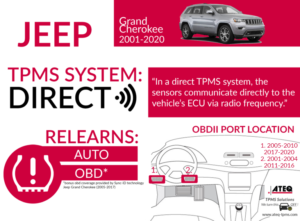
Table: Manual Vs. Automatic Tpms Reset Methods
Understanding the difference between manual and automatic reset can save time:
| Reset Method | When Needed | How To Use | Limitations |
|---|---|---|---|
| Automatic | After normal tire inflation | Drive 10+ min at 30+ mph | May not work if sensor is faulty |
| Manual (Button/Uconnect) | If light stays on after inflation | Use button or touchscreen reset | Not available on all trims |
| Battery Disconnect | When all else fails | Remove negative cable, wait, reconnect | Resets other systems; not always recommended |
Mistakes To Avoid When Resetting The Tire Pressure Light
It’s easy to make small errors that prevent a successful reset. Here are some common mistakes:
- Not checking all four tires (and the spare): Missing one tire keeps the light on.
- Setting the wrong tire pressure: Each car has its own recommended PSI. Don’t guess.
- Trying to reset with under- or over-inflated tires: The system won’t clear until every tire is correct.
- Ignoring temperature effects: Tire pressure drops in cold weather. Check when tires are “cold” (before driving).
- Skipping regular checks: Don’t wait for the light—check pressures monthly for best safety.
Many owners also forget that the light may take several minutes or miles to reset after correcting tire pressures.
Tips For Keeping Your Tire Pressure Light Off
Prevention is the best solution. Here’s how to keep your TPMS happy:
- Check tire pressure once a month: Use a good gauge and compare to the door sticker.
- Inspect for damage: Look for nails, cuts, or bulges.
- Watch for weather changes: Colder weather means lower pressure.
- Ask for TPMS check during service: When you get an oil change or tire rotation, ask the shop to check the sensors.
- Replace sensors as needed: TPMS sensors have batteries that last about 5-10 years.
Following these habits makes driving safer and saves you time and money.
Data Table: Tpms Sensor Lifespan And Replacement Cost
Understanding sensor life and costs can help you plan:
| Component | Average Lifespan | Replacement Cost (USD) |
|---|---|---|
| TPMS Sensor | 5–10 years | $50–$120 per sensor |
| Sensor Battery | Not replaceable (replace whole sensor) | Included in sensor price |
A full set can cost $200 $500, including labor, but keeps you safe and avoids annoying warnings.
When To Seek Professional Help
If the tire pressure light will not reset after all these steps, or if you see a TPMS fault message on your dash, it’s time to visit a professional. Technicians have special tools to read and program sensors.
They can also check for wiring or computer issues.
Don’t ignore the light for weeks correct tire pressure is a key safety feature.
For more detailed TPMS and tire safety information, visit the official National Highway Traffic Safety Administration website.
What Does It Mean When The Tire Pressure Light Blinks And Then Stays On?
A blinking light often means there is a TPMS system fault—not just low pressure. It can mean a sensor is broken or lost communication with the car. If it stays on after blinking, visit a dealer or tire shop for diagnosis.
How Often Should I Check My Jeep Compass’s Tire Pressure?
Check at least once a month and before long trips. Also, check after big temperature changes, as pressure drops in cold weather.
Can I Reset The Tire Pressure Light Myself, Or Do I Need A Dealer?
You can usually reset the light yourself by inflating all tires to the correct pressure and driving for a few minutes. If the light stays on, try the manual reset steps. If all else fails, a dealer can help.
Do I Need To Replace Tpms Sensors When I Get New Tires?
Not always. If sensors are old or have dead batteries (5+ years), it’s smart to replace them during a tire change.
Otherwise, the shop can move the sensors to the new tires.
Is It Safe To Drive With The Tire Pressure Light On?
It’s best to avoid driving until you check your tires. Low or high pressure is unsafe and damages tires. If you must drive, go slowly and get the problem fixed as soon as possible.
A working TPMS keeps you safe and saves money on tires and fuel. Resetting the tire pressure light on your 2024 Jeep Compass is a simple process when you know the right steps.
By following this guide, you can solve most tire warning problems yourself and enjoy a smoother, safer drive every day.