If you drive a Jeep Wrangler, you know it’s built for adventure. But nothing interrupts a road trip like seeing the tire pressure light pop up on your dashboard. This small warning light can mean something simple, or it can signal a real problem. Many drivers feel confused or stressed when it won’t turn off—even after adding air. The good news: you can fix this issue yourself most of the time. Let’s break down what causes the tire pressure light, how to reset it, and what to do if it stays on.
Why The Tire Pressure Light Comes On
The tire pressure monitoring system (TPMS) in your Jeep Wrangler is designed to keep you safe. It checks the air pressure in each tire and alerts you when one or more tires are underinflated.
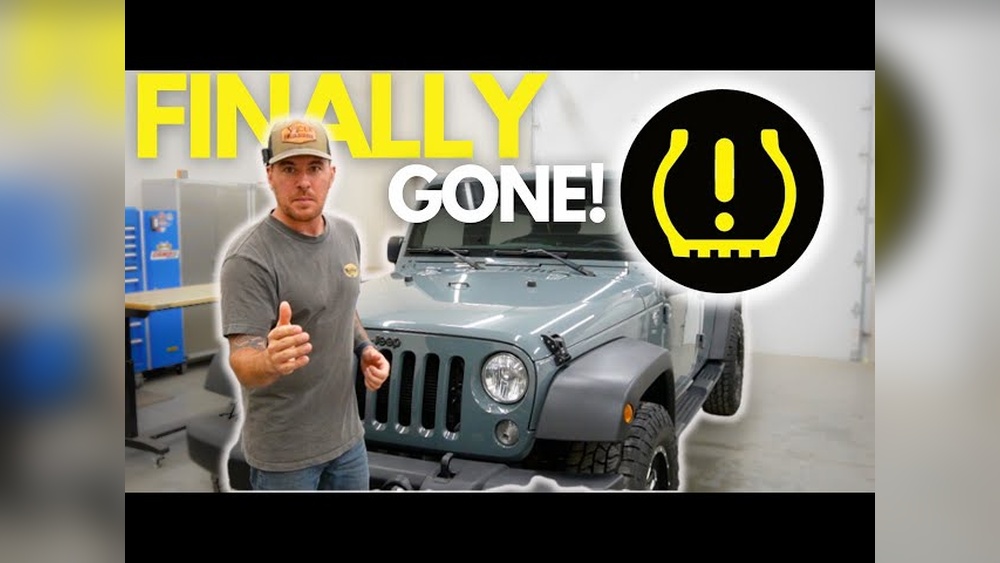
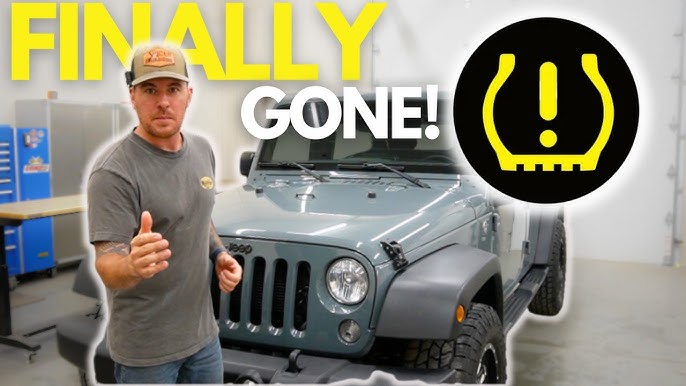
The light looks like a horseshoe with an exclamation mark in the middle.
Common reasons for the light include:
- Low tire pressure from cold weather or a slow leak
- Recent tire service (rotation, replacement, or repair)
- Faulty TPMS sensor or battery
- Sudden temperature drops (pressure can drop 1 PSI for every 10°F decrease)
- Aftermarket wheels that aren’t compatible with your sensors
Many drivers don’t realize that even a small pressure change can trigger the warning. Also, the TPMS sensors have batteries that eventually die usually after 5-10 years.
How To Check Your Tire Pressure Correctly
Before you try to reset the light, always check your tire pressures with a quality gauge—not just by looking at the tire.
- Find the recommended PSI for your Jeep Wrangler. This is usually on a sticker inside the driver’s door.
- Check all four tires when they are cold (before driving).
- Add or release air as needed. Make sure all tires match the recommended PSI.
- Don’t forget the spare—some Wranglers have a sensor in the spare tire too.
| Jeep Wrangler Model Year | Recommended Front/Rear Tire Pressure (PSI) | TPMS on Spare Tire? |
|---|---|---|
| 2012-2017 | 35 PSI | Yes (most trims) |
| 2018-2024 | 36 PSI | Yes |
| Older Models | 30-35 PSI | No/Varies |
Pro tip: Always use the PSI listed in your door frame, not the number on the tire sidewall.
Step-by-step: How To Get The Tire Pressure Light Off
Once your tires are inflated to the correct pressure, the light should turn off automatically after driving a few miles. But sometimes, it stays on. Here’s what to do, step by step.
1. Drive For 10-20 Minutes
The TPMS sensors usually need the vehicle to move before they reset. Drive at least 20 mph for about 10 minutes. If the light goes off, you’re done.
2. Perform A Manual Reset
If the light stays on, try a manual TPMS reset (works for most Wranglers):
- Turn the key to “ON” but do not start the engine.
- Slowly press the gas pedal down three times within 10 seconds.
- Turn the key to the “OFF” position.
- Start the engine and drive for 10 minutes.
This simple process can reset the system. If not, move to the next step.
3. Check For A Faulty Sensor
If one or more TPMS sensors are dead or faulty, the light won’t turn off. Signs of a faulty sensor include:
- The light blinks for 60-90 seconds, then stays on solid.
- You recently replaced or rotated tires.
- The system can’t “find” one tire.
A mechanic or tire shop can use a TPMS scan tool to check all sensors. Replacing a sensor costs $50 $120 each, plus labor.
4. Reset The System With A Tool
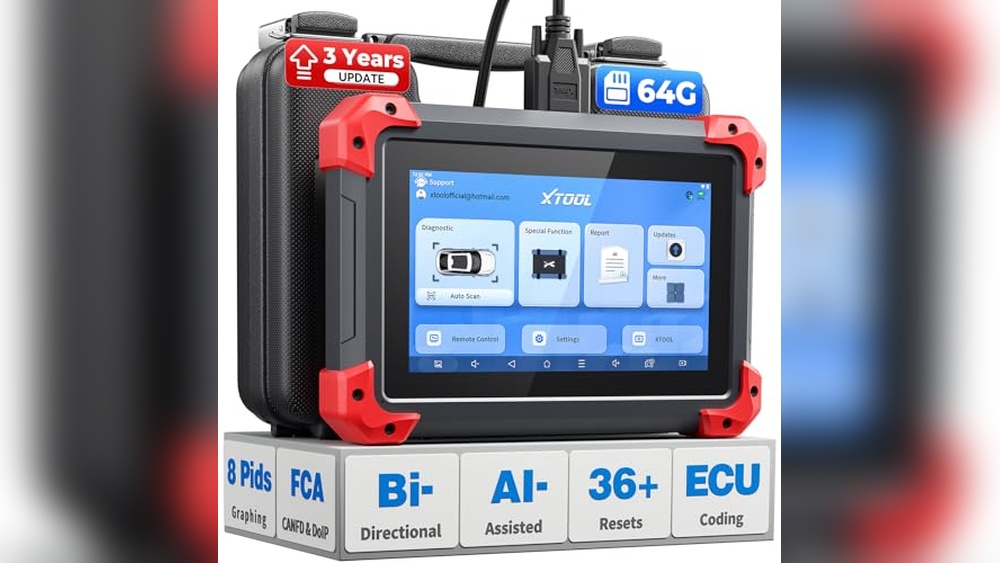
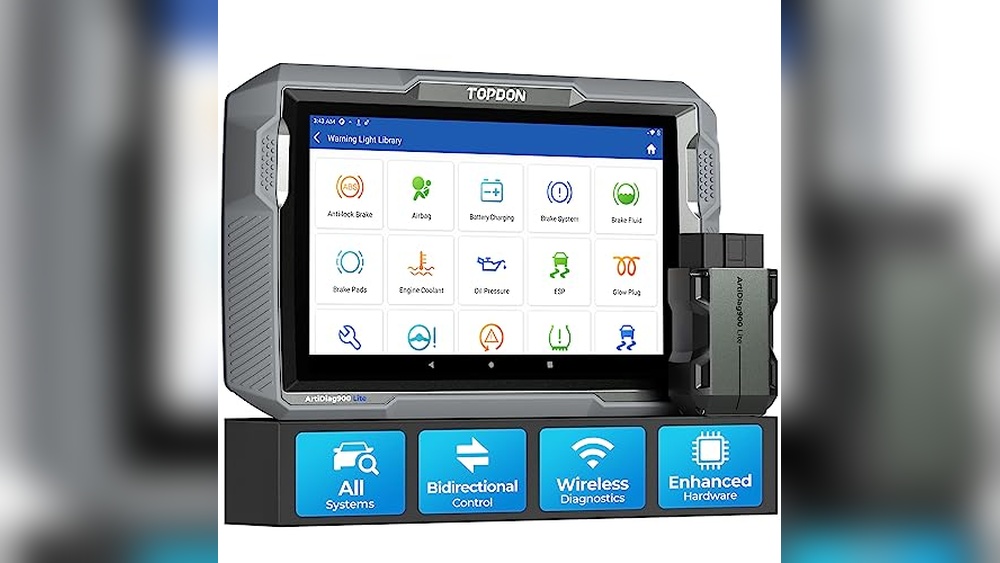
Some auto shops and parts stores will use a TPMS reset tool to re-learn the sensors. These hand-held devices activate each sensor and help the system “find” them again.
5. Check The Spare Tire
Many Jeep Wranglers have a sensor in the spare. If it’s low or missing, the light will stay on.
Don’t forget this step many owners overlook it.
6. Disconnect The Battery (last Resort)
If all else fails, you can try disconnecting the negative battery cable for 10-15 minutes. This can reset the vehicle’s computers, including TPMS.
Remember, this may clear your radio presets and clock too.
Warning: Avoid using “TPMS bypass” tricks or disabling the system. It’s important for your safety.
Common Mistakes To Avoid
Many Jeep owners waste time or money because of a few common errors:
- Ignoring the spare tire: If your Wrangler’s spare has a sensor, it must be properly inflated.
- Using tire shop air tools: These may not be accurate. Use your own gauge.
- Trusting the light alone: Always confirm with a gauge before assuming you have a problem.
- Skipping the reset drive: The system needs movement to update.
- Buying cheap sensors: Off-brand sensors may not work with Jeep’s system.
How The Jeep Wrangler Tpms Works
Understanding how the system works can help you fix problems faster. Jeep uses direct TPMS, which means each wheel has a sensor that sends pressure data to the vehicle.
- Sensors are inside each tire, attached to the valve stem.
- They send pressure readings to the car’s computer.
- If pressure drops below a certain point (usually 25% below recommended), the light turns on.
- The system may take a few minutes to update after you add air.
Most Wranglers from 2007 onward have TPMS. Older models use a different warning system or none at all.
What If The Tire Pressure Light Keeps Coming Back?
If your tire pressure warning light returns often, check for these issues:
- Slow leaks: Small punctures or rim leaks can cause slow pressure loss.
- Temperature changes: Big swings in outdoor temperature cause air to expand or contract.
- Old sensors: TPMS sensors have batteries that can fail after several years.
- Wheel damage: Off-roading or potholes can bend wheels and cause leaks.
- Aftermarket wheels: Some custom wheels don’t fit factory sensors.
If you’re adding air every week, get your tires checked for damage.
When To Visit A Professional
While most TPMS problems are easy to fix at home, some require a trip to a mechanic or tire shop:
- If the light blinks then stays on: This usually means a sensor fault, not just low pressure.
- If you can’t reset the light: A shop can use a scan tool to read error codes.
- If you replace wheels or sensors: They must be programmed to your vehicle.
- If you have frequent flats or leaks: There may be a bigger problem.
A good shop will check your sensors, scan for codes, and explain what’s wrong.
Data: How Common Are Tpms Problems?
A study by the National Highway Traffic Safety Administration (NHTSA) found that about 10% of vehicles with TPMS had a warning light on at any given time. In Jeep Wranglers, sensor battery failure is the top cause after low pressure.
| TPMS Problem | Estimated Frequency (Wrangler models 2007-2022) | Average Repair Cost |
|---|---|---|
| Low Pressure (No Leak) | 60% | $0-$10 |
| Sensor Battery Failure | 25% | $60-$150 |
| Sensor Physical Damage | 10% | $70-$200 |
| System Programming Issue | 5% | $50-$120 |
Tips For Preventing Future Tpms Issues
Keeping the tire pressure light off isn’t just about resetting it. Regular care can save you time and money.
- Check tire pressure monthly—especially in cold weather.
- Rotate tires every 6,000–8,000 miles.
- Replace sensors every 5–10 years, or at your second set of tires.
- Inspect tires for nails or damage often.
- Buy quality sensors if you replace one—preferably OEM parts.
- Keep a portable air compressor in your Jeep for emergencies.
Real-world Example: A Jeep Owner’s Experience
Sarah, a 2019 Wrangler owner, noticed her TPMS light came on every winter. She checked her tires and always found them 3-4 PSI low when the weather dropped. Filling them to the recommended 36 PSI turned off the light each time. The key insight: cold weather shrinks air, so the light is often a warning—not a sign of a real problem. She now checks all five tires (including the spare) every month and hasn’t seen the light stay on since.
When The Light Means A Serious Problem
While the tire pressure light is often a minor issue, sometimes it’s a sign of a dangerous situation:
- Rapidly dropping pressure: This means you may have a puncture or blowout.
- Vibration or poor handling: Combined with the light, this could mean a flat.
- Repeated warnings on new tires: The installer may have damaged or skipped a sensor.
Never ignore a flashing or solid light always check your tires before driving.
Comparing Jeep Wrangler Tpms With Other Vehicles
Jeep’s system works like most modern SUVs but has a few unique points:
| Feature | Jeep Wrangler | Average SUV |
|---|---|---|
| TPMS on Spare Tire | Yes (most years) | No |
| Sensor Battery Life | 6-10 years | 5-8 years |
| Manual Reset Option | Yes | Rare |
| Sensor Cost | $50-$120 | $40-$100 |
This means Jeep owners have to be a bit more careful with their spare tire and sensor replacement, but can often reset the system themselves.
Why Does My Jeep Wrangler Tire Pressure Light Come On Even When My Tires Look Fine?
The TPMS is sensitive and can trigger even if the tires look normal. A small drop in pressure (even 2-3 PSI) can turn on the light.
Always use a gauge to check, not just your eyes.
How Do I Know If My Tpms Sensor Is Bad?
If the light blinks for a minute before staying on, or if it won’t reset after filling tires and driving, you may have a bad sensor. A tire shop can test the sensors with a scan tool.
Can I Drive With The Tire Pressure Light On?
It’s safe for a short distance if you’ve checked all tires and they’re properly inflated. However, you should fix the cause as soon as possible because you might miss a real problem next time.
Does The Jeep Wrangler Need Special Tpms Sensors?
Yes, Wranglers use specific sensors that communicate with the vehicle’s computer. Always use sensors designed for your model and year.
Where Can I Find More About Tpms Laws And Regulations?
You can read more about tire pressure monitoring rules and safety at the official NHTSA TPMS page.
Taking care of your Jeep Wrangler’s tire pressure system keeps you safe and your adventures worry-free. With a few simple steps, you can reset the light and avoid common mistakes.
Remember, most TPMS issues are easy to fix yourself but don’t ignore your warning light.
Your Jeep will thank you.