Locking the wheels on your Jeep Wrangler might sound simple, but doing it right protects your vehicle, your safety, and even your investment. Whether you are parking on a hill, leaving your Wrangler for a long period, or adding an extra layer of theft protection, understanding how to lock the wheels properly is essential. Many Jeep owners, especially those new to off-roading or 4×4 vehicles, miss important steps or rely only on the handbrake. This article will walk you through everything you need to know, including the best practices, tools, mistakes to avoid, and expert tips for peace of mind.
Why Locking Your Jeep Wrangler’s Wheels Matters
Jeep Wranglers are popular with adventurers, but also with thieves. According to the National Insurance Crime Bureau, SUVs like the Wrangler are increasingly targeted for theft. Beyond security, locking the wheels is crucial when parking on uneven ground, towing, or during long-term storage. If you skip this step or do it incorrectly, your Jeep may roll, causing expensive damage or even injury.
Locking your wheels is not just about using the emergency brake. It’s about combining several methods to ensure your vehicle stays exactly where you left it.
Basic Steps To Lock Your Jeep Wrangler’s Wheels
Let’s start with the basics for anyone who is new to Jeeps or 4x4s.
1. Shift To Park (automatic) Or First Gear (manual)
For an automatic transmission, always move the gear selector to Park. If you have a manual, use first gear when parked uphill, reverse when parked downhill.
2. Engage The Parking Brake
Pull the handbrake lever up until you feel resistance. The parking brake uses the rear wheels to hold your Wrangler in place.
3. Turn Wheels Toward The Curb (if On A Hill)
If you are parking on a slope, turning your wheels toward the curb can prevent your Jeep from rolling into traffic if other systems fail.
- Uphill: Turn wheels away from the curb
- Downhill: Turn wheels toward the curb
- Add a Wheel Lock or Chock (for extra security or on steep inclines)
This is especially helpful if you plan to leave your Wrangler unattended for a long time, or if you want to add theft protection.
These steps are your first line of defense, but there are advanced methods and products that can dramatically improve your Jeep’s security.
Types Of Wheel Locks For Jeep Wrangler
There are several ways to lock your wheels beyond the parking brake. Here’s a look at the most common types, with a comparison to help you choose:
| Lock Type | Security Level | Best For | Cost Range (USD) |
|---|---|---|---|
| Lug Nut Locks | Moderate | Everyday use, theft deterrence | $30–$60 |
| Wheel Clamps/Boots | High | Long-term parking, high-crime areas | $60–$150 |
| Chocks/Blocks | Low–Moderate | Prevent rolling (off-road, inclines) | $10–$40 |
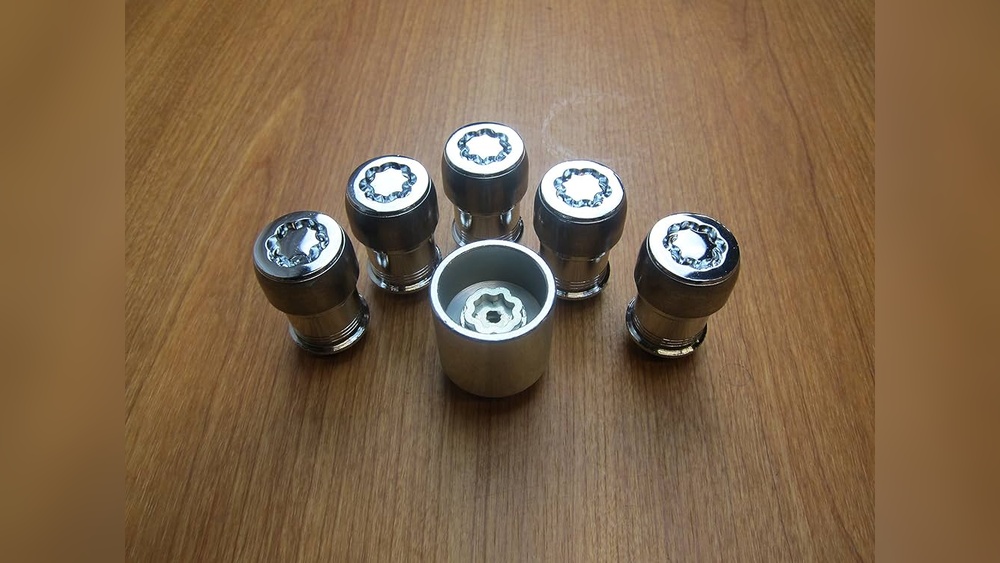
Lug Nut Locks
These replace one lug nut per wheel with a special, keyed nut. Only someone with the matching key can remove the wheel.
They are a common choice because they’re almost invisible and work well for daily use.
Wheel Clamps Or Boots
A wheel clamp or boot covers a wheel and prevents it from rolling or being removed. These are highly visible and are a strong theft deterrent. They work best if you’re leaving your Wrangler in one place for days or weeks.
Wheel Chocks
Wheel chocks are simple blocks placed behind or in front of your tires. They’re essential for off-roading, changing a tire, or parking on steep inclines. However, they don’t prevent theft.
How To Install A Lug Nut Lock On Your Jeep Wrangler
If you decide to use lug nut locks, here’s how to install them:
- Buy a set designed for Jeep Wranglers. Most come with 4–5 locks (one per wheel).
- Park on a level surface and engage the parking brake.
- Use your lug wrench to remove one lug nut from each wheel.
- Replace it with a locking lug nut. Tighten it using the special key provided.
- Store the key in a safe but accessible place (not inside the car if you’re worried about theft).
Pro tip: Check the tightness of your locking lug nuts after driving 50–100 miles, as they may loosen slightly after initial installation.

How To Use A Wheel Clamp Or Boot
A wheel clamp is more secure but takes a bit longer to install. Here’s how:
- Position the clamp over the tire and align the arms.
- Adjust the arms so the clamp fits snugly around the wheel.
- Engage the locking mechanism, usually a key or combination.
- Test that the wheel cannot rotate or be removed.
These devices are heavy and visible. If someone sees a boot on your Jeep, they’re likely to move on.
For added protection, use both a boot and lug nut locks.
Using Wheel Chocks For Stability
Chocks are simple but powerful, especially on steep ground or during maintenance:
- Place the chocks under the tire facing downhill if parked on an incline.
- For added safety, chock both front and rear wheels.
- Always use chocks in pairs.
Chocks are not for theft prevention but are essential for safety during tire changes or off-road stops.
Choosing The Right Wheel Lock For Your Needs
Not all Jeep owners need the same level of protection. Here’s how to decide:
| Situation | Recommended Lock | Reason |
|---|---|---|
| Daily City Parking | Lug Nut Locks | Invisible, easy to use, basic theft deterrence |
| Long-Term Storage | Wheel Clamp + Chocks | Maximum security, stability |
| Off-Road/Inclines | Chocks | Prevent rolling, quick to deploy |
| High-Crime Areas | Wheel Clamp + Lug Nut Locks | Double layer of security |
Common Mistakes To Avoid
Even experienced Jeep owners make errors when locking their wheels. Here are some to watch for:
- Forgetting to Engage the Parking Brake: The handbrake is your first line of defense. Always use it, even on flat ground.
- Leaving the Key in the Vehicle: If you use a locking device, never leave the key or combination inside the Jeep.
- Only Locking One Wheel: Thieves may be able to bypass a single lock. If possible, secure all wheels or use multiple methods.
- Not Checking Local Laws: Some cities have rules about visible wheel clamps. Always check before using a boot.
- Using Chocks for Theft Prevention: Chocks stop rolling but do not prevent theft.
Extra Tips For Jeep Owners
- Rotate Locking Lug Nuts: Change which wheel has the locking nut from time to time. Thieves often check the most common spot.
- Combine Methods: Use both a physical lock and a visible deterrent. A boot plus a steering wheel lock is much harder to bypass.
- Insurance Discounts: Some insurance companies offer lower rates if you use anti-theft devices. Ask your provider if you qualify.
- Photograph Your Setup: For insurance claims, take pictures of your locks in place.
- Check After Off-Roading: After heavy off-road use, recheck your locks and chocks. Vibrations can loosen devices.
How Wheel Locks Affect Off-roading And Maintenance
Many Jeep Wrangler owners love taking their vehicle off-road. But off-roading stresses wheel locks and chocks differently than city driving.
- Mud and Dirt: Locks can get clogged. Clean them regularly to avoid jams.
- Quick Tire Changes: Always keep your lug nut key with your tire tools, not just in the glove box.
- Chock Use on Uneven Terrain: On loose ground, use larger chocks, or double up for better grip.
Taking these extra steps means you don’t get stranded or risk theft while on an adventure.

How To Remove A Stuck Or Damaged Wheel Lock
Sometimes a lug nut lock or clamp can become stuck due to rust, dirt, or lost keys. Here’s what to do:
- Lubricate the Lock: Use a penetrating oil like WD-40. Let it sit for 10–15 minutes.
- Try the Key Again: Gently tap the key into place with a rubber mallet if needed.
- Use a Lock Removal Kit: Many auto stores sell special tools for broken locks.
- Call a Professional: If you cannot remove the lock, a mechanic or locksmith can help without damaging your wheels.
For more information on removing stubborn wheel locks, visit the official Wikipedia Wheel Lock page.
Real-world Example: Urban Vs. Off-road Parking
Imagine parking your Jeep in a busy city. A thief wants your expensive tires and wheels. If you have only the parking brake on, they can easily jack up the Jeep and remove the wheels. But if you use lug nut locks plus a visible wheel clamp, most thieves will skip your vehicle.
On the other hand, when camping off-road, your main concern is rolling. Chocks and proper parking gear selection are your best friends.
Theft is less likely in remote areas, but always trust your instincts and use whatever security makes you comfortable.
How Many Locking Lug Nuts Do I Need On My Jeep Wrangler?
Usually, one locking lug nut per wheel is enough for basic theft deterrence. Some owners add two per wheel for extra security, but this can make emergency tire changes more difficult.
Can I Use Wheel Clamps On Aftermarket Wheels?
Most wheel clamps are adjustable and fit both stock and aftermarket wheels. Always check the product’s size range before buying to ensure compatibility with your Jeep’s tires.
What Should I Do If I Lose My Lug Nut Lock Key?
Contact the manufacturer with your lock code (usually provided in the kit). Many shops also sell universal removal tools, but these can sometimes damage your wheels.
Are Wheel Locks Enough To Prevent Jeep Theft?
Wheel locks deter opportunistic thieves but cannot stop a determined criminal with the right tools. For best protection, combine wheel locks with other devices like steering locks or alarms.
How Often Should I Check My Wheel Locks?
Check the tightness of your wheel locks every oil change or after long off-road drives. Vibrations and rough terrain can loosen them over time.
Locking your Jeep Wrangler’s wheels is about more than just theft protection—it’s about safety, peace of mind, and protecting your investment. By combining the right locks, following best practices, and avoiding common mistakes, you’ll be ready for both city streets and rugged trails. Take a few minutes to secure your Jeep, and you’ll save time, money, and stress in the long run.