If you own a 2012 Jeep Wrangler or are thinking about buying one, understanding how to use its 4-wheel drive system is essential. Jeep Wranglers are famous for their off-road abilities, but using 4WD incorrectly can damage your vehicle or leave you stuck. Many drivers, especially those new to off-roading or coming from 2WD vehicles, are unsure how and when to switch between different drive modes. This guide will show you exactly how to use each of the four 4WD settings in your 2012 Wrangler, explain when to use each, and share expert tips to keep your Jeep running smoothly on every adventure.
Understanding Your 2012 Jeep Wrangler’s 4wd System
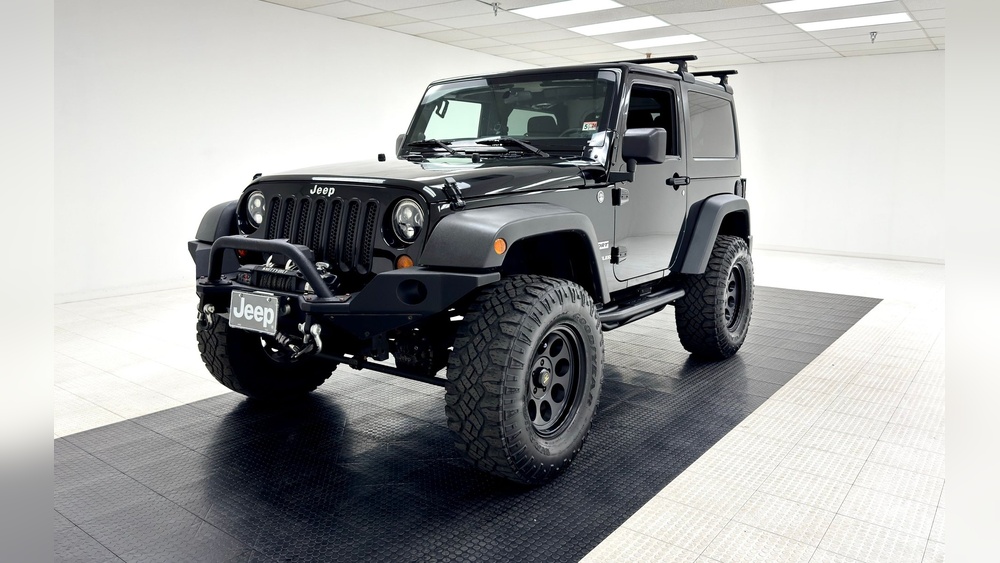
The 2012 Jeep Wrangler uses a part-time 4WD system called Command-Trac. This system offers four main modes:
- 2H (Two-Wheel Drive High)
- 4H (Four-Wheel Drive High)
- N (Neutral)
- 4L (Four-Wheel Drive Low)
Each mode has a specific purpose. Using the right mode at the right time makes driving safer and helps your Jeep last longer.
Key Components
- Transfer Case: Shifts power between 2WD and 4WD.
- Front/Rear Differentials: Allow wheels to turn at different speeds.
- Driveshafts: Transfer torque to the wheels.
Knowing these parts helps you understand how each mode works.
2h (two-wheel Drive High)
2H is the default mode for most driving conditions.
When To Use 2h
- Regular city or highway driving
- Dry, paved roads
- Everyday commuting
In 2H, only the rear wheels get power. This gives you better fuel economy and a smoother ride.
How To Use 2h
- Make sure your Jeep is in 2H when you’re on dry pavement.
- To switch back to 2H from any 4WD mode, slow down to under 55 mph, and move the transfer case lever to 2H.
Practical Insight
Many new Jeep owners forget to switch back to 2H after off-roading. Driving in 4H or 4L on pavement can cause drivetrain binding and wear out components quickly.

4h (four-wheel Drive High)
4H provides extra traction for slippery roads.
When To Use 4h
- Snow, mud, or rain-covered roads
- Loose gravel or sand
- Light off-roading
4H sends power to all four wheels, improving control on slick surfaces. You can shift into 4H while moving (known as “shift-on-the-fly”), but your speed should be below 55 mph.
How To Shift Into 4h
- Slow down to less than 55 mph.
- Steady the steering wheel.
- Firmly pull the transfer case lever from 2H to 4H.
You’ll feel the Jeep engage and possibly a light thump as the system connects.
Common Mistakes
Some drivers use 4H on dry pavement, thinking it adds safety. But on high-traction surfaces, 4H can damage your transfer case due to lack of a center differential. Use it only on surfaces where tires can slip.
N (neutral)
Neutral (N) is not for regular driving. It disconnects the transmission from the axles.
When To Use N
- Flat towing your Jeep behind another vehicle
- Special recovery situations
When in N, the Jeep won’t move under its own power but the wheels can roll freely. This mode is essential for safe towing.
How To Shift To Neutral
- Bring your Jeep to a complete stop.
- Shift the automatic transmission into neutral (or depress the clutch in a manual).
- Firmly move the transfer case lever from 2H or 4H into N.
Never drive in N—it’s only for towing.
Pro Tip
Many people forget to also put the transmission in park (automatic) or in gear (manual) after shifting the transfer case to N for towing. Failing to do so can cause the Jeep to roll unexpectedly.
4l (four-wheel Drive Low)
4L is your go-to mode for tough terrain and slow-speed power.
When To Use 4l
- Rock crawling
- Deep mud, sand, or snow
- Steep hills and descents
- Pulling heavy loads at very low speeds
4L multiplies the engine’s torque, giving you much more power at low speeds. It’s ideal for situations where you need to move slowly but with a lot of force.
How To Shift Into 4l
- Stop the Jeep completely.
- Shift the transmission into neutral.
- Firmly pull the transfer case lever from 4H straight down to 4L. You may feel some resistance.
- Shift the transmission back to drive or first gear.
Never shift into 4L while moving. Doing so can seriously damage your Jeep’s transfer case.
Non-obvious Insight
Many beginners think 4L will help in all off-road situations. But using 4L at higher speeds can harm your vehicle.
Only use it below 25 mph, and only when you need extra torque, not extra speed.
How To Switch Between 4wd Modes Safely
Switching between modes is simple, but you must do it correctly to avoid mechanical problems.
Shifting “on The Fly”
You can shift from 2H to 4H (and back) while driving under 55 mph. But to switch to 4L or N, always stop and put the transmission in neutral.
Step-by-step: Shifting Example
- To shift from 2H to 4H: Slow down, keep wheels straight, move the lever.
- To shift from 4H to 4L: Stop, shift transmission to neutral, move lever, then shift back to drive/first gear.
When Not To Shift
Never try to move the transfer case lever quickly or forcefully if it feels stuck. Sometimes, a slight roll (1-2 inches) helps the gears line up, especially when shifting into or out of 4L.
Off-roading Tips For The 2012 Jeep Wrangler
The Wrangler is built for adventure, but technique matters:
- Tire Pressure: Lowering tire pressure (to 18–20 psi) gives better traction in sand or rocks.
- Momentum: Use steady momentum in mud or snow, but avoid spinning the tires.
- Gear Choice: Use lower gears in 4L for more control.
- After Off-Roading: Clean mud and debris from the undercarriage to prevent rust.
Real-world Example
A driver in Utah’s Moab area switched to 4L for a steep, rocky climb. By using the correct mode, he avoided wheel spin and made it up easily, while another driver in 4H struggled and had to back down.
4wd Mode Comparison Table
Here’s a quick comparison of the four modes:
| Mode | Best For | Speed Range | How to Engage |
|---|---|---|---|
| 2H | Dry pavement, daily driving | Any | Default mode |
| 4H | Snow, mud, sand, slippery roads | Up to 55 mph | Shift-on-the-fly |
| N | Flat towing | Vehicle off | Stop vehicle, shift to N |
| 4L | Deep mud, rocks, steep inclines | Below 25 mph | Stop vehicle, shift to N, then 4L |

Maintenance And Care For Your 4wd System
Using 4WD puts extra stress on your transfer case, differentials, and driveshafts. Regular maintenance is critical.
Routine Checks
- Fluid Levels: Check and change transfer case and differential fluids as recommended (about every 30,000 miles).
- Listen for Noises: Clicking, grinding, or whining sounds can signal problems.
- Inspect Underneath: Look for leaks, damaged boots, or loose parts after off-roading.
Data Table: Maintenance Intervals
| Component | Recommended Service Interval | Notes |
|---|---|---|
| Transfer Case Fluid | 30,000 miles | More often if frequent off-roading |
| Differential Fluid | 30,000 miles | Inspect after deep water crossings |
| Driveshafts/U-joints | Inspect at oil change | Grease if applicable |
Common Beginner Mistakes (and How To Avoid Them)
Learning to use 4WD is a process. Here are mistakes many new Wrangler drivers make:
- Using 4H/4L on dry pavement: Causes binding and can break parts.
- Forcing the lever: If the transfer case lever won’t move, don’t force it. Try rolling the Jeep a little.
- Ignoring warning lights: 4WD warning lights mean something’s wrong—don’t ignore them.
- Not practicing: Try shifting between modes in a safe, empty lot before you need it on the trail.
- Flat towing without the right settings: Always use Neutral on the transfer case, not just the transmission.
Advanced Tips For Experienced Drivers
If you already know the basics, here are two insights many miss:
- Torque Management: In 4L, feather the throttle gently—too much gas can break traction and damage axles.
- Wheel Placement: 4WD helps, but picking a good line over rocks or through ruts is still critical. Don’t rely on 4WD alone.
Safety Reminders
- Always wear your seatbelt, even off-road.
- Let someone know your route if heading into remote areas.
- Carry recovery gear: Tow straps, a shovel, and a first-aid kit.
Useful Resources
For more details and the official Jeep manual, visit the official Jeep owner’s manual.
What Happens If I Use 4h Or 4l On Dry Pavement?
Using 4H or 4L on dry, high-traction roads can cause drivetrain binding. This makes steering hard and can damage your transfer case or axles. Only use these modes on loose or slippery surfaces.
Can I Shift Into 4h While Driving?
Yes, you can shift from 2H to 4H while moving at speeds up to 55 mph. This is called “shift-on-the-fly.” However, always make sure the wheels are pointed straight and avoid shifting during sharp turns.
How Do I Know If 4wd Is Engaged?
When 4WD engages, you might feel a slight clunk and see a 4WD indicator light on the dashboard. If you don’t see the light, the system may not be fully engaged—try rolling the Jeep forward or backward slightly.
Is It Safe To Drive In 4l At High Speeds?
No. 4L is designed for low-speed, high-torque situations only. Driving over 25 mph in 4L can damage your drivetrain and transfer case. Shift back to 4H or 2H for regular driving.
Do I Need To Use 4wd Every So Often If I Don’t Off-road?
Yes. Engaging 4WD occasionally (even on a straight dirt road or loose surface) helps keep parts lubricated and prevents components from seizing up. Once a month is a good rule.
With the right knowledge, your 2012 Jeep Wrangler can take you almost anywhere. Using the 4WD system correctly protects your vehicle and makes every drive safer and more fun. Whether you’re hitting muddy trails or just want peace of mind in winter, mastering these four modes will help you get the most from your Jeep.