Wiring lights on a 2001 Jeep Wrangler is a project many Jeep owners take on to upgrade their vehicle’s visibility, safety, or off-road functionality. Whether you want to replace factory headlights, add fog lights, or install auxiliary LED bars, understanding the process is key. Working with your Jeep’s electrical system can seem intimidating, but with some patience and the right guidance, you can achieve professional results and avoid common mistakes that frustrate beginners.
This guide walks you step-by-step through how to wire lights on a 2001 Jeep Wrangler. You’ll learn about tools, wiring diagrams, safety checks, and some tips only experienced Jeep owners know.
If you’re looking to tackle this upgrade confidently and safely, this article has you covered.
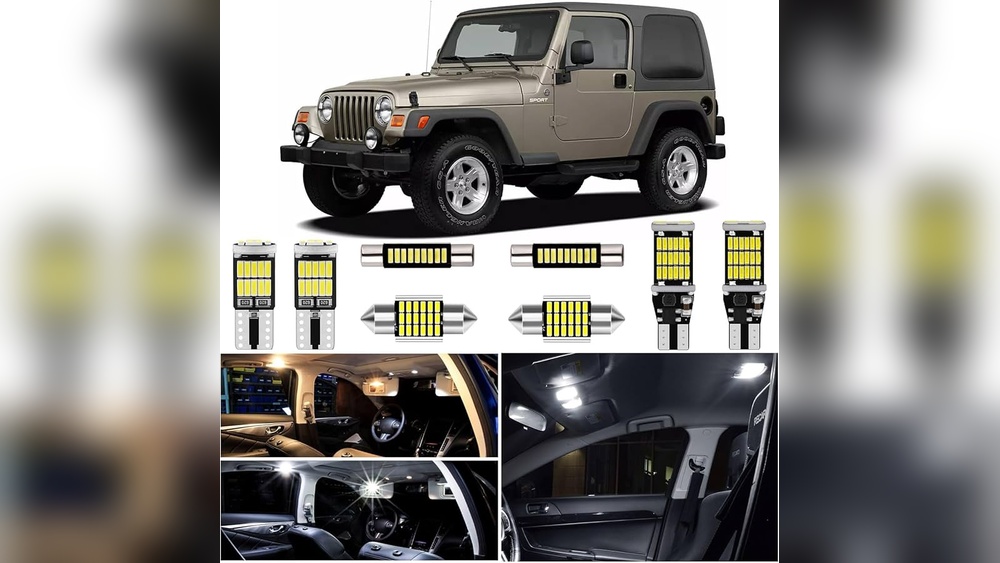
Understanding Your Jeep Wrangler’s Lighting System
Before making changes, you need to know the basics of the Jeep’s lighting circuit. The 2001 Wrangler uses a 12-volt DC system. Headlights, fog lights, and accessory lights draw power from the battery, routed through fuses and relays for safety.
A key point: the factory wiring harness is designed for the original lights. Adding powerful aftermarket lights without proper wiring can overload circuits and cause failures. That’s why most upgrades require separate wiring harnesses and relays.
Tools And Materials Needed
Here’s what you’ll need for a safe, reliable install:
- Wire strippers and crimpers
- Electrical tape and heat shrink tubing
- Multimeter (to test connections)
- 14-18 gauge automotive wire (length depends on light location)
- Inline fuse holder with fuse (15-30A, as required)
- 12V automotive relay (if adding powerful lights)
- Ring terminals, spade connectors, and quick disconnects
- Zip ties or cable organizers
- Screwdrivers and socket set
- Mounting hardware for the lights
Pro tip: Always buy extra connectors and wire. It’s easy to underestimate the number you’ll use.
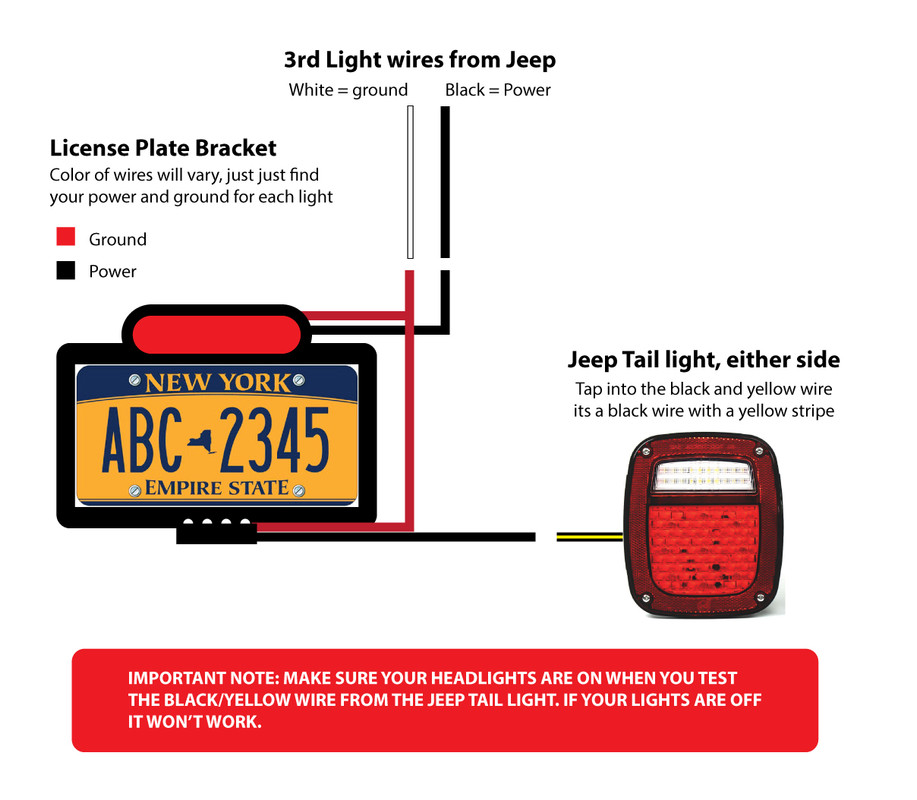
Planning Your Lighting Upgrade
Careful planning saves time and prevents mistakes:
- Choose light types: Decide between headlights, fog lights, LED bars, or rock lights.
- Map mounting locations: Mark where you’ll install each light. Check for obstructions.
- Plan wiring routes: Keep wires away from hot engine parts and moving components.
- Check local laws: Some light setups are not street-legal in all states.
Non-obvious insight: Many beginners forget to check the available space behind mounting points. Always measure before drilling.
Step-by-step Wiring Instructions
1. Disconnect The Battery
Safety first! Remove the negative battery terminal before starting any wiring work. This prevents shorts and protects you from shocks.
2. Mount Your Lights
Securely install your new lights using the provided brackets. For bumper or grille lights, ensure they are tightly fixed and won’t vibrate loose.
3. Run The Wiring Harness
Use the supplied harness or make your own:
- Route wires along the frame or firewall, away from hot parts like the exhaust manifold.
- Secure wires with zip ties.
- Leave enough slack for movement but not so much that wires sag.
4. Install A Relay And Fuse
For most auxiliary lights, especially LED bars or high-power fogs, use a relay. This allows the lights to draw power directly from the battery, reducing strain on the factory switch.
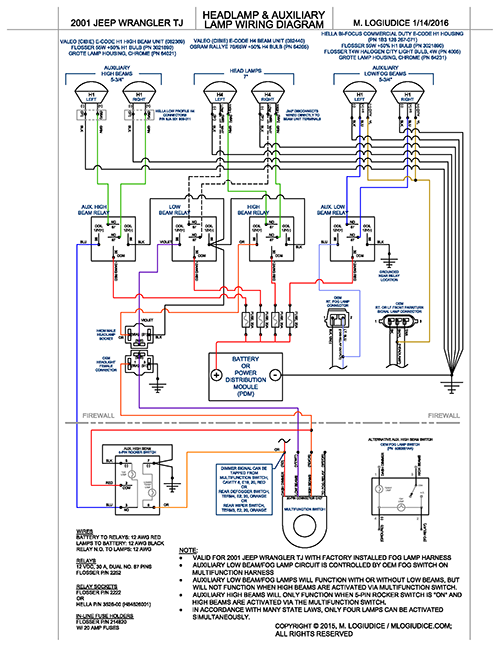
Wiring diagram summary:
- Battery positive → Inline fuse → Relay terminal 30
- Relay terminal 87 → Positive wire to lights
- Relay terminal 86 → Switch (inside cabin)
- Relay terminal 85 → Ground
5. Connect The Switch
Mount a switch inside your Jeep, close to the driver. Run the switch wire through the firewall using a grommet. Connect one side of the switch to relay terminal 86 and the other to an ignition-on power source or battery.
6. Ground The System
Every light needs a solid ground. Use a clean, unpainted metal surface on the chassis. Scrape off any paint to ensure good contact.
7. Test The System
Reconnect the battery. Test each light and switch. Check that no fuses blow and that lights turn on/off as expected.
Extra tip: Use a multimeter to confirm voltage at each connection before finishing.
Example: Wiring An Led Light Bar
Let’s walk through adding a 20-inch LED light bar to the front bumper.
- Mount the bar: Use the included hardware to attach it to the bumper.
- Install relay and fuse: Place an inline fuse close to the battery. Mount relay near the fuse box.
- Run power wire: Battery positive to relay terminal 30.
- Switch wire: Through firewall, to relay terminal 86, and to switch.
- Grounds: Light bar ground to chassis; relay ground to chassis.
- Connect output: Relay terminal 87 to light bar positive.
- Test: Flip the switch. The bar should light up without dimming other vehicle lights.
Jeep Wrangler Light Types And Their Wiring Needs
Here’s a quick comparison of light types and their wiring complexity:
| Light Type | Recommended Wire Gauge | Relay Needed? | Fuse Size (A) |
|---|---|---|---|
| Halogen Headlights | 16 | No (Factory) | 10-15 |
| LED Light Bar | 14 | Yes | 20-30 |
| Fog Lights | 16 | Yes (Aftermarket) | 10-15 |
| Rock Lights | 18 | Optional | 5-10 |
Common Mistakes To Avoid
Wiring mistakes can create headaches later. Here are errors to watch out for:
- Skipping the relay: Powering big lights directly from the switch or factory wiring can melt wires.
- Weak grounds: A poor ground causes flickering or dim lights.
- No fuse protection: A shorted wire without a fuse may start a fire.
- Sloppy routing: Wires touching hot or moving parts will wear out or melt.
- Overloading circuits: Never tap into existing circuits rated for less power.
Expert tip: After installation, check all wiring connections every few months, especially if you drive off-road.
Troubleshooting Wiring Problems
If your lights don’t work after installation, try these steps:
- Check all fuses: Replace any that are blown.
- Test grounds: Use a multimeter to check for continuity between ground wires and the chassis.
- Inspect connections: Make sure all crimped or soldered joints are tight.
- Test voltage: At the light’s positive and ground wires, you should see close to 12 volts when the switch is on.
If you still have issues, try powering the light directly from the battery to rule out a bad switch or relay.
Upgrading Vs. Replacing Factory Wiring
The factory headlight wiring in a 2001 Wrangler often isn’t designed for modern high-power bulbs or LED conversions. If your headlights are dim after a bulb upgrade, consider a heavy-duty wiring harness. These kits use relays and thicker wire, improving brightness and reducing voltage drop.
Here’s a side-by-side comparison:
| Factory Wiring | Aftermarket Harness |
|---|---|
| 14-16 gauge wire | 12-14 gauge wire |
| No relay for headlights | Relay for each beam |
| Prone to voltage drop | Stable voltage, brighter lights |
| May overheat with LED/HID | Handles higher loads safely |
Safety Considerations
Working on electrical systems requires caution:
- Always disconnect the battery before starting.
- Double-check connections before reconnecting power.
- Use the correct fuse size for your setup.
- Don’t run wires where they can be pinched or cut.
- If you’re unsure, ask a professional or reference the official Jeep website for wiring diagrams.
Final Checks And Road Use
Once your lights are installed and working:
- Aim headlights and auxiliary lights properly. Misaligned lights can blind other drivers.
- Tidy up wiring with zip ties.
- Test lights in different driving conditions (night, rain, off-road).
- Carry spare fuses and a basic wiring kit in your Jeep.
Non-obvious insight: Some insurance policies require you to disclose aftermarket lighting. Check with your provider after making modifications.
Upgrading your Jeep Wrangler’s lights is a rewarding project. Take your time, follow best practices, and you’ll have a safer, more capable vehicle.
Frequently Asked Questions
What Gauge Wire Should I Use For Auxiliary Lights?
For most auxiliary lights, 14-gauge automotive wire is a safe choice. If you’re running very powerful lights, consider 12-gauge. Always match the wire to the amp rating of the light.
Can I Use The Factory Switch For New Lights?
It’s not recommended. The factory switch isn’t designed to handle extra current and may fail. Use an aftermarket switch and a relay for reliability.
How Do I Run Wires Through The Firewall?
Look for an existing rubber grommet where wires enter the cabin. Use a small screwdriver to poke a hole, feed your wire through, and seal with silicone to keep water out.
Why Do My New Lights Flicker?
Flickering lights often mean a weak ground or a bad connection. Check all grounds, ensure they contact bare metal, and re-crimp any loose connectors.
Are Aftermarket Led Lights Street Legal?
Not all LED lights are legal for street use. Check your local laws—some states only allow auxiliary lights to be used off-road. Aim and shield your lights properly to avoid fines.
With these tips and steps, you’re ready to wire lights on your 2001 Jeep Wrangler. Take your time, prioritize safety, and enjoy the improved visibility and style of your upgraded Jeep.