If you drive a 2010 Jeep, you probably know about the benefits of 4 wheel drive (4WD). It helps you drive on snow, mud, sand, or rocky roads. But if you have never used it, or you’re unsure about the steps, it can be confusing. Putting your 2010 Jeep in 4 wheel drive is not hard, but you must do it correctly to protect your vehicle and stay safe. This guide explains everything you need to know, from how 4WD works to clear step-by-step instructions. You’ll also learn about common mistakes, see useful comparison tables, and get answers to the most frequent questions.
Understanding 4 Wheel Drive In A 2010 Jeep
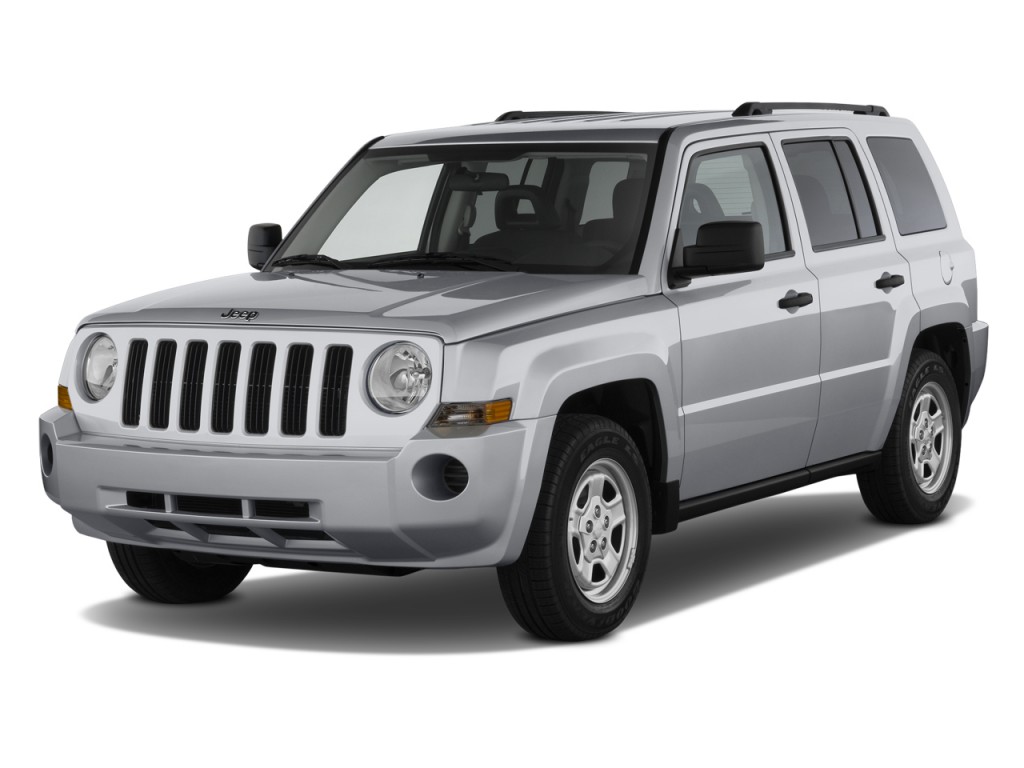
Before you use 4WD, it’s important to know how it works. The 2010 Jeep lineup (like Wrangler, Liberty, and Grand Cherokee) includes different 4WD systems. The most common are part-time and full-time 4WD.
- Part-time 4WD: Used only when you need extra traction (off-road, snow, mud).
- Full-time 4WD: Can be used on any surface, including dry pavement.
These systems use a transfer case to send power to all four wheels. Choosing the right mode helps you drive safely and keeps your Jeep in good shape.
When Should You Use 4 Wheel Drive?
Activating 4WD at the right time is important. Use it in these situations:
- Slippery roads (ice, snow, mud, sand).
- Off-road driving (trails, rocks, steep hills).
- Towing on loose surfaces.
Do not use 4WD on dry, paved roads if your Jeep has part-time 4WD. This can cause damage to the drivetrain.
Types Of 4wd Modes In A 2010 Jeep
Your Jeep may have one or more of these modes:
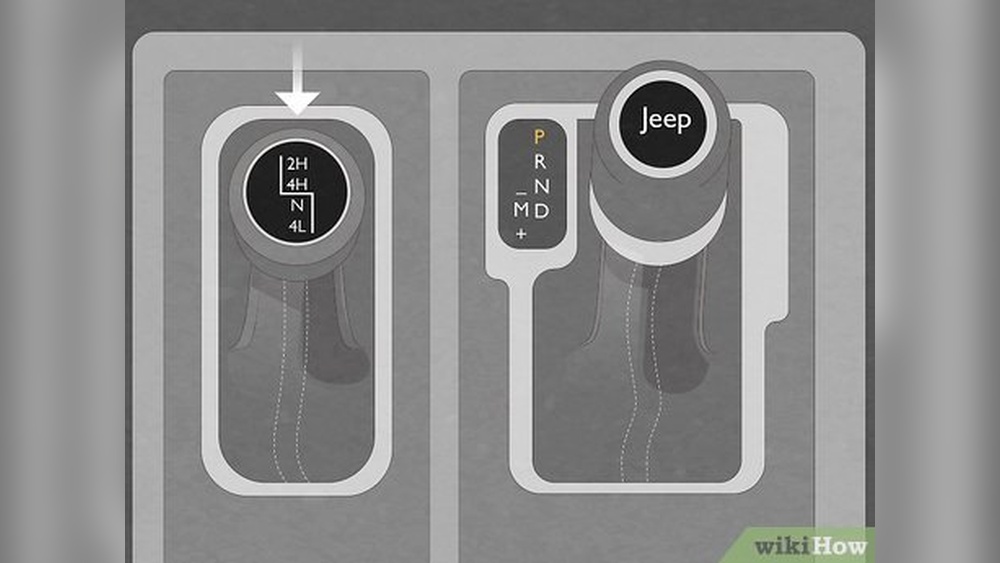
- 2H (Two-wheel High): Regular driving, sends power to rear wheels.
- 4H (Four-wheel High): For slippery conditions at normal speeds.
- N (Neutral): Disengages all drive power (for towing).
- 4L (Four-wheel Low): For slow, difficult terrain (deep snow, mud, rocks).
Check your owner’s manual to confirm which modes your Jeep has.
How To Put A 2010 Jeep In 4 Wheel Drive
The following steps work for most 2010 Jeep models (Wrangler, Liberty, Grand Cherokee) with a manual transfer case lever. If your Jeep has an electronic selector, the steps are similar but use a switch instead of a lever.
1. Identify Your 4wd Controls
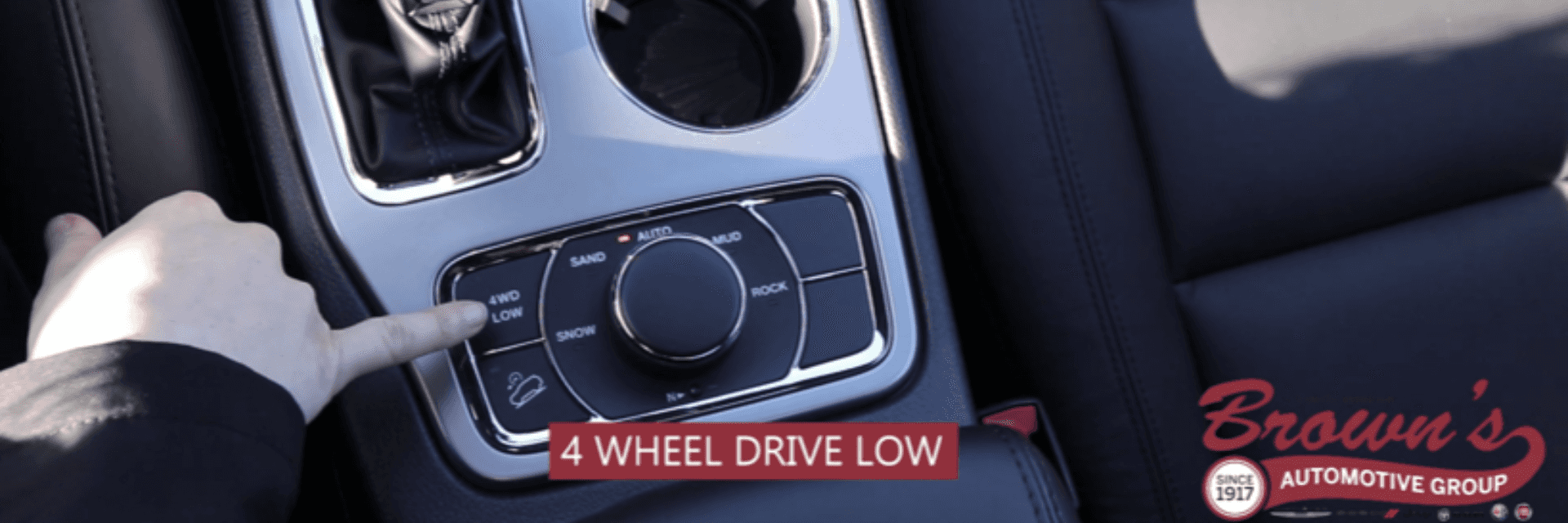
Most 2010 Jeeps have a lever on the floor between the seats. Some Grand Cherokees or Libertys may have a rotary switch or button.
- Lever: Marked with 2H, 4H, N, 4L.
- Switch: Shows similar modes on a dial.
2. Shifting From 2h To 4h (for Slippery Roads)
You can shift from 2H to 4H while driving at low to moderate speeds (usually up to 55 mph or 88 km/h).
Steps:
- Keep your Jeep moving straight at a steady speed.
- Take your foot off the accelerator.
- Firmly pull the lever from 2H to 4H (or turn the switch to 4H).
- You should feel a light clunk as it engages.
- A 4WD light may appear on the dashboard.
Do not spin your tires while shifting.
3. Shifting From 4h To 4l (for Tough Terrain)
4L is for extreme conditions only (deep mud, sand, rocks, steep hills). Never use 4L for normal driving.
Steps:
- Stop your Jeep and keep your foot on the brake.
- Put the transmission in Neutral (N).
- Move the transfer case lever from 4H to 4L in one smooth motion.
- Wait for the indicator light to confirm engagement.
- Return the transmission to Drive (D) or 1st gear (manual).
Never shift to 4L while moving.
4. Returning To 2h (normal Driving)
- Slow down to a low speed and keep the Jeep straight.
- If in 4H, shift back to 2H at any speed under 55 mph.
- If in 4L, stop the vehicle, put the transmission in Neutral, and shift from 4L to 2H.
This keeps your drivetrain healthy and prevents wear.
Common Mistakes To Avoid
Many Jeep owners make these errors when using 4WD:
- Engaging 4WD on dry pavement (causes drivetrain damage).
- Shifting to 4L while moving (damages transfer case).
- Forgetting to put transmission in Neutral when shifting to 4L.
- Using 4L for high-speed driving.
Avoid these mistakes to keep your Jeep running smoothly.
Comparing 4wd Modes: When And How To Use
Here’s a quick comparison to help you remember when to use each mode:
| Mode | Surface Type | Speed Range | Main Use |
|---|---|---|---|
| 2H | Dry pavement | All speeds | Normal driving |
| 4H | Snow, mud, sand | Up to 55 mph | Extra traction |
| 4L | Steep hills, rocks, deep mud | Up to 25 mph | Maximum power, slow speed |
Special Notes For Automatic Vs Manual Transmission
The way you shift into 4WD depends a bit on your transmission type.
- Automatic: Put the gear selector in Neutral for 4L. For 4H, you can shift while in Drive.
- Manual: Put the clutch in and shift the transmission to Neutral before moving the transfer case lever to 4L.
This small difference matters, so always check your manual.
How To Tell If 4wd Is Engaged
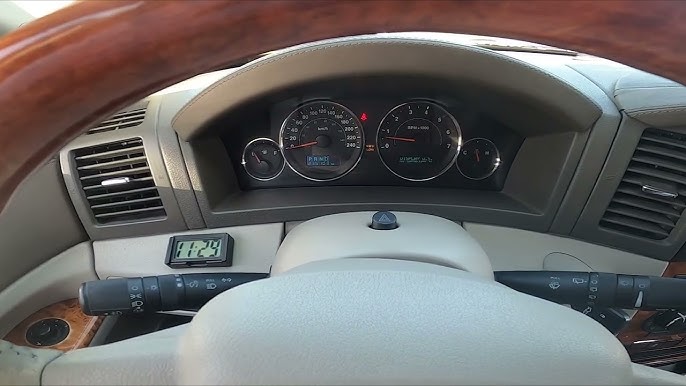
Some 2010 Jeeps have a dashboard light that says “4WD” or “4×4. ” Others may just feel different when driving.
Signs 4WD is working:
- Dashboard light comes on.
- Steering feels heavier.
- You hear a soft clunk when shifting.
- The Jeep pulls itself better in slippery conditions.
If you’re not sure, test on a loose surface (like gravel) the Jeep should have extra grip.
Troubleshooting: When 4wd Doesn’t Work
Sometimes, your Jeep might not shift into 4WD. Here’s what to check:
- Make sure you’re moving the lever or switch correctly.
- Confirm the transmission is in Neutral for 4L.
- Listen for any loud grinding (stop if you hear this).
- Look for warning lights.
If 4WD still does not work, check the owner’s manual or see a mechanic.
Maintenance Tips For Your 4wd System
Keeping your 4WD healthy is important. Here’s how:
- Use it regularly—Engage 4WD once a month to keep parts moving.
- Check fluids—Transfer case and differential fluids should be changed as recommended (see your manual).
- Listen for noises—Grinding or clunking could mean a problem.
- Inspect undercarriage—Look for leaks or broken parts after off-roading.
Regular maintenance can prevent big repairs.
Real-world Example: Shifting On A Snowy Road
Imagine you’re driving your 2010 Jeep Wrangler and snow starts falling. The road gets slippery, and your rear wheels start to spin.
You slow down, take your foot off the gas, and pull the lever from 2H to 4H. Instantly, the Jeep regains traction, and you drive safely.
When you return to a clear road, you shift back to 2H. This simple action keeps you safe and protects your vehicle.
Data: 2010 Jeep 4wd System Specifications
The 2010 Jeep lineup has several 4WD systems. Here’s a quick look at the most popular ones:
| Model | System Name | Type | Selector |
|---|---|---|---|
| Wrangler | Command-Trac | Part-Time | Manual Lever |
| Grand Cherokee | Quadra-Trac II | Full-Time | Rotary Switch |
| Liberty | Selec-Trac II | Part-Time/Full-Time | Lever/Switch |
Non-obvious Tips For Beginners
Many new Jeep owners forget two key things:
- Use 4WD briefly every month even if you don’t need it. This keeps the system lubricated and prevents it from seizing up.
- When using 4L, keep your speed low. Going too fast in 4L can overheat your transfer case and damage the gears.
These small habits can add years to your Jeep’s life.
Comparing 2010 Jeep 4wd Systems To Other Vehicles
How does your 2010 Jeep compare to other SUVs? Here’s a simple comparison:
| Vehicle | 4WD System Type | Manual/Auto Selector | Low Range |
|---|---|---|---|
| Jeep Wrangler | Part-Time | Manual Lever | Yes |
| Toyota 4Runner | Full-Time/Part-Time | Switch/Lever | Yes |
| Honda CR-V | Automatic AWD | Automatic Only | No |
As you can see, the 2010 Jeep gives you more control over your 4WD system compared to automatic-only systems.
Staying Safe When Using 4wd
Using 4WD helps you, but always remember these safety rules:
- Slow down before shifting modes.
- Never shift to 4L while moving.
- Do not use 4WD on dry pavement (if part-time system).
- Pay attention to how your Jeep feels—strange noises or hard shifting mean something is wrong.
If you’re ever unsure, stop and check your owner’s manual or ask a mechanic.
Frequently Asked Questions
How Do I Know If My 2010 Jeep Has 4wd?
Most 2010 Jeeps have a 4WD badge on the rear, and the controls (lever or switch) are near the gear shifter. Check your owner’s manual or the dashboard for a 4WD indicator light.
Can I Shift Into 4h While Driving?
Yes, you can shift from 2H to 4H while driving at speeds up to 55 mph (88 km/h). Just make sure your wheels are straight and you are not accelerating hard.
Why Does My Jeep Make A Noise When I Shift To 4wd?
A soft clunk is normal when shifting. Loud grinding or banging is not stop and check if you are following the correct steps. Noises can also mean low fluid or worn parts.
Is It Bad To Use 4wd On Dry Roads?
If you have a part-time 4WD system, using 4WD on dry pavement can damage your drivetrain. Full-time 4WD systems are designed for all surfaces.
Where Can I Learn More About My Jeep’s 4wd System?
The best source is your official owner’s manual. You can also visit the Jeep Official Owner’s Manual Page for more details.
Putting your 2010 Jeep in 4 wheel drive is simple when you know the steps. By following this guide, you can handle tough roads with confidence and avoid common mistakes. Remember to use 4WD only when needed, maintain your system, and always drive safely.
Your Jeep is built for adventure now you’re ready to enjoy the ride, whatever the terrain.