Jeep Wrangler owners often wonder about the right coolant temperature for their vehicle. This number matters more than you might think.
When the engine runs too hot or too cold, it can affect performance, fuel efficiency, and long-term reliability. Modern Jeeps come with advanced cooling systems, but knowing what’s “normal” helps you spot problems early, avoid breakdowns, and keep your Wrangler ready for every adventure.
This guide will explain what is considered a normal coolant temperature for Jeep Wranglers, why it matters, and how to respond if your temperature gauge acts strangely. Whether you’re driving in the city or off-roading in the desert, understanding your engine’s temperature is key to a safe and enjoyable Jeep experience.
What Is Coolant Temperature?
Coolant temperature is the heat level of the engine’s antifreeze mixture as measured by a sensor. The coolant absorbs heat from the engine and releases it through the radiator. This keeps the engine from overheating.
Engines are designed to run best at a certain temperature range. Too much heat can damage engine parts. Too little heat can cause poor fuel economy and more engine wear.
Normal Coolant Temperature For Jeep Wrangler
For most Jeep Wranglers, the normal coolant temperature falls between 195°F and 220°F (90°C–104°C). This range is typical when the engine is fully warmed up and running at normal speed. Here’s a quick look at average temperatures for different Wrangler generations:
| Model Year | Engine Type | Normal Coolant Temp (°F) |
|---|---|---|
| 2007–2011 JK | 3.8L V6 | 195–220 |
| 2012–2018 JK | 3.6L Pentastar V6 | 195–223 |
| 2018–present JL | 2.0L Turbo/3.6L V6/3.0L EcoDiesel | 195–225 |
Key insight: The temperature may rise above 220°F when climbing hills, towing, or driving in hot weather. But it should drop back once the work is done. If it stays high for too long or goes above 240°F, there’s likely a problem.
Why Coolant Temperature Matters
A normal coolant temperature keeps your engine:
- Efficient (good fuel economy and power)
- Clean (less carbon build-up)
- Long-lasting (prevents damage to gaskets, hoses, and metal parts)
When temperatures are off, you may notice:
- Poor acceleration
- Engine knocking
- Warning lights on the dashboard
- Possible coolant leaks
Jeep Wrangler Temperature Gauge: How To Read It
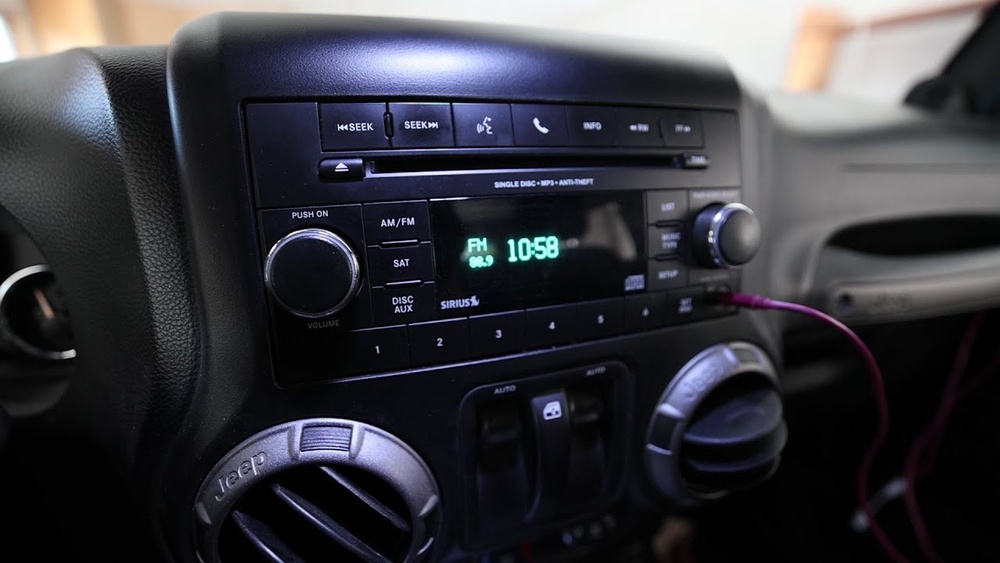
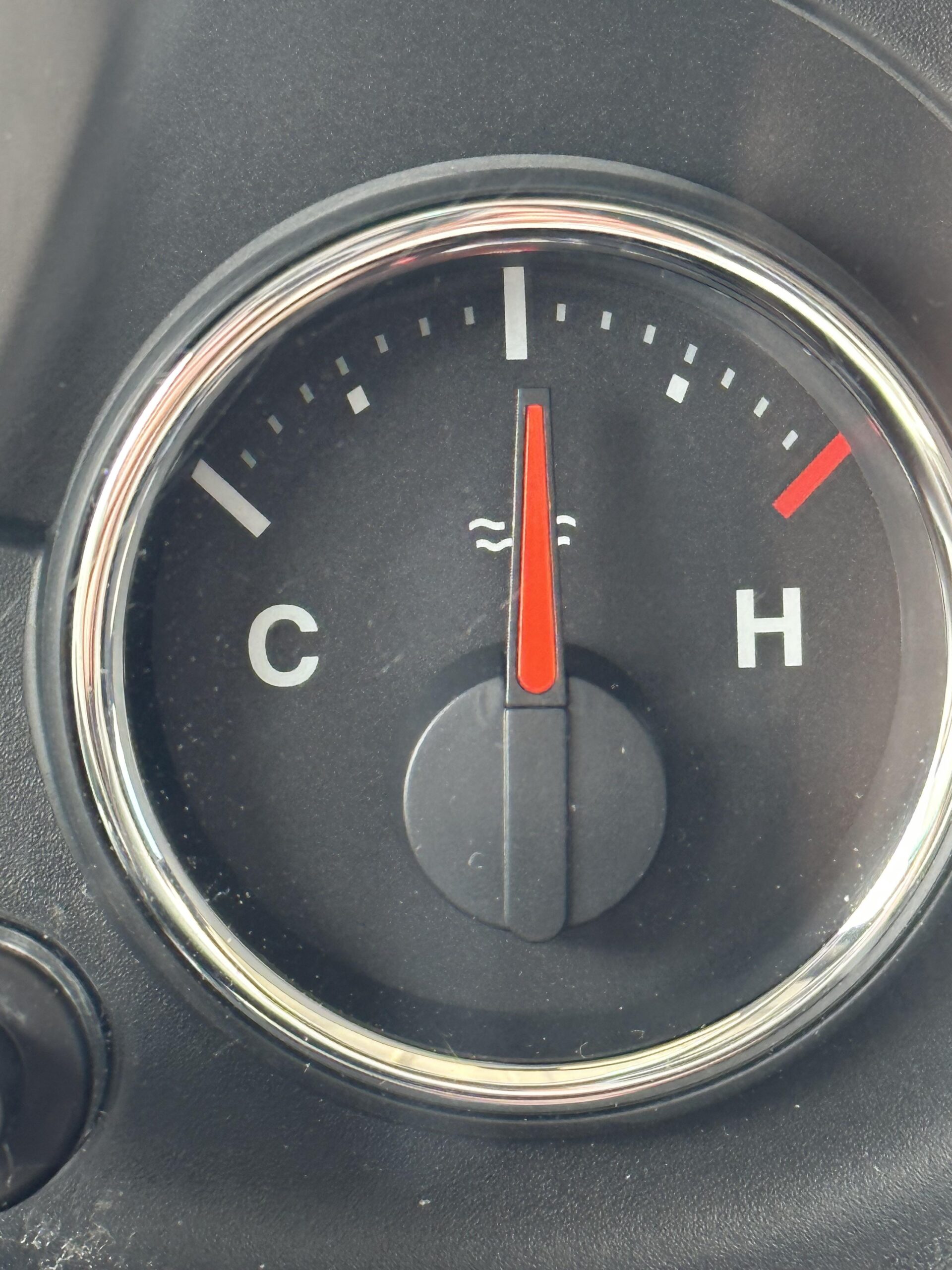
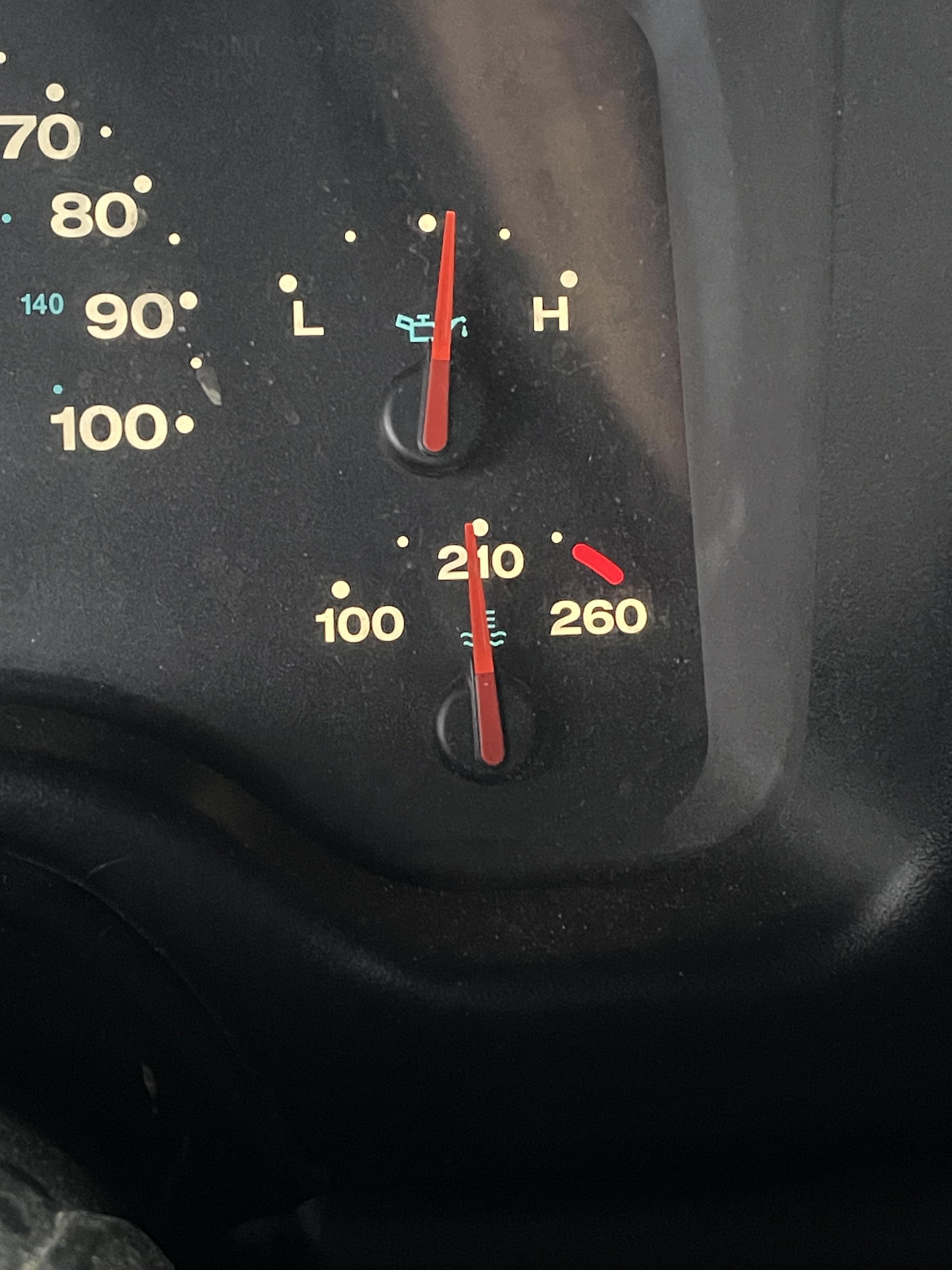
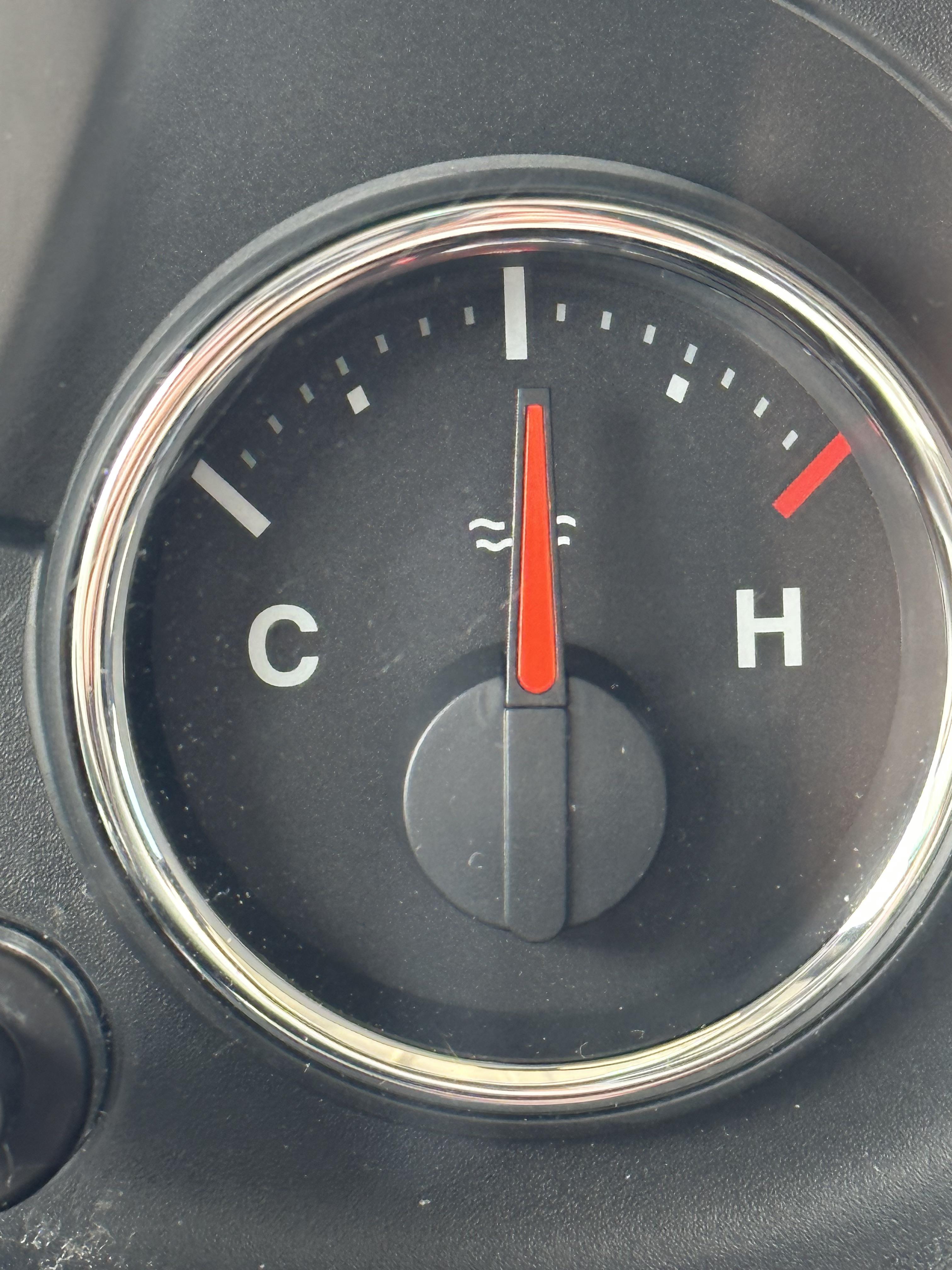
Most Wranglers have a simple analog gauge on the dash, with a “C” (cold) and “H” (hot) marking. The needle usually sits just below the middle after warmup. Some newer models show digital numbers, making it easier to spot small changes.
Typical Gauge Positions
| Gauge Needle Position | Approx. Coolant Temp (°F) | Status |
|---|---|---|
| Left of center | Below 180 | Engine cold, not warmed up |
| Center | 195–220 | Normal operation |
| Right of center | 230+ | Potential overheat risk |
Non-obvious tip: Some Wranglers may show a slightly higher needle reading in traffic or on hot days. This is still normal if it does not reach the red zone.
Factors That Affect Coolant Temperature
Coolant temperature is not always steady. It can change based on:
- Outside Air Temperature: Hot weather makes the cooling system work harder.
- Engine Load: Towing, climbing hills, and heavy cargo can raise the temperature.
- Speed: Slow driving with little airflow (like traffic jams) can cause a short-term rise.
- Coolant Quality: Old or low coolant can’t remove heat as well.
- Radiator Condition: Dirty or blocked radiators can’t cool the liquid fast enough.
Example
You’re crawling up a rocky trail in the summer. The engine works harder, and airflow is low. It’s normal to see the temp climb toward 225°F. As soon as you pick up speed or stop to rest, the temperature should drop back down.
What If Coolant Temperature Is Too High?
A high coolant temperature (above 230°F) is a red flag. If it stays there for more than a few minutes, you risk engine overheating. Here’s what to do:
- Pull Over Safely: Let the engine idle with the heater on full blast. This helps move heat away from the engine.
- Check for Leaks: Look under the Jeep for puddles. A leak means you’re losing coolant.
- Wait Before Opening the Hood: Hot coolant can spray out if you open the cap too soon.
- Add Coolant If Needed: Only after the engine cools down. Use a 50/50 mix of antifreeze and water.
- Call for Help If Needed: If the temperature does not drop, or you see steam, call a tow truck.
Common Causes Of High Temperature
- Low coolant level
- Faulty thermostat (stuck closed)
- Broken radiator fan
- Clogged radiator
- Water pump failure
Non-obvious insight: Some modern Wranglers may trigger a “limp mode” to protect the engine if overheating is detected. This limits power until you fix the issue.
What If Coolant Temperature Is Too Low?
A low coolant temperature (below 180°F) is less urgent but still a problem over time. Possible causes include:
- Thermostat stuck open
- Wrong type of coolant
- Sensor error
A cold engine means poor fuel economy, higher emissions, and more wear on parts. If your gauge stays low after 15 minutes of driving, get the thermostat checked.
How To Monitor Coolant Temperature
Even if you trust your Jeep’s dashboard, there are extra ways to keep an eye on things:
- OBD2 Scanners: Plug into the Jeep’s port for digital temp readings.
- Aftermarket Gauges: Give more precise numbers, useful for off-roaders.
- Smartphone Apps: Some apps connect to the car’s sensors for live data.
Many Jeep owners install extra gauges if they drive in extreme places or tow often. This gives peace of mind and early warning if something goes wrong.
How To Keep Your Jeep Wrangler’s Coolant Temperature Normal
Good maintenance is the best way to keep your engine cool. Here’s what you should do:
- Check Coolant Level Monthly: Top up with the correct mix (usually 50/50 antifreeze and water).
- Change Coolant Every 5 Years or 100,000 Miles: Old coolant loses its ability to protect.
- Inspect Hoses and Belts: Look for cracks or leaks every oil change.
- Clean the Radiator: Blow out dirt and bugs with compressed air, especially after off-roading.
- Test the Thermostat: Replace if your Jeep struggles to reach or hold normal temp.
- Listen for Fan Noise: Electric fans should turn on at high temp or with the AC.
Quick Comparison: Maintenance Items And Timing
| Item | How Often | Why It Matters |
|---|---|---|
| Coolant check | Monthly | Prevents overheating |
| Coolant replacement | 5 years/100,000 miles | Avoids corrosion and deposits |
| Thermostat test | Every 2 years | Ensures proper temp control |
| Radiator cleaning | As needed | Keeps airflow high |
Special Considerations For Modified Or Older Wranglers
If you have an older Jeep or one with engine mods (like superchargers, bigger tires, or lift kits), your cooling needs may change. Mods can make the engine work harder, raising average temperatures. In these cases, consider:
- Installing a larger radiator or high-flow fans
- Using a higher boiling-point coolant
- Adding oil coolers for extreme uses
Older Wranglers (YJ, TJ) may have lower “normal” temps (180–210°F), but always check your owner’s manual for the correct range.
Common Mistakes When Checking Or Managing Coolant Temperature
Many new Jeep owners make these errors:
- Opening the radiator cap while hot: This is dangerous and can cause burns.
- Using the wrong coolant: Always use the type recommended by Jeep (usually HOAT or OAT for newer models).
- Ignoring small leaks: Even tiny leaks can lead to big problems over time.
- Forgetting to bleed air from the system: Air pockets can cause false high readings or hot spots.
- Trusting only the dashboard light: The “check engine” or “hot” light may come on too late. Watch the gauge regularly.
Signs Of A Coolant System Problem In Your Wrangler
Watch out for these warning signals:
- Steam or sweet smell from under the hood
- Rising temp gauge, especially when climbing or towing
- Heater blowing cold air when it should be hot
- Puddles of green, orange, or pink fluid under the vehicle
- Unusual noises (bubbling, hissing) from the engine area
If you notice these signs, act quickly. Early repairs can save your engine.
When To See A Mechanic
Some coolant problems are easy DIY fixes, but others need a pro. Go to a mechanic if:
- You see constant overheating, even after adding coolant
- The gauge spikes quickly from cold to hot
- There’s white smoke from the exhaust (could be a head gasket)
- The temperature swings up and down without reason
A good mechanic can test the system for leaks, check the thermostat, and replace worn parts.
Frequently Asked Questions
<!– wp:rank-math/faq-block {"questions":[{"id":"faq-question-9c49b67b931b","title":"What Is The Ideal Coolant Temperature For My Jeep Wrangler?","content":"The ideal coolant temperature for most modern Jeep Wranglers is between 195°F and 220°F. This ensures the engine runs efficiently without risk of overheating.
“,”visible”:true},{“id”:”faq-question-f58967d6ee1b”,”title”:”Is It Normal For My Jeep Wrangler’s Temperature To Go Above 220°f?”,”content”:”It can be normal during high loads, like climbing hills or towing. The temperature should drop back down once normal driving resumes. If it stays above 220°F for a long time, check for cooling system issues.
“,”visible”:true},{“id”:”faq-question-20ff358e6830″,”title”:”What Type Of Coolant Should I Use In My Wrangler?”,”content”:”Always use the recommended coolant type for your Jeep. Most modern Wranglers need HOAT (Hybrid Organic Acid Technology) or OAT (Organic Acid Technology) coolant. Check your owner’s manual or visit the official Jeep maintenance page.
“,”visible”:true},{“id”:”faq-question-a942d1c94d4d”,”title”:”Why Does My Temperature Gauge Move Up And Down While Driving?”,”content”:”Coolant temperature can change with driving conditions. It may rise in traffic or under heavy load, then fall when cruising. This is normal if the gauge returns to the center range.
“,”visible”:true},{“id”:”faq-question-0d74974d85f8″,”title”:”How Do I Know If My Wrangler Is Overheating?”,”content”:”Warning signs include a temperature gauge in the red, steam from the hood, or a “check engine” light. Pull over safely, turn off the engine, and let it cool before checking the coolant level.
Keeping your Jeep Wrangler’s coolant temperature in the normal range is one of the simplest ways to protect your engine and enjoy trouble-free driving. With regular maintenance and attention to the gauge, you can handle any road or trail with confidence.
“,”visible”:true}]} –>What Is The Ideal Coolant Temperature For My Jeep Wrangler?
The ideal coolant temperature for most modern Jeep Wranglers is between 195°F and 220°F. This ensures the engine runs efficiently without risk of overheating.
Is It Normal For My Jeep Wrangler’s Temperature To Go Above 220°f?
It can be normal during high loads, like climbing hills or towing. The temperature should drop back down once normal driving resumes. If it stays above 220°F for a long time, check for cooling system issues.
What Type Of Coolant Should I Use In My Wrangler?
Always use the recommended coolant type for your Jeep. Most modern Wranglers need HOAT (Hybrid Organic Acid Technology) or OAT (Organic Acid Technology) coolant. Check your owner’s manual or visit the official Jeep maintenance page.
Why Does My Temperature Gauge Move Up And Down While Driving?
Coolant temperature can change with driving conditions. It may rise in traffic or under heavy load, then fall when cruising. This is normal if the gauge returns to the center range.
How Do I Know If My Wrangler Is Overheating?
Warning signs include a temperature gauge in the red, steam from the hood, or a “check engine” light. Pull over safely, turn off the engine, and let it cool before checking the coolant level.
Keeping your Jeep Wrangler’s coolant temperature in the normal range is one of the simplest ways to protect your engine and enjoy trouble-free driving. With regular maintenance and attention to the gauge, you can handle any road or trail with confidence.