If your ABS light is on or you notice strange braking behavior in your 2014 Jeep TJ, the wheel speed sensor could be the problem. This small sensor sits near each wheel and helps your Jeep’s computer understand how fast each wheel is turning. If it fails, you can lose ABS and traction control features. Many drivers are unsure about how to remove and replace it. This guide walks you through every step, making the process clear even if you’re new to car repair.
What Is A Wheel Speed Sensor?
A wheel speed sensor is an electronic device that measures how fast your Jeep’s wheels spin. It sends information to the ABS and traction control system. When one wheel turns slower (or stops), the computer can reduce brake pressure to prevent skidding. In a 2014 Jeep TJ, these sensors are located at each wheel hub. If a sensor fails, your Jeep may show warning lights and disable safety systems.
Signs Your 2014 Jeep Tj Wheel Speed Sensor Needs Removal
You should consider removing or replacing your wheel speed sensor if you notice:
- ABS warning light on your dashboard
- Traction control light stays on
- Brakes act strangely (pulsing, grabbing, or releasing)
- Speedometer issues (not common, but possible)
- Error codes from a scan tool (like P0500 or C1234)
A faulty sensor can also cause your Jeep to lose anti-lock braking, making it less safe in emergencies.

What You’ll Need For Removal
Before you start, gather these tools and items:
- Socket set (8mm, 10mm, 13mm usually needed)
- Ratchet
- Flathead screwdriver
- Torx bit set
- Jack and jack stands
- Wheel chocks
- Replacement wheel speed sensor (check compatibility)
- Safety gloves
- Penetrating oil (like WD-40)
- Wire brush
- Shop rags
Having everything ready will save you time and prevent mistakes. Always work on a cool vehicle and wear safety gear.
Step-by-step: How To Remove The 2014 Jeep Tj Wheel Speed Sensor
Removing a wheel speed sensor is simple if you follow these steps carefully. Let’s break it down:
1. Park Your Jeep Safely
Choose a level surface. Put your Jeep in park (or neutral for manuals), apply the parking brake, and use wheel chocks behind the tires.
2. Lift The Jeep
Use a jack to lift the wheel you’re working on. Place jack stands under the frame for safety. Never rely only on the jack.
3. Remove The Wheel
Loosen the lug nuts with your socket and remove the wheel. This gives you clear access to the sensor.
4. Locate The Wheel Speed Sensor
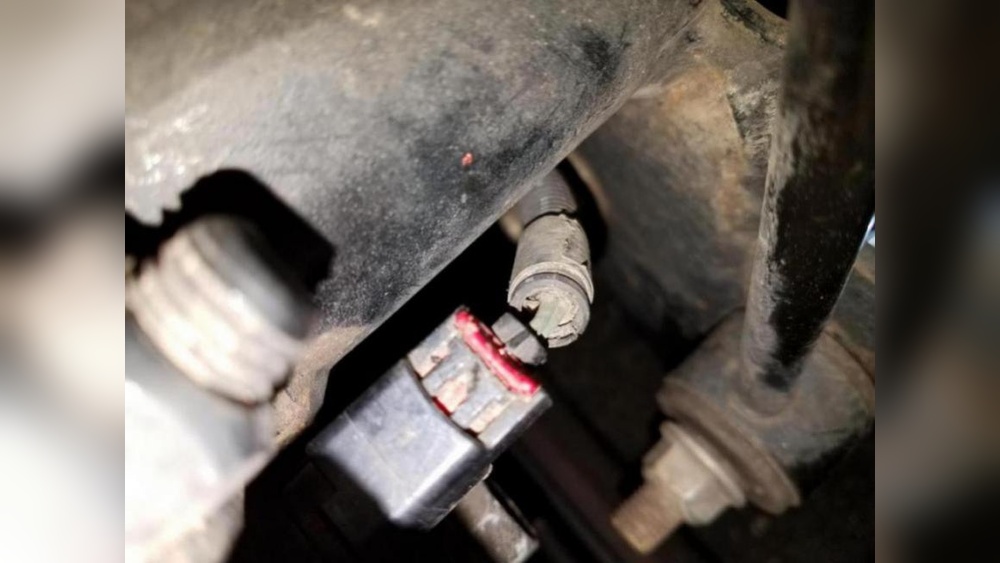
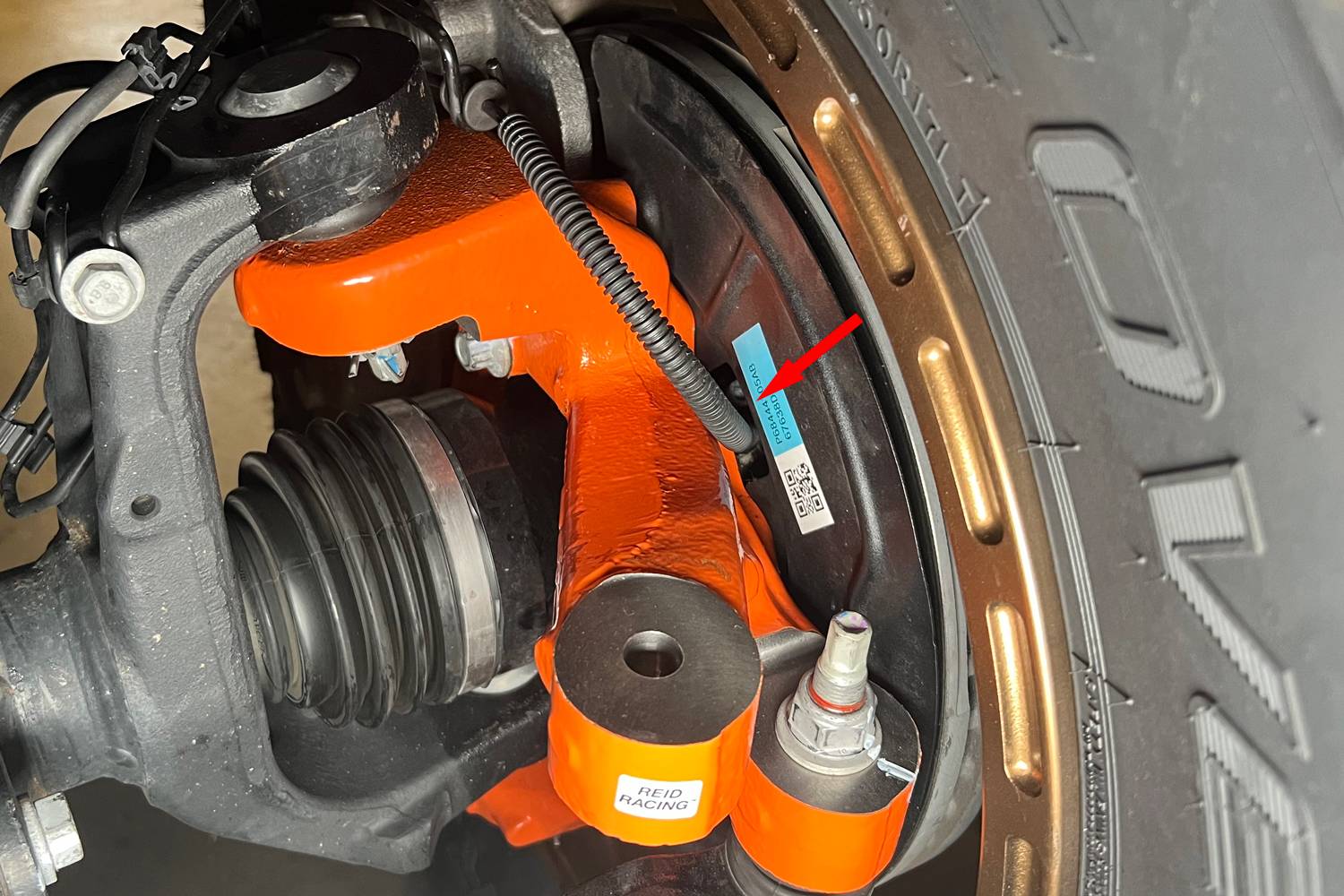
The sensor sits near the brake rotor, often attached with a small bolt. Follow the wire from the sensor to the connector.
5. Disconnect The Sensor’s Wire
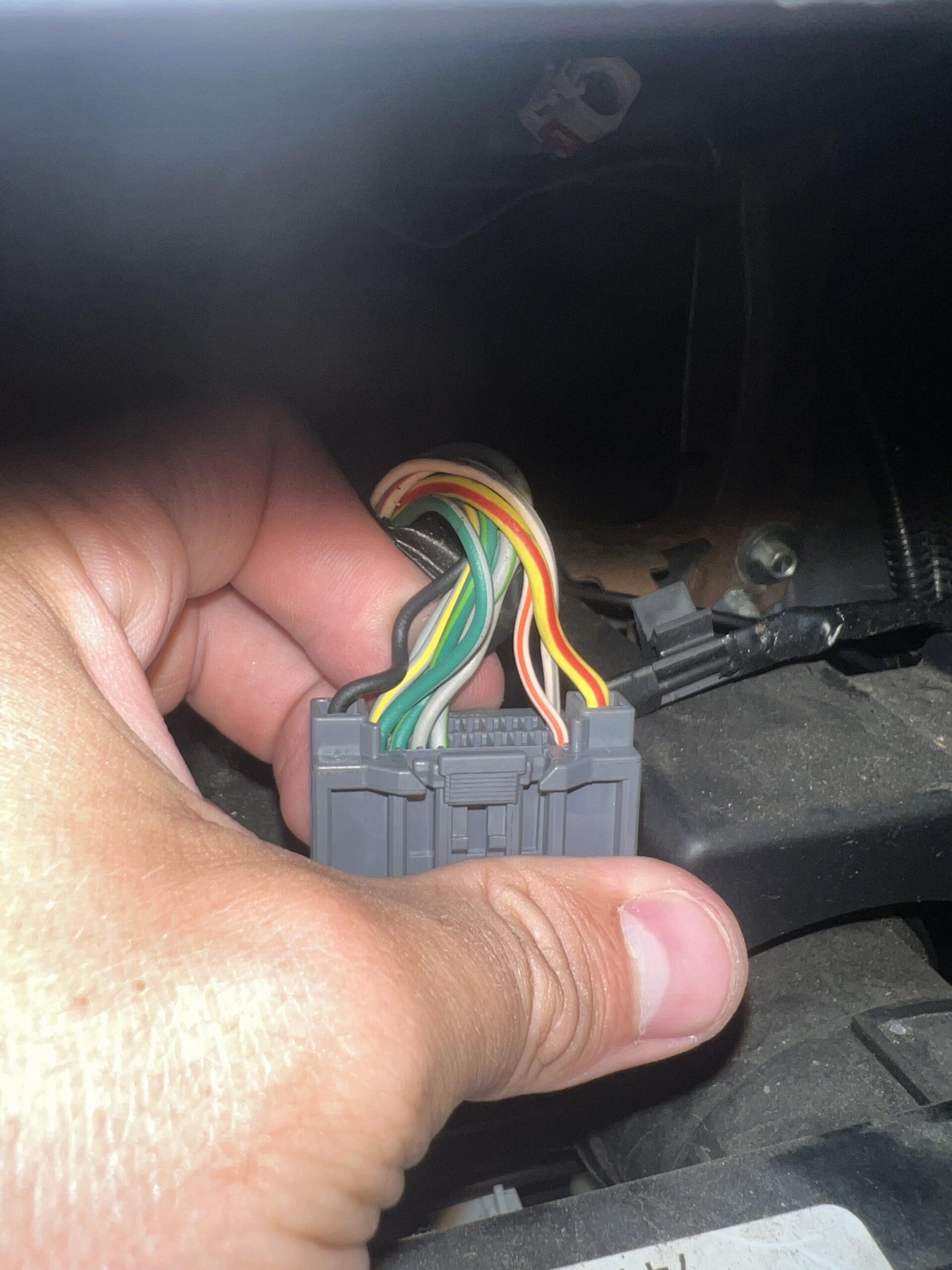
Find the electrical connector (usually a plastic plug). Press the tab and pull gently. If it’s stuck, use a flathead screwdriver to help.
6. Remove The Sensor Bolt
Use the correct socket or Torx bit to remove the bolt holding the sensor to the hub. If it’s rusted, spray penetrating oil and wait a few minutes.
7. Extract The Sensor
Gently wiggle the sensor out. If it’s stuck, use a wire brush to clean around it. Avoid prying too hard—you could damage the hub.
8. Inspect The Sensor Area
Check for dirt, corrosion, or damage where the sensor sits. Clean with a rag and brush. This helps your new sensor work correctly.
9. Compare Old And New Sensor
Before installing a new sensor, compare them side by side. The connectors, length, and mounting points should match.
10. Finish Up
If you’re just removing, stop here. If you’re replacing, simply reverse these steps. Reconnect the wire, bolt the sensor in place, and put your wheel back on.
Data Table: Common Jeep Tj Wheel Speed Sensor Locations
Here’s a quick comparison of where you’ll find each sensor on your Jeep:
| Wheel Position | Sensor Location | Mounting Type |
|---|---|---|
| Front Left | Near brake rotor, hub assembly | Bolted (Torx or hex bolt) |
| Front Right | Near brake rotor, hub assembly | Bolted (Torx or hex bolt) |
| Rear Left | Axle housing, near backing plate | Bolted (hex bolt) |
| Rear Right | Axle housing, near backing plate | Bolted (hex bolt) |
Tips For Easy Removal
Some sensors are harder to remove due to rust or dirt. Here are a few tips:
- Apply penetrating oil to the bolt and sensor base before removal.
- Use a wire brush to clean the area.
- If the sensor is stuck, gently twist it back and forth.
- Never force the sensor out. If it’s very stubborn, heat the area slightly or consult a mechanic.
Many beginners forget to clean the sensor hole before installing a new sensor. This can cause error codes or poor sensor readings.
Mistakes To Avoid
Avoid these common errors:
- Forgetting to disconnect the battery: While not always necessary, disconnecting the battery prevents accidental shorts.
- Pulling the sensor by the wire: Always grip the sensor body, not the wire.
- Ignoring corrosion: Clean the area well, or your new sensor may fail quickly.
- Using the wrong sensor: Double-check part numbers and compatibility. Jeep TJ sensors are not universal.
- Not torquing bolts: Over-tightening can break the sensor, under-tightening can cause it to fall out.
Comparison Table: Aftermarket Vs Oem Wheel Speed Sensors
If you’re replacing the sensor, you’ll notice two main options: OEM (original equipment) and aftermarket. Here’s how they compare:
| Type | Price Range | Warranty | Durability |
|---|---|---|---|
| OEM | $40–$80 | 12–24 months | High |
| Aftermarket | $20–$50 | 6–12 months | Medium |
OEM sensors last longer and fit perfectly, but cost more. Aftermarket sensors work well if you’re on a budget, but can be less reliable.
Real Example: Abs Warning Light Fix
A Jeep TJ owner noticed the ABS light stayed on after driving through mud. Scanning for codes showed a faulty rear right sensor. After removing the wheel and sensor, they found mud had blocked the sensor area. Cleaning and replacing the sensor fixed the problem—ABS and traction control worked again.
This shows how dirt and debris can cause sensor issues. Always check for blockage before replacing the sensor.
Non-obvious Insights
- Wheel speed sensors can fail from electrical issues, not just dirt. If the wire is damaged, you need to replace the sensor and check the harness.
- ABS and traction control may reset after a short drive. Sometimes, the warning light stays on until the Jeep moves a few feet with the new sensor installed.
- Sensor bolts can be specific to the model year. Always check your 2014 Jeep TJ’s manual for bolt size and torque specs.
Many people overlook these details, leading to repeated sensor failures or unresolved warning lights.
Data Table: Torque Specifications For Sensor Bolts
Proper torque ensures your sensor stays secure. Here are typical specs for 2014 Jeep TJ sensors:
| Sensor Location | Bolt Size | Torque (ft-lbs) |
|---|---|---|
| Front | 8mm | 7–9 ft-lbs |
| Rear | 10mm | 10–12 ft-lbs |
Check your Jeep’s manual for exact numbers, especially if you use aftermarket bolts.
When To Call A Mechanic
Removing a wheel speed sensor is possible for most DIYers, but you should call a mechanic if:
- The sensor is deeply rusted or stuck
- The wire harness is damaged
- You have trouble clearing error codes after replacement
- You lack tools or confidence
Professional help can prevent costly mistakes and keep your Jeep safe.

What Does A Wheel Speed Sensor Do In My Jeep Tj?
The wheel speed sensor measures the speed of each wheel and sends data to the ABS and traction control systems. If it fails, your Jeep may lose these safety features.
Can I Drive My Jeep Tj With A Faulty Wheel Speed Sensor?
You can drive, but it’s not safe. ABS and traction control may not work, making your Jeep harder to control in emergencies or slippery conditions.
How Much Does A New Wheel Speed Sensor Cost?
A typical sensor for the 2014 Jeep TJ costs $20–$80 depending on whether you choose aftermarket or OEM. Labor costs can add $50–$100 if you hire a mechanic.
How Can I Tell Which Wheel Speed Sensor Is Bad?
Use an OBD-II scan tool to read error codes. The code will usually tell you which sensor (front left, rear right, etc.) is faulty.
Where Can I Learn More About Jeep Tj Wheel Speed Sensors?
You can find detailed information and community advice at JeepForum, which is a trusted resource for Jeep owners.
Removing the wheel speed sensor on your 2014 Jeep TJ is a straightforward job if you take your time and follow each step. Having the right tools, checking for dirt or corrosion, and paying attention to torque specs will help you avoid common mistakes.
If you’re ever unsure, don’t hesitate to seek expert help. Your Jeep’s safety systems depend on these sensors, so careful removal and replacement are key to keeping your vehicle safe and reliable.