Many Jeep Wrangler owners experience confusing dash lights at some point. These lights can signal problems, maintenance needs, or simply errors. When they stay on after you fix the issue, it’s frustrating. Resetting dash lights is a common task but not always straightforward.
If you’re new to Jeeps or just want a clear guide, this article will walk you through the process, step by step. You’ll learn what these lights mean, how to reset them safely, and mistakes to avoid.
We’ll also compare different models, show how technology changes the reset process, and answer common questions.
Understanding Jeep Wrangler Dash Lights
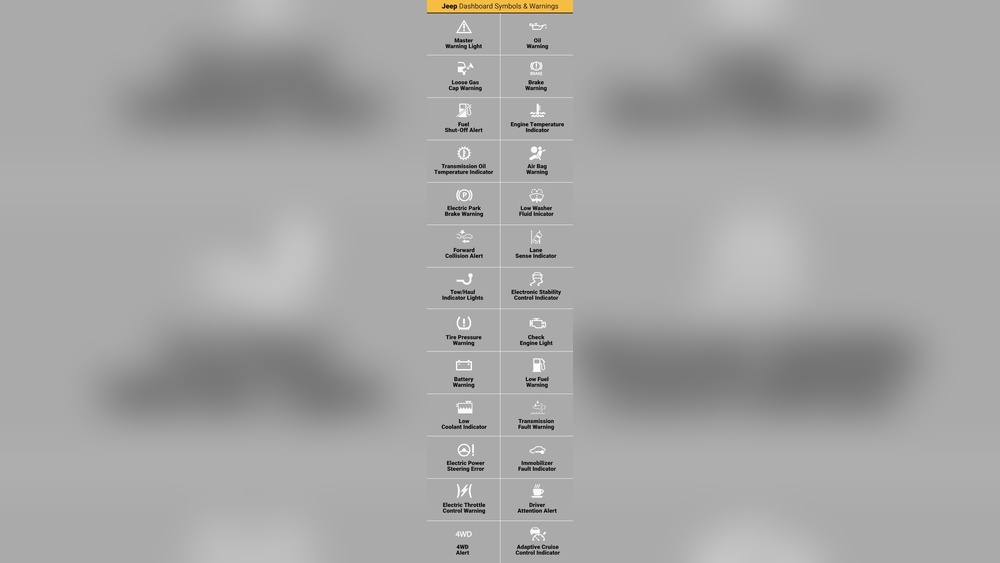
Jeep Wrangler dash lights cover many warnings and notifications. Some are simple reminders, like the oil change light or seatbelt warning. Others, such as the check engine light, can mean more serious issues.
Dash lights usually fall into three categories:
- Warning lights: Signal urgent problems (engine, brakes, airbags).
- Service lights: Remind you of regular maintenance (oil, tire pressure).
- Indicator lights: Show something is turned on/off (headlights, turn signals).
Each light’s color tells you how urgent it is:
- Red: Immediate action needed
- Yellow/Amber: Caution, check soon
- Green/Blue: System is working as intended
For example, a red battery light means your Jeep may lose power soon. A yellow ABS light suggests your anti-lock brakes need attention, but you can still drive carefully.
Why Dash Lights Stay On
Sometimes dash lights stay on even after you fix the problem. This happens for several reasons:
- The system needs a manual reset after repairs.
- The sensor didn’t register the fix.
- There’s a deeper electrical issue.
In newer Jeep Wranglers, computers track every system. If you replace a part but don’t reset the computer, the light can stay on. For instance, after changing the oil, the oil change light may still glow until you reset it.
How To Reset Dash Lights On Jeep Wrangler
Resetting dash lights depends on the light type and your Wrangler’s model year. Here’s how to reset the most common lights:
1. Oil Change Light Reset
For most Jeep Wranglers (2007 and newer):
- Turn the ignition to the ON position (do not start the engine).
- Press the gas pedal slowly three times within 10 seconds.
- Turn the ignition OFF.
- Start the engine; the oil light should be gone.
Older models may require a different process. Always check your owner’s manual.
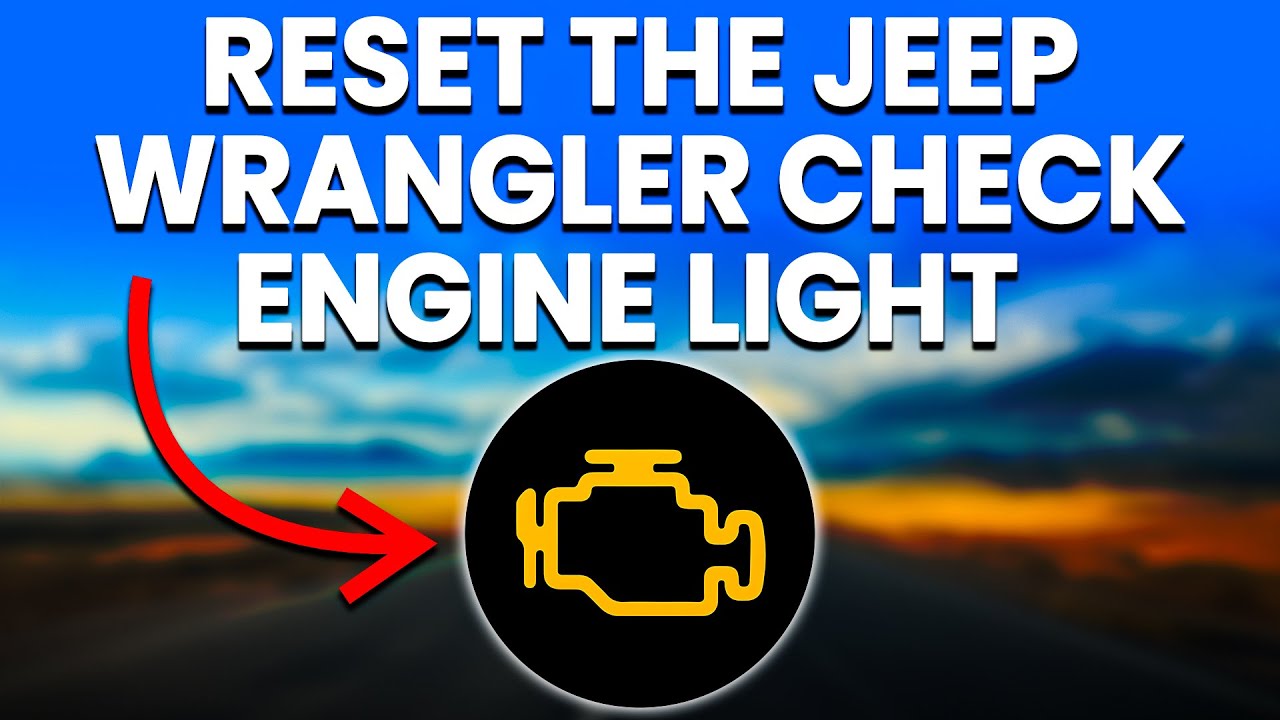
2. Check Engine Light Reset
This light often signals issues with the engine or emissions. After fixing the problem, you can reset the light:
Method A: Disconnect the Battery
- Turn off the engine.
- Open the hood and disconnect the negative battery cable.
- Wait 15–30 minutes.
- Reconnect the cable.
- Start the Jeep. The check engine light should be off.
Method B: OBD-II Scanner
This is the most reliable method for newer Wranglers.
- Plug an OBD-II scanner into the port under the dash.
- Turn the ignition ON.
- Use the scanner to clear codes.
- Start the engine. The light should reset.
3. Tire Pressure Monitoring System (tpms) Light Reset
This light warns about low tire pressure. After inflating tires, the light often turns off automatically. If not:
- Drive for at least 10 minutes at speeds above 15 mph.
- If the light stays on, reset it with an OBD-II scanner.
4. Other Common Lights
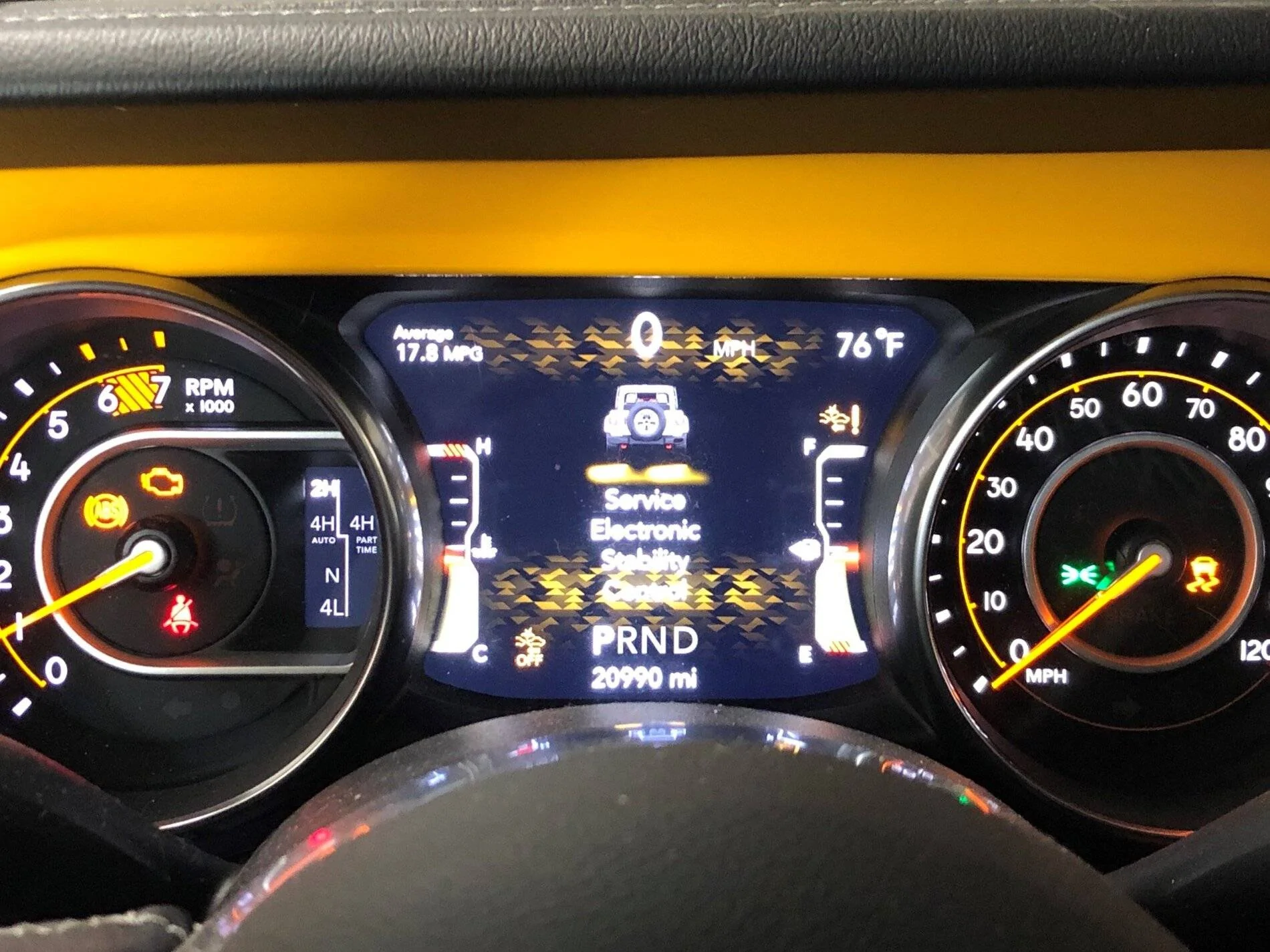
- ABS Light: Usually needs an OBD-II scanner to clear.
- Airbag Light: Often requires professional equipment.
- Service Reminder: Follow the oil light reset steps.
Table: Common Dash Lights And Reset Methods
| Dash Light | Usual Cause | Reset Method |
|---|---|---|
| Oil Change Light | Oil change required | Gas pedal reset |
| Check Engine Light | Engine/Emissions issue | Battery disconnect or OBD-II scanner |
| TPMS Light | Low tire pressure | Drive or OBD-II scanner |
| ABS Light | Brake system issue | OBD-II scanner |
| Airbag Light | Airbag system fault | Professional reset |
Differences Between Jeep Wrangler Generations
Resetting dash lights isn’t the same for every Wrangler. The process depends on your Jeep’s generation and the technology inside.
Table: Wrangler Generations And Dash Light Reset Methods
| Generation | Years | Reset Method | Notes |
|---|---|---|---|
| YJ | 1987–1995 | Manual, few dash lights | Simple systems, rarely need resets |
| TJ | 1997–2006 | Manual, some OBD-II | OBD-II introduced late |
| JK | 2007–2018 | OBD-II, gas pedal, battery disconnect | Most common reset methods apply |
| JL | 2018–present | OBD-II, advanced systems | Professional tools sometimes needed |
Example: Resetting On A 2019 Jl
If you own a 2019 Jeep Wrangler JL, you’ll likely need an OBD-II scanner for most resets. Advanced electronics mean the old battery-disconnect trick sometimes fails. For things like the airbag light, only a certified technician can reset it.
Common Mistakes When Resetting Dash Lights
Even experienced owners make mistakes. Here are a few to watch out for:
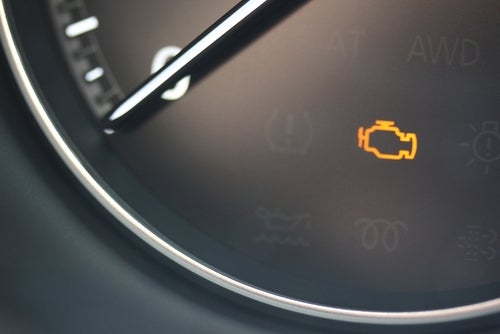
- Ignoring the root cause: Resetting a light without fixing the problem can cause bigger issues. For example, clearing a check engine light when the engine still has a fault can harm your Jeep.
- Using the wrong reset method: Not all lights reset the same way. Oil change lights use the gas pedal, but ABS needs a scanner.
- Disconnecting the battery incorrectly: Removing both cables or reconnecting too quickly can damage electronics.
- Skipping OBD-II scanning: Modern Jeeps often need code clearing. Not scanning means the light returns soon.
- Resetting at the wrong time: Some resets require the engine OFF, others ON. Always follow the steps closely.
When To Seek Professional Help
Some dash lights need expert attention. If you see the airbag light or your Jeep won’t reset after several tries, visit a certified mechanic. Safety systems like airbags and ABS are complex. A mistake can risk your safety or void your warranty.
If your Jeep has frequent electrical issues, or multiple lights stay on, don’t guess. Modern Wranglers have advanced computers, and DIY resets sometimes make things worse.
Tools You Need For Resetting Dash Lights
You don’t need expensive tools for basic resets, but having the right equipment helps.
Essential Tools:
- OBD-II scanner: Lets you read and clear codes. Some cost as little as $30, others offer advanced features.
- Socket wrench: Useful for disconnecting the battery.
- Owner’s manual: Always check it for model-specific steps.
Table: Obd-ii Scanner Options
| Scanner Type | Price Range | Features | Best For |
|---|---|---|---|
| Basic Handheld | $30–$60 | Read/clear codes | DIY owners |
| Bluetooth Adapter | $20–$50 | Works with phone apps | Tech-savvy users |
| Professional Tool | $100–$500 | Advanced diagnostics | Mechanics/advanced users |
Non-obvious insight: Not all OBD-II scanners work with every Jeep model. Check compatibility before buying—some cheaper tools won’t clear ABS or airbag codes.
Preventing Dash Light Issues
While dash lights are helpful, you can prevent unnecessary warnings:
- Maintain your Jeep: Regular oil changes, tire checks, and brake inspections.
- Use quality parts: Cheap sensors and components can cause false warnings.
- Check battery health: Weak batteries trigger random lights.
- Keep software updated: Some newer Jeeps need software updates to fix dash light bugs.
Tip: If you often see random dash lights, ask your dealer about software recalls. Jeep sometimes releases updates to fix electrical glitches.
Real-world Example: Resetting After Off-roading
After a tough off-road trip, many Jeep owners see unexpected dash lights. Mud, water, and vibrations can trigger sensors. One owner reported seeing the ABS light and TPMS light after deep mud driving. The solution was:
- Clean sensors and wheels.
- Inflate tires to correct pressure.
- Use an OBD-II scanner to clear remaining codes.
Insight: Off-roading can loosen connections or damage sensors. If lights return after cleaning and resetting, check for broken wires.
Jeep Wrangler Dash Lights: Data And Statistics
- Over 70% of Jeep owners report seeing the check engine light at least once per year (source: Jeep forums).
- About 40% of dash light issues are caused by sensor errors, not real problems.
- Nearly 90% of oil change lights stay on until manually reset, even after oil service.
These numbers show how common dash light confusion is. Most issues are simple, but a small percentage signal real faults.
How Long Does It Take To Reset Dash Lights?
Most dash light resets take 5–15 minutes. Simple oil light resets are fast, while check engine resets may require more time if you use an OBD-II scanner.
Can I Reset Dash Lights Without Tools?
Yes, some lights, like the oil change reminder, can be reset using just the gas pedal. Others, like check engine or ABS lights, need an OBD-II scanner or professional tools.
Will Disconnecting The Battery Erase All Dash Lights?
Disconnecting the battery can reset some lights, like the check engine warning, but not all. Advanced systems (ABS, airbag) often require a scanner. Always wait at least 15 minutes for a full reset.
Are All Jeep Wrangler Dash Lights Reset The Same Way?
No, each light and generation may require a different method. Newer Wranglers (JL) rely more on computers and scanners, while older models (YJ, TJ) use simpler systems.
Where Can I Find More Details About Jeep Dash Lights?
For official guidance, visit the Jeep owner’s manual or the Jeep official site.
Resetting dash lights on a Jeep Wrangler isn’t complicated if you know the steps. Always fix the underlying issue first, then reset the light. Use the right tools for your model, and don’t hesitate to ask a professional if needed.
Dash lights are your Jeep’s way of talking to you listen carefully, respond properly, and your Wrangler will stay reliable for years to come.