If your Jeep is making a low humming noise, shaking when you drive, or pulling to one side, you might have a bad wheel bearing. This small part plays a big role in keeping your wheels spinning smoothly. Replacing a wheel bearing can sound hard, but with the right tools and some patience, many Jeep owners can do it themselves. This guide walks you through the process, shares real tips, and highlights what most first-timers miss.
Why Wheel Bearings Matter On Your Jeep
Wheel bearings let your wheels turn freely with little friction. They also help support the weight of your Jeep.
When a bearing fails, it can cause uneven tire wear, poor handling, and even dangerous accidents if the wheel locks up or falls off.
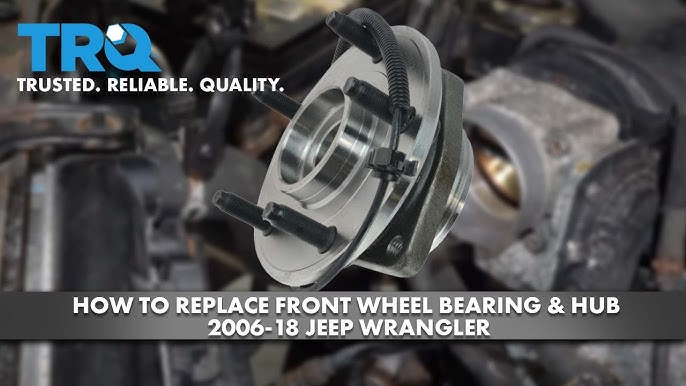
Jeeps, especially those used for off-roading, can wear out bearings faster due to mud, water, and rough terrain.
If you’re not sure if your Jeep’s wheel bearing is bad, look for these signs:
- Grinding or humming noise from the wheel area
- Vibration that gets worse as you drive faster
- Loose steering or play in the wheel
- ABS or traction control lights turning on
Ignoring a bad wheel bearing can damage other parts, like the hub or brakes, and lead to costly repairs.
Tools And Parts You’ll Need
Before starting, gather everything you need. This makes the job smoother and safer. Here’s what you’ll need for most Jeep models (like Wrangler, Cherokee, Grand Cherokee, and others):
- New wheel bearing and hub assembly (check your Jeep’s year/model)
- Jack and jack stands (never rely on a jack alone)
- Lug wrench or breaker bar
- Socket set (common sizes: 13mm, 15mm, 21mm, 32mm)
- Torque wrench
- Hammer
- Pry bar
- Screwdrivers
- Needle-nose pliers
- Axle nut socket (often 32mm or 36mm)
- Penetrating oil (like PB Blaster)
- Anti-seize compound
- Work gloves and eye protection
A slide hammer or bearing puller can help on stubborn hubs, but isn’t always needed.
Step-by-step Guide: How To Change Jeep Wheel Bearing
Changing a wheel bearing takes about 1-2 hours per wheel if you have some mechanical experience. Plan ahead, work safely, and don’t rush.
1. Preparation And Safety
- Park on a flat surface.
- Set the parking brake.
- Loosen the lug nuts on the wheel you’re working on, but don’t remove them yet.
- Use a jack to lift the Jeep and place it securely on jack stands.
- Remove the wheel.
Tip: Place the removed wheel under the Jeep for extra safety.
2. Remove Brake Components
- Remove the caliper bolts (usually 13mm or 15mm) and carefully slide the caliper off.
- Hang the caliper with a bungee cord or wire—never let it dangle by the hose.
- Remove the brake pads and set them aside.
- Pull off the brake rotor. If it’s stuck, tap it gently with a hammer.
- Some Jeeps have a brake caliper bracket—remove this if needed.
Non-obvious insight: Check your brake pads and rotors while they’re off. This is a perfect time to replace worn parts, saving you work later.
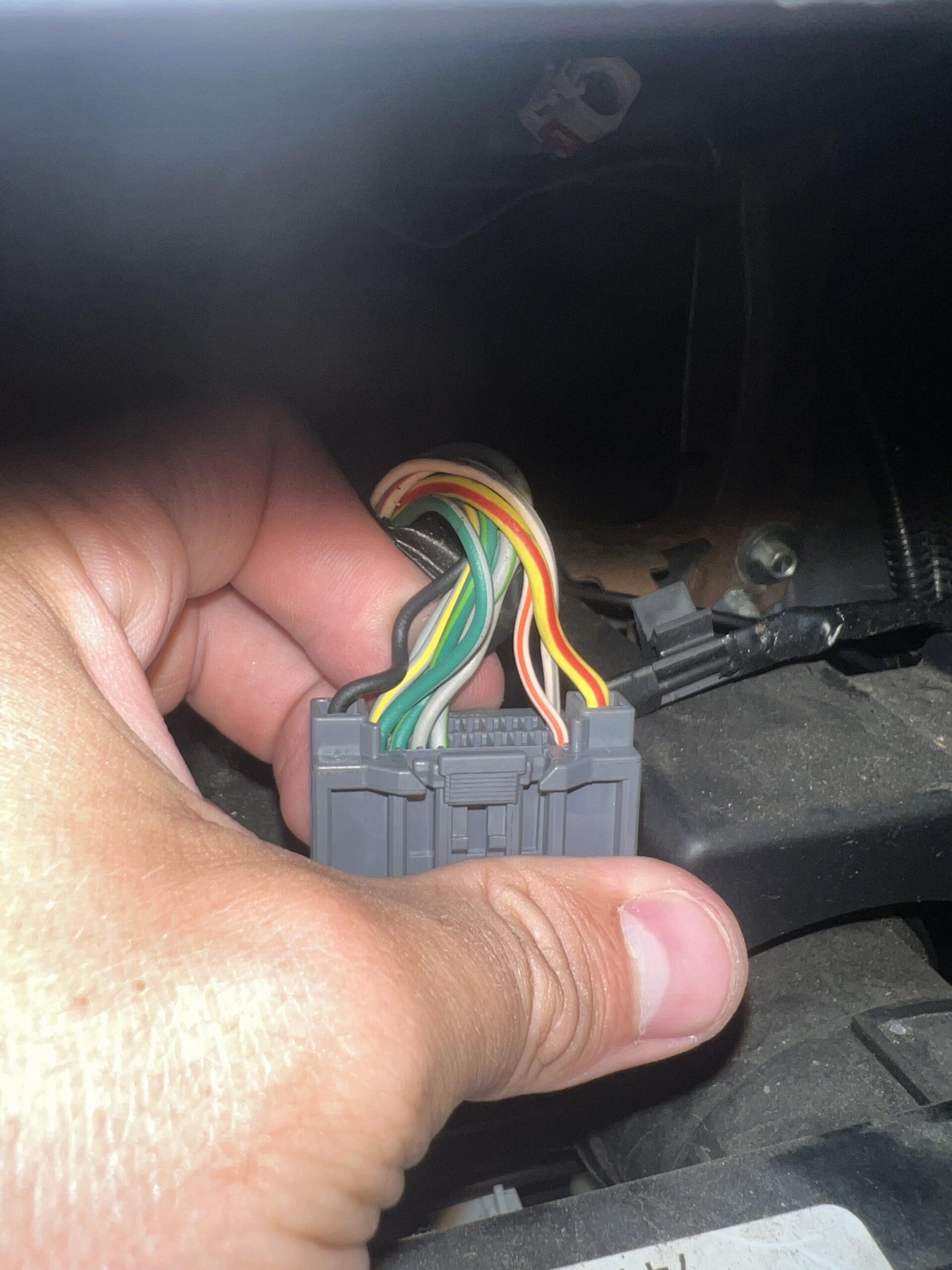
3. Disconnect The Wheel Speed Sensor
Modern Jeeps have an ABS wheel speed sensor. Find the sensor wire on the back of the hub, unplug it, and carefully remove any clips or screws holding it in place. Don’t force the connector—it can break easily.
4. Remove The Axle Nut
- Use a large socket (often 32mm or 36mm) and a breaker bar to remove the axle nut.
- You might need to have someone press the brake pedal, or use a pry bar in the rotor vents to keep the hub from spinning.
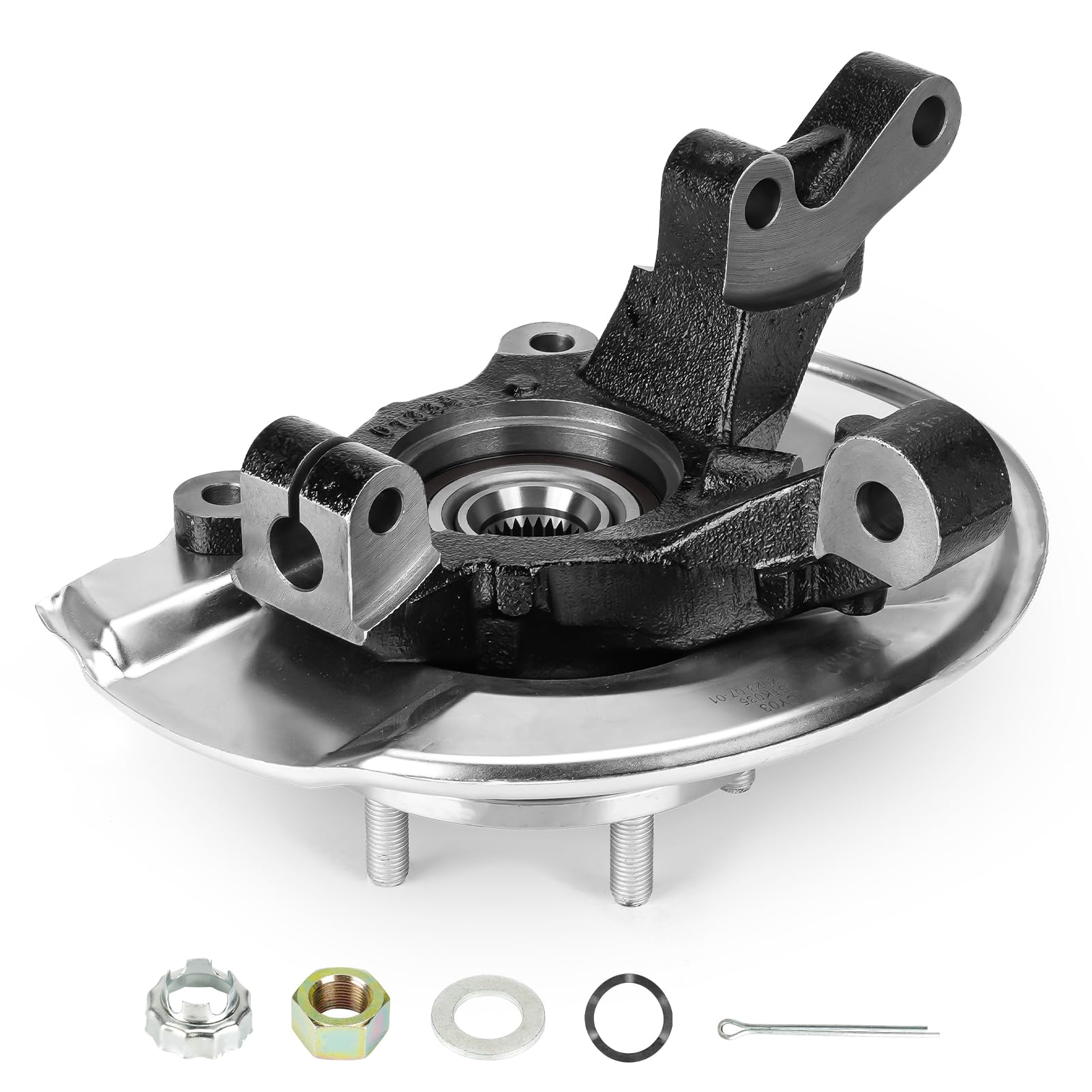
5. Remove The Wheel Hub/bearing Assembly
- Spray penetrating oil on the three or four hub bolts behind the knuckle.
- Remove these bolts with your socket set.
- Tap the hub with a hammer to break it free. If it’s stuck, use a pry bar or a slide hammer.
- Pull the hub and bearing assembly off the axle.
Pro tip: In rust-prone areas, the hub can be stuck tight. Patience and repeated oiling help. Don’t hit the axle threads; they can be damaged easily.
6. Clean And Prepare Surfaces
- Scrape off any rust or debris from the knuckle where the new hub will sit.
- Wipe the area clean.
- Apply a thin layer of anti-seize compound to prevent future rust.
7. Install The New Wheel Bearing
- Slide the new bearing assembly onto the axle and align the bolt holes.
- Start all the bolts by hand to avoid cross-threading, then tighten them evenly.
- Use a torque wrench to tighten the bolts to the factory spec (often 75–100 ft-lbs, but check your Jeep’s manual).
Non-obvious insight: Some aftermarket bearings come with extra ABS sensor wires or mounting features. Compare old and new parts before installation to avoid surprises.
8. Reassemble Components
- Reinstall the axle nut and torque it to spec (often 150–180 ft-lbs).
- Plug in the ABS sensor and secure any clips.
- Slide the rotor and caliper bracket (if removed) back into place.
- Reinstall the brake pads and caliper.
- Tighten all bolts to spec.
9. Final Steps
- Mount the wheel and hand-tighten the lug nuts.
- Lower the Jeep off the jack stands.
- Tighten the lug nuts fully in a star pattern to factory spec (usually 95–110 ft-lbs).
- Pump the brake pedal before driving to seat the pads.
10. Test Drive
Start with a slow drive around the block. Listen for odd noises.
If everything feels normal, increase speed and test for vibration, noise, or warning lights.
Comparison: Jeep Wheel Bearing Vs. Other Vehicles
Not all wheel bearings are the same. Here’s how Jeep bearings compare to other common vehicles:
| Feature | Jeep Wrangler | Honda CR-V | Ford F-150 |
|---|---|---|---|
| Typical Bearing Type | Unitized Hub Assembly | Press-In Bearing | Unitized Hub Assembly |
| Ease of Replacement | Medium | Hard (requires press) | Medium |
| Common Tools Needed | Socket Set, Hammer | Press, Snap-Ring Pliers | Socket Set, Pry Bar |
| Replacement Cost (DIY) | $80–$150/side | $50–$100/side | $100–$180/side |
Insight: Many Jeep models use a unitized hub assembly, which is easier for DIY jobs than press-in bearings found in many cars.
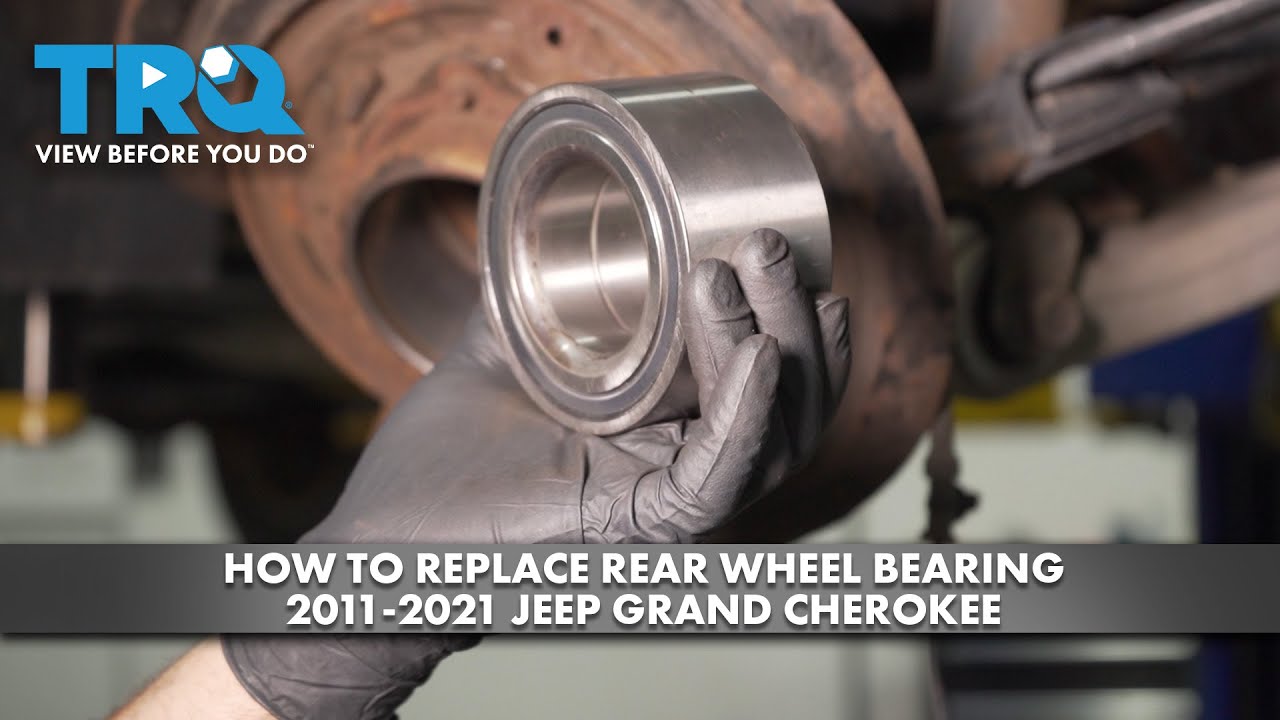
Common Mistakes When Changing Jeep Wheel Bearings
Even careful owners make mistakes. Here are the most common and how to avoid them.
- Skipping the ABS sensor: Forgetting to reconnect or damaging the sensor can trigger warning lights and disable ABS.
- Not using a torque wrench: Guessing torque can cause bolts to loosen or strip.
- Reusing old hardware: Some bolts are “one-time use” and should be replaced.
- Not cleaning the mounting surface: Rust or debris can cause the new bearing to sit crooked, leading to early failure.
- Ignoring other worn parts: Check ball joints, tie rods, and brakes while you have things apart.
When To See A Mechanic
DIY isn’t for everyone. If you run into these problems, it’s best to get help:
- Severe rust or seized parts you can’t free
- Unusual axle or hub design
- Noisy or rough feeling when spinning the axle after bearing removal
- Unclear torque specs for your model
A pro job can cost $300 $500 per wheel, but saves time and risk.
Cost Breakdown: Diy Vs. Mechanic
Here’s a look at the typical costs for changing a Jeep wheel bearing yourself versus hiring a professional:
| Expense | DIY | Mechanic |
|---|---|---|
| Parts (per wheel) | $80–$150 | $80–$150 |
| Labor | $0 | $200–$350 |
| Tools | $50–$100 (if not owned) | $0 |
| Total | $130–$250 | $280–$500 |
Extra Tips For First-time Diyers
- Watch a video for your specific Jeep model before starting.
- Take photos as you remove parts. It helps with reassembly.
- If a bolt won’t budge, reapply penetrating oil and wait 15 minutes.
- Place all parts in order as you remove them.
- Double-check that the new bearing matches the old one.
If you want to read more about wheel bearings and their role in vehicles, check out this Wikipedia page.
How Do I Know If My Jeep Wheel Bearing Is Bad?
Listen for a humming or grinding noise that gets louder as you speed up. If your steering feels loose, or your Jeep pulls to one side, that’s another sign. You might also see an ABS or traction control warning light.
Can I Drive With A Bad Wheel Bearing?
It’s not safe. A bad bearing can fail suddenly, causing your wheel to lock or come off.
This can damage your axle, brakes, and put you at risk for a crash.
How Long Does It Take To Change A Jeep Wheel Bearing?
Most people need 1–2 hours per wheel if they have the tools and follow the steps. First-timers may need extra time for stuck bolts or rust.
Do I Need To Replace Both Wheel Bearings At The Same Time?
No, only the bad one needs to be replaced. However, if one is worn out, the other may not be far behind especially if your Jeep has high mileage or sees a lot of off-road use.
What Torque Should I Use For The Hub And Axle Nuts?
This depends on your Jeep model and year. Hub bolts are usually 75–100 ft-lbs; axle nuts are often 150–180 ft-lbs. Always check your owner’s manual or a reliable service source for the right numbers.
Replacing a Jeep wheel bearing at home can save money and give you confidence in your repair skills. Take your time, work safely, and you’ll be back on the road or trail in no time.