If your Jeep Rubicon TJ has started making a grinding noise when you turn, or you notice play in the wheel, it might be time to remove and replace the front wheel bearing. This is a common job for off-roaders and daily drivers alike, since TJs are often exposed to mud, water, and tough terrain. While the process sounds intimidating, you can do this at home with the right tools and guidance. Let’s walk through how to safely remove your front wheel bearing, what you’ll need, and some expert tips most guides leave out.
Understanding The Front Wheel Bearing On A Jeep Rubicon Tj
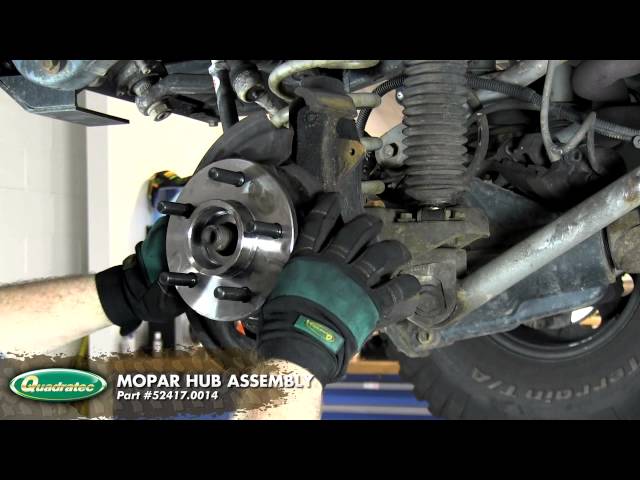
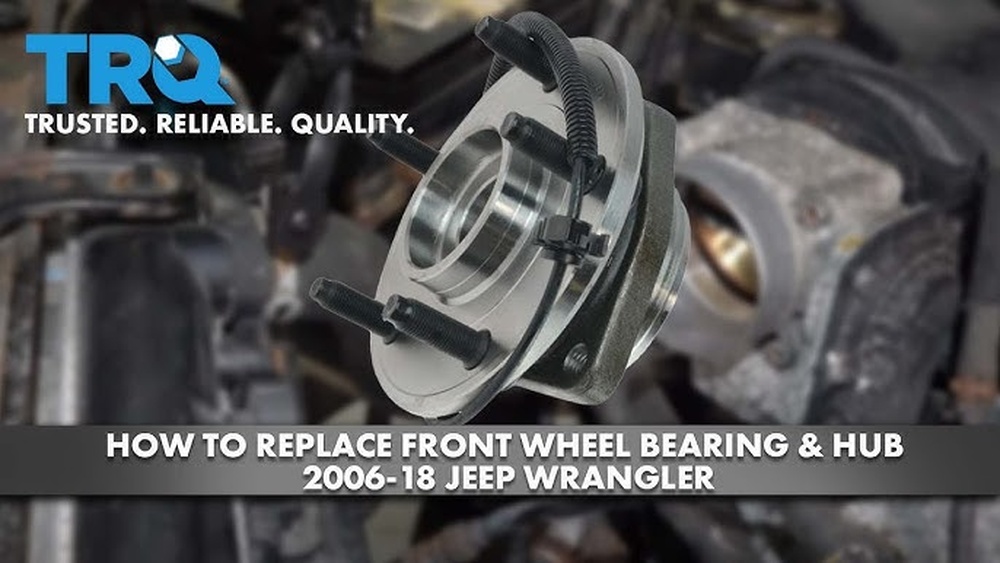
The wheel bearing on the Jeep TJ is located inside the hub assembly. It allows the wheel to spin with minimal friction and supports the weight of your vehicle. Over time, these bearings wear out, especially if you drive in mud, water, or salt. Ignoring a bad bearing can lead to uneven tire wear, poor handling, and even a seized wheel.
Here’s a quick look at the basic front axle setup for a Jeep Rubicon TJ:
| Component | Function | Common Issues |
|---|---|---|
| Wheel Bearing | Allows the wheel to rotate smoothly | Noise, play, failure |
| Hub Assembly | Holds the bearing and wheel studs | Corrosion, seized bolts |
| Axle Shaft | Delivers power from differential to wheel | Worn splines, broken U-joints |
Tools And Supplies You’ll Need
Gathering all necessary tools before you begin saves time and frustration. Here’s what you’ll need for a Rubicon TJ:
- Jack and jack stands
- Lug wrench or impact wrench
- 13mm, 12-point socket (for hub bolts)
- 36mm socket (for axle nut)
- Breaker bar
- Torque wrench
- Hammer or mallet
- Pry bar
- Needle-nose pliers (for cotter pin)
- Flat-head screwdriver
- Penetrating oil (like PB Blaster)
- Shop rags and gloves
- Anti-seize compound (optional)
- Replacement wheel bearing/hub assembly
Some beginners miss that penetrating oil and a heavy hammer are almost always necessary. Jeep TJ hubs can rust and seize in place, especially in northern states or after off-roading. It’s also smart to have a backup vehicle or friend available in case something breaks or gets stuck.
Preparing The Jeep Safely
Before you start, make sure your Jeep is parked on a flat, solid surface. Engage the parking brake and chock the wheels on the other axle for safety.
Loosen the lug nuts of the wheel you’ll be working on before jacking up the vehicle, but do not remove them completely yet.
Once the lug nuts are loose, use a floor jack to lift the front of the Jeep and secure it with jack stands under the frame rails. Never rely on the jack alone—this is a heavy vehicle, and safety always comes first.
Step-by-step: Removing The Front Wheel Bearing
Let’s dive into the removal process. Don’t rush; patience and careful steps will save you time and prevent broken parts.
1. Remove The Wheel
- Finish removing the loosened lug nuts.
- Take off the wheel and set it aside. Placing the wheel under the frame can act as an extra safety measure in case the Jeep slips.
2. Remove The Brake Caliper And Rotor
- Using the correct socket, unbolt the brake caliper (usually 13mm bolts).
- Hang the caliper with a bungee cord or wire to avoid stressing the brake hose.
- Remove the brake rotor. If it’s stuck, tap it gently with a mallet. Sometimes a small rust lip forms around the rotor, so a few taps are normal.
3. Remove The Axle Nut And Washer
- Remove the cotter pin from the axle nut using needle-nose pliers.
- Use a 36mm socket and breaker bar to loosen and remove the axle nut and washer. This nut is torqued tight, so you may need extra leverage.
4. Remove The Hub Assembly Bolts
- On the back of the steering knuckle, locate the three 13mm, 12-point bolts that hold the hub to the knuckle.
- Spray them with penetrating oil and let it soak for a few minutes.
- Remove all three bolts. These can be extremely tight, especially if rust is present.
5. Separate The Hub From The Knuckle
This is the step where many get stuck. The hub may be rusted to the knuckle, especially if your Jeep has seen water crossings or salted roads.
- Use a hammer to tap the hub flange from different angles. You can also use a pry bar between the knuckle and hub, but be careful not to damage the knuckle.
- Some people thread in the hub bolts a few turns and tap them to help break the hub free.
- Work slowly and apply more penetrating oil if needed. In tough cases, a dedicated hub puller tool may be necessary.
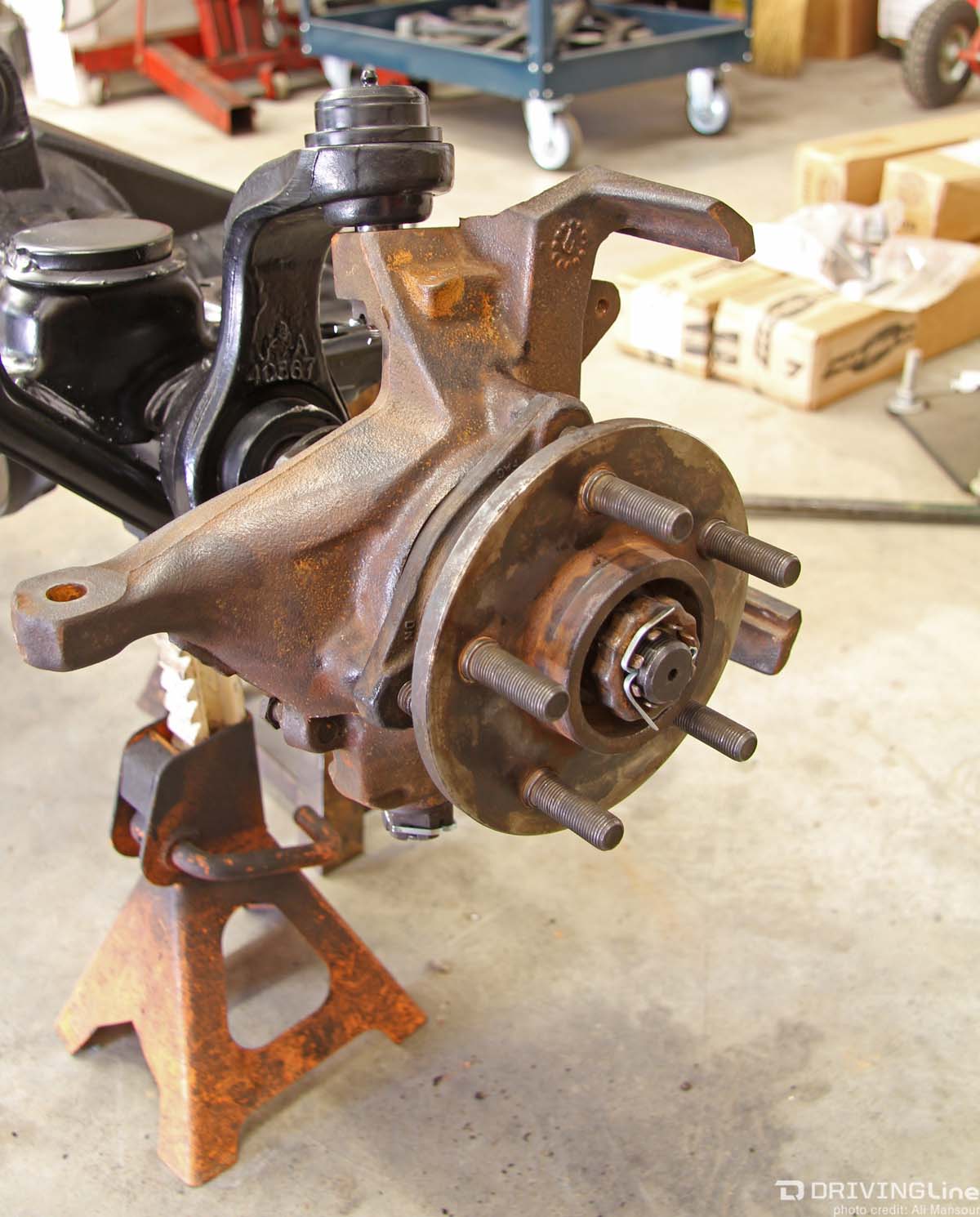
6. Slide The Hub And Bearing Off The Axle Shaft
- Once free, pull the entire hub and bearing assembly straight off the axle shaft.
- Sometimes the bearing will stick to the axle shaft splines. Wiggle and pull firmly, but do not pry against the axle tube or seals.
7. Clean The Knuckle And Inspect Parts
- Use a wire brush to clean rust and debris from the knuckle surface.
- Inspect the axle shaft, seals, and backing plate for damage.
- Now is a good time to check your ball joints, U-joints, and axle seals for wear or leaks.
Many first-timers forget to clean the knuckle surface—failure to do so can lead to poor fitment and noise when you reinstall the new bearing. Also, inspect the axle shaft seal. If you see any leaks or cuts, replace the seal now while everything is apart.
Here’s a summary comparison of common front-end service intervals:
| Component | Typical Service Interval | Signs of Failure |
|---|---|---|
| Wheel Bearing | 70,000 – 100,000 miles | Noise, play, ABS light |
| Ball Joint | 80,000 – 120,000 miles | Loose steering, tire wear |
| Axle Seal | As needed (inspect at every service) | Gear oil leak, contamination |
Practical Tips For Removing Stubborn Jeep Tj Wheel Bearings
Even with the right tools, Jeep wheel bearings can be stubborn. Here are two insights even experienced mechanics sometimes forget:
- Heat the knuckle with a propane torch—but only if you’re comfortable. Heating the area around the bearing (not the bearing itself) helps break the rust bond. Never overheat, and avoid open flames near fuel or brake lines.
- Gently tap the axle shaft inward after the hub bolts are removed. This can help free the bearing by breaking the rust seal between the shaft and hub splines.
If you damage a hub bolt or strip the threads, replacements are available at most auto parts stores. Always use new hardware if the old bolts are corroded or stretched.
What To Check Before Installing A New Bearing
Before installing the new bearing, inspect:
- Axle shaft splines for wear or rust.
- Knuckle mounting surface for old gasket material or debris.
- ABS sensor (if equipped) for damage.
Apply a thin coat of anti-seize compound to the knuckle and axle shaft splines. This will make future removal easier and prevent seizing.
Double-check the part number of your new hub assembly Jeep TJs have different hubs depending on year and axle type (Rubicon vs standard).
Incorrect parts are a common cause of headaches during reassembly.
Here’s a quick hub assembly compatibility chart:
| Jeep TJ Year | Front Axle Type | Hub/Bearing Part Number |
|---|---|---|
| 1997–2006 | Dana 30 | 513084 |
| 2003–2006 (Rubicon) | Dana 44 | 513158 |
Always verify with your VIN or bring the old hub to the parts store for comparison.
Common Mistakes And How To Avoid Them
- Not securing the Jeep properly: Always use jack stands and chock the wheels.
- Forgetting to clean all contact surfaces: Dirt or rust leads to improper seating and noise.
- Over-torquing or under-torquing bolts: Use a torque wrench and follow your TJ’s service manual specs.
- Skipping inspection of related parts: Check seals, ball joints, and U-joints while everything is apart.
- Reusing old hardware: Rusty or stretched bolts should always be replaced.
- Improperly routing the ABS wire: If your TJ has ABS, make sure the sensor wire isn’t pinched or routed near hot or moving parts.
When To Seek Professional Help
If the hub is severely seized, or you don’t have the right tools, it may be best to visit a trusted mechanic. Likewise, if you notice significant rust, damaged axle splines, or leaking axle seals, get a professional opinion.
Sometimes, shops have special pullers or air tools that make stubborn hubs easy to remove.
For more in-depth technical detail, you can check the Jeep Wrangler TJ Wikipedia page.
Wrapping Up
Removing the front wheel bearing on a Jeep Rubicon TJ is a hands-on task, but it’s very doable with careful preparation and patience. The key steps are taking your time with stuck parts, cleaning all surfaces, and using the correct tools. You’ll gain confidence in your Jeep’s reliability and save on repair bills. Always put safety first, and don’t be afraid to ask for help if you get stuck. With your new knowledge and a little elbow grease, your TJ will be ready for the trail (or the daily commute) with smooth, trouble-free wheels.
How Do I Know If My Jeep Tj Front Wheel Bearing Is Bad?
Common signs include grinding noises, a growling sound that increases with speed, excessive play when you grab the wheel at the 12 and 6 o’clock positions, uneven tire wear, or the ABS warning light (if equipped). If you suspect a bad bearing, fix it promptly to avoid further damage.
Can I Reuse The Axle Nut Or Hub Bolts?
It’s always recommended to use new axle nuts and hub bolts if possible. Old hardware may be stretched or weakened, which can cause the hub to come loose or fail.
Do I Need Any Special Tools For This Job?
You’ll need a 36mm socket for the axle nut and a 13mm, 12-point socket for the hub bolts. A strong breaker bar, torque wrench, and possibly a hub puller will make the job easier. Penetrating oil and a heavy hammer are also very helpful.
How Long Does It Take To Remove A Front Wheel Bearing On A Jeep Tj?
For a first-timer, expect to spend 2–4 hours per side, depending on rust and how easily the hub comes out. Experienced mechanics can finish the job much faster if there is no corrosion.
Is It Safe To Drive With A Worn Wheel Bearing?
No. A worn bearing can fail suddenly, causing the wheel to seize or detach, which is very dangerous. Always address wheel bearing problems as soon as possible for your safety and to prevent further damage.