Greasing the wheel bearings on your Jeep JK is not just about smooth driving—it’s about safety, performance, and saving money. Neglecting wheel bearings can lead to rough handling, strange noises, and even a seized wheel on the trail. Many Jeep owners don’t realize that regular maintenance makes a huge difference, especially if you drive off-road or through water. This guide will help you grease your Jeep JK wheel bearings step by step, with simple explanations and practical tips. Whether you’re new to DIY car care or a weekend mechanic, you’ll find clear advice to keep your Jeep running at its best.
Why Greasing Wheel Bearings Matters
Wheel bearings support the weight of your Jeep and let the wheels spin freely. Without enough grease, the bearings heat up and wear out fast. Dirty or dry bearings can cause:
- Vibration in the steering wheel
- Grinding or humming noises
- Wobbly wheels
- Poor fuel efficiency
Jeep JKs are built for adventure, but mud, water, and dust quickly get into the bearings. Regular greasing is more important for off-road drivers. Most experts recommend checking wheel bearings every 30,000 to 50,000 miles, or after heavy off-road use.
Tools And Materials Needed
Before you start, gather these items:
- Socket set (metric and standard)
- Torque wrench
- Grease gun
- Wheel bearing grease (high-temp, water-resistant)
- Jack and jack stands
- Pliers
- Screwdrivers
- Rubber mallet
- Shop rags
- Wheel chocks
- Replacement cotter pins (optional)
- Disposable gloves
Many beginners forget the grease gun or buy the wrong grease. For Jeep JK, use a grease rated for high temperature and water resistance—this prevents breakdown in mud or water.
Step-by-step Guide To Greasing Jeep Jk Wheel Bearings
1. Prepare Your Jeep
Safety comes first. Park your Jeep on a flat surface. Put on the parking brake and use wheel chocks behind the rear wheels. Loosen the lug nuts on the wheel you want to work on, but don’t remove them yet.
Jack up the Jeep using a safe lift point, then place jack stands under the frame. Lower the Jeep onto the stands for stability.
2. Remove The Wheel And Brake Components
Once lifted, take off the lug nuts and remove the wheel. Next, locate the brake caliper. Use a socket to remove the caliper bolts. Hang the caliper with a wire or bungee cord—never let it hang by the brake hose.
Remove the brake rotor by sliding it off. If it’s stuck, tap gently with a rubber mallet.
3. Access The Wheel Bearing
On the Jeep JK, the wheel bearing assembly is behind the rotor. Remove the axle nut with a large socket (often 36mm). Some models have a cotter pin; pull it out with pliers. Save it or use a new one later.
To free the hub assembly, remove the three or four bolts from the back side using a socket wrench. Carefully pull the hub out. If it’s tight, tap from behind with a mallet.
4. Inspect And Clean The Bearing
Wipe off old grease and dirt using shop rags. Look for signs of wear like:
- Scoring or scratches
- Rust
- Loose rollers
If you see damage, replace the bearing. Otherwise, continue to grease.
5. Apply Fresh Grease
Use your grease gun to pack fresh grease into the bearing. Rotate the bearing while applying grease to all surfaces and rollers. Apply enough grease so it spreads evenly but does not overflow.
For the best results, choose synthetic high-temp grease. This lasts longer and handles water better than standard grease.
6. Reassemble Everything
Place the hub back onto the axle. Tighten the bolts to factory specs using a torque wrench.
Reinstall the axle nut and cotter pin (if needed). Slide the brake rotor and caliper back into position.
Tighten caliper bolts. Mount the wheel and hand-tighten the lug nuts.
Lower the Jeep off the jack stands. Torque the lug nuts to the correct setting (usually 100 ft-lbs for Jeep JK). Double-check everything.
7. Test Drive And Check Again
Drive your Jeep for a few miles. Listen for noises and feel for vibrations. If anything seems wrong, recheck your work.
Jeep Jk Wheel Bearing Types
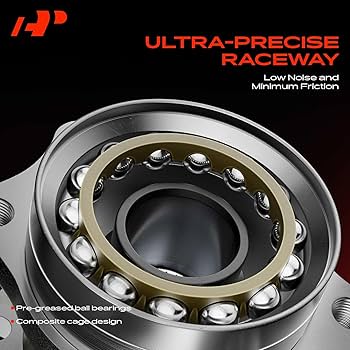
Jeep JK uses sealed bearing assemblies at the front and rear. You can’t always grease sealed bearings without removing the assembly. Some aftermarket bearings have grease fittings, but most stock ones don’t.
Here’s a quick comparison of bearing types:
| Type | Greaseable? | Service Interval | Common Issues |
|---|---|---|---|
| Sealed Assembly | No (replace or pack manually) | 30,000–50,000 mi | Water intrusion, wear |
| Greaseable Aftermarket | Yes (via fitting) | 20,000–40,000 mi | Dry grease, contamination |
| Older Open Bearing | Yes (easily) | 10,000–20,000 mi | Dirty grease, wear |
Most Jeep JK owners stick with sealed assemblies, but if you go off-road a lot, consider aftermarket greaseable hubs.
Common Mistakes And How To Avoid Them
Many beginners make these errors:
- Using the wrong grease: Always use high-temp, water-resistant grease. Cheap grease breaks down fast.
- Over-tightening the axle nut: This can damage the bearing and affect alignment.
- Skipping inspection: Always check for rust, wear, and contamination before greasing.
- Not cleaning old grease: Leftover dirty grease mixes with new, reducing performance.
- Reusing damaged cotter pins: Cotter pins are cheap—replace if bent or broken.
A non-obvious tip: After greasing, wait 10-15 minutes before driving. This lets the grease settle, reducing the risk of leaks.
How Often Should You Grease Jeep Jk Wheel Bearings?
Frequency depends on your driving habits:
- Daily driving: Every 30,000–50,000 miles
- Off-road or water crossings: Every 10,000–20,000 miles or after deep water/mud
- Heavy towing: Every 20,000–30,000 miles
If you hear humming or feel vibration, check bearings sooner.
Here’s a mileage comparison:
| Driving Style | Greasing Interval | Risk Level |
|---|---|---|
| Normal road | 30,000–50,000 mi | Low |
| Off-road | 10,000–20,000 mi | High |
| Towing | 20,000–30,000 mi | Medium |
| Water crossing | After each event | Very High |
Signs Your Wheel Bearings Need Greasing
Look for these symptoms:
- Noise: Grinding, clicking, or humming from the wheel area.
- Vibration: Steering wheel shakes, especially at speed.
- Heat: Wheel area feels hot after driving.
- Play: Excess movement in the wheel when rocked.
If you notice any of these, check your bearings right away.
Choosing The Right Wheel Bearing Grease
Many brands sell wheel bearing grease, but not all are equal. Look for:
- NLGI Grade 2 (thickness rating)
- High-temperature rating (up to 400°F)
- Water resistance
- Synthetic or lithium complex base
Here’s a quick comparison of common grease types:
| Grease Type | Temp Rating | Water Resistance | Best Use |
|---|---|---|---|
| Lithium Complex | Up to 400°F | Good | Daily driving, mild off-road |
| Synthetic | Up to 450°F | Excellent | Heavy off-road, water crossings |
| Calcium Sulfonate | Up to 350°F | Very Good | Wet environments |
For Jeep JKs used off-road, synthetic is the best choice. It resists water and lasts longer.
Extra Tips For Jeep Jk Owners
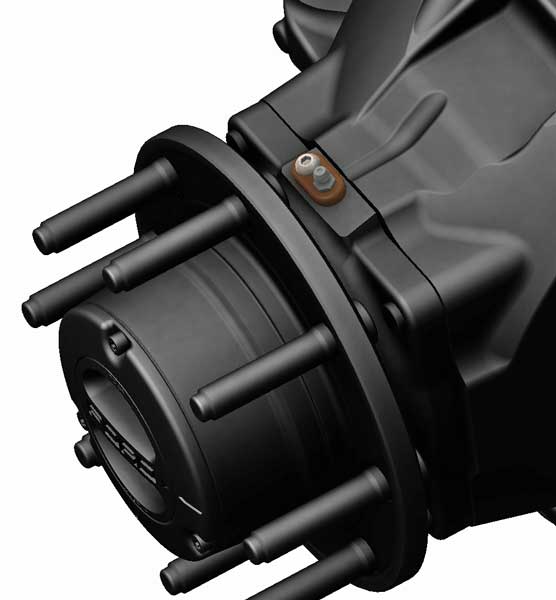
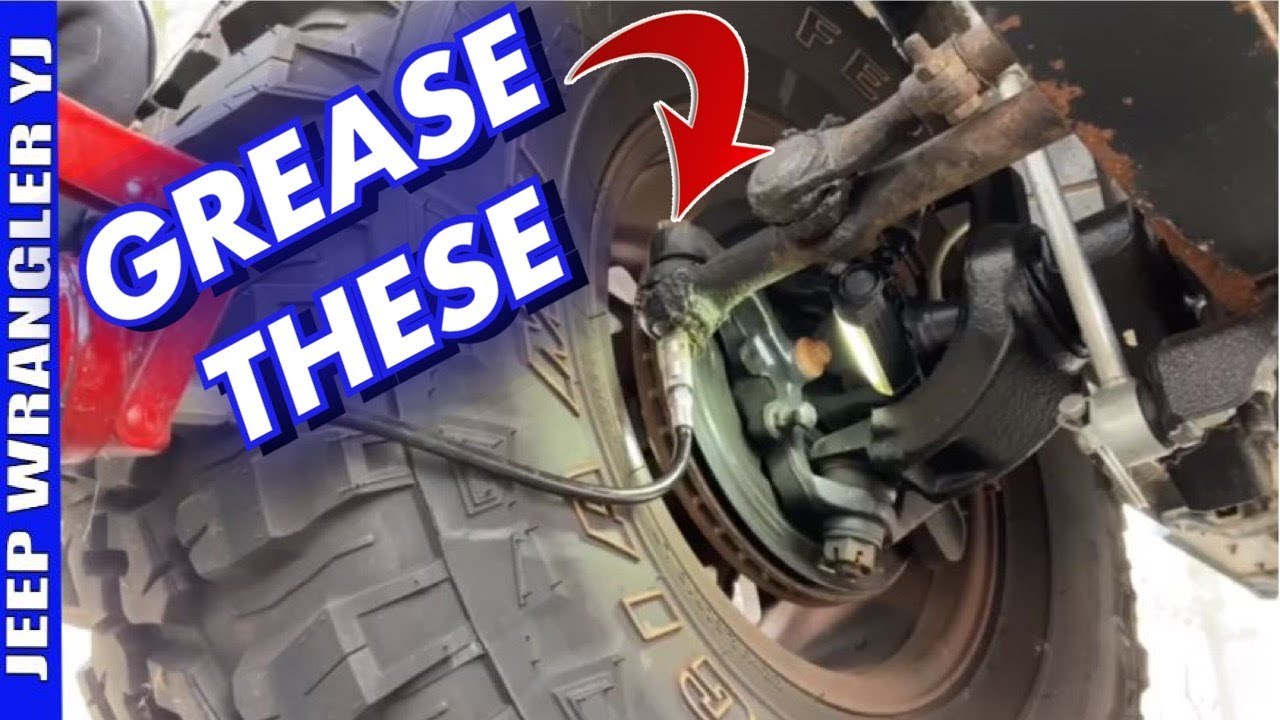
- Aftermarket hub assemblies with grease fittings make maintenance easier.
- If you drive through water, dry and re-grease bearings as soon as possible.
- Keep a spare bearing and grease in your trail kit; off-road conditions can cause sudden failures.
- Don’t ignore small noises—early action prevents big repairs.
A tip many miss: Always check the bearing seal for damage. A broken seal lets water in, causing fast wear.
When To Replace Instead Of Grease
Sometimes, greasing isn’t enough. Replace the bearing if you see:
- Blue discoloration (overheating)
- Pitting or scoring
- Loose rollers
- Rust or corrosion
A bad bearing can fail suddenly. If you’re unsure, err on the side of replacement.
Professional Help Vs. Diy
Greasing wheel bearings is a moderate DIY job. If you lack tools or confidence, a mechanic can help. Labor costs range from $150 $300 per axle, not including parts. DIY saves money but requires patience and attention to detail.
For more technical details on wheel bearings, see the official Jeep Owner’s Guide.
How Do I Know If My Jeep Jk Wheel Bearings Are Dry?
Listen for grinding or humming noises from the wheels. If the steering wheel vibrates or you feel resistance when turning, it’s likely the bearings need grease.
Can I Grease Sealed Wheel Bearings Without Removing Them?
No. Most sealed bearings on Jeep JKs require removal to pack with grease. Some aftermarket bearings have grease fittings, but stock ones do not.
What Type Of Grease Should I Use For Jeep Jk Wheel Bearings?
Use NLGI Grade 2, high-temp, water-resistant grease. Synthetic grease is best for off-road or wet conditions.
How Long Does It Take To Grease Jeep Jk Wheel Bearings?
For one axle, plan 1 to 2 hours if you have experience. Beginners may need more time, especially for cleaning and inspection.
Is It Safe To Drive If My Wheel Bearings Are Making Noise?
No. Noisy bearings can fail suddenly, causing loss of control. Stop driving and inspect or repair the bearings immediately.
Keeping your Jeep JK wheel bearings greased is simple but vital. With the right tools, correct grease, and careful steps, you can prevent breakdowns and enjoy smooth, safe driving. Remember, regular maintenance is cheaper than repairs. Don’t wait for trouble—make greasing part of your routine, especially after tough off-road trips. Your Jeep will thank you with years of reliable adventure.