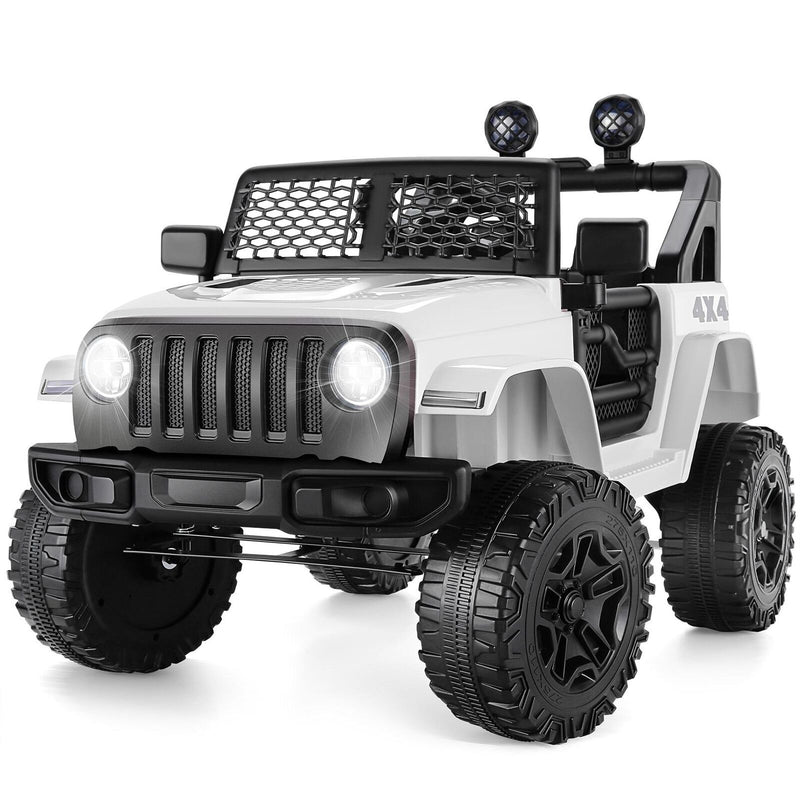
If your child loves their Power Wheels Jeep, you know how quickly it can get dirty. Mud, dust, food crumbs, and sticky spills can turn a clean ride-on toy into a mess. Cleaning it the right way keeps it looking new, prevents damage, and ensures your child stays safe while playing. Many parents wash these toys incorrectly, risking electrical parts or fading the bright plastic. This guide will help you clean your Power Wheels Jeep efficiently and safely, using simple steps and practical tips.
Why Cleaning Your Power Wheels Jeep Matters
A dirty Power Wheels Jeep is not just about looks. Dirt can get into moving parts, making them wear out faster. Sticky residue on the seat or steering wheel can make playtime uncomfortable. Mud or sand can affect the wheels, and water in the battery area can cause serious problems. Regular cleaning helps the Jeep last longer and gives your child a better driving experience.
What You Need Before You Start
Gathering the right tools makes cleaning easier and faster. Here’s what you’ll need:
- Soft sponge or microfiber cloth
- Bucket of warm, soapy water (mild dish soap is best)
- Soft brush or old toothbrush (for small spaces)
- Garden hose (optional, for heavy dirt)
- Dry towels or rags
- Compressed air can (optional, for tight spaces)
- Vacuum with brush attachment (optional, for crumbs inside)
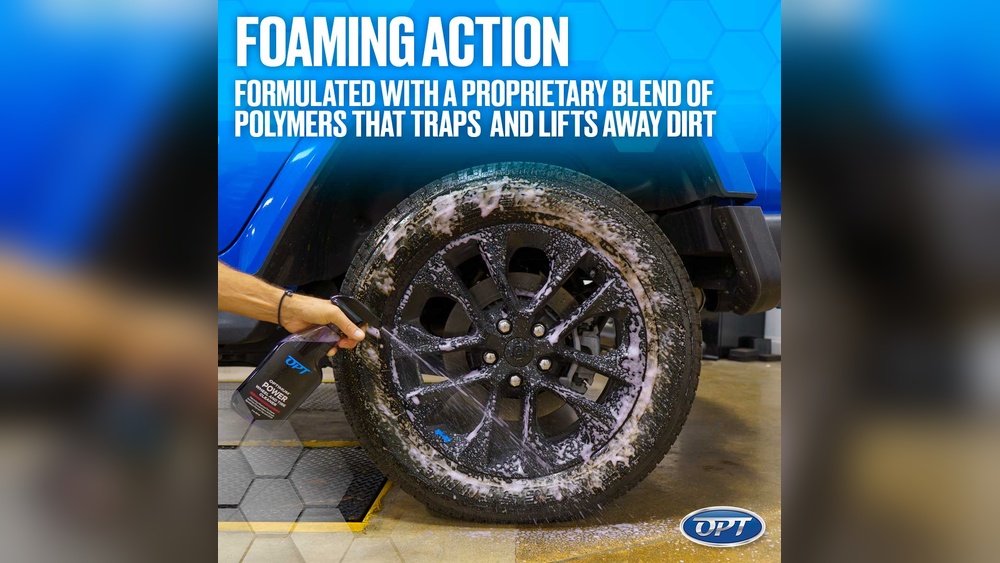
- Plastic-safe spray cleaner (for stubborn stains)
- Cotton swabs (for crevices)
- Non-abrasive plastic polish (optional, for shine)
- Latex or rubber gloves
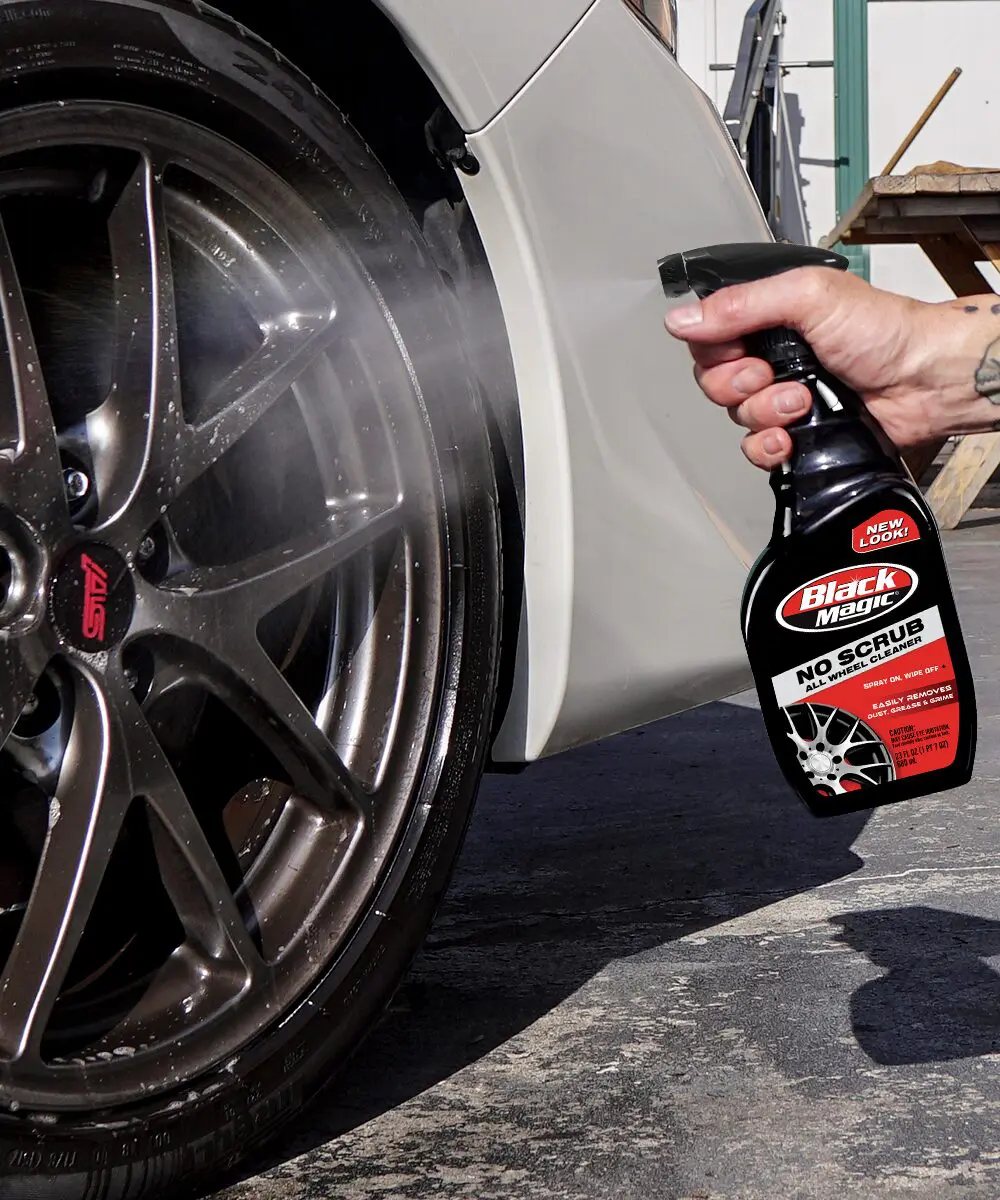
Make sure the cleaning products you use are safe for plastic and do not contain bleach or harsh chemicals.
Safety First: Preparing The Jeep
Before you begin, safety is important to avoid damage or injury.
- Turn off the Jeep and remove the battery. This prevents any chance of electric shock or short circuits.
- Find a good cleaning spot. Clean outdoors or in a garage where water can drain away.
- Check the manual for any cleaning warnings or special instructions.
Pro tip: Cover the battery connectors with plastic wrap or tape to keep them dry.
Step-by-step Cleaning Process
1. Removing Loose Dirt And Debris
Start by getting rid of the biggest messes:
- Shake or brush off leaves, twigs, or loose dirt from the Jeep.
- Use a vacuum to pick up crumbs, sand, or small stones from the seats, footwells, and storage areas.
- Blow out hard-to-reach spots with compressed air.
2. Washing The Exterior
Now it’s time to wash the surfaces:
- Dip your sponge or cloth in the soapy water. Wipe all the plastic parts, including the hood, doors, wheels, and bumpers.
- Use the brush or toothbrush to scrub tough spots like wheel rims, hubcaps, and textured parts.
- For sticky patches (like juice spills or gum), spray a little plastic-safe cleaner and let it sit for a minute before wiping.
If your Jeep is very muddy:
- Rinse with a gentle spray from the hose. Do not use a high-pressure washer, as it can push water into electrical parts.
- Avoid soaking the dashboard and battery compartment.
3. Cleaning The Interior
Inside the Jeep, focus on comfort and safety:
- Wipe the steering wheel, seats, dashboard, and gear shift with a damp cloth.
- Use cotton swabs or a small brush for cup holders, air vents, and small crevices.
- For fabric seats (rare, but some models have them), blot stains with soapy water and a towel. Do not oversaturate.
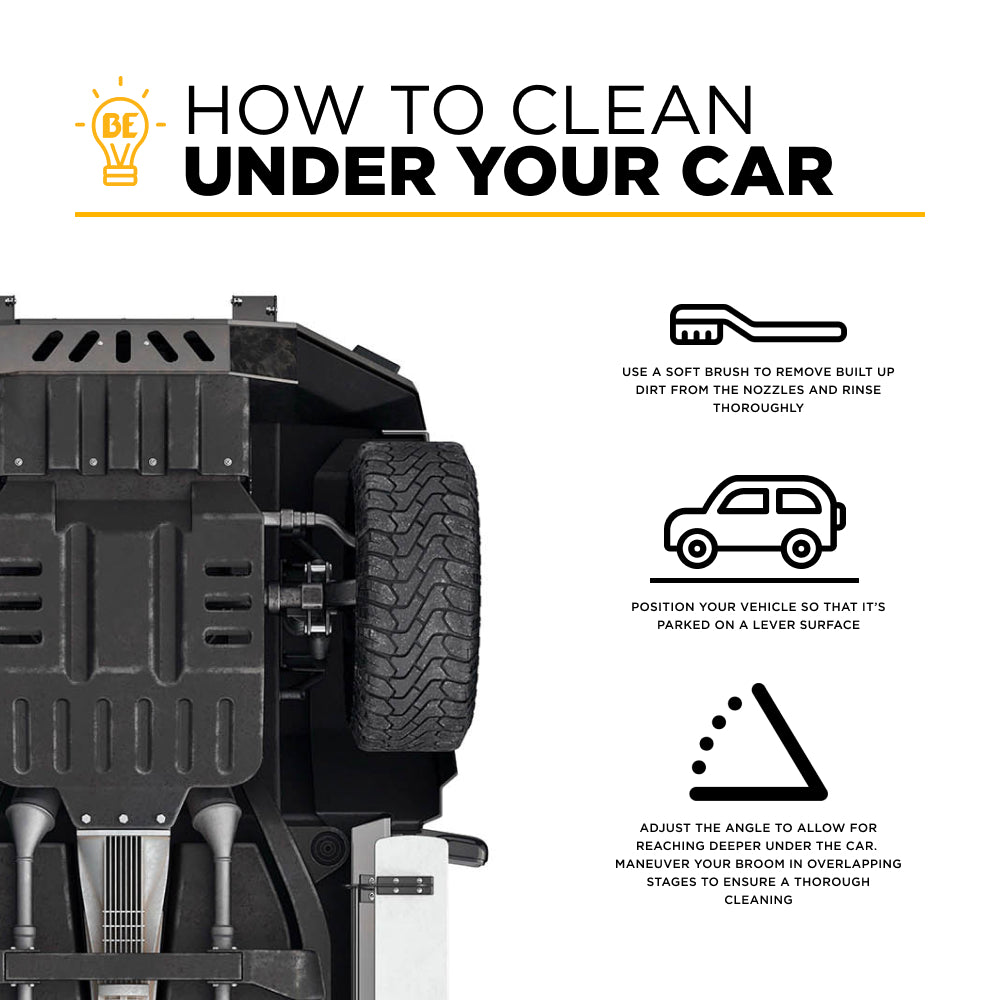
4. Cleaning Wheels And Undercarriage
Wheels collect the most dirt. Here’s how to clean them well:
- Scrub the tires and wheel wells with a brush and soapy water.
- Check for trapped stones or mud under the fenders.
- Rinse with the hose, but keep water away from electrical areas.
Non-obvious tip: Clean the axle and wheel joints with a dry brush to avoid grease washout.
5. Drying The Jeep
Drying is as important as washing:
- Wipe surfaces dry with towels to prevent water spots.
- Leave the Jeep in a sunny spot for 1-2 hours to air dry fully.
- Check that all areas are dry before putting the battery back in.
6. Polishing And Protection (optional)
If you want the Jeep to shine:
- Use a plastic-safe polish to buff the body. This helps protect against UV fading and makes future cleanings easier.
- Do not use car wax or products meant for metal.
7. Reassembling And Safety Check
When the Jeep is dry:
- Replace the battery and test the Jeep.
- Check that all buttons, pedals, and lights work properly.
- Make sure no cleaning product residue is left, especially on the seat or steering wheel.
Common Mistakes To Avoid
Many parents make cleaning errors that can damage the Jeep. Here’s what to avoid:
- Using strong chemicals: Bleach, acetone, or alcohol can fade or crack the plastic.
- Soaking the electrical system: Never spray water directly into the dashboard, switches, or battery area.
- High-pressure washing: Water can force its way into joints and ruin the motor or wiring.
- Letting the Jeep stay wet: Moisture can cause rust or mold, especially in humid climates.
- Scrubbing with rough pads: Steel wool or abrasive sponges scratch the surface.
How Often Should You Clean?
The cleaning schedule depends on how often your child uses the Jeep and the terrain:
- Once a week: For daily outdoor use, especially in mud or sand.
- Every 2-4 weeks: For indoor use or smooth surfaces.
- After heavy dirt: Clean right after muddy rides to prevent stains.
For quick reference, here’s a simple schedule:
| Usage | Cleaning Frequency | Main Focus Areas |
|---|---|---|
| Outdoor (mud/sand) | Weekly | Wheels, undercarriage, seats |
| Indoor/smooth surfaces | Bi-weekly | Dashboard, steering, seats |
| After rain or spills | Immediately | All surfaces, battery area |
Choosing The Right Cleaning Products
Not all cleaners are safe for your Power Wheels Jeep. Here’s a comparison of common cleaners and their safety:
| Cleaner Type | Safe for Power Wheels? | Best Use | Risk |
|---|---|---|---|
| Mild dish soap | Yes | General cleaning | None |
| Bleach | No | None | Fades plastic |
| All-purpose cleaner | Sometimes | Stubborn stains | Check label |
| Car wax | No | None | Leaves residue |
| Plastic polish | Yes | Shining & protection | None |
Quick tip: Always test a new cleaner on a small, hidden area first.
Special Tips For Tough Messes
Some stains need extra attention. Here’s how to handle them:
- Tree sap: Rub gently with a cloth dipped in warm soapy water and a little cooking oil.
- Crayon marks: Use a small amount of baking soda paste, rub gently, then rinse.
- Sticky food spills: Spray with plastic-safe cleaner, wait, then wipe clean.
- Pet hair: Use a lint roller or sticky tape.
Hidden trouble spot: Don’t forget the area under the seat—crumbs and spills often collect there.
Caring For Stickers And Decals
Power Wheels Jeeps often have colorful stickers that can peel if cleaned incorrectly.
- Wipe gently with a damp cloth.
- Avoid scrubbing or using alcohol-based cleaners.
- Dry stickers immediately to prevent lifting at the edges.
If a sticker peels, press it back down while still damp, then dry with a soft cloth.
Storing The Jeep After Cleaning
Good storage keeps your Jeep clean longer and protects it from weather damage.
- Store indoors or under a waterproof cover.
- Make sure the Jeep is completely dry before covering.
- Remove the battery if you won’t use it for a while.
- Avoid direct sunlight, which can fade plastic and stickers.
Extra insight: If you’re storing for winter, wipe all metal parts with a little machine oil to prevent rust.
When To Deep Clean Or Repair
Regular cleaning is enough for most messes, but sometimes you need a deeper approach:
- If the Jeep doesn’t run after cleaning, check for water in the battery area and dry carefully.
- For mold or mildew, clean with a solution of 1 part vinegar to 4 parts water. Rinse and dry well.
- If wheels squeak, add a drop of silicone spray to the axle—never use WD-40, which can degrade plastic.
If your Jeep is heavily soiled or damaged, look for official cleaning advice on the Fisher-Price support page.
How Do I Clean Mud Off The Power Wheels Jeep Wheels?
Use a soft brush and soapy water to scrub mud from the tires and wheel wells. Rinse with a gentle hose spray, then dry with a towel.
Check for stones or debris stuck in the treads.
Can I Hose Down The Entire Jeep?
It’s best to avoid hosing the whole Jeep, especially the dashboard and battery area. If you use a hose, keep the spray gentle and direct it away from electrical parts. Always remove the battery before cleaning.
What Should I Do If Water Gets In The Battery Area?
Dry it immediately with a towel. Leave the compartment open to air dry for several hours.
Do not use the Jeep until all moisture is gone. If the battery gets wet, check the manual for safety advice.
Are Baby Wipes Safe For Cleaning The Jeep?
Yes, baby wipes are gentle and safe for quick cleanups on plastic surfaces and seats. Do not use them on electrical areas or stickers.
How Do I Keep The Jeep Looking Shiny After Cleaning?
Buff the dry surfaces with a soft microfiber cloth. For extra shine, use a plastic-safe polish made for ride-on toys.
Avoid car wax and harsh polishes, which can leave residue or damage the finish.
A clean Power Wheels Jeep not only looks great but also runs better and lasts longer. By following these steps, you’ll keep your child’s favorite ride safe, comfortable, and ready for the next adventure.