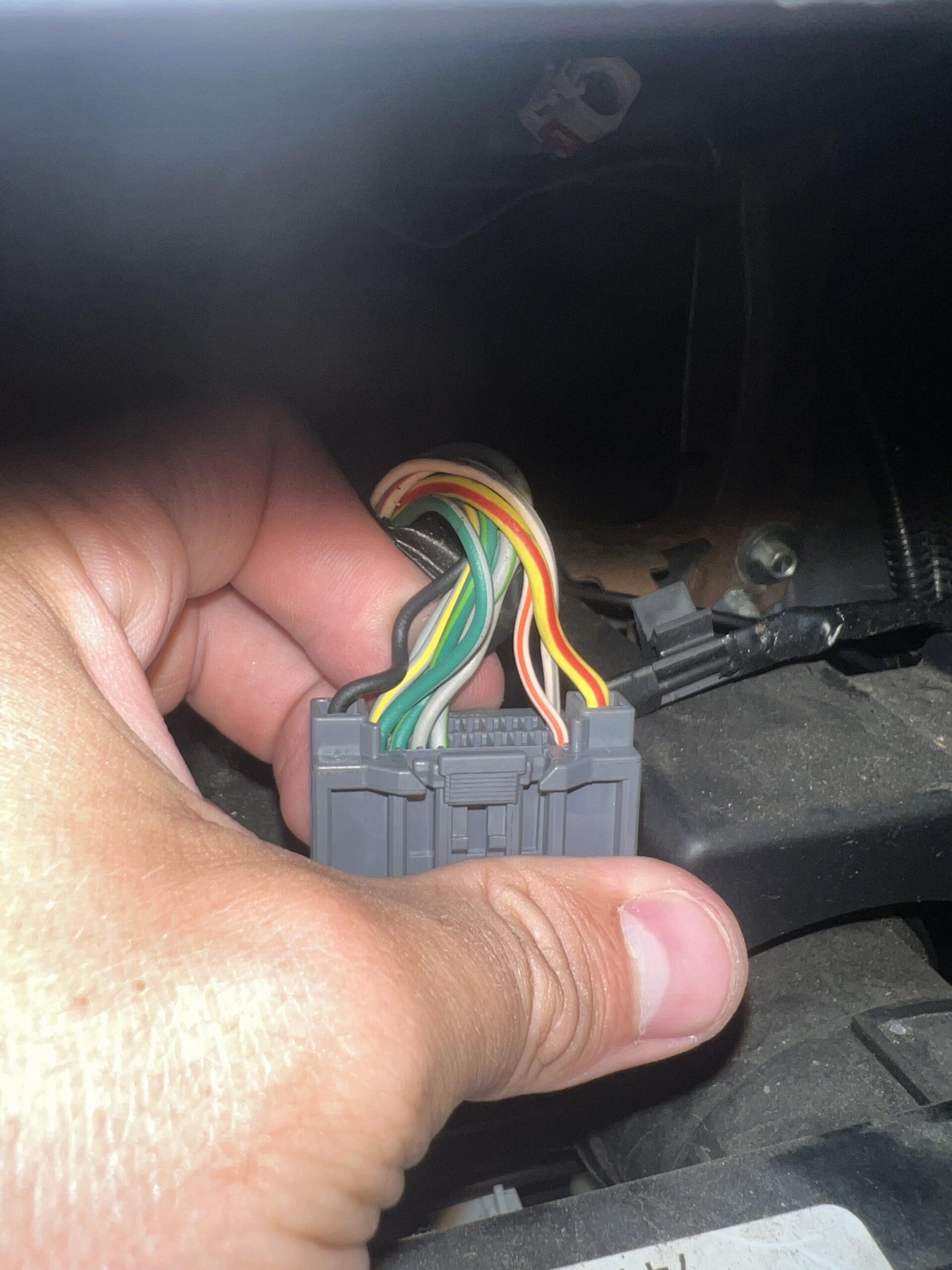
Towing a 2017 Jeep Cherokee Latitude with front-wheel drive (FWD) is not as straightforward as many owners expect. Choosing the wrong towing method can cause serious damage to your vehicle’s transmission or drivetrain.
Whether you are planning a road trip and want to tow your Jeep behind an RV, or you find yourself in a situation where your car needs to be towed due to a breakdown, knowing the correct steps and precautions is essential.
This guide explains how to tow your 2017 Jeep Cherokee Latitude FWD safely and what mistakes to avoid, using simple, clear language for all drivers.
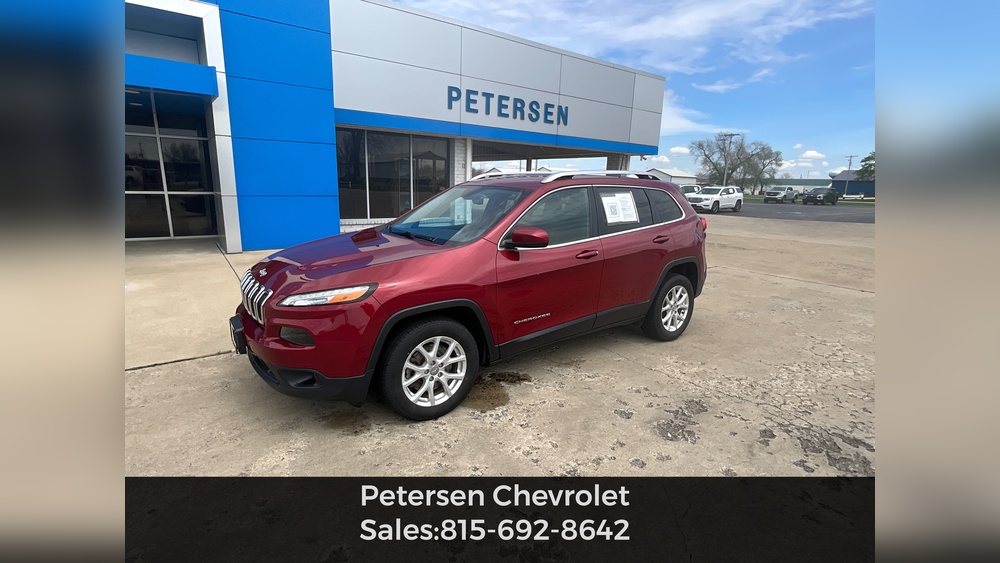
Understanding Your 2017 Jeep Cherokee Latitude Fwd
The 2017 Jeep Cherokee Latitude comes in various drivetrain options, but the FWD version is designed differently from its 4×4 siblings. The power from the engine is sent only to the front wheels. This makes a big difference in how it should be towed.
Most modern front-wheel drive vehicles, including the 2017 Jeep Cherokee Latitude, use a transaxle. This means the transmission and axle are combined. If towed incorrectly, especially with the drive wheels (front wheels) on the ground, the transmission can be damaged due to lack of lubrication.
Key Specifications
- Curb weight: About 3,655 lbs
- Front-wheel drive only (not AWD)
- Transmission: 9-speed automatic (most models)
- Towing capacity: Not meant for towing itself, but can be towed if needed
Understanding these details helps you choose the right tow method.
When You Might Need To Tow
There are several reasons you might need to tow your 2017 Jeep Cherokee Latitude FWD:
- Mechanical breakdown such as engine failure or transmission problems
- Flat tire with no spare
- Accident where the vehicle cannot be driven safely
- Long-distance travel behind an RV (also called flat towing or dinghy towing)
Each situation may require a different towing method.
Towing Methods Explained
Not all towing methods are safe for your Jeep Cherokee Latitude FWD. Let’s look at the most common options.
1. Flat Towing (all Four Wheels On The Ground)
Flat towing is popular for RV owners, but it is not recommended for the 2017 Jeep Cherokee Latitude FWD. This is because the transmission can be damaged if the front wheels turn while the engine is off and the transmission is not lubricated.
2. Dolly Towing (front Wheels Off The Ground)
Using a tow dolly is the safest way to tow your FWD Cherokee. The front wheels rest on the dolly, and the rear wheels roll on the road. This prevents transmission damage.
3. Flatbed Towing (all Wheels Off The Ground)
A flatbed truck lifts the entire car off the road. This is the safest and most universal towing method. It is recommended by Jeep and most mechanics.
4. Rear Wheels On The Ground (not Recommended)
Never tow your FWD Cherokee with the front wheels on the ground and the rear wheels raised. This can destroy your transmission quickly.
The table below compares the main towing methods for your vehicle:
| Towing Method | Safe for 2017 Jeep Cherokee Latitude FWD? | Common Use |
|---|---|---|
| Flat Towing (all wheels on ground) | No | RV towing (not for this model) |
| Dolly Towing (front wheels off ground) | Yes | Short/long distance |
| Flatbed Towing | Yes | Breakdown, accident |
| Rear wheels on ground only | No | Never |
Step-by-step: How To Tow Your 2017 Jeep Cherokee Latitude Fwd
If you need to tow your vehicle, follow these steps carefully to avoid damage.
Step 1: Assess The Situation
- Is your vehicle drivable? If yes, you may not need towing.
- Is it a short move (within a parking lot), or long distance?
- Are you calling a tow truck or using your own equipment?
Step 2: Choose The Right Towing Method
- For breakdowns and accidents: Request a flatbed tow truck.
- For RV travel: Use a tow dolly (front wheels up).
- For short moves (emergency only): You may use a tow strap with another vehicle, but keep speed very low and distance short. This is not recommended for highways.
Step 3: Prepare The Vehicle
- Put the transmission in PARK (do NOT leave in Neutral; for dolly/flatbed towing, PARK is safest).
- Engage the parking brake if the vehicle will be stationary before loading.
- Remove valuables from the car.
- Fold in side mirrors to prevent damage.
- Check tire pressure – underinflated tires can cause problems during towing.
Step 4: Loading Onto A Tow Dolly
If using a tow dolly:
- Align the dolly with the front of your Jeep.
- Drive or push the vehicle so that the front wheels are centered on the dolly.
- Secure the front wheels with straps provided by the dolly manufacturer.
- Attach safety chains from the frame of the Jeep to the dolly.
- Double-check all connections before moving.
Step 5: Loading Onto A Flatbed
If using a flatbed:
- Lower the flatbed ramp and align it with your vehicle.
- Drive or winch the Jeep onto the flatbed.
- Place the vehicle in PARK and apply the parking brake.
- Secure the Jeep using wheel straps and safety chains.
- Lift the flatbed back into position before towing.
Step 6: Safety Checks Before Towing
- Confirm all straps and chains are tight.
- Check that lights on the Jeep (if required) and the towing vehicle are working.
- Double-check the route for low bridges or obstacles.
Step 7: Towing
- Drive slowly, especially when turning or stopping.
- Avoid sudden maneuvers.
- Watch for excessive movement or strange noises.
Common Mistakes To Avoid
- Towing with front wheels on the ground: This is the most common and costly mistake. The transmission is not lubricated, leading to overheating and damage.
- Leaving the transmission in Neutral: Some believe it is safer, but for this vehicle, Neutral does not provide lubrication during towing.
- Not using safety chains: Always use extra safety chains to prevent runaway accidents.
- Ignoring tire pressure: Underinflated tires can cause blowouts, especially at highway speeds.
- Improper loading: If the Jeep is not centered or strapped tightly, it can slip or sway during towing.
Practical Tips For Safe Towing
- Practice loading your Jeep onto a dolly or flatbed before you need to do it in an emergency.
- Carry a tire inflator and basic tools in your Jeep for quick fixes.
- If towing behind an RV, always double-check state laws; some states have specific requirements for lights and brakes.
- Never exceed the towing capacity of your tow vehicle or dolly.
- Use tire covers if your Jeep will be towed long distances to prevent sun and road damage.
Comparison: Tow Dolly Vs. Flatbed
Each method has pros and cons. Here’s a quick comparison:
| Feature | Tow Dolly | Flatbed Tow Truck |
|---|---|---|
| Cost | Lower | Higher |
| Ease of use | Moderate | Easy (with professional help) |
| Risk of damage | Low (if used properly) | Very low |
| Availability | Common for rentals | Most towing services |
Real-world Example
A Jeep owner tried to flat tow his 2017 Cherokee Latitude FWD behind an RV for 200 miles. After the trip, he noticed a burning smell and found that the transmission needed a complete rebuild costing over $3,000.
If he had used a tow dolly or flatbed, this expensive repair would have been avoided.
Two Non-obvious Insights
- Towing in Reverse: Many think towing in reverse (with rear wheels leading) is okay. For FWD vehicles like the 2017 Cherokee Latitude, this can still damage the transmission because the front wheels may spin on the ground.
- Fuse Removal Myth: Some forums suggest removing fuses to “trick” the system and enable flat towing. This method does not protect the transmission and can void your warranty.
When To Call A Professional
If you are ever unsure, it’s safest to call a professional towing service. They have the correct equipment and experience to avoid costly mistakes. Always tell the dispatcher that your Jeep is a front-wheel drive 2017 Cherokee Latitude, so they bring the right tow truck.
For more technical details, you can check the official Jeep Owner’s Manual.
How Can I Tell If My 2017 Jeep Cherokee Latitude Is Fwd?
Check your owner’s manual or look for a badge near the rear of the vehicle. If it says “4×4,” it is not FWD. The VIN (vehicle identification number) can also show drivetrain information.
Can I Tow My 2017 Jeep Cherokee Latitude Fwd Behind My Rv?
Not directly with all four wheels on the ground. Use a tow dolly to lift the front wheels, or use a flatbed trailer. Flat towing can damage the transmission.
What Happens If I Accidentally Tow My Jeep With The Front Wheels On The Ground?
This can cause the transmission to overheat and fail due to lack of lubrication. You may need a full transmission rebuild, which is very expensive.
Is It Safe To Tow My Jeep In Neutral?
No, for the 2017 Cherokee Latitude FWD, placing the transmission in Neutral does not provide lubrication to moving parts. Always lift the front wheels or use a flatbed.
How Much Does It Cost To Tow A 2017 Jeep Cherokee Latitude?
Towing costs vary, but expect to pay between $75 and $150 for a local tow with a flatbed. Long-distance towing or emergency calls may cost more.
Towing your 2017 Jeep Cherokee Latitude FWD safely is simple once you know the right methods. Always use a flatbed or tow dolly never tow with the front wheels on the ground.
Avoid shortcuts and myths that can lead to expensive repairs.
If you’re ever unsure, it’s best to call a professional. With the right preparation, you can handle any towing situation without damaging your vehicle.