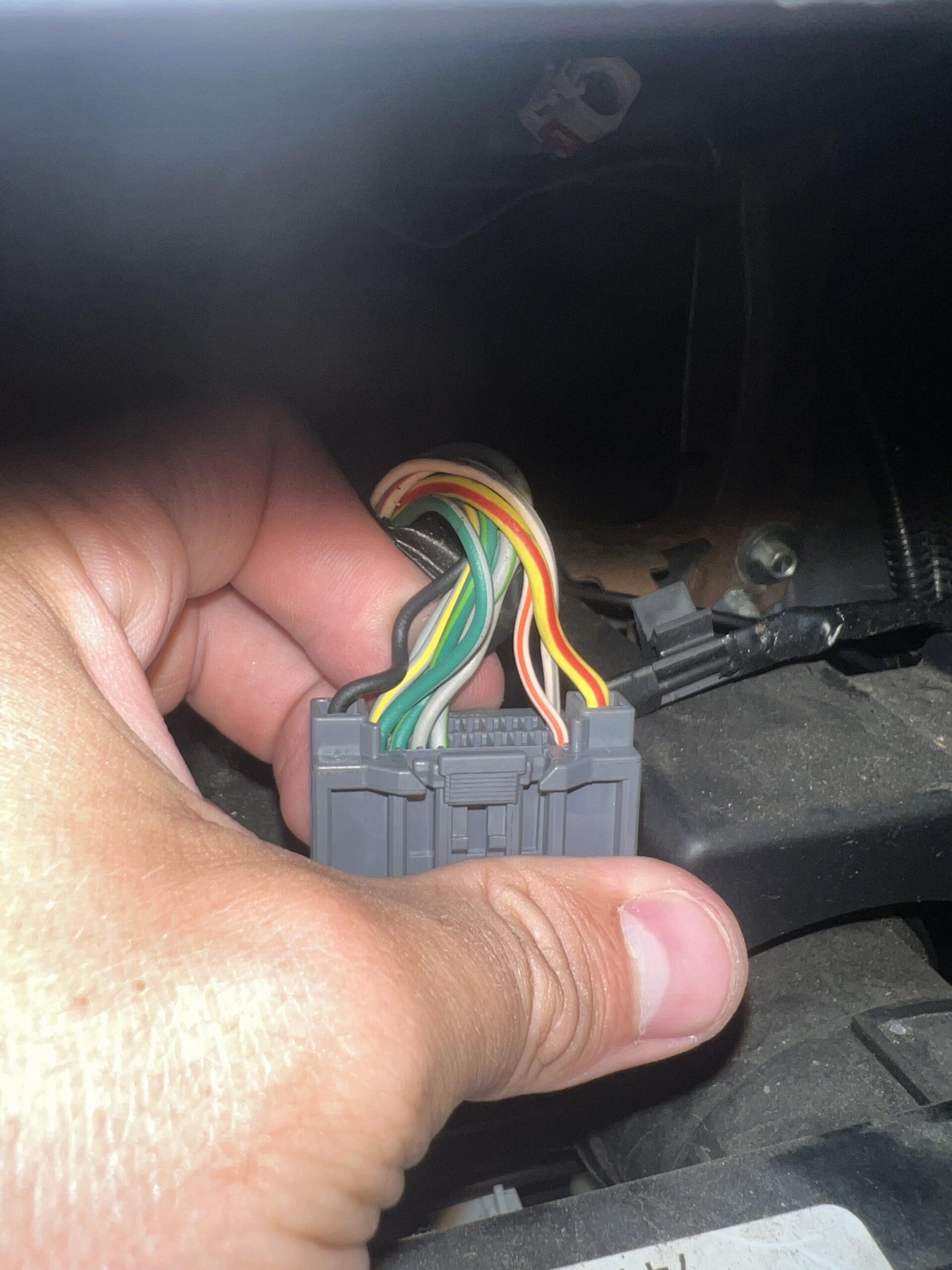
Seeing the malfunction indicator light (MIL) on your 2014 Jeep Grand Cherokee can feel stressful. This warning, also called the “check engine light,” means your SUV’s system has noticed a problem. Sometimes, it is something simple, like a loose gas cap. Other times, it may signal a part is failing. If you know how to reset this light safely, you can avoid unnecessary worry and trips to the mechanic. But resetting the MIL is not always the full solution—you should also address any real problems.
This article will guide you through the steps to reset the malfunction indicator light on your 2014 Jeep Grand Cherokee. You’ll learn why the MIL turns on, how to check for errors, different reset methods, and mistakes to avoid.
This clear guide is designed for drivers who want practical answers and safer driving.
Why The Malfunction Indicator Light Turns On
The malfunction indicator light is a warning from your Jeep’s computer. It lights up when something in the engine or emissions system needs attention. Common reasons include:
- Loose or damaged gas cap
- Failing oxygen sensor
- Spark plug or ignition issues
- Catalytic converter problems
- Sensor or wiring faults
Most of these issues affect fuel economy, emissions, or engine performance. The light’s color matters: a steady yellow means a moderate issue, but a flashing light means a serious problem. Always check what’s wrong before you try to reset the light.
Checking For Error Codes
Before resetting the MIL, you need to read the error codes. Your Jeep stores these codes to tell you what went wrong.
Using An Obd-ii Scanner
- Buy or borrow an OBD-II scanner. Most auto parts stores can scan your vehicle for free.
- Plug the scanner into the port below the dashboard, usually just above the pedals.
- Turn the key to the ON position (do not start the engine).
- Follow the scanner’s instructions to read the codes.
- Write down the codes—these will look like “P0455” or “P0300”.
Once you have the codes, you can search online or use the scanner’s manual to see what they mean. Fixing the cause is the best way to keep the MIL off for good.
Common Codes For 2014 Jeep Grand Cherokee
Here are some codes you might see:
- P0456: Small EVAP leak (often the gas cap)
- P0420: Catalyst system efficiency below threshold
- P0302: Cylinder 2 misfire
Addressing these codes before resetting the MIL helps you avoid bigger problems later.
How To Reset The Malfunction Indicator Light
There are three main ways to reset the MIL on your 2014 Jeep Grand Cherokee. Each method has pros and cons.
1. Fix The Problem And Let The Light Turn Off
The safest method is to fix the cause. After a repair, the MIL often goes off by itself.
- Drive your Jeep for several short trips (10–30 miles each).
- If the issue is solved, the light should turn off within a few days.
This method is best because it confirms the problem is gone. If the MIL stays on, something is still wrong.
2. Use An Obd-ii Scanner To Clear Codes
Most OBD-II scanners have a “clear codes” function.
- Plug in the scanner.
- Follow the menu to find “Erase Codes” or “Clear Codes.”
- Confirm your choice. The MIL should turn off.
Warning: If you don’t fix the problem, the light may return quickly. Clearing codes does not repair your Jeep.
3. Disconnect The Battery
You can also reset the MIL by disconnecting the battery, but this is less precise.
- Turn off the engine.
- Use a wrench to remove the negative (black) battery cable.
- Wait 15–20 minutes.
- Reconnect the cable and tighten it.
This will erase the codes and reset most computer memory. However, it also resets your radio, clock, and other settings.
Only use this method if you do not have a scanner.
Practical Example: Resetting After A Loose Gas Cap
Imagine the MIL comes on, and your scanner shows P0456. This usually means a small leak in the EVAP system—often a loose gas cap.
- Check the gas cap. If it’s loose, tighten it until it clicks.
- Drive for a few trips. The light should turn off on its own.
- If it stays on, clear the code with a scanner or disconnect the battery.
This simple fix saves money and stress.
Comparing Reset Methods
Here’s how the main reset methods compare:
| Method | Pros | Cons | When to Use |
|---|---|---|---|
| Fix and Drive | Confirms problem is solved | Takes time | After real repair |
| OBD-II Scanner | Quick and easy | Light may return | After checking/fixing |
| Disconnect Battery | No tools needed | Resets all settings | No scanner available |
Key Precautions Before You Reset
Resetting the MIL without fixing the real problem can be dangerous. Here’s why:
- You might miss warning signs of real damage.
- Emissions tests may fail if the MIL has been reset recently.
- Important data used by your mechanic could be lost.
If the MIL is flashing, stop driving and get help immediately. This could mean engine misfires that may cause damage.
How The Mil Affects Emissions Testing
In many states, your Jeep must pass an emissions test. If the MIL is on, you will fail automatically. If you recently cleared the codes, your Jeep’s computer may not be “ready” for testing. It can take 50–100 miles of driving to reset all monitors.
Here’s a quick look at readiness after a reset:
| Status | Emissions Test Result |
|---|---|
| MIL On | Fail |
| MIL Off, Monitors Not Ready | Fail |
| MIL Off, Monitors Ready | Pass |
Always check if your monitors are ready before testing.
Common Mistakes To Avoid
Many drivers make mistakes when trying to reset the MIL. Watch for these:
- Ignoring the real problem: Just turning off the light won’t fix the issue.
- Skipping the gas cap check: This is often the simple cause.
- Not recording the code: Write down the error before you erase it.
- Resetting before repair: The light may just come back and confuse you.
- Disconnecting the battery carelessly: This can erase radio presets and security codes.
Always take your time and fix what’s wrong first.
When You Should See A Mechanic
While many MIL problems are simple, some need a trained mechanic. Go to a professional if:
- The MIL is flashing (serious misfire)
- The Jeep runs poorly, stalls, or loses power
- You hear strange noises or smell fuel
- The light returns right after resetting
- You can’t find or fix the cause
A trusted mechanic can diagnose deeper issues with advanced tools.
Non-obvious Insights Most Drivers Miss
- Drive cycles matter: After resetting, the computer must see several “drive cycles” (cold start, warm up, various speeds) before all monitors are ready. This is why emissions tests can fail even if the light is off.
- Multiple codes possible: Your Jeep may store several codes. Always read and fix all codes, not just the first. Ignoring extra codes can lead to repeated MIL warnings and bigger repairs later.
How The Mil Works In Your Jeep’s Computer
The Powertrain Control Module (PCM) is your Jeep’s brain. It constantly checks sensors and systems. If it sees something outside the normal range, it turns on the MIL and stores a code. Some codes will turn the light off automatically if the problem goes away, but others require manual reset.
The Role Of Software Updates
Sometimes, the MIL comes on because of outdated software in your Jeep’s PCM. Chrysler occasionally releases updates to fix false warnings or improve reliability.
If your MIL won’t stay off, ask your dealer if a software update is available. This can save you from chasing “ghost” problems.
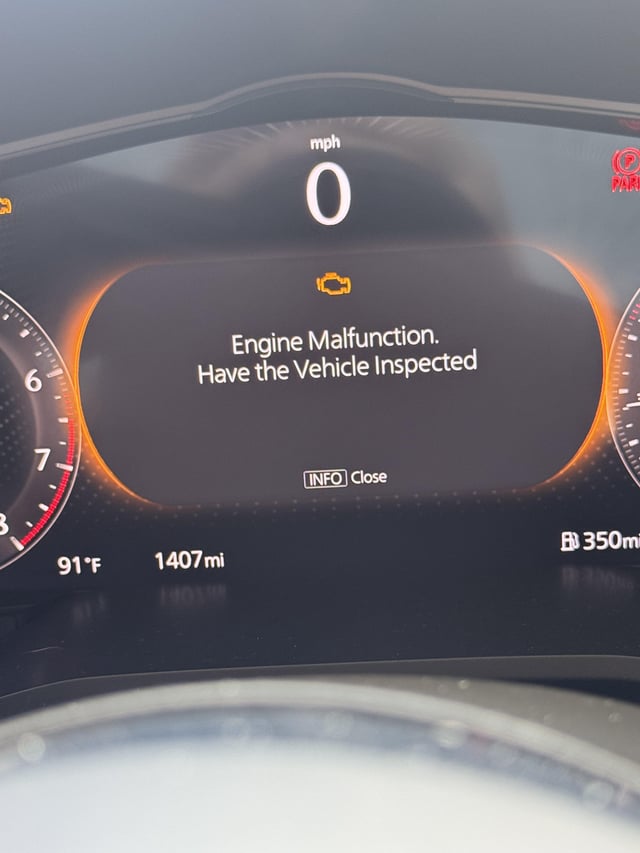
Useful Tools And Apps
You don’t need to visit the dealer for every MIL reset. Many drivers use simple tools like:
- Bluetooth OBD-II adapters: Plug into the port and connect to your phone for live data.
- Smartphone apps: Some apps (like Torque or OBDeleven) read codes and reset the MIL.
- Handheld code readers: Affordable and sold at auto parts stores.
These tools make it easy to check and clear codes at home. For more information, visit the official NHTSA OBD Information.
Summary Table: Reset Steps Overview
Here’s a quick summary for resetting the MIL:
| Step | Details |
|---|---|
| 1. Read Codes | Use scanner; write down codes |
| 2. Fix the Cause | Repair or replace faulty parts |
| 3. Reset MIL | Drive, use scanner, or disconnect battery |
| 4. Confirm | Light stays off, no new codes |
Following these steps can help you handle the MIL safely and save money.
Taking control of your malfunction indicator light on a 2014 Jeep Grand Cherokee is easier than most drivers think. With a basic OBD-II scanner and a little patience, you can check the problem, reset the light, and avoid unnecessary repairs. Always remember, though: resetting the light is not a fix on its own. Use the MIL as a helpful warning, not an annoyance. If you ever feel unsure, seek help from a professional to keep your Jeep running strong and safe.

What Does The Malfunction Indicator Light Mean On My 2014 Jeep Grand Cherokee?
The malfunction indicator light means your vehicle’s computer found a problem in the engine or emissions system. It can be something minor, like a loose gas cap, or something serious, like a failing sensor.
Is It Safe To Drive With The Malfunction Indicator Light On?
If the light is steady, you can usually drive for a short time. But get it checked soon. If the light is flashing, stop driving and get your Jeep checked immediately—this could mean serious engine trouble.
Will Disconnecting The Battery Always Reset The Mil?
Disconnecting the battery will clear most codes and turn off the MIL, but it also resets other electronic settings. The light will come back if the real problem is not fixed.
Why Does The Mil Keep Coming Back After I Reset It?
If the MIL comes back, the original problem is still there or has returned. You need to diagnose and repair the issue, not just reset the warning.
Can I Pass An Emissions Test Right After Resetting The Mil?
No. After a reset, your Jeep’s computer needs time to check all systems.
You may need to drive 50 100 miles before all monitors are “ready” for testing. Otherwise, you could fail the test even if the light is off.