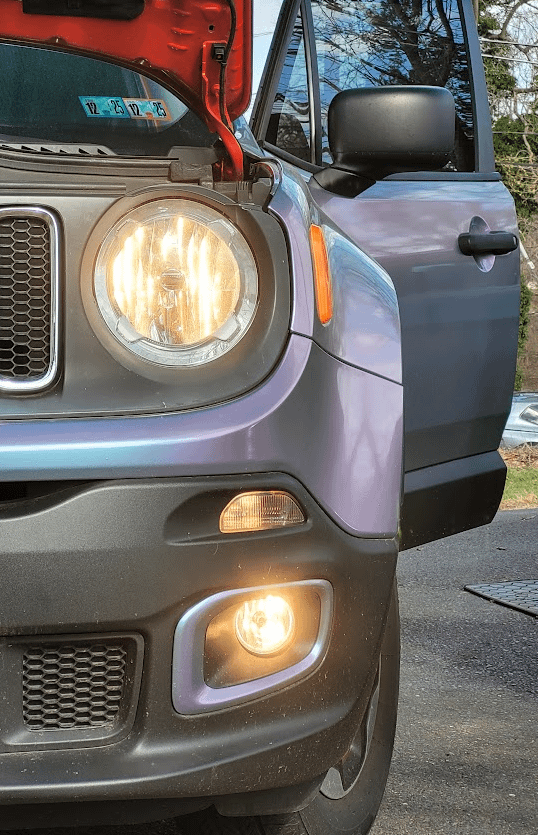
Adding fog lights to your 2016 Jeep Renegade can make driving safer in poor weather. If you drive often at night, or in foggy, rainy, or snowy conditions, you know how important clear visibility is.
Fog lights help you see the road better and let other drivers spot you sooner.
Many Renegade models come without fog lights, but adding them is possible and not too difficult. This guide will walk you through everything you need to know, from choosing the right parts to wiring and installation.
You'll get practical advice, step-by-step instructions, and tips to avoid common mistakes.
Why Add Fog Lights To Your 2016 Jeep Renegade?
Fog lights are designed to cut through fog, rain, and snow. They sit low on the front bumper and shine a wide, flat beam. This helps light up the road without causing glare that can bounce back into your eyes during bad weather. The 2016 Renegade doesn’t always come with fog lights, especially on the lower trim levels. Adding them improves your safety and makes your Jeep look better.
Some drivers notice a big difference, especially in rural areas or on winding roads. According to the National Highway Traffic Safety Administration, vehicles with proper auxiliary lighting have up to 23% fewer accidents in low-visibility situations. For Jeep owners, fog lights are not only functional but also add a bit of style to the front end.
Choosing The Right Fog Lights
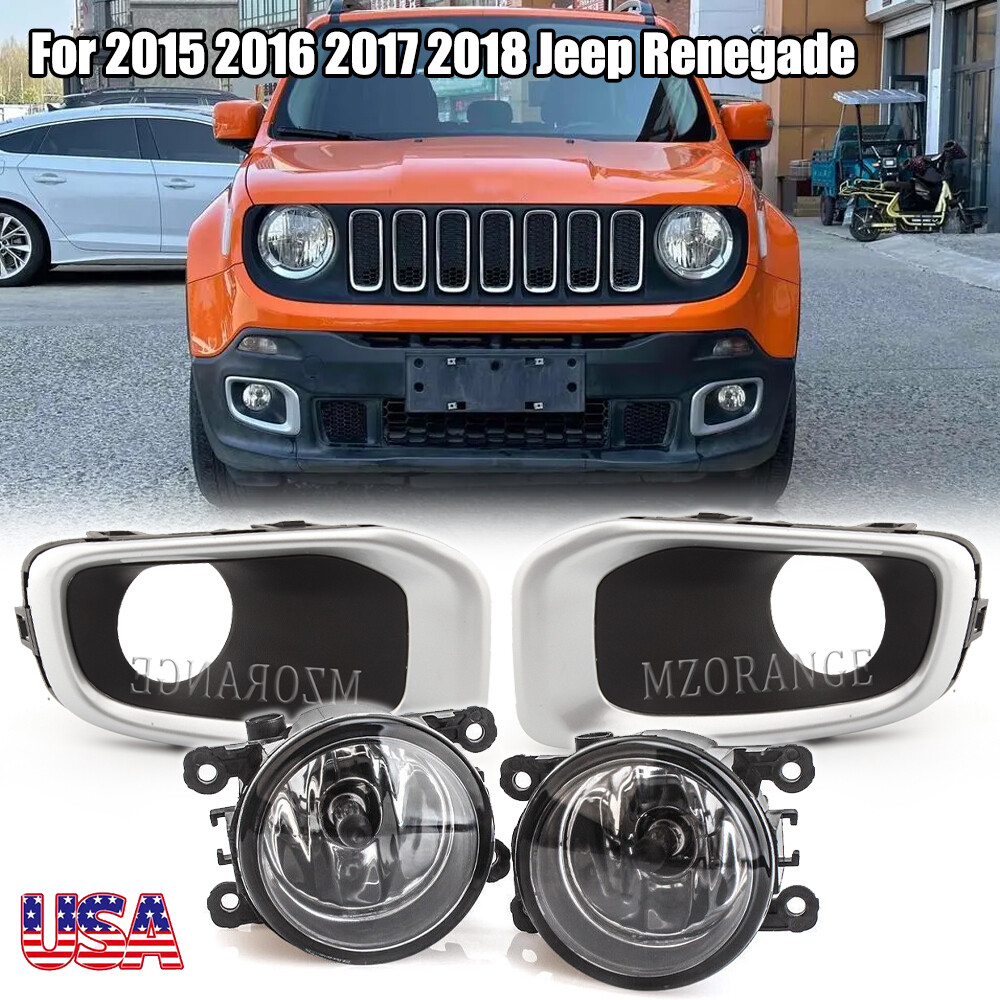
The first step is picking fog lights that fit your Renegade. You need to match the size, shape, and mounting style. Most 2016 Renegade models use a round fog light, about 4.5 inches across. You can choose between factory-style (OEM) or aftermarket fog lights.
Here are the main options:
- OEM fog lights – These match what Jeep uses in higher trims. Fit is perfect, and wiring is usually easier.
- Aftermarket fog lights – These can be brighter, cheaper, or offer a custom look. Brands like Hella, KC HiLiTES, and Philips are popular.
Check for:
- Compatibility: Confirm the lights are made for the 2016 Renegade.
- Bulb type: LED, halogen, or HID. LED lasts longer and uses less power.
- Wiring harness: Some kits include all the wires and switches you need.
- Build quality: Look for waterproof and dustproof ratings (IP67 or IP68).
A common beginner mistake is buying lights that don’t fit the bumper or are missing needed brackets. Always check reviews and photos before ordering.
Required Tools And Materials
You’ll need a few basic tools. If you’re handy, you probably already have most of them.
- Fog light kit (lights, brackets, harness, switch)
- Screwdriver set
- Socket wrench set
- Trim removal tool
- Wire stripper/crimper
- Electrical tape or heat shrink tubing
- Zip ties
- Multimeter (optional, for checking connections)
If you buy an OEM kit, you may also need a Jeep-specific wiring harness. Aftermarket kits often include universal harnesses.
Make sure you get the switch otherwise, you’ll need to buy it separately.
Preparing Your Jeep Renegade
Before you start, park your Jeep on a flat surface and turn off the ignition. Disconnect the negative battery terminal to avoid electrical shorts. Gather all your parts and tools so you don’t have to search during the job.
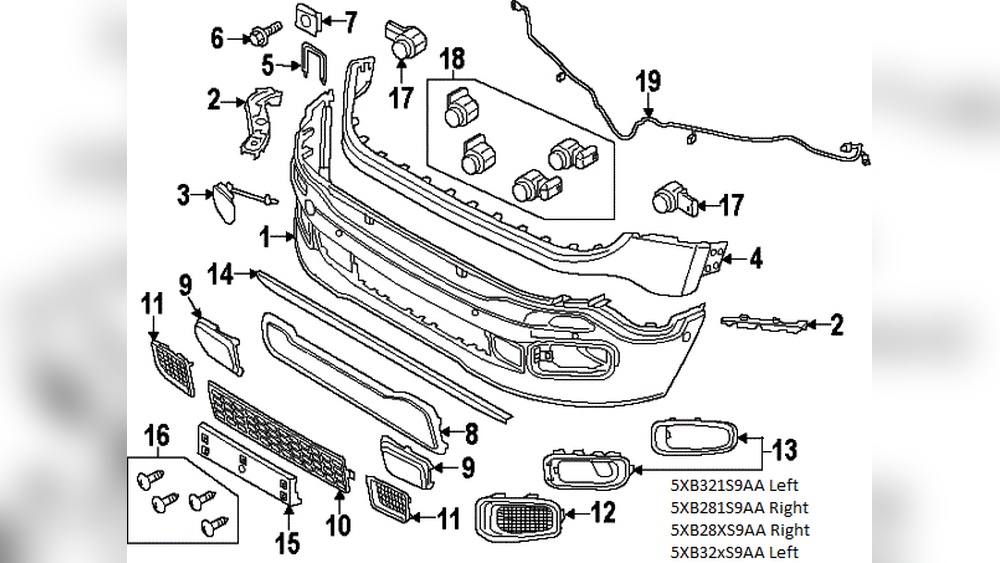
Check the front bumper. Some Renegades have fog light openings covered with plastic caps. If you see these, pop them out with a trim removal tool. If your bumper has no openings, you may need to cut holes (use caution and measure carefully).
Step-by-step Installation Guide
1. Remove Bumper Caps
Use the trim removal tool to gently pry off the plastic covers from the fog light holes. If they are stubborn, work slowly to avoid breaking them.
2. Position The Fog Lights
Slide each fog light into the opening. Align the mounting holes with the bumper brackets.
Insert the screws or bolts and tighten. Most kits include all necessary hardware.
3. Route The Wiring Harness
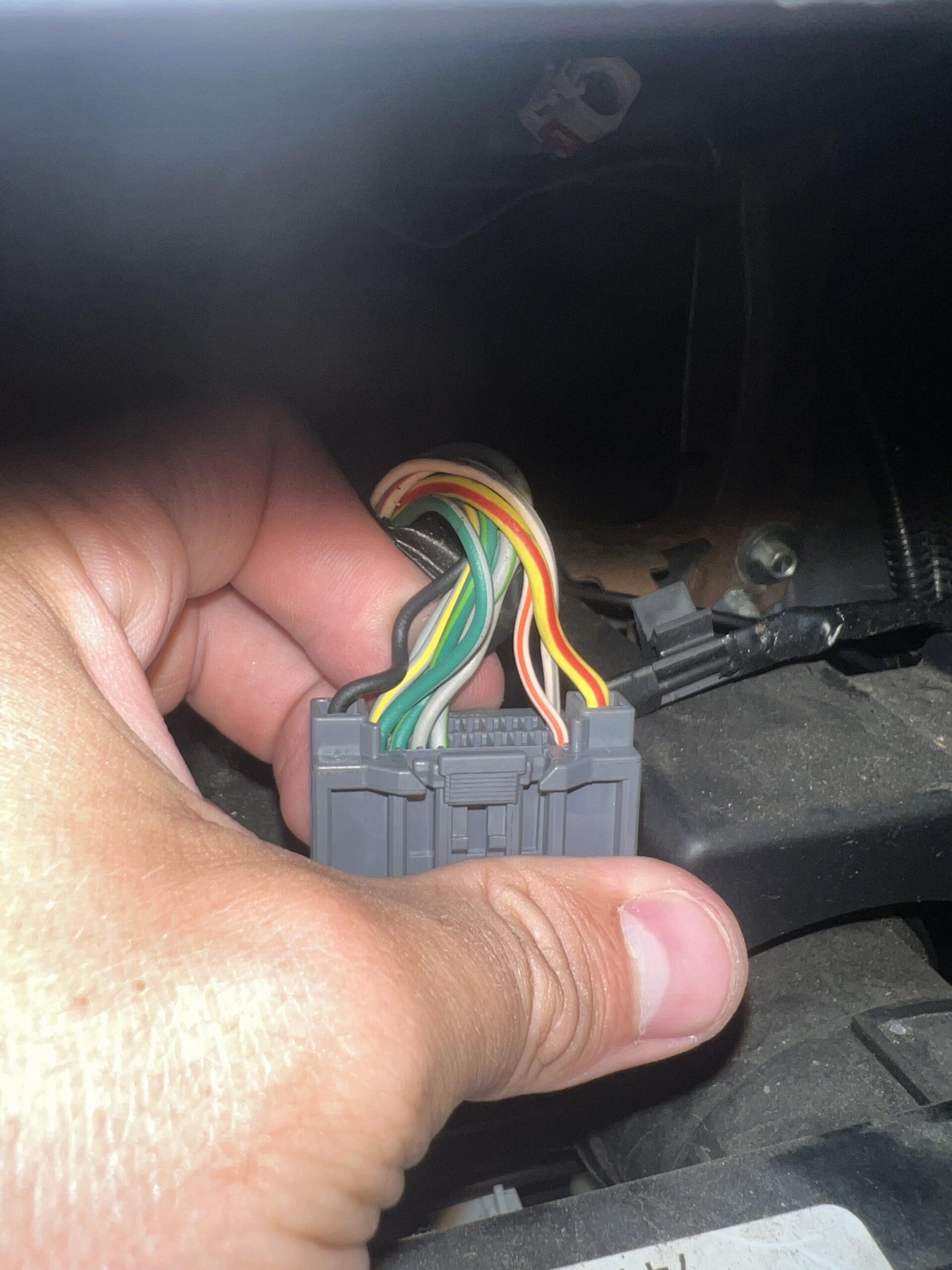
Run the wiring harness from each fog light toward the engine bay. Use zip ties to secure wires away from moving parts and hot surfaces. Follow existing factory wiring paths for neatness.
4. Connect The Power
Locate the fuse box (usually near the battery). Plug the harness power wire into an open fuse slot or use the provided fuse tap. This ensures safe operation.
5. Install The Switch
If your Renegade doesn’t have a factory fog light switch, install the one from your kit. Most switches mount on the dashboard or near the steering wheel.
Drill a small hole if needed, then snap the switch in place and connect the wires.
6. Test The System
Reconnect the battery. Turn the switch on and check that both fog lights illuminate.
If not, check the wiring connections and fuse.
7. Final Checks
Adjust the aim of the fog lights so the beam is low and wide. Over-aiming can blind other drivers.
Secure all wires with zip ties and reassemble any trim pieces.
Comparison: Oem Vs Aftermarket Fog Lights
Below is a comparison to help you decide which style suits your needs:
| Feature | OEM Fog Lights | Aftermarket Fog Lights |
|---|---|---|
| Fit | Perfect, factory-matched | Varies, may require adjustments |
| Brightness | Standard | Often brighter |
| Price | Higher | Lower to moderate |
| Warranty | Usually included | Depends on brand |
OEM lights are best for those who want a stock look and easy installation. Aftermarket options let you customize brightness and style.
Wiring Tips And Common Mistakes
Wiring is often where beginners struggle. Here are some helpful tips:
- Always use heat shrink tubing or electrical tape to cover connections.
- Avoid routing wires near hot engine parts.
- Use a multimeter to check for voltage before connecting.
- Don’t overload the fuse box; use the proper amperage fuse.
Common mistakes include:
- Loose connections, causing flickering or failure.
- Wrong fuse size, which can cause shorts.
- Forgetting to secure wires, leading to damage.
If you’re unsure, consult the wiring diagram from your fog light kit or look for Jeep Renegade wiring guides online. For more in-depth electrical advice, check resources from Auto Electric.
Adjusting And Aiming Fog Lights
Proper aim is important. Fog lights should shine low and wide, just above the ground. Here’s a quick method:
- Park 25 feet from a wall.
- Turn on fog lights.
- The beam should hit the wall about 1–2 feet above the ground.
Use the adjustment screws on each light to set the height. Poor aim can reduce effectiveness and annoy other drivers.
Maintenance And Troubleshooting
Fog lights are durable, but problems can happen. If a light stops working:
- Check the bulb—LEDs last longer, but halogens may burn out.
- Inspect wiring for damage.
- Test the fuse and switch.
Clean the lens regularly. Dirt and road grime reduce brightness.
In snowy climates, wipe off ice and snow before driving.
If water gets inside the light, replace it. Moisture causes fogging and may damage the bulb or wiring.
Data: Fog Light Effectiveness
Fog lights make a real difference in safety. According to the Insurance Institute for Highway Safety, vehicles with good auxiliary lighting have:
- 15% fewer nighttime crashes
- 20% better visibility in foggy conditions
Jeep Renegade owners report easier driving in rain and snow after installation. The upgrade is worth it, especially if you travel often in challenging weather.
Cost Breakdown
Adding fog lights is affordable compared to other upgrades. Here’s a basic cost comparison:
| Item | Average Cost |
|---|---|
| OEM fog light kit | $200–$350 |
| Aftermarket kit | $80–$200 |
| Professional installation | $100–$250 |
| DIY installation | $0 (just your time) |
DIY saves money, but professional installation is faster and includes a warranty.
Example: Owner Experience
Many Jeep Renegade owners post their stories online. One driver from Michigan said adding fog lights made winter driving much less stressful.
They used an aftermarket kit, spent about $150, and finished installation in two hours. Another owner in Oregon chose OEM lights for a factory look.
Their cost was higher, but installation was easier, and the lights matched perfectly.
A non-obvious tip: If you drive off-road, choose fog lights with a metal housing for extra durability. Plastic housings may crack from rocks or debris.
Safety Note
Fog lights are legal in most states, but rules vary. Some places require them to turn off when the high beams are on. Always check local laws before installation.
Can I Add Fog Lights If My Renegade Has No Factory Wiring?
Yes. Most aftermarket kits include all the wiring you need.
You’ll run the wires from the battery, through the firewall, to the switch and lights. It’s a bit more work but very doable for beginners.
What Bulb Type Is Best For Fog Lights?
LED bulbs are best for most drivers. They last longer, use less power, and produce a brighter, whiter light. Halogens are cheaper but burn out faster. HID bulbs are bright but more expensive.
Do I Need To Remove The Bumper To Install Fog Lights?
No, you usually don’t need to remove the bumper. The plastic caps pop out, and the lights slide into place.
If your bumper has no openings, you may need to cut holes, but this is rare.
Will Fog Lights Drain My Battery?
Not if installed correctly. Fog lights use little power, especially LEDs.
Always connect to the fuse box and use the proper fuse to protect your battery.
Can I Install Fog Lights Myself Or Should I Hire A Professional?
Most people can install fog lights themselves with basic tools. If you’re uncomfortable with wiring, hire a professional.
This ensures safety and may include a warranty.
Adding fog lights to your 2016 Jeep Renegade is a smart upgrade for safety and style. With the right kit and careful installation, you can improve your driving experience in all conditions.
The process is straightforward, and even beginners can handle it with patience and planning.
Now you’re ready to take your Renegade’s lighting to the next level.