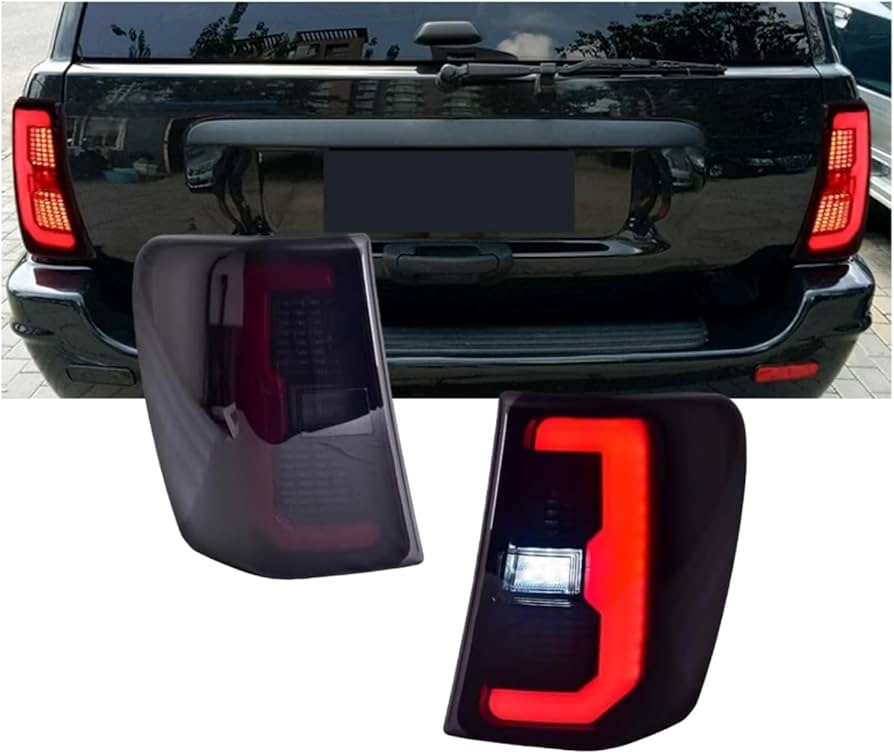
If your brake lights on a Jeep Grand Cherokee stop working, it can be frustrating and unsafe. Brake lights are vital—they warn drivers behind you when you slow down or stop. Fixing them isn’t just about avoiding a ticket; it’s about protecting yourself and others. Many people worry that fixing brake lights is complicated, but most problems can be solved with basic tools and a bit of know-how. Here, you’ll learn how to diagnose, fix, and prevent brake light issues in your Grand Cherokee. You’ll also find practical tips, common mistakes, and expert advice to help you get it right the first time.
Understanding Brake Light Problems
Before you start, it helps to know why brake lights fail. Sometimes it’s a simple bulb issue; other times, the problem is deeper—like a faulty switch or wiring. Here are the most common causes:
- Burned-out bulbs – The most frequent cause.
- Blown fuse – Protects the circuit; if it’s blown, lights won’t work.
- Faulty brake light switch – Located near the brake pedal.
- Wiring issues – Damaged or corroded wires.
- Socket problems – Where the bulb connects.
- Bad relay – Rare, but possible.
Tip: Many beginners overlook the fuse. Always check it early.
Tools And Materials Needed
You don’t need special tools, but having the right equipment makes the job easier. Here’s what you’ll need:
- Screwdriver (flathead and Phillips)
- Socket wrench set
- Replacement bulbs (check your owner’s manual for the exact type)
- Fuse puller
- New fuse (if needed)
- Electrical contact cleaner
- Multimeter (for deeper diagnosis)
- Gloves
Non-obvious insight: Using gloves prevents oil from your hands getting on the bulb, which can shorten its life.
Step-by-step Guide: Fixing Brake Lights
Fixing brake lights is a process. Here’s how to do it, from the simplest steps to more advanced checks.
Step 1: Check The Brake Light Bulbs
Most brake light problems are caused by dead bulbs. Here’s how to inspect and replace them:
- Open the rear hatch or trunk.
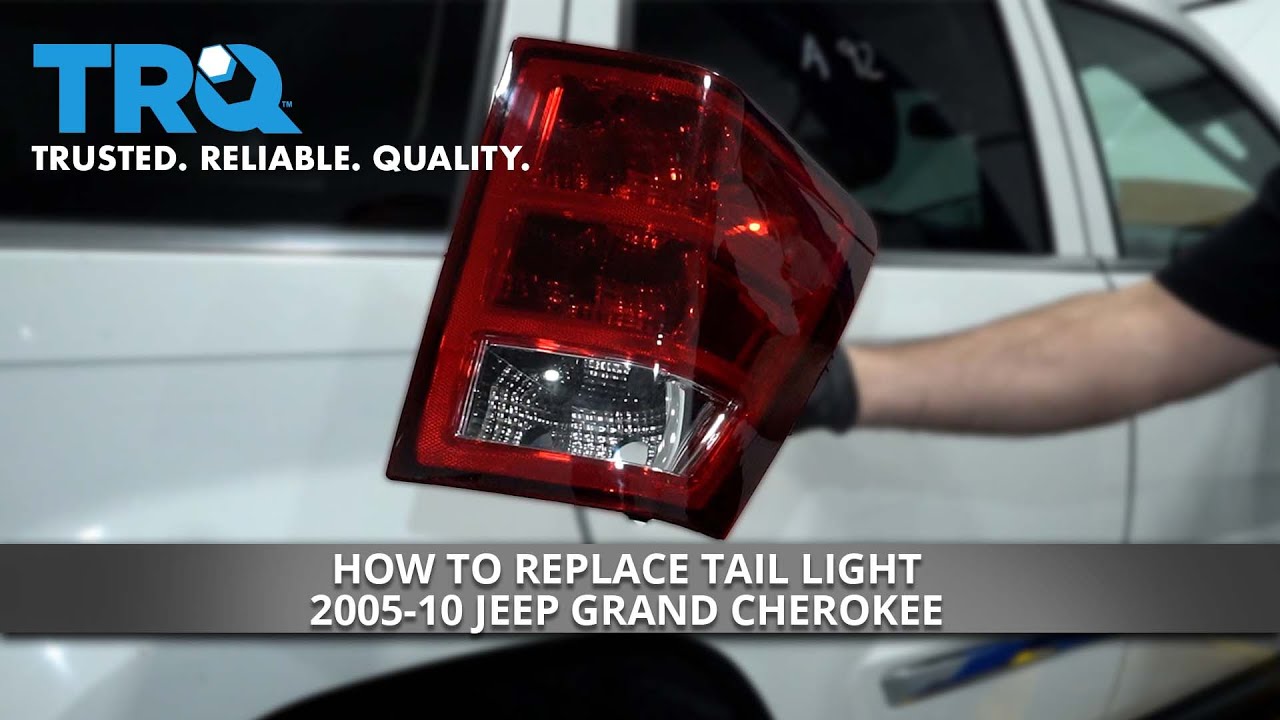
- Locate the brake light assembly. On Grand Cherokees, it’s usually easy to access from inside the trunk or by removing a few screws.
- Remove the screws or bolts holding the light assembly.
- Gently pull out the assembly.
- Twist the bulb socket counterclockwise and remove it.
- Examine the bulb. If the filament is broken or the glass is dark, replace it.
- Insert the new bulb (make sure it matches the type).
- Put everything back in reverse order.
Pro tip: Test the new bulb before fully reassembling. Ask someone to press the brake pedal while you check the lights.
Step 2: Inspect The Fuse
If all bulbs look good, check the fuse. The fuse box is usually under the dashboard or in the engine compartment.
- Locate the fuse box (consult your manual).
- Find the brake light fuse (often labeled “stop” or “brake”).
- Use a fuse puller to remove it.
- Check for a broken wire inside the fuse. If it’s blown, replace it with one of the same amperage.
| Fuse Location | Typical Label | Amperage |
|---|---|---|
| Under Dash | STOP | 10A |
| Engine Compartment | BRAKE | 15A |
Beginner mistake: Using the wrong amperage fuse. Always match the original.
Step 3: Test The Brake Light Switch
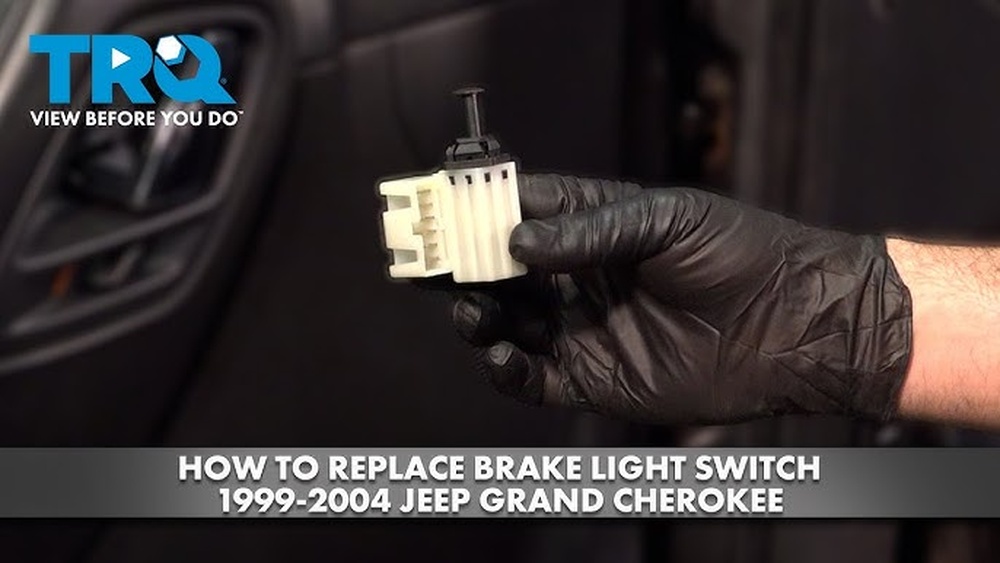
If bulbs and fuses are fine, the brake light switch may be faulty. This switch sits above the brake pedal and activates the lights when you press the pedal.
- Locate the switch above the brake pedal.
- Disconnect the wiring plug.
- Use a multimeter to test for continuity when the pedal is pressed.
- If there’s no continuity, replace the switch.
Example: In a 2015 Grand Cherokee, the switch is a small white or black box with a plunger.
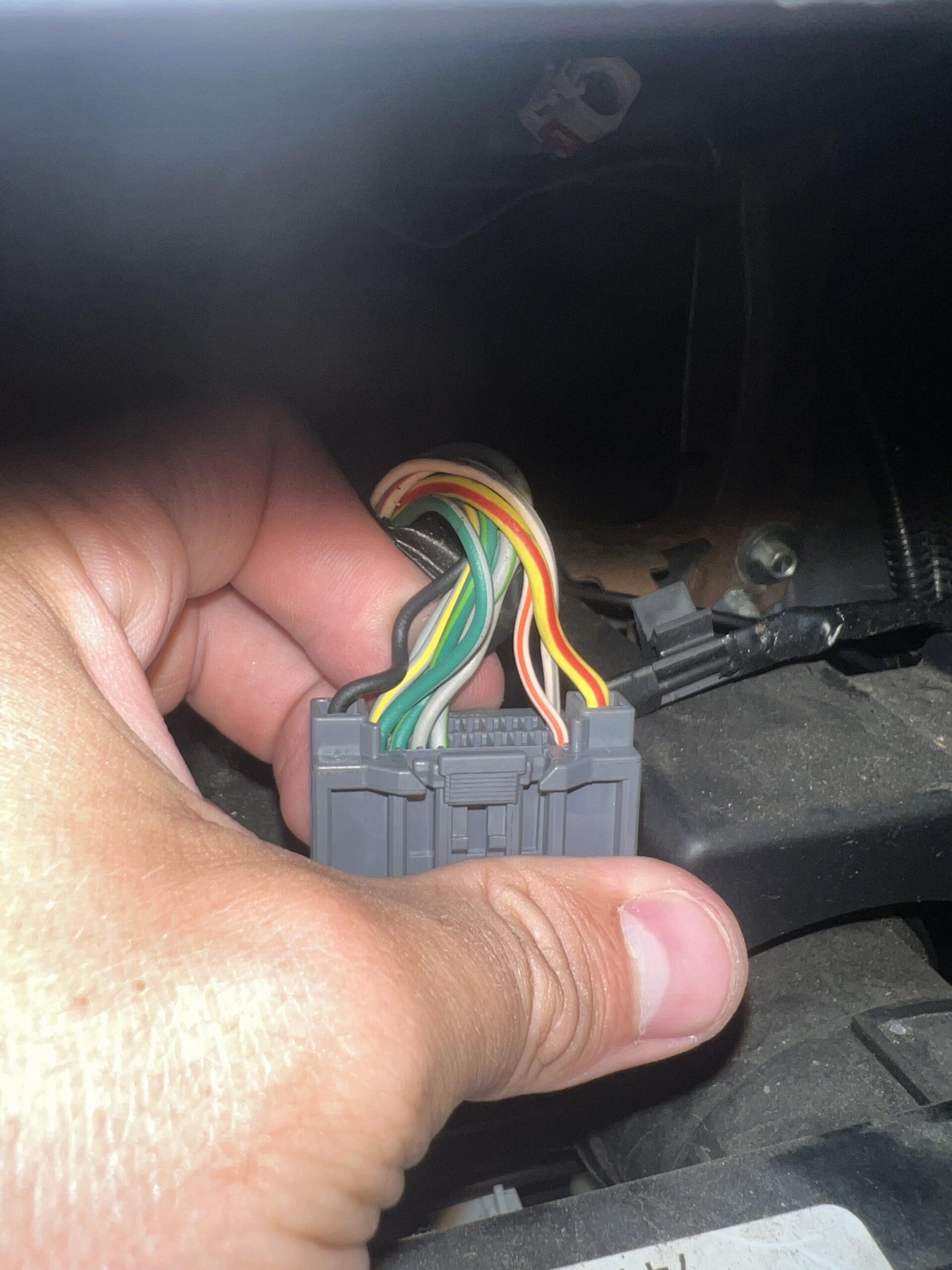
Step 4: Check Wiring And Connectors
Sometimes, the issue is hidden—damaged wires or corroded connectors. Here’s how to inspect:
- Examine the wires leading to the brake light assembly.
- Look for obvious damage: Cuts, corrosion, or loose connections.
- Clean dirty connectors with electrical contact cleaner.
- Repair or replace damaged wires as needed.
| Issue | Symptoms | Fix |
|---|---|---|
| Corroded connector | Dim or no light | Clean with contact cleaner |
| Broken wire | No light | Repair or replace wire |
| Loose socket | Intermittent light | Tighten or replace socket |
Non-obvious insight: Vibration from driving can loosen connectors over time.
Step 5: Consider The Relay
Rarely, a relay may be the culprit. Most Grand Cherokees don’t use a separate brake light relay, but some models do.
- Locate the relay (check your manual).
- Swap it with a similar relay in the fuse box.
- If the lights work, replace the relay.
Common Mistakes To Avoid
Even experienced DIYers can slip up. Here are mistakes people often make:
- Ignoring the fuse: Many check bulbs first and skip the fuse.
- Touching bulbs with bare hands: Skin oils can cause bulbs to burn out quickly.
- Using wrong bulb type: Always match the bulb type and wattage.
- Forgetting to test after each fix: This wastes time if you fix the wrong problem.
- Skipping ground wire checks: Bad ground can cause dim or non-working lights.
When To Get Professional Help
Some problems are too complex for home fixes. If you notice these signs, call a mechanic:
- Brake lights still don’t work after replacing bulbs, fuses, and switches.
- Multiple electrical issues (other lights, dash problems).
- Burning smell or visible wire damage.
- Brake lights flicker or turn on when not pressing the pedal.
Fact: About 10% of brake light issues need professional diagnosis due to complex electrical faults.
How To Prevent Future Brake Light Problems
Prevention is better than repair. Here’s how to avoid brake light issues:
- Check bulbs and fuses every six months.
- Keep connectors clean—use electrical contact cleaner.
- Avoid overloading circuits with aftermarket accessories.
- Inspect wiring after rough driving or accidents.
Bonus tip: When you replace bulbs, also check the reverse and tail lights—they often fail at the same time.
Jeep Grand Cherokee Brake Light Bulb Comparison
Choosing the right bulb matters. Here’s a comparison of popular bulb types for Grand Cherokees:
| Bulb Type | Brightness (Lumens) | Life Span (Hours) | Cost (USD) |
|---|---|---|---|
| Standard Halogen | 400 | 1,000 | $2 |
| LED | 600 | 30,000 | $12 |
| High Performance Halogen | 500 | 1,500 | $4 |
LED bulbs last much longer but cost more. For most Grand Cherokee owners, LED upgrades are worth it if you plan to keep the vehicle for years.
Real-world Example
Let’s say your 2018 Jeep Grand Cherokee brake lights stopped working. You check the bulbs—both are fine. You replace the fuse, but the lights still don’t work. Testing the brake light switch shows no continuity. After replacing the switch, the lights work perfectly. This process saves money and time.
Another insight: Sometimes, all three brake lights (left, right, center) fail together. This usually points to fuse, switch, or wiring—not bulbs.
Safety Reminder
Never drive with broken brake lights. It’s dangerous and illegal.
Police can ticket you, and it increases accident risk. Always fix brake lights as soon as possible.
What Bulb Type Do I Need For My Jeep Grand Cherokee?
Most Grand Cherokees use a 3157 bulb for brake lights. Check your owner’s manual to confirm. LED upgrades are possible for newer models.
How Do I Know If My Brake Light Switch Is Bad?
If all brake lights fail at once, and bulbs and fuse are fine, the switch is likely bad. Test it with a multimeter—if it shows no continuity when the pedal is pressed, replace the switch.
Can I Use Led Bulbs Instead Of Halogen?
Yes, you can upgrade to LED bulbs. They last longer and are brighter. Make sure they fit your socket and don’t cause error messages on newer models.
What Is The Typical Cost To Fix Brake Lights?
Fixing brake lights yourself usually costs between $2 and $20 for bulbs and fuses. If you need professional help, labor can add $50–$150. Complex wiring issues may cost more.
Where Can I Find Official Wiring Diagrams For My Grand Cherokee?
For accurate diagrams, visit the official Jeep website or Jeep Owners Manuals. These guides help with fuse and wiring locations.
Fixing brake lights on your Jeep Grand Cherokee is usually simple if you follow the right steps. Start with bulbs and fuses, then move to switches and wiring.
Most owners can solve basic issues without a mechanic. If you run into deeper problems, don’t hesitate to ask for professional help.
Keeping your brake lights working keeps you safe and legal so check them regularly and repair them fast.