Driving a Jeep Cherokee with 4-wheel drive (4WD) gives you more than just confidence on the road. It allows you to explore new places, handle rough terrain, and stay safe in bad weather. But to get the most from your Jeep, you need to understand how to use its 4-wheel drive system correctly. Many owners only use the basic features and miss out on the full potential of their vehicle. If you’re new to 4WD, or just want to learn the right way to use it, this guide is for you. We’ll go through each 4WD mode in the Jeep Cherokee, how and when to use them, and offer helpful tips that even some experienced drivers overlook.
Understanding Jeep Cherokee 4-wheel Drive Systems
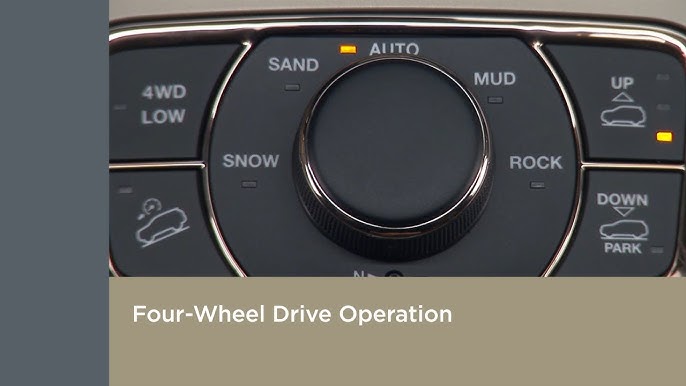
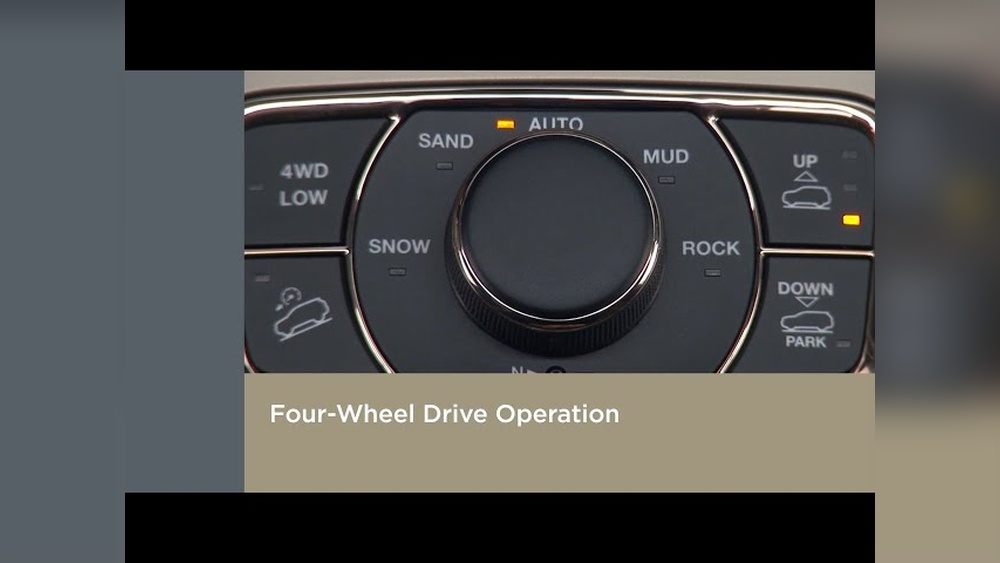
The Jeep Cherokee offers different 4WD systems, including Active Drive I, Active Drive II, and the more advanced Active Drive Lock. Each system is designed for specific driving needs. Most Cherokees have a Selec-Terrain® dial that lets you choose driving modes such as Auto, Snow, Sport, Sand/Mud, and Rock (on Trailhawk models). Your Jeep may have a different system, so always check your owner’s manual for exact details.
Why Use 4-wheel Drive?
4-wheel drive helps your vehicle by sending power to all four wheels. This gives you better traction on slippery or uneven surfaces. It is especially useful in snow, mud, sand, or rocky terrain. However, using the wrong mode at the wrong time can damage your vehicle or make driving harder.
1. Auto Mode: Everyday Driving
Most Jeep Cherokees default to Auto mode. In this setting, the system automatically decides when to send power to the front or rear wheels. This mode is best for normal road conditions, including highways and city streets.
How Auto Mode Works
- The vehicle uses sensors to check traction.
- If the road is dry and clear, it mainly uses front-wheel drive to save fuel.
- If it detects slipping, it instantly shifts power to the rear wheels.
When To Use Auto Mode
- Daily commuting
- Dry pavement or highways
- Light rain
Auto mode is the best choice for most situations. It gives you peace of mind without you having to think about it. Some drivers think switching to 4WD all the time gives more safety, but this just wastes fuel and adds wear to the system.
2. Snow Mode: Winter And Icy Conditions
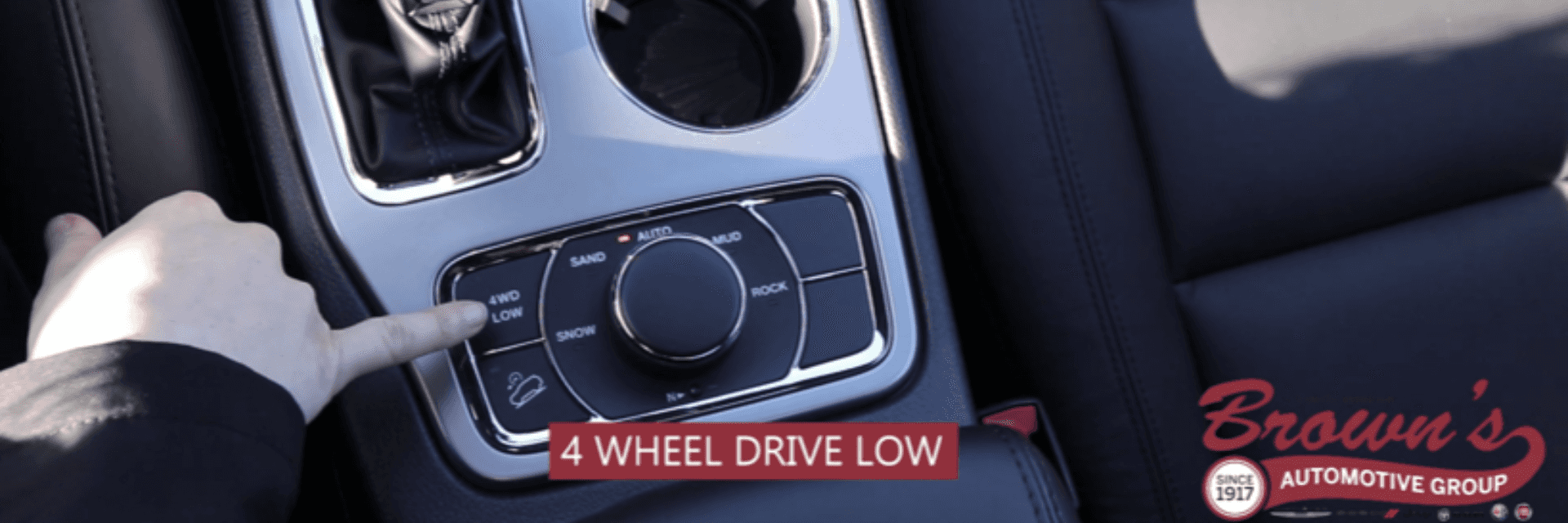
Snow mode is designed for driving on snow-covered or icy roads. It changes how the vehicle responds to give you more control in slippery conditions.
How Snow Mode Works
- Softens throttle response to avoid wheel spin
- Starts the vehicle in second gear for smoother take-off
- Sends more power to all four wheels
When To Use Snow Mode
- Fresh or packed snow
- Icy roads
- Slippery winter weather
Many new Cherokee owners don’t realize that Snow mode is also useful in light ice or even deep slush. It makes the vehicle less likely to spin when starting from a stop.
Extra Insight
Some drivers only use Snow mode in deep snow, but it can help even with a thin layer of ice. Also, using Snow mode on dry pavement will not harm the car but may reduce performance and fuel efficiency.
3. Sport Mode: Maximum Performance
Sport mode gives your Jeep Cherokee a more responsive feel. It changes the way the engine and transmission work, making the vehicle quicker and more fun to drive.
How Sport Mode Works
- Increases throttle response for faster acceleration
- Changes shift points to keep the engine in a higher power range
- Adjusts steering for a sportier feel
When To Use Sport Mode
- Passing other cars on the highway
- Driving on winding roads
- When you want a more exciting drive
Sport mode is not meant for off-road or slippery conditions. It is designed for dry, paved roads where you want better performance.
Some owners think Sport mode helps in mud or sand, but it can actually make you lose traction.
What Beginners Often Miss
Sport mode can use more fuel. If you use it all the time, your gas mileage will drop.
Also, using Sport mode in traffic can make the vehicle feel “jumpy” and harder to control.
4. Sand/mud And Rock Modes: Off-road Adventures
The Sand/Mud and Rock modes are for serious off-road driving. Not all Cherokees have Rock mode; it’s usually found on the Trailhawk model with Active Drive Lock.
Sand/mud Mode
- Gives more wheel slip for tires to “dig in”
- Changes traction control settings for loose surfaces
- Adjusts transmission for steady power
Rock Mode
- Only on Trailhawk models
- Locks the rear differential for maximum traction
- Adjusts throttle and transmission for crawling over rocks
When To Use Sand/mud And Rock Modes
- Off-roading on dirt, mud, or sand trails
- Rock crawling (Trailhawk only)
- Deep snow (sometimes Sand/Mud can help if Snow mode is not enough)
Key Tips For Off-roading
- Always stop and shift to neutral before switching to Rock mode.
- Lower your tire pressure slightly in sand or mud for better traction (but remember to re-inflate before driving on pavement).
- Use slow, steady throttle—avoid sudden acceleration.
Real-world Example
A Jeep Cherokee Trailhawk owner shared that using Rock mode on a boulder-strewn trail made the difference between getting stuck and climbing out easily. The locked rear differential let both rear wheels turn together, giving extra grip.
Table: Quick Comparison Of Modes
| Mode | Best For | Main Features |
|---|---|---|
| Auto | Normal roads | Automatic traction adjustment |
| Snow | Snow/ice | Smoother takeoff, reduced wheel spin |
| Sport | Performance driving | Faster acceleration, sharper response |
| Sand/Mud | Loose surfaces | More wheel slip, traction control changes |
| Rock | Rocks/off-road | Rear diff lock, low-speed control |
How To Switch Between 4wd Modes
Switching modes in the Jeep Cherokee is simple, but timing matters for safety and performance.
- Auto to Snow/Sport/Sand/Mud: Turn the Selec-Terrain® dial to your chosen mode while driving at low speed or when stopped.
- To Rock mode (Trailhawk): Stop the vehicle. Place the transmission in Neutral. Turn the dial to Rock. Wait for the dashboard to confirm the change.
Changing modes while moving fast can cause problems. Always check the owner’s manual for your model.
Table: Can You Change Modes While Moving?
| From/To | Can Switch While Moving? |
|---|---|
| Auto ↔ Snow | Yes, below 50 mph |
| Auto ↔ Sport | Yes, at any speed |
| Auto ↔ Sand/Mud | Yes, below 50 mph |
| Any ↔ Rock (Trailhawk) | No, must be stopped and in Neutral |
Common Mistakes And How To Avoid Them
Many drivers use 4WD incorrectly, which can lead to vehicle damage or poor performance. Here are some common mistakes:
- Using off-road modes on pavement: This can wear out tires and parts faster.
- Not switching back to Auto after off-roading: Staying in Sand/Mud or Rock mode on normal roads reduces fuel economy and comfort.
- Switching modes at high speed: Can damage the transfer case or transmission.
- Forgetting to check tire pressure: Off-roading with the wrong pressure can lead to flats or poor traction.
- Ignoring dashboard alerts: If you see a 4WD warning light, stop and check the manual.
Extra Tips For New Jeep Cherokee Owners
- Practice switching modes in a safe, open area before you need them in real conditions.
- Know your limits: Even with 4WD, deep mud or water can stop you. Don’t push beyond your skills or the vehicle’s abilities.
- Regularly maintain your 4WD system. Change fluids and inspect parts, especially if you off-road often.
- Read the owner’s manual: Each Cherokee model has small differences. The manual gives details that can save you time and money.
Data: 4wd System Performance
According to Jeep’s official specs, the Active Drive II system can handle up to 4,500 pounds of towing and offers a 20:1 crawl ratio in Rock mode (Trailhawk). Real-world tests show that Cherokees with this system can climb slopes up to 56% and cross water up to 19 inches deep.
Table: Jeep Cherokee 4wd Key Stats
| System | Crawl Ratio | Max Towing | Water Fording |
|---|---|---|---|
| Active Drive I | N/A | 2,000 lbs | 17 in |
| Active Drive II | 20:1 | 4,500 lbs | 19 in |
| Active Drive Lock (Trailhawk) | 56:1 | 4,500 lbs | 19 in |
How Do I Know Which 4wd Mode To Use?
Use Auto mode for everyday driving. Switch to Snow in winter, Sport for better performance, Sand/Mud for off-road, and Rock (if available) for rock crawling. If unsure, Auto is always a safe choice.
Can I Switch 4wd Modes While Driving?
You can change between most modes while moving slowly, but for Rock mode, you must stop and shift to Neutral. Always check the dashboard for confirmation.
Is It Bad To Leave My Cherokee In 4wd All The Time?
Leaving it in Auto mode is fine. But using Sand/Mud or Rock modes on regular roads can cause faster wear and lower gas mileage. Switch back to Auto after off-roading.
What If My Cherokee Gets Stuck While Off-roading?
First, try switching to Sand/Mud or Rock mode. Lower your tire pressure a little for better grip.
If you’re still stuck, use recovery gear like traction boards or ask for help.
Where Can I Learn More About Jeep Cherokee 4wd Systems?
The official Jeep Cherokee page offers detailed specs, videos, and resources.
Driving a Jeep Cherokee with 4-wheel drive opens up a world of adventure, but only if you use it wisely. By understanding each mode and practicing how to switch between them, you’ll get the best performance, safety, and fun from your vehicle.
Remember, your Cherokee is ready for almost anything when you know how to use it right.