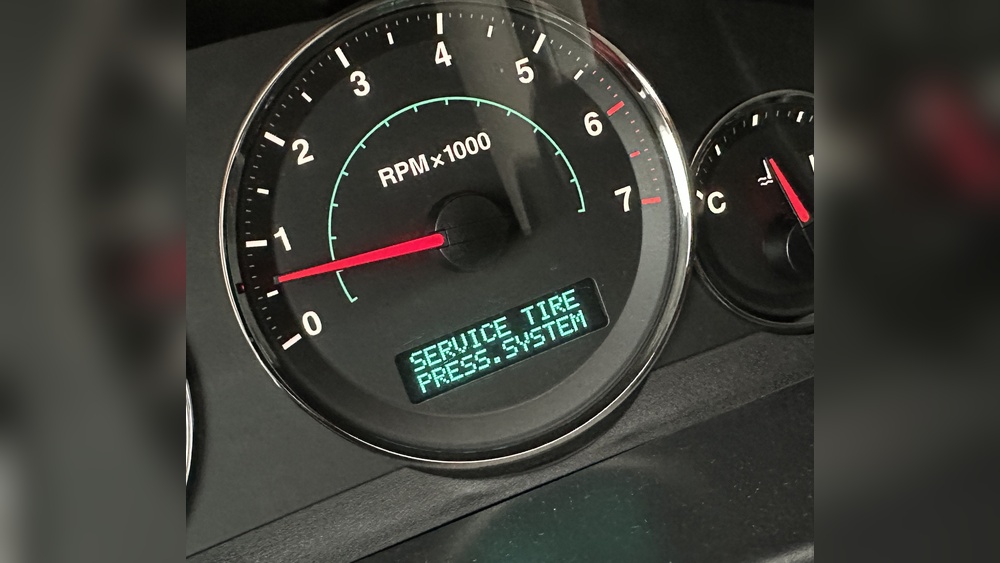
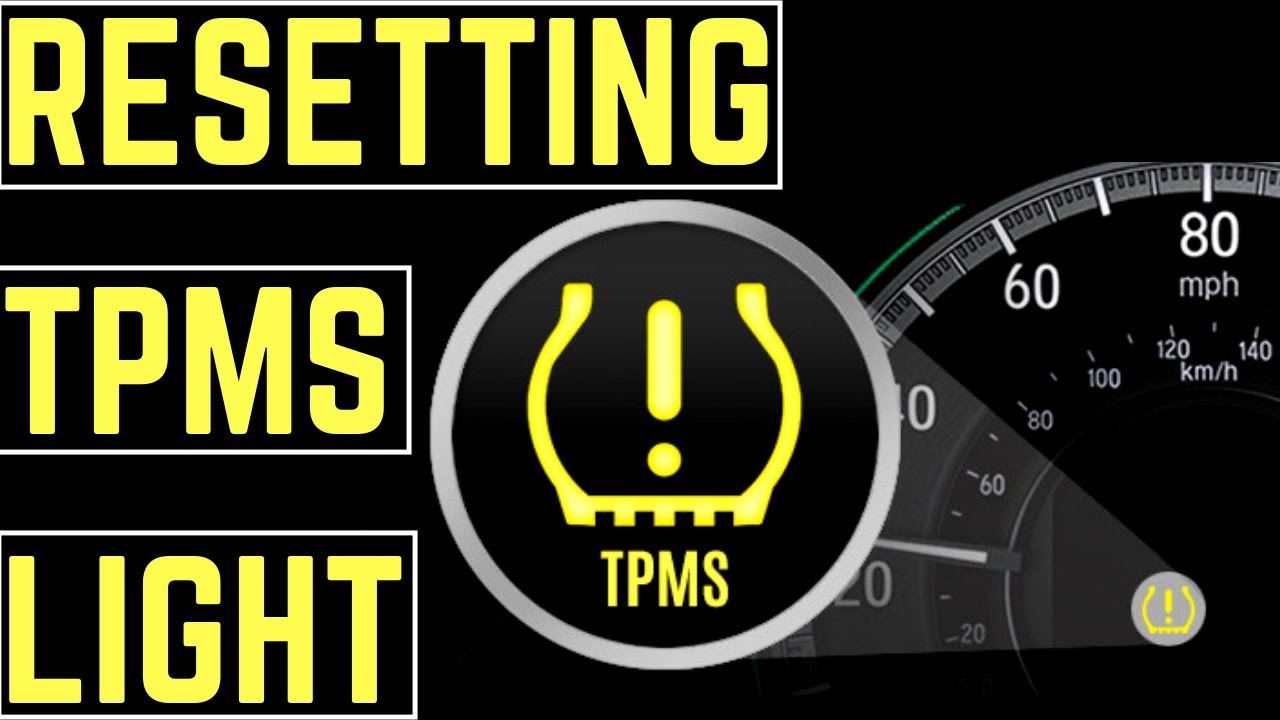
If you drive a Jeep Commander, you may have seen the tire pressure warning light on your dashboard. This light looks like a horseshoe with an exclamation mark inside. When it comes on, many drivers feel worried or confused. You might wonder: Is there a real problem? How do I turn off the tire pressure light? Is it safe to keep driving? The answers are not always obvious, especially for new drivers or those unfamiliar with tire sensors. This article gives you clear, practical steps to turn off the tire pressure light on your Jeep Commander, explains why it comes on, and helps you avoid mistakes that can lead to bigger problems.
Why Does The Tire Pressure Light Come On?
The tire pressure monitoring system (TPMS) in your Jeep Commander watches the air pressure in each tire. If any tire drops below the recommended level, the TPMS turns on the warning light. This system is required by law in the US for most vehicles since 2008. Low tire pressure can cause unsafe handling, poor fuel economy, and faster tire wear.
Some common reasons the tire pressure light turns on include:
- Low tire pressure from slow leaks, cold weather, or normal air loss over time.
- Sudden changes in temperature — Cold air makes tires lose pressure, so the light often comes on in winter mornings.
- Faulty TPMS sensor — Sensors can fail, especially after years of use or during tire changes.
- Tire puncture or damage — Even small nails or objects can cause air to escape.
Understanding these causes helps you fix the problem, not just hide the warning.
Recommended Tire Pressure For Jeep Commander
Before you reset the light, you need to know what the correct tire pressure should be. This data is specific to your vehicle and tire type.
| Jeep Commander Model Year | Recommended Tire Pressure (psi) | Common Tire Size |
|---|---|---|
| 2006-2010 | 33 psi | 245/65R17 |
| 2007-2010 | 33 psi | 245/70R17 |
Check your tire pressure label (usually inside the driver’s door) for your exact psi. Using the wrong pressure can cause the TPMS light to stay on.
How To Turn Off Tire Pressure Light Jeep Commander
Turning off the tire pressure light is not just about pressing a button. It involves checking your tires, fixing any issues, and sometimes resetting the system.
Step 1: Check Tire Pressure
Use a digital tire gauge or the air pressure tool at a gas station. Measure each tire, including the spare if your model has a sensor for it.
- If the pressure is below the recommended level, add air until it matches the correct psi.
- If one tire is much lower, inspect for nails, cuts, or leaks.
Many people forget to check the spare tire. On some Jeep Commander models, the TPMS covers the spare tire.
If this tire is low, the warning light will stay on.
Step 2: Inflate Tires
Fill each tire to the recommended psi. Be careful not to overinflate.
Too much air can cause the tire to wear unevenly and affect handling.
- Add air slowly.
- Double-check the reading after a few minutes, as pressure can change quickly.
After inflating, drive the car for a few miles. The TPMS usually resets itself after a short drive if all tires are correctly inflated.
Step 3: Reset The Tire Pressure Light
If the light does not turn off, try these steps:
- Drive for 10–15 minutes at speeds above 15 mph. The sensors need movement to update.
- Turn the ignition off and on. Sometimes the light resets after restarting the car.
- If the light stays on, check all tires again. Even a small difference in pressure can trigger the warning.
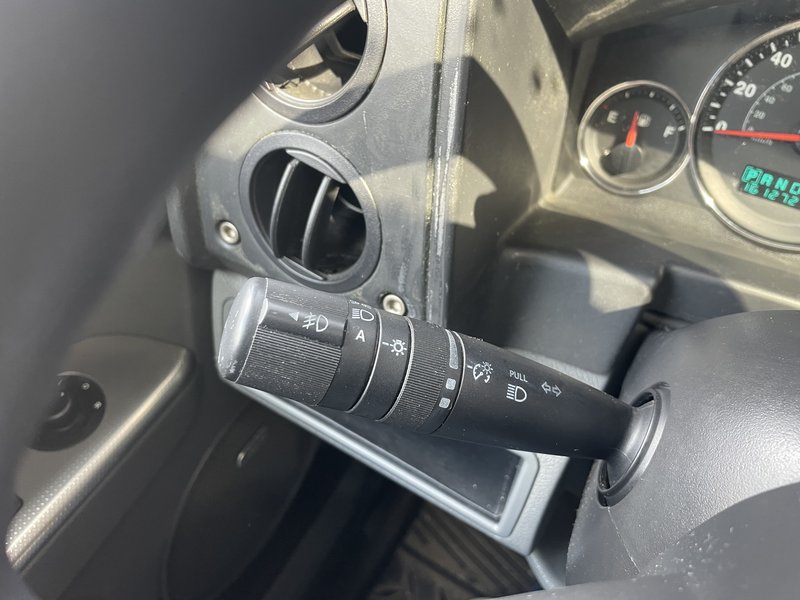
On most Jeep Commander models, there is no manual TPMS reset button. The system relies on correct tire pressure and driving to clear the warning.
Step 4: Inspect For Sensor Problems
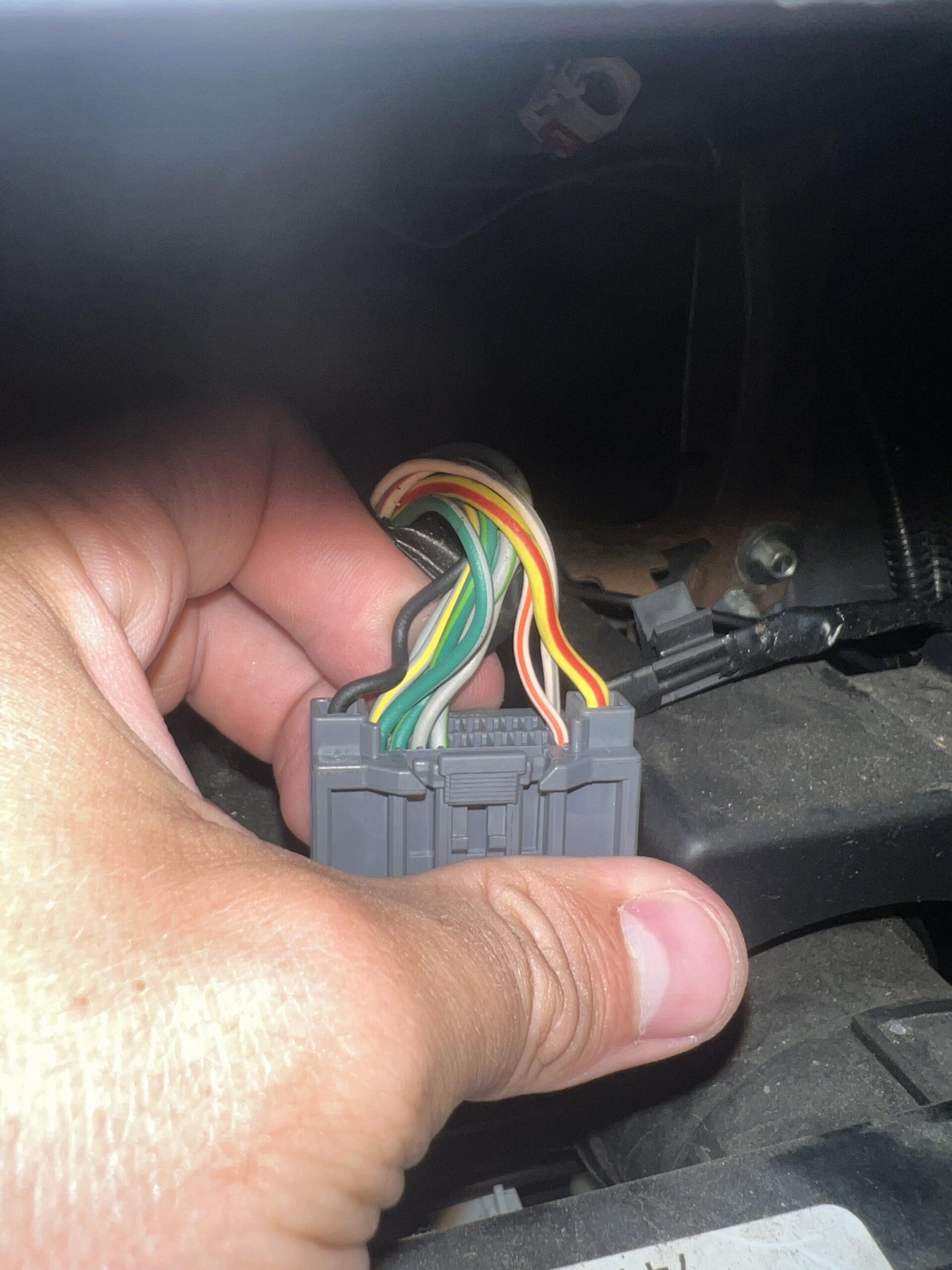
If your tires are at the right pressure and the light stays on, a sensor may be faulty.
- Sensors usually last 5–7 years or about 100,000 miles.
- They can fail due to battery life, water damage, or during tire changes.
A mechanic can scan your TPMS system for error codes. Replacing a sensor costs between $50–$150 per wheel, including labor.
Step 5: Professional Help
If you cannot turn off the light after checking tires and driving, visit a repair shop. They have special tools to diagnose sensor issues and reset the system.
Many shops use TPMS tools that communicate directly with the sensors. They can see which sensor is bad and replace it if needed.
Common Mistakes When Fixing Tire Pressure Light
Even experienced drivers make mistakes when trying to turn off the tire pressure light. Avoid these problems to save time and money.
- Ignoring the spare tire — Always check if your Jeep Commander’s spare has a TPMS sensor.
- Using inaccurate gauges — Cheap or old tire gauges can give wrong readings. Use a reliable digital gauge.
- Overfilling tires — Too much air can trigger the warning or damage tires.
- Assuming the light is a false alarm — Sometimes, the TPMS light means there is a real problem, such as a slow leak.
- Not checking tire pressure regularly — Tires lose air naturally. Check them at least once a month.
How Tpms Works In Jeep Commander
The TPMS in Jeep Commander uses sensors inside each tire. These sensors send pressure data to the car’s computer.
If any tire is under the set threshold, the light comes on.
There are two main types of TPMS:
- Direct TPMS — Sensors are inside each wheel. This is the type used in Jeep Commander.
- Indirect TPMS — Uses ABS sensors to guess pressure based on wheel speed (not used in Jeep Commander).
Direct TPMS is more accurate but can cost more to repair.
Here’s a comparison of TPMS types:
| TPMS Type | Accuracy | Repair Cost | Used In Jeep Commander? |
|---|---|---|---|
| Direct | High | Medium-High | Yes |
| Indirect | Medium | Low | No |
Tips For Preventing Tire Pressure Light Problems
Preventing the warning light is easier than fixing it. Here are practical tips:
- Check tire pressure monthly using a digital gauge.
- Inspect tires after big temperature changes — Cold weather can lower tire pressure fast.
- Look for signs of damage (bulges, nails, cracks) during routine checks.
- Replace TPMS sensors when you change tires, especially if they are older than 5 years.
- Keep a record of tire service — Note sensor replacements and tire rotations.
Most beginners miss the importance of regular checks. Tire pressure changes slowly, so it’s easy to forget.
By making this part of your routine, you avoid sudden warnings and improve safety.

Data: How Often Do Tpms Sensors Fail?
Sensor failure is common, especially in older vehicles. Studies show:
| Sensor Age | Failure Rate (%) |
|---|---|
| 0-3 years | 5 |
| 4-7 years | 22 |
| 8+ years | 44 |
If your Jeep Commander is more than 7 years old, the chance of sensor failure is much higher. This is a non-obvious insight many owners overlook.
If the light stays on and tires are fine, suspect the sensors.
What To Do If Tire Pressure Light Comes On While Driving
If the light turns on during a drive, stay calm:
- Find a safe place to stop.
- Check tires visually for obvious damage.
- Use a gauge to measure pressure if possible.
- If a tire is very low or flat, do not drive further. Change the tire or call for help.
- If all tires look okay, drive slowly to a repair shop.
Most TPMS warnings are not emergencies, but a flat tire can lead to accidents.
When Should You Replace Tpms Sensors?
You do not need to replace sensors every time the light comes on. Replace them if:
- The light stays on and all tires are at correct pressure.
- A mechanic diagnoses a failed sensor.
- You are replacing tires and sensors are more than 5 years old.
Some drivers wait until sensors fail completely. This can leave you without warnings when you really need them.
Replacing sensors during tire change saves money and avoids extra labor costs.
Non-obvious Insights For Jeep Commander Owners
- Spare tire sensors — Many drivers do not realize the spare tire has a sensor. Ignoring this can keep the warning light on even when all main tires are fine.
- Sensor battery life — TPMS sensors have built-in batteries that cannot be replaced. When the battery dies, the sensor fails, and the light stays on. Knowing this can help you plan replacements before problems start.
How Do I Know If My Jeep Commander Has Tpms Sensors In The Spare Tire?
Check your owner’s manual or look for the sensor symbol near the spare tire. Some models have sensors in the spare, others do not.
If the warning light stays on after checking all main tires, check the spare.
Can I Drive With The Tire Pressure Light On?
You can drive for short distances if the light is on, but it is not safe to ignore. Low tire pressure can cause poor handling, longer stopping distance, and tire blowouts. Always check tires as soon as possible.
How Much Does It Cost To Fix A Tpms Sensor In Jeep Commander?
Repair costs depend on the type of sensor and labor. Usually, it ranges from $50 to $150 per sensor.
Some repair shops offer discounts if you replace sensors during a tire change.
Will The Tire Pressure Light Reset By Itself After Fixing The Problem?
Yes, in most cases, the light resets after inflating tires to the correct pressure and driving for a few miles. If it does not, a sensor may be faulty or there may be a slow leak.
Where Can I Find Official Information About Tpms Systems?
You can find detailed information at the National Highway Traffic Safety Administration. For more about TPMS regulations and technology, visit NHTSA.
Maintaining your Jeep Commander’s tire pressure system is key for safety, fuel economy, and long tire life. By following these steps, checking your tires often, and understanding how TPMS works, you can keep the warning light off and drive with confidence. Remember, ignoring the tire pressure light is risky. Take action early, and your Jeep will reward you with reliable performance.