If you own a Jeep TJ, you probably enjoy the freedom of off-road driving and depend on your vehicle’s reliability. But, like any machine, even a tough Jeep needs maintenance. One area often overlooked is the wheel bearings. Bad wheel bearings can cause serious problems, from annoying noises to dangerous wheel failure. Checking them isn’t hard, and you don’t need advanced tools or experience. In this guide, I’ll walk you through how to check your Jeep TJ’s wheel bearings, what to look for, and tips to keep your Jeep safe and smooth on the road or trail.
Why Wheel Bearings Matter On A Jeep Tj
Wheel bearings let your wheels spin with as little friction as possible. On a Jeep TJ, they’re especially important because these vehicles are often driven on rough terrain.
Off-road driving puts extra stress on wheel bearings, making regular checks even more important than on city cars.
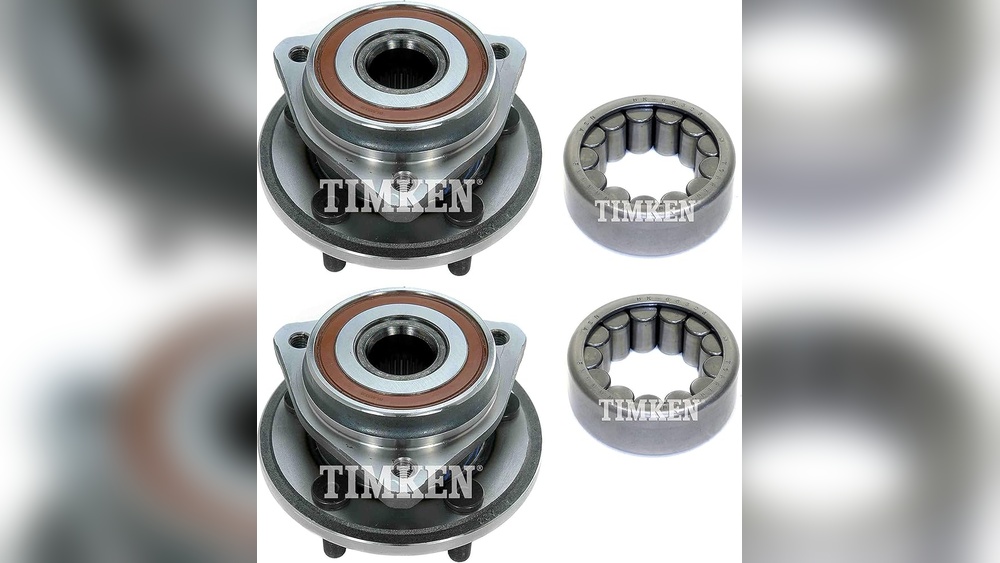
When wheel bearings fail, they can cause:
- Vibration
- Steering problems
- Uneven tire wear
- Wheel lock-up (in severe cases)
A simple check can prevent expensive repairs and keep you safe.
Tools And Supplies Needed
Before starting, gather these basic tools:
- Jack and jack stands
- Lug wrench
- Flathead screwdriver
- Pry bar (optional)
- Mechanics gloves
- Wheel chocks
- Torque wrench
- Stethoscope (optional, for advanced diagnosis)
- Safety glasses
These tools cover most situations. If you find more serious issues, you might need special tools, but for checking, this set is enough.
Signs Of Bad Wheel Bearings
Knowing the symptoms helps you decide when to check your Jeep TJ’s wheel bearings. Common signs include:
- Grinding or humming noise: The most obvious sign, especially when turning.
- Vibration in the steering wheel: Felt when driving at different speeds.
- Loose or wobbly wheel: When you lift the wheel and feel play.
- ABS warning light: Sometimes triggered by a failing bearing.
- Uneven tire wear: Wheels with bad bearings don’t spin straight.
Don’t ignore these signs. Early attention saves money and prevents breakdowns.
Step-by-step Guide: Checking Jeep Tj Wheel Bearings
Let’s get into the actual process. Each step below is practical and safe for DIYers.
1. Secure The Vehicle
- Park on a flat surface.
- Apply the parking brake.
- Place wheel chocks behind the wheels you’re not working on.
2. Loosen Lug Nuts
- Use a lug wrench to loosen (but not remove) the lug nuts on the wheel you’re checking.
3. Lift The Jeep
- Place the jack under the Jeep’s frame, near the wheel.
- Lift until the tire is off the ground.
- Set the Jeep on jack stands for safety.
4. Remove The Wheel
- Take off the loosened lug nuts.
- Remove the wheel and set aside.
5. Inspect For Obvious Issues
- Look for grease leaking from the hub.
- Check for broken or missing parts.
- A dry or rusty hub is a warning sign.
6. Spin And Listen
- Spin the hub by hand.
- Listen for grinding, growling, or humming sounds.
If you hear noise, compare with other wheels. A healthy bearing is nearly silent.
7. Check For Play
- Grip the brake rotor or hub at the 12 and 6 o’clock positions.
- Wiggle back and forth.
If you feel movement, the bearing may be worn. A good hub is solid with no play.
8. Advanced: Use A Stethoscope
- If you have a mechanic’s stethoscope, touch the probe to the hub as you spin it.
- Listen for clicking or roughness.
9. Repeat For Other Wheels
- Bad bearings can show up on any wheel, so check all four.
Front Vs Rear Wheel Bearings: Key Differences
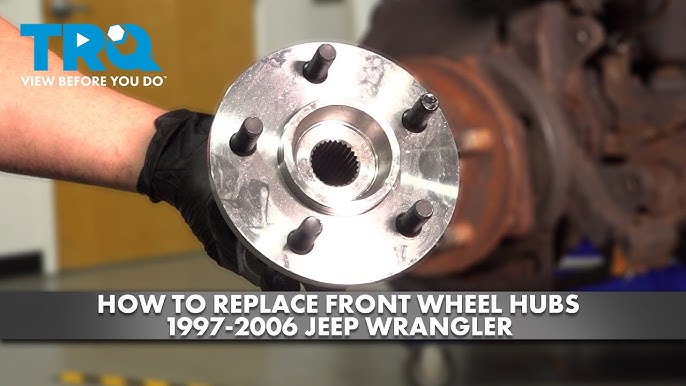
The Jeep TJ uses different bearing designs front and rear. Understanding these helps you check and replace them correctly.
| Location | Bearing Type | Inspection Difficulty |
|---|---|---|
| Front | Unit Hub Assembly | Easy (no disassembly) |
| Rear | Pressed (axle bearing) | Medium (may need axle removed) |
- Front bearings: Easy to check, as they are part of the hub assembly.
- Rear bearings: Harder to access. If you suspect a rear bearing issue, you might need to remove the axle shaft for a full inspection.
Common Mistakes To Avoid
Even experienced Jeep owners make mistakes. Here are a few to watch out for:
- Ignoring early noises: Waiting too long can turn a cheap fix into a big repair.
- Checking only one wheel: Always inspect all wheels, even if only one is noisy.
- Not using jack stands: Never trust only a jack; always secure the vehicle.
- Over-tightening lug nuts: This can warp the rotor or damage the hub. Use a torque wrench.
- Missing subtle play: Sometimes, play is small but still significant. Use both hands and be gentle.
How Often Should You Check Wheel Bearings?
For a Jeep TJ, check the wheel bearings:
- Every 12,000 miles or once a year (whichever comes first)
- After every serious off-road trip
- When you rotate tires
If you drive in water, mud, or rough trails, check more often. Water and dirt can quickly ruin bearings.
What If You Find A Bad Bearing?
If you discover a worn or noisy bearing, replacement is the safest choice. Driving with a bad bearing risks total failure.
For the front wheels, the entire hub assembly is replaced. Rear bearings require removing the axle shaft sometimes best left to a professional.
Here’s a quick comparison of DIY vs. professional replacement:
| Task | DIY | Professional |
|---|---|---|
| Front Hub Assembly | Simple, 1-2 hours | Quick, but labor cost |
| Rear Bearing | Complex, special tools | Faster, safer |
If you’re unsure, ask a mechanic for help. Safety always comes first.
Practical Tips For Longer Bearing Life
Wheel bearings can last 100,000 miles or more, but Jeep TJs sometimes wear them out faster due to off-road use. Here’s how to extend their life:
- Avoid deep water and mud: Contaminants destroy bearings.
- Use quality parts: Cheap bearings often fail early.
- Torque lug nuts correctly: Over-tightening stresses the hub.
- Check after off-roading: Rough trails can knock bearings loose.
- Keep seals in good shape: Seals keep out water and dirt.
An often-missed insight: After replacing a bearing, re-check it after 100 miles. Sometimes, new parts settle in and need a second check.
When To Seek Professional Help
Not every Jeep owner wants to do their own repairs, and that’s okay. Here are signs you should visit a shop:
- Severe grinding or vibration
- ABS light stays on
- You lack the right tools
- Rear bearings need changing
Professional shops have hydraulic presses and can do the job faster. They’ll also check for related damage, such as worn axles or brakes.
How Wheel Bearings Affect Other Parts
Bad wheel bearings don’t only make noise. They put extra stress on:
- Tires: Uneven wear patterns can develop.
- Brakes: Vibrations affect stopping distance.
- Suspension: Looseness can harm ball joints and tie rods.
Neglecting bearings can lead to more repairs. Address issues early to avoid a chain reaction of damage.
Example: Diagnosing A Jeep Tj Wheel Bearing Problem
Imagine you notice a humming sound that gets louder as you speed up. You lift the Jeep and check the front left wheel.
Spinning the hub, you hear a faint grind. Wiggling the hub, there’s a slight movement.
Compared to the other wheels, it’s different.
The diagnosis: Front left wheel bearing is failing.
Action: Replace the front hub assembly soon. Check the right side for comparison, and re-torque the lug nuts after installation.
How Much Does Wheel Bearing Service Cost?
Costs vary depending on where you live and whether you DIY or go to a shop.
| Service Type | DIY Cost | Shop Cost |
|---|---|---|
| Front Hub Assembly | $90–$180 per side | $250–$400 per side |
| Rear Axle Bearing | $40–$80 per bearing | $250–$500 per side |
Labor is the biggest expense at a shop. Many Jeep TJ owners do the front bearings themselves, as it saves money and is a straightforward job.
How Can I Tell If My Jeep Tj Wheel Bearing Is Bad Without Removing The Wheel?
You can sometimes diagnose a bad bearing by listening for a humming or grinding noise while driving. If the sound changes when turning left or right, it’s often a bearing. However, for a sure check, lifting the wheel and spinning it by hand is best.
Is It Safe To Drive With A Noisy Wheel Bearing?
No. A noisy bearing can fail suddenly, causing loss of control. If you hear a grinding sound or feel vibration, check and replace the bearing as soon as possible.
How Long Do Jeep Tj Wheel Bearings Usually Last?
With normal use, wheel bearings can last 80,000 to 120,000 miles. Off-road driving, deep water, or mud can shorten their lifespan. Regular checks catch problems early.
Can I Replace Only The Bad Bearing, Or Should I Do Both Sides?
For the front, you can replace just the bad hub assembly. For the rear, it’s smart to check both sides, as similar wear is common.
Replacing both gives peace of mind, especially if you do heavy off-roading.
Where Can I Find More Technical Details On Jeep Tj Wheel Bearings?
You can read the official Jeep TJ service manual or visit Wikipedia’s wheel bearing article for in-depth information.
A little time spent checking your Jeep TJ wheel bearings can save you from breakdowns, expensive repairs, and keep you enjoying your adventures, on or off the road. Stay safe, listen to your Jeep, and don’t skip these important checks.