Removing the rear inner wheel well liner from a Jeep TJ is not just about unscrewing some bolts and pulling out plastic. This job can make a big difference for off-roaders, people dealing with rust, or anyone wanting to upgrade their Jeep TJ’s rear end. If you’re considering installing bigger tires, checking for hidden damage, or just cleaning out years of mud, knowing how to remove the liner is essential.
Many first-timers expect a quick process, but the Jeep TJ’s design has a few surprises. Fasteners can hide under grime, plastic tabs can break, and removing the liner exposes areas you may not have seen since your Jeep left the factory.
This guide will walk you through every step. You’ll learn which tools to use, where to look for hidden clips, and how to avoid common mistakes.
Whether you’re a weekend warrior or just starting to work on your Jeep, these instructions will help you get the job done safely and efficiently.
Why Remove The Rear Inner Wheel Well Liner?
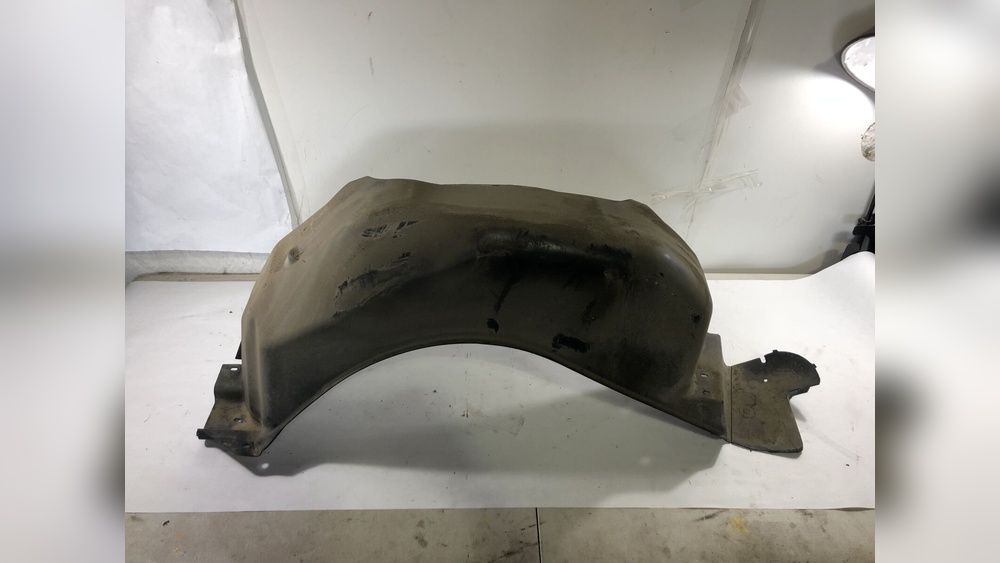
The rear inner wheel well liner serves as a shield between your Jeep’s body and the debris, water, and mud thrown up by the tires. Over time, however, dirt can build up behind it, leading to rust or even hidden damage. Many Jeep TJ owners remove the liner to:
- Inspect for rust or frame cracks
- Install larger tires or aftermarket suspension
- Clean out accumulated mud or debris
- Prepare for body work or undercoating
- Add accessories like rock sliders or fender flares
Removing the liner isn’t just maintenance it’s often the first step in upgrades or repairs.
Tools And Materials You’ll Need
Before you start, gather the right tools. The Jeep TJ’s wheel well liner is held in by a mix of plastic and metal fasteners.
Using the correct tools will prevent damage and make reinstallation easier.
| Tool/Material | Purpose |
|---|---|
| Ratchet with 8mm & 10mm sockets | Remove bolts securing the liner |
| Flathead screwdriver or trim removal tool | Pop out plastic clips |
| Pliers | Grip stubborn fasteners |
| Work gloves | Protect your hands |
| Jack and jack stands | Lift Jeep safely if needed |
| Penetrating oil (WD-40) | Loosen rusty bolts |
| Flashlight | See hidden fasteners |
Having these ready will save time and prevent frustration.
Preparing Your Jeep Tj
Preparation is often overlooked, but it can make liner removal much smoother.
- Park on a flat surface – Safety comes first. Engage the parking brake.
- Loosen the lug nuts – If you plan to remove the rear tire for better access, loosen the lug nuts slightly while the Jeep is on the ground.
- Lift and secure – Use a jack and place jack stands under the frame. Never rely on the jack alone.
- Remove the wheel – This step is optional, but it gives you more room to work, especially if your Jeep has oversized tires.
- Clean the wheel well – Spray out mud and dirt with a hose. This exposes the fasteners and prevents mess.
Many DIYers skip cleaning and regret it. Dirt hides fasteners and makes clips harder to remove.
Locating The Fasteners
The Jeep TJ’s rear wheel well liner is held in by a combination of screws, plastic push clips, and sometimes metal bolts. The exact number can change by year and trim, but most TJs are similar.
- Along the fender lip: Several screws or bolts secure the liner at the edge.
- Inside the wheel well: Look for plastic push clips or round retainers.
- Near the rear bumper: Some liners tuck behind or under the bumper cover.
- Hidden behind mud and undercoating: Use your flashlight to spot all attachment points.
Here’s a quick comparison of fastener types you may find:
| Fastener Type | Removal Tool | Risk of Breaking |
|---|---|---|
| Plastic push clip | Trim tool/screwdriver | High |
| Metal screw/bolt | Socket/ratchet | Low |
| Plastic retainer | Pliers | Medium |
Some clips are designed to break during removal, so having spares helps for reinstallation.
Step-by-step Guide To Removing The Rear Inner Wheel Well Liner
Let’s break down the process in detail. Patience and the right technique are key to avoiding broken clips or scratched paint.
1. Remove Rear Tire (optional But Recommended)
Take off the rear tire for easier access. With the wheel out of the way, you have clear sightlines and more room to maneuver tools.
2. Identify All Fasteners
Use your flashlight to inspect the liner’s perimeter and center. Spray any rusty bolts with penetrating oil and let them soak for several minutes.
3. Remove Fender Lip Screws
Start at the edge of the fender:
- Use the 8mm or 10mm socket to remove each bolt.
- Keep bolts organized—they can be reused.
- If a screw spins but won’t come out, try applying gentle outward pressure on the liner.
4. Pop Out Plastic Clips
Plastic clips are often found along the inner curve of the liner.
- Slide a trim tool or flathead screwdriver under the head.
- Pry gently while supporting the liner.
- For stubborn clips, use pliers to pull straight out.
- If a clip breaks, note its location for replacement.
Pro tip: Warm plastic is less likely to crack. If working in cold weather, warm the area with a hairdryer.
5. Detach Liner From Rear Bumper (if Needed)
Some Jeep TJs have the liner tucked under or secured to the bumper cover.
- Loosen any bolts along the bottom edge.
- Gently pull the liner out from behind the bumper. Avoid bending too much or it may crease.
Double-check for missed clips or screws. A stuck liner usually means a hidden fastener. Don’t force it recheck with your flashlight.
7. Remove The Liner
With all fasteners out, grip the liner at the edge and wiggle it free. It may take gentle bending to clear the fender opening. If the liner feels stuck, stop and look for a missed attachment.
Once out, inspect it for cracks or damage especially if you plan to reuse it.
What To Do After Removal
Removing the liner exposes parts of your Jeep that rarely see daylight. This is a good chance to inspect and maintain these areas.
1. Inspect For Rust And Damage
Look for rust, especially around the wheel well lip, frame rails, and body seams. Use a wire brush to clean any surface rust, and treat with rust converter if needed.
2. Clean The Area
Remove mud, sand, and debris that may have collected behind the liner. A high-pressure hose works well, but be careful not to spray directly into electrical connectors.
3. Check Wiring And Hoses
Some TJs have wiring or vent hoses routed behind the liner. Make sure everything is secure and undamaged.
4. Consider Upgrades Or Repairs
This is a smart time to:
- Apply undercoating or rustproofing
- Install aftermarket suspension parts
- Add sound-deadening material
- Inspect or replace rear shocks
Many Jeep owners find surprises like a disconnected vent hose or cracked seam that are easier to fix with the liner out.
Reinstalling Or Replacing The Liner
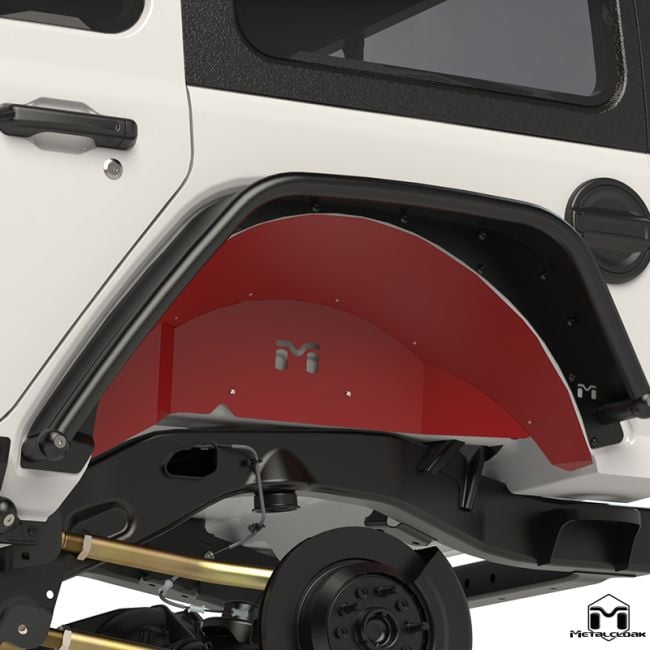
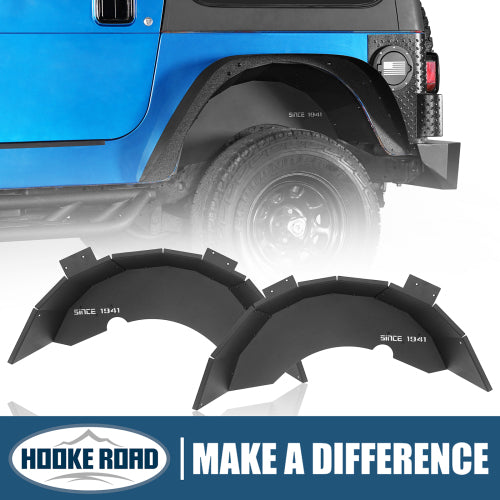
If you plan to reinstall the same liner, clean it first. If it’s cracked or deformed, consider replacing it with a new or aftermarket liner. Installation is the reverse of removal:
- Align the liner in the wheel well.
- Insert and tighten all screws and clips.
- Replace any broken fasteners with new ones.
- Reinstall the tire and lower the vehicle.
Don’t overtighten screws, especially into plastic, to avoid stripping the holes.
Common Mistakes And How To Avoid Them
Even careful DIYers can run into trouble with this job. Here are mistakes to watch for:
- Forcing the liner: If it won’t come out, there’s probably a missed fastener. Forcing it can crack the liner or bend the fender.
- Losing fasteners: Clips and screws are easy to lose. Use a magnetic tray or small box to keep them together.
- Skipping rust treatment: With the liner out, treat any rust you find. It will save bigger repairs later.
- Not replacing broken clips: Missing clips can let water and dirt behind the liner, causing future issues.
- Not supporting the Jeep properly: Always use jack stands. Never trust a hydraulic jack alone.
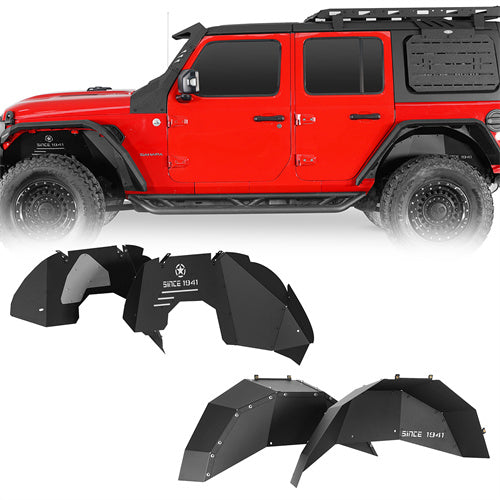
Comparison: Factory Liner Vs Aftermarket Options
Many Jeep owners consider upgrading their liners for better protection or style. Here’s a quick comparison:
| Feature | Factory Liner | Aftermarket Liner |
|---|---|---|
| Material | Plastic | Plastic, aluminum, or steel |
| Durability | Good for daily driving | Often stronger for off-road |
| Customization | OEM fit only | Variety of colors/styles |
| Price | Lower | Higher |
| Installation | Direct replacement | May require drilling/mods |
If you off-road often, an aftermarket liner can be a worthy upgrade, especially in rocky or muddy areas.
Practical Tips For A Smooth Removal
- Take photos before removal. This helps when reinstalling.
- Have spare clips on hand. Some will break, even with careful removal.
- Label fasteners if they are different lengths.
- Work with a friend if possible. They can hold the liner while you work on stubborn clips.
- Plan for extra time if your Jeep has a lot of rust or aftermarket parts.
Beginners often miss the value of documenting the process. Photos and notes save time if you run into problems during reinstallation.
When To Seek Professional Help
Most people can do this job at home, but sometimes it’s best to call a pro. If you find severe rust, frame cracks, or a liner that just won’t budge, a body shop can help. They have special tools and experience with stubborn fasteners and damaged panels.
If you’re planning more advanced upgrades like custom wheel wells or major suspension changes, consider professional advice or installation. This can prevent costly mistakes.
Additional Resources
If you want more detail, the official Jeep TJ service manual offers diagrams and torque specs. For community tips and photos, Jeep forums like WranglerForum have many owner guides. For a technical overview of the Jeep Wrangler TJ, see the Wikipedia page.
How Long Does It Take To Remove The Rear Inner Wheel Well Liner On A Jeep Tj?
For most DIYers, expect 30 to 60 minutes per side, depending on rust and experience level. If it’s your first time or there’s heavy rust, plan for extra time.
Do I Need To Remove The Rear Tire To Take Out The Liner?
It’s not required, but removing the tire gives you more space and better visibility. For larger tires or lifted TJs, it’s highly recommended.
Will Removing The Liner Affect My Jeep’s Warranty?
If your Jeep is still under warranty, check with your dealer. In most cases, removing the liner for maintenance or rust repair does not void the warranty, but damage caused by improper removal could.
Can I Drive Without The Rear Inner Wheel Well Liner?
You can drive without it, but you’ll expose the body and wiring to dirt, water, and rocks. Long-term, this can lead to rust or electrical problems. Replace the liner or install an aftermarket one as soon as possible.
Where Can I Get Replacement Clips And Liners For My Jeep Tj?
Replacement clips are available at auto parts stores or online retailers. Aftermarket liners come from brands like Rugged Ridge and Bushwacker. Always check for the correct year and model before buying.
Taking out the rear inner wheel well liner on your Jeep TJ is a straightforward but rewarding task. With patience and the right approach, you can prevent rust, make upgrades easier, and keep your Jeep ready for the next adventure.