If you own a 2002 Jeep Liberty, you have a vehicle built for versatility. One of its best features is the 4-wheel drive system, which helps you handle rough roads, rain, snow, or off-road adventures. But, using 4-wheel drive isn’t always as simple as flipping a switch. If you want to protect your Jeep, drive safely, and get the most from your vehicle, it’s important to understand exactly how and when to use each 4WD setting.
Many drivers misunderstand when to use each mode, or they switch at the wrong time, causing unnecessary wear or even damage. This guide covers everything you need to know about using all four 4WD modes in your 2002 Jeep Liberty.
Whether you’re new to 4WD or just want a refresher, you’ll find clear advice, practical steps, and insider tips that even some experienced owners miss.
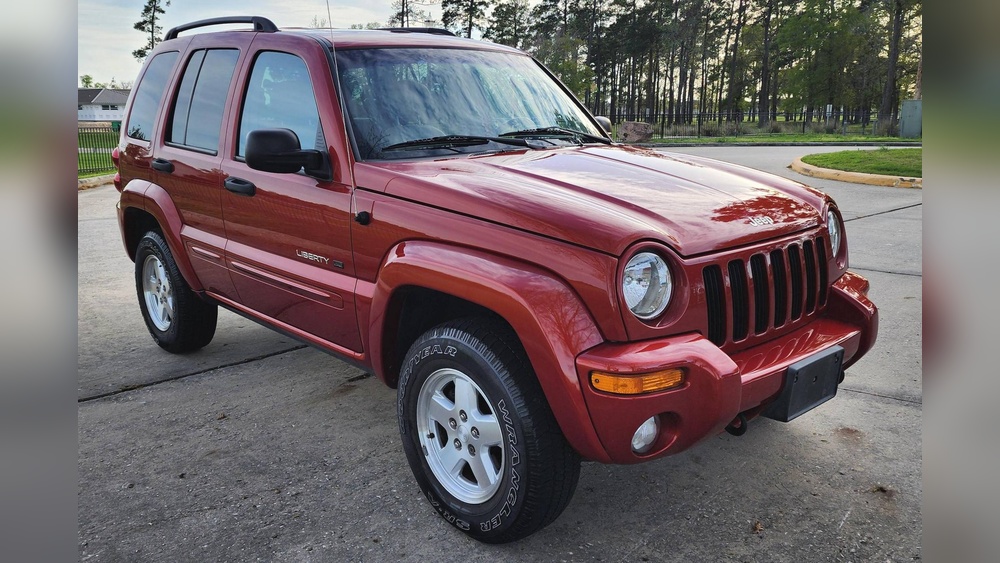
Understanding The 2002 Jeep Liberty 4wd System
Before you use the 4WD system, it helps to know how it works. The 2002 Jeep Liberty comes with either the Command-Trac or Selec-Trac transfer case. Both systems offer four main modes:
- 2WD (2 High)
- 4WD Part-Time (4 High)
- 4WD Full-Time (if equipped)
- 4WD Low (4 Low)
Each mode changes how power is sent from the engine to the wheels. Knowing when and how to use each setting is key to safe and reliable driving.
2wd (2 High): Everyday Driving
The default mode for your Jeep is 2WD (2 High). In this setting, power goes only to the rear wheels. This is the mode you should use for most normal driving on dry, paved roads.
When And Why To Use 2wd
- Fuel efficiency: 2WD uses less fuel than 4WD. There’s less mechanical drag.
- Tire wear: Only the rear wheels drive the vehicle, so tires wear more evenly.
- Less stress on drivetrain: 2WD causes less wear and tear on the transfer case and front axle.
You should always start and drive in 2WD unless road conditions are slippery, wet, snowy, or off-road. Many beginners think 4WD is always better, but using it on dry pavement can actually damage your Jeep’s drivetrain.
How To Engage 2wd
If your Jeep is in another mode, simply move the 4WD lever back to 2WD (2H). It’s best to do this while stopped or moving slowly in a straight line. You might feel a small “clunk” as the system disengages.
Pro tip: If your Jeep resists shifting out of 4WD, try driving slowly in reverse for a few feet. This releases tension in the drivetrain.
4wd Part-time (4 High): Slippery Surfaces
4WD Part-Time (4 High) is for when you need extra traction, like on snow, ice, mud, or loose gravel. In this mode, power goes to both the front and rear wheels. It’s called “part-time” because it’s not for regular use on dry pavement.
When To Use 4wd Part-time
- Snowy or icy roads
- Loose sand or gravel
- Wet grass or mud
- Off-road trails with uneven surfaces
Using 4WD Part-Time on dry roads can cause “binding,” where the front and rear wheels fight each other because they spin at different speeds in turns. This can damage the transfer case and make steering harder.
How To Engage 4wd Part-time
- While moving straight at low speed (up to 55 mph), pull the 4WD lever from 2WD to 4WD Part-Time.
- Indicator light should come on. If not, move slightly forward or backward to help the gears mesh.
- To return to 2WD, slow down and shift the lever back.
Practical insight: Many new owners forget to slow down before shifting. Don’t shift at highway speed unless your manual says it’s safe.
4wd Full-time (if Equipped): All-weather Confidence
Not all 2002 Jeep Libertys have 4WD Full-Time. This mode is available only with the Selec-Trac transfer case, not Command-Trac. In 4WD Full-Time, you can drive on any road surface, including dry pavement. This is possible because the system allows the front and rear driveshafts to rotate at different speeds, preventing binding.
Benefits Of 4wd Full-time
- Great for changing conditions: You don’t have to worry if the road goes from dry to wet or icy.
- Better handling: Power is always distributed to all four wheels.
- No need to switch back and forth: Just leave it in this mode for winter or rainy seasons.
How To Use 4wd Full-time
- Shift from 2WD or 4WD Part-Time into 4WD Full-Time at low speed, while driving straight.
- The 4WD Full-Time indicator will light up.
- Leave it engaged as long as needed.
Common mistake: Some drivers think 4WD Full-Time is the same as Part-Time. Remember, only Full-Time is safe for dry pavement.
4wd Modes Comparison Table
To make it easier to choose the right mode, here’s a quick comparison:
| Mode | When to Use | Pavement Type | Max Speed |
|---|---|---|---|
| 2WD (2 High) | Normal driving | Dry | Any legal speed |
| 4WD Part-Time (4 High) | Slippery/loose surfaces | Wet, snowy, muddy | Up to 55 mph |
| 4WD Full-Time | Mixed or changing conditions | Any | Up to 55 mph |
| 4WD Low (4 Low) | Off-road, deep snow, towing | Very rough/steep | Below 25 mph |
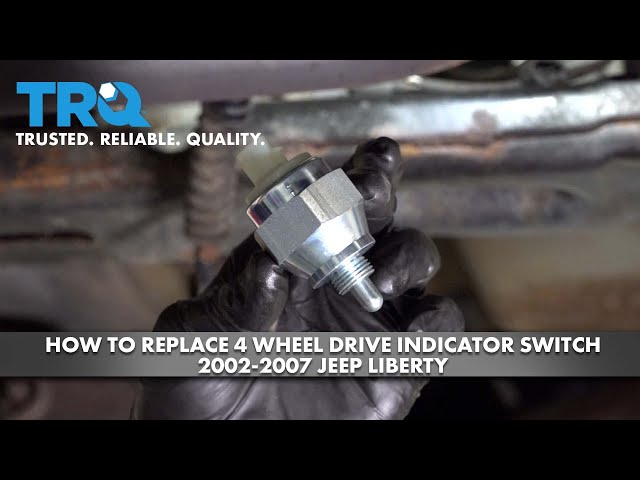
4wd Low (4 Low): Extreme Off-road Power
4WD Low (4 Low) is for the toughest situations. In this mode, the transfer case uses lower gearing. This gives you more torque but less speed. It’s perfect for:
- Steep hills
- Deep mud or snow
- Rock crawling
- Towing heavy loads out of tough spots
You should never use 4WD Low for normal driving or on pavement. It’s only for crawling at very low speeds when you need maximum traction and power.
How To Engage 4wd Low
- Stop the vehicle and shift the transmission into Neutral (N).
- Firmly pull the 4WD lever from 4WD High into 4WD Low.
- Wait for the 4WD Low indicator to light up.
- Shift the transmission back into Drive (D) or the appropriate gear.
To return to 4WD High, stop, shift to Neutral, and move the 4WD lever back.
Important tip: Never shift into or out of 4WD Low while moving. This can seriously damage your transfer case.
Example: Off-road Use
Imagine climbing a steep, rocky trail. In 4WD Low, your Liberty moves slowly but with much more force.
This makes it easier to control the vehicle and avoid spinning the tires.
Common Misconceptions And Mistakes
Many first-time 4WD users make errors that can lead to expensive repairs or unsafe driving. Here are some common misconceptions:
- Using 4WD on dry pavement: This puts strain on the drivetrain and increases tire wear.
- Switching to 4WD at high speed: Always shift at low speed unless your manual says otherwise.
- Leaving 4WD engaged for too long: Only use it when you need extra traction.
- Forgetting to return to 2WD after conditions improve: This leads to unnecessary wear.
Non-obvious insight: If you hear loud clunks, experience tight turning, or feel resistance in the steering while in 4WD (except Full-Time), you’re probably using the wrong mode for the surface.
Troubleshooting 4wd Problems
Sometimes, the 4WD system doesn’t engage or disengage smoothly. Here’s how to handle common issues:
- Indicator light won’t turn on: Try rolling forward or backward a few feet to let gears mesh.
- Stuck in 4WD: Drive slowly in reverse in a straight line for about 20 feet, then try shifting.
- Grinding noises: Stop immediately. Check your transfer case and consult a mechanic.
If you’re unsure, always refer to your owner’s manual or ask a certified Jeep technician.
Maintenance Tips For 4wd System
Proper maintenance keeps your 4WD system reliable for years.
- Check transfer case fluid: Low fluid can cause shifting problems.
- Inspect CV joints and driveshafts: Look for leaks or worn parts.
- Operate 4WD monthly: Even if you don’t use it often, engage 4WD modes every few weeks. This keeps parts lubricated.
Many owners forget this last step. Regular use prevents parts from seizing up, especially if you mostly drive in 2WD.

Real-world Usage Scenarios
Let’s see how you might use all four modes during a typical year:
- Summer: Mostly dry pavement—use 2WD.
- Winter snowstorm: Switch to 4WD Part-Time or Full-Time (if equipped) for better control.
- Weekend off-roading: Use 4WD High for trails, switch to 4WD Low for steep hills or deep mud.
- Spring rain: If roads are just wet, 2WD is usually enough, but switch to 4WD Full-Time if you expect sudden slipperiness.
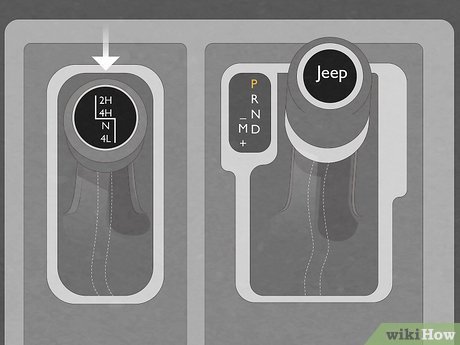
Quick Reference: 4wd Lever Positions
Here’s a handy guide for your center console:
| Lever Position | Mode | Best Use |
|---|---|---|
| 2H | 2WD High | Dry, normal roads |
| 4H (Part-Time) | 4WD High | Slippery, off-road |
| 4H (Full-Time) | 4WD Full-Time | All conditions (Selec-Trac only) |
| 4L | 4WD Low | Steep, tough terrain |
When Not To Use 4wd
While 4WD is powerful, there are times you should avoid it:
- Dry highway driving: Wastes fuel and wears parts.
- Tight turns on pavement: Causes binding.
- Parking maneuvers: Difficult to steer in 4WD.
If you’re unsure, it’s safer to use 2WD. Modern tires and careful driving usually provide enough control for most conditions.
Safety Reminders
- Slow down: 4WD helps with traction, but not with braking. You still need to drive carefully on ice or snow.
- Don’t rely solely on 4WD: It won’t prevent sliding if you drive too fast for conditions.
- Practice: Try each mode in a safe, open space before you need it in an emergency.
How Do I Know If My 2002 Jeep Liberty Has Selec-trac Or Command-trac?
Look for the 4WD shift pattern on your console or check your owner’s manual. Selec-Trac models offer 4WD Full-Time; Command-Trac does not.
Can I Switch Between 2wd And 4wd While Driving?
Yes, you can shift between 2WD and 4WD High (Part-Time or Full-Time) at low speeds while moving straight. For 4WD Low, always stop and shift the transmission to Neutral first.
What Happens If I Use 4wd Part-time On Dry Pavement?
The drivetrain can bind, making steering difficult and possibly damaging the transfer case. Only use Part-Time on slippery or loose surfaces.
Is 4wd Low Safe For Highway Speeds?
No. 4WD Low is only for low-speed, high-torque situations.
Keep your speed under 25 mph and use it only off-road or in extreme conditions.
How Often Should I Use My 4wd System If I Mostly Drive In 2wd?
Engage all 4WD modes at least once a month, even if only briefly. This keeps the system lubricated and prevents parts from sticking.
Learning to use the 4-wheel drive on your 2002 Jeep Liberty isn’t just about pushing buttons. It’s about knowing when, why, and how to use each mode to protect your vehicle and stay safe in all conditions. Take time to practice, follow the steps carefully, and you’ll be ready for whatever the road (or trail) brings. For more details, always check your owner’s manual or visit the official Jeep Liberty resource.