Owning a Jeep Wrangler JL means you’re ready for adventure—whether that’s tackling rocky trails, snowy roads, or muddy tracks. But before you head off-road or face tough weather, you need to know how to use your Jeep’s 4 wheel drive system correctly. Many new Wrangler JL owners feel confused about the different 4WD modes and when to use each one. If you’re not sure, you’re not alone. This guide will show you, step-by-step, how to put your Jeep Wrangler JL in 4 wheel drive, explain the differences between each mode, and help you avoid common mistakes that could damage your Jeep or leave you stuck.
Understanding Jeep Wrangler Jl 4wd Basics
The Jeep Wrangler JL comes with a part-time four-wheel drive system. This means you can switch between two-wheel drive (2H) and four-wheel drive modes (4H, 4L, and sometimes 4A depending on the model). Here’s a quick overview:
- 2H (Two-High): Only the rear wheels drive your Jeep. Use this for regular, dry pavement.
- 4H (Four-High): All four wheels get power. Great for slippery roads or mild off-roading.
- N (Neutral): Disconnects the drive from the wheels—mainly for towing.
- 4L (Four-Low): For very rough, steep, or slippery off-road conditions. Slower speeds, more torque.
- 4A (Four-Auto): Some JL models have this mode, which automatically sends power to the front wheels if needed.
Understanding these modes is the first step to safe and smart 4WD use.

When To Use 4 Wheel Drive In Your Wrangler Jl
Choosing the right mode for the conditions is key. Here’s when to use each:
- 2H: Everyday driving on dry, smooth roads.
- 4H: Rain, snow, sand, gravel, or easy trails.
- 4L: Deep mud, steep hills, rocky terrain, or deep snow.
- 4A: If equipped, use it for changing conditions where you want automatic engagement.
Driving in 4WD on dry pavement can strain your drivetrain, so always match the mode to your driving surface.
Preparing To Shift: Safety First
Before you shift into 4WD, make sure your Jeep is ready. Here are some steps:
- Check your speed: For shifting into 4H, keep your speed under 55 mph. For 4L, you must be moving very slowly (2–3 mph) or stopped.
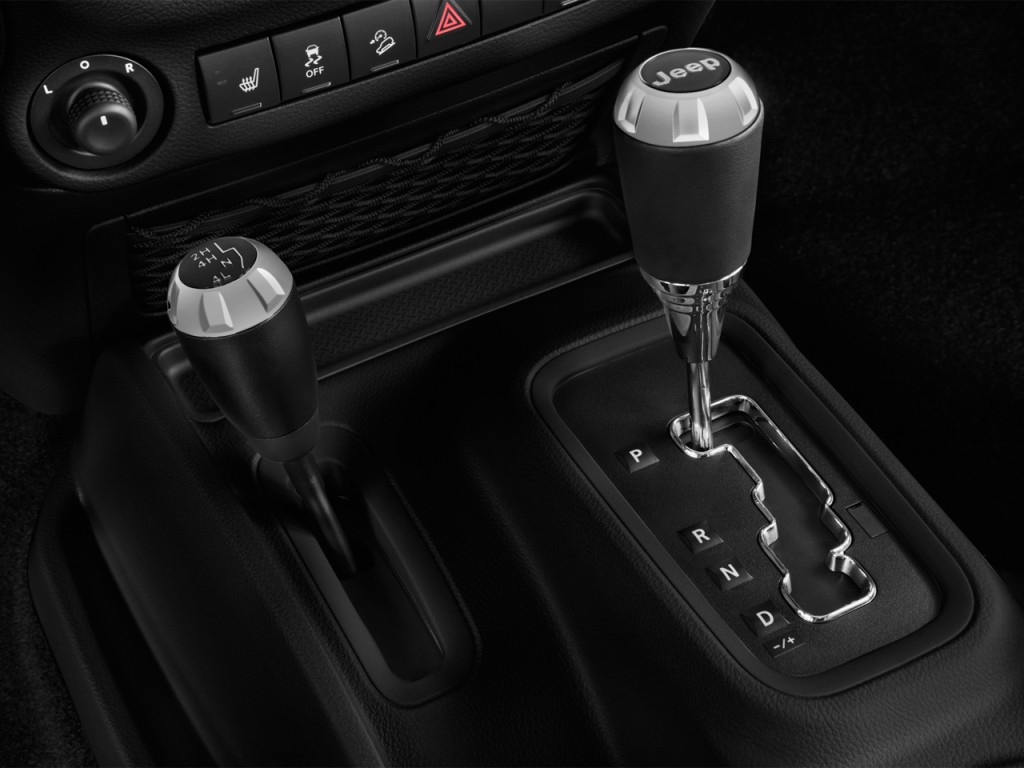
- Know your shifter: The JL uses a manual lever or, on some trims, a knob. Locate it next to your regular gear shifter.
- Watch for warning lights: Your dashboard will confirm when you’re in 4WD.
Now, let’s cover each of the four main 4WD settings and how to engage them.
1. How To Put Jeep Wrangler Jl In 2h (two-high)
2H is the default setting for normal driving. It sends power only to the rear wheels, giving you better fuel economy and a smoother ride on dry pavement.
How to use 2H:
- Place the transfer case lever in the 2H position.
- You can shift to 2H from 4H or 4A at any speed if you’re on a smooth, non-slippery surface.
- The 2H indicator should light up on your dashboard.
Pro tip: Always switch back to 2H after driving in 4WD once you return to dry, paved roads. Staying in 4WD on pavement can cause “driveline binding,” which wears out your Jeep’s parts.
2. How To Put Jeep Wrangler Jl In 4h (four-high)
4H is for slippery or loose surfaces like snow, sand, or gravel. It gives you better traction but lets you drive at normal speeds.
Steps to engage 4H:
- Slow down to under 55 mph.
- Keep your Jeep in neutral or drive (automatic) or any gear (manual).
- Firmly pull the transfer case lever straight back from 2H to 4H. You can do this while moving (“shift-on-the-fly”).
- Wait for the 4H light on your dash to come on.
Example: If you’re driving on a snowy road and start to lose traction, slow down and shift into 4H.
Common mistake: Shifting to 4H at high speeds can damage the transfer case. Always slow down first.
3. How To Put Jeep Wrangler Jl In 4l (four-low)
4L is for the toughest situations—deep mud, steep hills, or large rocks. It multiplies your Jeep’s power but limits speed.
Engaging 4L:
- Bring your Jeep to a complete stop or roll at 2–3 mph.
- Shift the transmission into neutral (very important).
- Firmly pull the transfer case lever from 4H straight down to 4L. You may feel some resistance—this is normal.
- Wait for the 4L indicator to light up.
4L tips:
- Never shift into 4L while moving fast.
- Use only at speeds below 25 mph.
- Perfect for crawling over rocks or getting out of deep mud.
Non-obvious insight: If the lever feels stuck, slightly roll your Jeep back and forth while trying to shift. This can help the gears mesh.
4. How To Put Jeep Wrangler Jl In 4a (four-auto)
Some Wrangler JL models come with 4A (Four-Auto), which automatically decides when to send power to the front wheels. This mode is great for mixed conditions—like a road that’s dry in some spots, wet in others.
How to use 4A:
- You can shift from 2H to 4A at any speed up to 55 mph.
- Move the transfer case lever to 4A.
- The 4A light should appear on your dash.
Benefit: No need to switch between 2H and 4H as the road changes. The Jeep does it for you.
Non-obvious insight: 4A uses more fuel than 2H, so switch back when conditions improve.
Comparison Of 4wd Modes: Key Differences
To help you decide which mode is best for your situation, here’s a quick comparison.
| Mode | When to Use | Max Speed | Fuel Economy |
|---|---|---|---|
| 2H | Normal, dry roads | Highway speeds | Best |
| 4H | Snow, sand, gravel | ~55 mph | Moderate |
| 4L | Steep, rough terrain | <25 mph | Lowest |
| 4A | Changing conditions | ~55 mph | Lower than 2H |
Practical Examples: When To Use Each 4wd Setting
Let’s look at some real-world situations:
- Driving to work on icy roads: Use 4H for extra traction.
- Crossing a stream or mud pit: Shift into 4L for slow, controlled movement.
- Weekend trail ride with mixed gravel and pavement: Use 4A (if available) for automatic adjustment.
- Highway cruising in summer: Stay in 2H for best fuel economy.
Step-by-step: Shifting Between Modes
Switching between modes is simple once you practice. Here’s a step-by-step:
- 2H to 4H: Slow to under 55 mph. Shift lever from 2H to 4H while moving or stopped.
- 4H to 4L: Stop or roll slowly. Shift transmission to neutral. Move lever to 4L.
- 4L to 4H or 2H: Stop or roll slowly. Transmission in neutral. Shift lever to 4H or 2H.
Pro tip: Never force the lever. If it feels stuck, wiggle the Jeep gently or try shifting gears.
How To Tell If 4wd Is Engaged
Your Jeep will let you know you’re in 4WD:
- Dashboard lights: Each mode has its own indicator.
- Driving feel: The steering will feel heavier in 4WD, especially on pavement.
- Sound: Sometimes you hear a faint mechanical noise—this is normal.
If the light flashes or doesn’t come on, stop and try shifting again.
Common Mistakes And How To Avoid Them
Many first-time Jeep owners make these errors:
- Driving in 4WD on dry pavement: Causes driveline binding and extra wear.
- Shifting to 4L at high speed: Can damage your transfer case.
- Forgetting to shift transmission to neutral for 4L: The shift won’t complete.
- Ignoring dashboard lights: May lead to driving in the wrong mode.
- Not using 2H when possible: Wastes fuel.
Insider tip: Always practice shifting in a safe, empty area before you need 4WD on the trail.

Maintenance Tips For Your 4wd System
Keeping your Wrangler’s 4WD system in shape ensures it works when you need it:
- Use all modes regularly: Engages the system, keeps parts lubricated.
- Check transfer case fluid: At least every 30,000 miles.
- Listen for noises: Clicking or grinding means something’s wrong.
- Inspect undercarriage: After off-roading, check for damage or leaks.
Data point: Regular 4WD use can reduce the risk of transfer case failure by up to 30% compared to never engaging the system.
What To Do If 4wd Won’t Engage
If you have trouble:
- Stop and retry: Sometimes gears don’t mesh on the first try.
- Check your speed: Too fast or too slow can prevent shifting.
- Consult your manual: Each Wrangler JL may have small differences.
- Visit a mechanic: Persistent issues may mean worn parts or low fluid.
For official advice, you can also check the Jeep Official Owner’s Manual.
4wd System Options: Rubicon Vs. Sport Vs. Sahara
Not every Wrangler JL has the same 4WD setup. Here’s a quick comparison.
| Model | Standard 4WD Modes | Extra Features |
|---|---|---|
| Sport | 2H, 4H, 4L | Basic transfer case |
| Sahara | 2H, 4H, 4L, 4A | Full-time 4WD option |
| Rubicon | 2H, 4H, 4L | Heavy-duty axles, locking diffs |
Non-obvious insight: The Rubicon’s 4L mode works with electronic locking differentials, making it much better for extreme trails than other models.
How Fast Can I Drive In 4h Or 4a?
4H and 4A are safe up to about 55 mph. Avoid high speeds in 4L—keep it under 25 mph. Always check your owner’s manual for limits.
Can I Shift Into 4wd While Moving?
Yes, you can shift between 2H and 4H (or 4A) while moving up to 55 mph. For 4L, always stop or go very slowly and shift the transmission to neutral.
What Should I Do If My 4wd Light Flashes Or Won’t Stay On?
A flashing light means the system is not fully engaged. Stop, shift to neutral, and try shifting again.
If the problem continues, get your Jeep checked by a mechanic.
Is It Bad To Leave My Jeep In 4wd All The Time?
Yes, driving in 4WD on dry pavement can damage your drivetrain and wear out tires faster. Use 2H for normal roads and only use 4WD when needed.
Does Using 4wd Affect My Gas Mileage?
Yes, 4WD uses more fuel than 2WD. Only use it when you need extra traction to save gas and reduce wear.
Getting comfortable with your Jeep Wrangler JL’s 4WD system is a skill that pays off in safety, fun, and long-term reliability.
With a little practice, you’ll know exactly when and how to use each mode so you’re always ready for whatever the road (or trail) brings.