If you own a Jeep Wrangler or are thinking about buying one, you’ve probably heard people talk about the “build sheet.” This document is more than just a list; it’s the DNA of your vehicle. The build sheet tells you every detail about your Jeep—what parts it has, which features were included, and even how it rolled off the assembly line. For many Jeep fans, understanding the build sheet is the first step to making smart upgrades, repairs, or simply appreciating the uniqueness of their Wrangler.
What Is A Build Sheet For Jeep Wrangler?
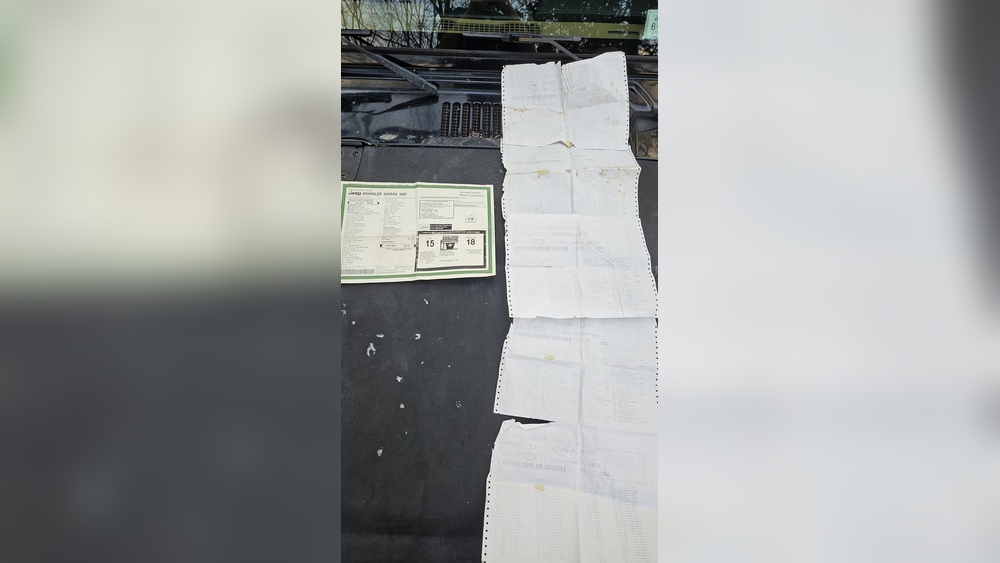
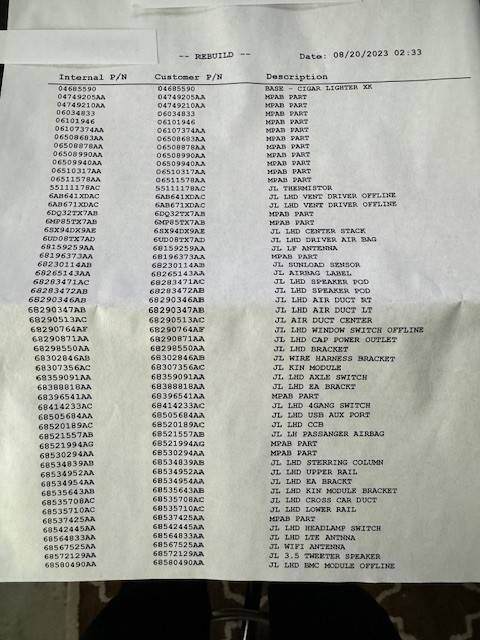
A build sheet is an official record from the factory. It lists every option, color, and feature installed on your Jeep Wrangler. Think of it as the original recipe for your vehicle. It covers things like the engine type, transmission, trim package, paint color, and optional equipment. For older Jeeps, this sheet was sometimes printed and kept inside the glove box. For modern Wranglers, the details are kept digitally by Jeep and can be accessed online.
The build sheet is not the same as the window sticker. The window sticker shows features for marketing, but the build sheet is a technical record, including hidden features and codes that dealers and mechanics use.
Why The Build Sheet Matters
Knowing your build sheet gives you several advantages:
- Upgrade Planning: You see exactly what’s installed, so you know what you can upgrade or change.
- Parts Matching: When you need new parts, you avoid mistakes by matching the exact specs.
- Resale Value: Buyers trust vehicles with full documentation.
- Warranty Claims: You know which features are covered and what’s original.
Many Jeep owners miss a key point: some features are not visible. For example, you may have heavy-duty axles or a locking differential, but these aren’t obvious until you check the build sheet.
How To Find Your Jeep Wrangler Build Sheet
You can access your build sheet in several ways:
- Online Tools: Jeep’s official website lets you enter your VIN to get the build sheet. Some third-party sites also provide this service.
- Dealer Request: Your Jeep dealer can print or email the build sheet if you provide your VIN.
- Physical Copies: Older Wranglers may have a paper build sheet hidden in the glove box or under the seats.
To get the most accurate information, use your Vehicle Identification Number (VIN). This 17-digit code is unique to your Jeep and is found on the dashboard, driver’s door, or your insurance documents.
Understanding Key Build Sheet Codes
The build sheet uses codes to describe each feature. Here are some common codes and what they mean:
- Engine Codes:
- ERB = 3.6L V6 24V VVT Engine
- EXJ = 2.0L I4 DOHC DI Turbo Engine
- Transmission Codes:
- DFT = 8-Speed Automatic Transmission
- DEM = 6-Speed Manual Transmission
- Trim Codes:
- AJ = Sahara
- AN = Rubicon
- Paint Codes:
- PW7 = Bright White
- PXR = Black Clearcoat
These codes help you understand exactly what you have, especially when buying parts or planning upgrades. Most people overlook small codes that show hidden options, like off-road packages or tow hooks.
Common Build Sheet Features For Jeep Wrangler
Here are typical features you’ll find listed:
- Engine type and size
- Transmission type
- Axle ratio and type
- Body color and paint
- Interior trim and seat material
- Infotainment system
- Safety features (airbags, ABS, etc.)
- Wheel and tire specs
- Tow package
- Lighting options
- Roof type (hardtop, soft top, power top)
Some build sheets also include production date, assembly plant, and market-specific options.
Comparing Wrangler Models Using Build Sheets
Let’s look at a real-world comparison. Below is a table showing the build sheet highlights for three popular Wrangler models:
| Model | Engine | Transmission | Trim | Axle Ratio | Roof Type |
|---|---|---|---|---|---|
| Sport | 3.6L V6 | 6-Speed Manual | Basic Cloth | 3.21 | Soft Top |
| Sahara | 2.0L Turbo | 8-Speed Auto | Premium Cloth | 3.73 | Hardtop |
| Rubicon | 3.6L V6 | 8-Speed Auto | Leather | 4.10 | Removable Hardtop |
This comparison makes it easy to spot differences. For example, the Rubicon’s higher axle ratio and leather trim are shown clearly in the build sheet.
Using The Build Sheet For Upgrades And Repairs
If you want to upgrade your Jeep Wrangler, the build sheet is your guide. It tells you which parts are compatible. For example, if your build sheet shows a Dana 44 rear axle, you can buy stronger axle shafts made for that model. If you have the tow package, you might already have upgraded wiring, which makes installing a trailer brake controller easier.
For repairs, the build sheet prevents costly mistakes. Mechanics often use the codes to order the right parts.
For instance, transmission repairs require matching the exact transmission type from the build sheet.
Build Sheet Vs. Window Sticker: What’s The Difference?
Many Jeep owners confuse these documents. The window sticker is for buyers—it highlights features and pricing. The build sheet is technical and may list extra codes, hidden options, and parts not shown on the sticker.
Here’s a quick comparison:
| Feature | Build Sheet | Window Sticker |
|---|---|---|
| Technical Codes | Yes | No |
| Marketing Features | No | Yes |
| Hidden Options | Yes | No |
| Pricing Info | No | Yes |
| Parts Matching | Yes | No |
It’s important to know both, but the build sheet is better for technical information.
How The Build Sheet Helps With Off-road Customization
Jeep Wranglers are famous for off-roading. The build sheet tells you if your Jeep is ready for tough trails. For example, it lists locking differentials, skid plates, and rock rails. If your Jeep doesn’t have these, you know what to add.
A surprising insight: many Wranglers have off-road features even if they aren’t labeled as Rubicon. The build sheet reveals these hidden gems.
Practical Tips For Reading Your Jeep Wrangler Build Sheet
Reading a build sheet can be tricky. Here are some tips to make sense of it:
- Focus on key codes: Start with engine, transmission, axle, and trim codes. These have the biggest impact.
- Check for packages: Look for codes showing off-road or tow packages, as these add valuable features.
- Compare with manuals: Match build sheet codes with your owner’s manual for more details.
- Use online guides: Some websites explain build sheet codes if you get stuck.
One common mistake: ignoring the paint code. Many owners don’t know their exact color, which causes problems when ordering parts.
Build Sheet For Used Jeep Wranglers
If you’re buying a used Jeep, the build sheet is crucial. It tells you what’s original and what’s been changed.
Sometimes sellers upgrade tires or lights, but the build sheet shows what came from the factory. This helps avoid surprises and lets you check for hidden features.
For example, a used Wrangler may have aftermarket wheels, but the build sheet tells you the original specs. This is important for insurance and repairs.
Build Sheet Data: Stats And Trends
Jeep Wrangler build sheets show interesting trends:
- About 60% of Wranglers come with automatic transmissions.
- The most popular engine is the 3.6L V6.
- Rubicon trim is ordered for about 25% of Wranglers, but many Sport and Sahara models have hidden off-road packages.
These stats help buyers understand what’s common and what’s rare.
How To Get Build Sheets For Older Jeep Wranglers
Older Jeeps (before 2000) may not have digital build sheets. Here’s how you can find them:
- Contact Jeep Archives: Jeep keeps records for classic models.
- Check under seats: Some build sheets were hidden in the vehicle.
- Ask Jeep clubs: Enthusiast groups often share resources for older build sheets.
- VIN decoding: Some websites decode old VINs and show basic info.
A little-known fact: Some build sheets include assembly plant codes, which help collectors track rare models.
Build Sheet Vs. Aftermarket Modifications
If your Wrangler is heavily modified, the build sheet is still useful. It shows the original specs, making it easy to compare upgrades.
For example, if you added a lift kit, you know the factory suspension type.
But beware: some modifications can hide factory features. Always check the build sheet before making big changes.
Jeep Wrangler Build Sheet Resources
For more info, Jeep’s official site offers VIN lookup tools. Enthusiast forums and clubs also help decode build sheets. For technical details, check Jeep Official Site.
Build Sheet Sample: What You’ll See
Here’s a sample build sheet for a 2022 Jeep Wrangler Rubicon:
| Feature | Code | Description |
|---|---|---|
| Engine | ERB | 3.6L V6 24V VVT |
| Transmission | DFT | 8-Speed Automatic |
| Trim | AN | Rubicon |
| Paint | PXR | Black Clearcoat |
| Axle | DSA | Dana 44 Heavy Duty |
| Roof | HT1 | Removable Hardtop |
| Off-Road Package | ALP | Rock-Trac System |
This sample shows the kind of details you’ll find every code tells a story about your Jeep.
How Do I Find My Jeep Wrangler Build Sheet?
You can find your build sheet by entering your VIN on Jeep’s official site or asking your dealer. Some third-party sites also offer VIN-based build sheet lookups.
What’s The Difference Between A Build Sheet And A Window Sticker?
A build sheet lists technical details and codes; a window sticker shows features for marketing and pricing. The build sheet is better for upgrades and repairs.
Can I Use The Build Sheet To Check If My Jeep Has Off-road Features?
Yes. The build sheet shows hidden features like locking differentials, skid plates, and off-road packages, even if they’re not visible.
Is The Build Sheet Useful For Buying Used Jeeps?
Absolutely. The build sheet helps you check what’s original, what’s been changed, and see hidden options. It protects buyers from surprises.
Are Build Sheets Available For Older Jeep Wranglers?
For older models, you may need to contact Jeep archives, decode the VIN, or check for a paper build sheet hidden inside the vehicle.
Understanding your Jeep Wrangler build sheet opens a world of possibilities. Whether you want to upgrade, repair, or simply enjoy your Jeep, the build sheet is your guide. It helps you avoid mistakes, find rare features, and make smart decisions. With this knowledge, you can unlock the true potential of your Wrangler and keep it running strong for years to come.