Jeep Wrangler owners know their vehicle is built for adventure, but rough trails and tough roads can wear out key parts over time. One part that often needs attention is the wheel bearing. This small but critical component helps your wheels spin smoothly. If a wheel bearing fails, you might hear grinding noises, feel vibration, or even lose control of your Jeep. Replacing it is not a job for everyone, but with the right tools and guidance, many owners can do it themselves and save on repair bills.
This article will walk you through the complete process of replacing wheel bearings on a Jeep Wrangler. You’ll find practical steps, tips to avoid mistakes, and even a few tables to compare costs and tools. Whether you’re an experienced DIYer or just starting, you’ll finish with the confidence to tackle this repair—or know when to call a pro.
Signs Your Jeep Wrangler Wheel Bearing Needs Replacement
Before you grab your wrench, it’s important to know if your wheel bearing is really the problem. Common symptoms include:
- Grinding or humming noise from the wheel area, especially as you drive faster.
- Vibration or looseness in the steering wheel or seat.
- Uneven tire wear that doesn’t match tire rotation or alignment issues.
- ABS warning light (in some models) caused by sensor interference.
Not every noise means a bad bearing damaged brakes or tires can sound similar. But if you notice these signs, check the wheel bearing soon.
Delaying can cause more damage to your Jeep.
Tools And Parts Needed
You don’t need a shop full of tools, but some specialty items are required. Here’s a list to get you started:
- Socket set and ratchet (standard and metric)
- Breaker bar
- Torque wrench
- Hammer and punch
- Pry bar
- Jack and jack stands
- Wheel chocks
- Needle-nose pliers
- Hub puller (optional but helpful)
- Replacement wheel bearing assembly
- Brake cleaner
- Anti-seize lubricant
- Shop rags and gloves
Having the right tools makes the job safer and much easier. If you’re missing any, consider renting from an auto parts store.
Preparation: Safety First
Working on your Jeep means working safely. Start by parking on a flat surface and engaging the parking brake. Place wheel chocks behind the tires to prevent rolling. Always use jack stands—never trust only the jack. Wear gloves and eye protection to avoid injury from rust, dirt, or debris.
Disconnect the battery before starting. Some Wrangler models have sensors near the wheel that you don’t want to damage accidentally.
Removing The Old Wheel Bearing
Taking off the old bearing can be challenging, especially if it’s rusted or stuck. Follow these steps:
- Loosen the lug nuts on the wheel while the Jeep is still on the ground.
- Lift the vehicle using a jack and secure it with jack stands.
- Remove the wheel and set it aside.
- Take off the brake caliper by unbolting it. Hang it with a wire; don’t let it dangle from the brake hose.
- Remove the brake rotor by sliding it off the studs.
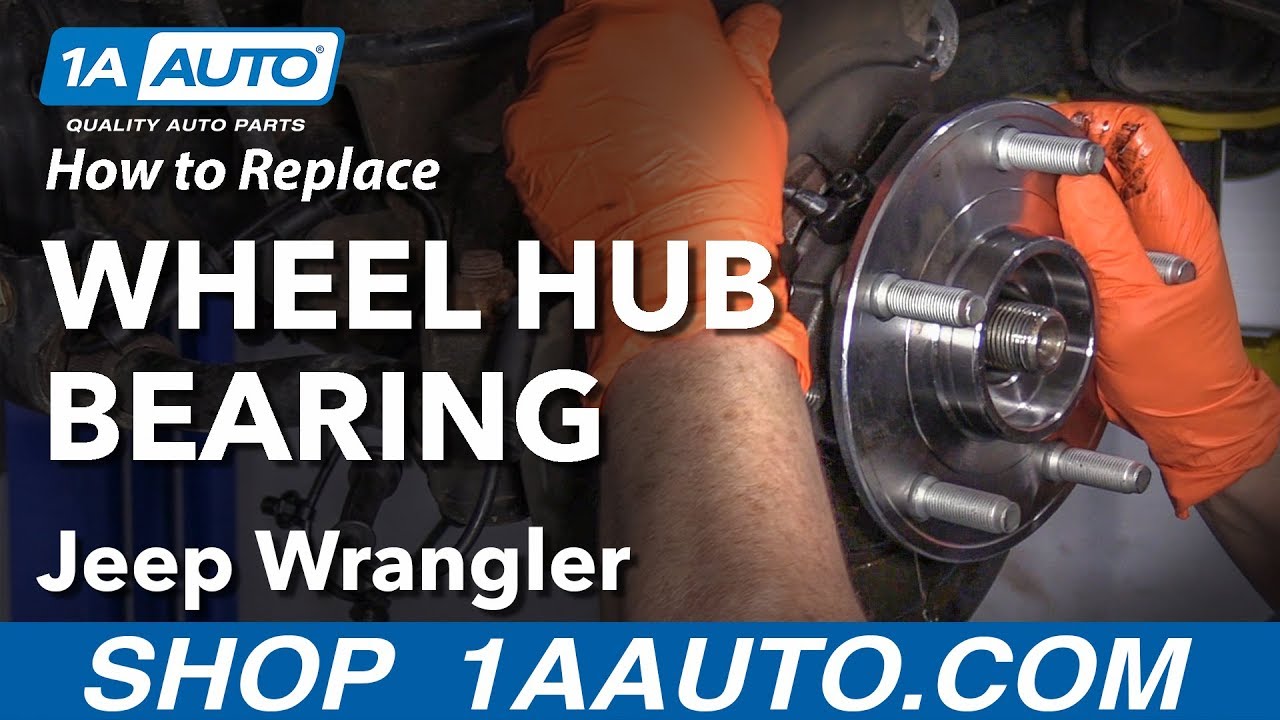
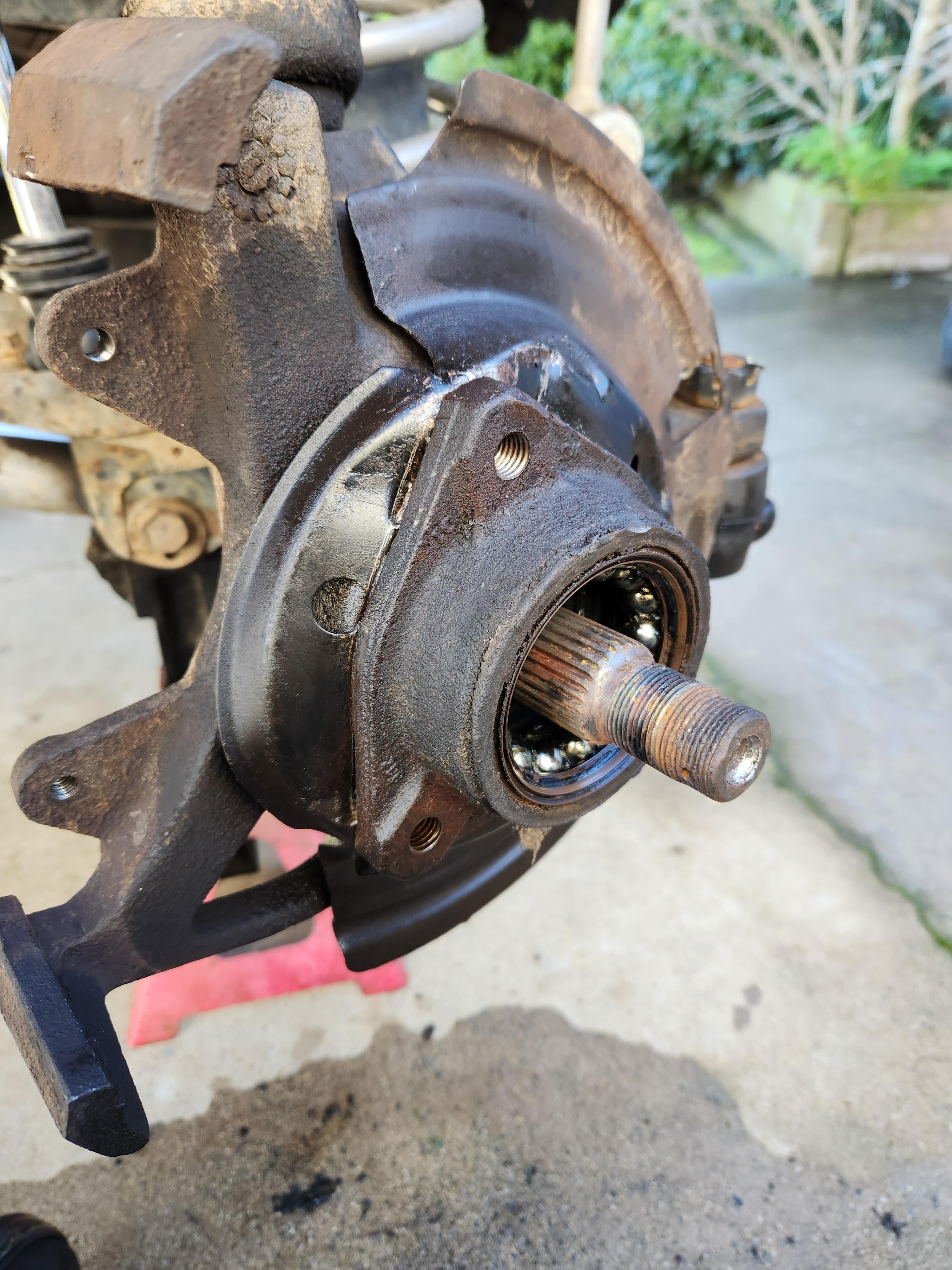
- Unbolt the hub assembly (usually three bolts behind the knuckle).
- Disconnect the ABS sensor if your model has one. Carefully unplug it.
- Remove the old bearing using a hub puller or tap it out with a hammer and punch. Be patient—rust can make this step tough.
Pro tip: If the bearing won’t budge, spray penetrating oil and let it sit for 10 minutes. Gentle tapping often helps more than brute force.
Installing The New Wheel Bearing
Now comes the rewarding part—putting everything back together:
- Clean the hub area thoroughly with brake cleaner and a rag.
- Apply anti-seize lubricant to the hub surface to help prevent future rust.
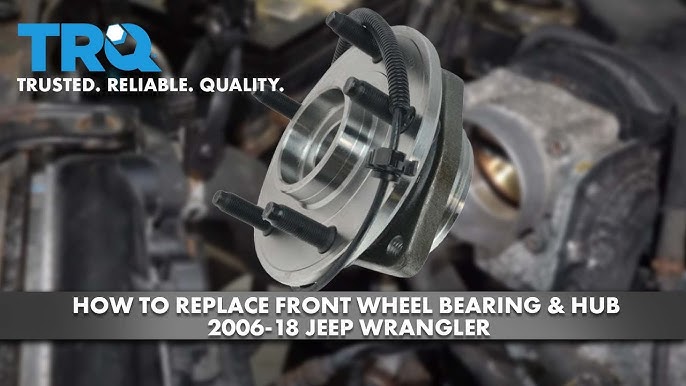
- Position the new wheel bearing assembly into the knuckle.
- Insert and tighten the bolts that hold the bearing in place. Use a torque wrench to reach the correct specification (usually around 75–90 ft-lbs for Jeep Wranglers; check your manual).
- Reconnect the ABS sensor if equipped.
- Reinstall the brake rotor and caliper. Torque the caliper bolts properly.
- Mount the wheel and hand-tighten the lug nuts.
When everything is in place, lower the Jeep and finish tightening the lug nuts in a star pattern. This ensures even pressure and prevents warping.
Step-by-step Comparison: Front Vs. Rear Wheel Bearings
Some Jeep Wranglers use the same method for all four wheels, but others have differences between the front and rear. Here’s a quick comparison:
| Step | Front Wheel Bearing | Rear Wheel Bearing |
|---|---|---|
| Brake Caliper Removal | Yes | Yes |
| Rotor Removal | Yes | Yes |
| Hub Puller Needed? | Sometimes | Often |
| ABS Sensor Location | Usually at knuckle | May be inside axle |
| Axle Nut Present? | Yes | Some models only |
Always check your specific Wrangler model’s repair manual for the exact process.
Common Mistakes To Avoid
Even skilled mechanics sometimes make errors. Watch out for these frequent mistakes:
- Forgetting to torque bolts: Under- or over-tightening can lead to failure or damage.
- Ignoring ABS sensors: Damaging or not reconnecting these can cause warning lights or unsafe driving.
- Skipping cleaning: Dirt and rust left behind can shorten the life of your new bearing.
- Reusing old hardware: Always use new bolts if the manual recommends it.
- Not checking for other problems: While the wheel is off, inspect brakes and suspension for wear.
Many beginners rush through reassembly take your time and double-check each step.
How Much Does It Cost To Replace Jeep Wrangler Wheel Bearings?
Costs depend on whether you do it yourself or hire a mechanic. Here’s a quick comparison:
| Expense | DIY Replacement | Professional Service |
|---|---|---|
| Wheel Bearing (each) | $60–$150 | $60–$150 |
| Special Tools Rental | $0–$30 | Included |
| Labor | Your time | $150–$300 per wheel |
| Total (per wheel) | $60–$180 | $210–$450 |
DIY can save a lot, but only if you’re comfortable with the work. If not, paying a pro is often safer.
How Long Does Replacement Take?
Most DIYers spend 2–3 hours per wheel, especially the first time. With experience, it can take less than 90 minutes. Shops usually finish the job faster but charge for their expertise.
Remember, stuck parts or rust can add extra time. Always allow more time than you think you’ll need, so you’re not rushing.
When Should You Replace Both Sides?
Many people ask if both wheel bearings should be replaced at the same time. Here’s the truth: You only need to replace the faulty bearing. However, if your Jeep has high mileage and one bearing failed, the other may not be far behind.
Replacing both sides saves future labor but doubles your parts cost. Consider your Jeep’s age, usage, and budget.
How To Break In A New Wheel Bearing
After installation, some gentle steps help your new bearing last longer:
- Drive gently for the first 50–100 miles.
- Avoid hard braking or quick turns during this time.
- Listen for unusual noises. If you hear grinding or clicking, recheck your work.
Wheel bearings don’t need a long break-in like engines, but careful driving helps them seat properly.
Signs Of A Poor Installation
Sometimes, even after installing a new bearing, problems remain. Watch for these signs:
- Continued noise or vibration: Could mean the bearing wasn’t seated or torqued correctly.
- ABS warning light: Often caused by a disconnected or damaged sensor.
- Loose wheel feeling: May indicate bolts weren’t tightened to spec.
- Brake issues: If the caliper isn’t reinstalled properly, you might lose braking power.
If you notice any of these, inspect your work or have a mechanic check it.
Practical Tips For A Smooth Replacement
A few small actions can make the job faster and safer:
- Take pictures as you disassemble parts. They help during reassembly.
- Organize bolts and parts in small containers or trays.
- Label connections (like the ABS sensor) if you’re new to repairs.
- Replace related parts (like the axle nut or dust shield) if they show wear.
- Check torque specs in your Jeep’s service manual, not just online advice.
These tips help prevent frustration and mistakes especially on your first try.
When To Get Professional Help
Some jobs are best left to the experts. If you:
- Don’t have the right tools
- Can’t remove a stuck or rusted bearing
- Don’t feel confident about reassembly
…it’s wise to call a mechanic. Safety is always more important than saving money.
For more detailed technical information and service guides, the official Jeep Maintenance Guide is a reliable resource.
How Do I Know If My Jeep Wrangler Wheel Bearing Is Bad?
Listen for humming or grinding noises from the wheel area, especially when turning or driving faster. You may also feel vibration in the steering wheel or see uneven tire wear. If you notice these signs, check the bearing soon.
Can I Replace Jeep Wrangler Wheel Bearings Without Special Tools?
You need some basic tools like a socket set, jack, and breaker bar. A hub puller makes the job much easier, especially for stuck bearings. Most auto parts stores rent these tools if you don’t own them.
Is It Safe To Drive With A Bad Wheel Bearing?
No. A failing wheel bearing can cause loss of control, uneven tire wear, and even wheel detachment. It’s best to fix the problem as soon as you notice symptoms.
How Long Do Jeep Wrangler Wheel Bearings Last?
Most wheel bearings last 100,000 miles or more if you drive mostly on roads. Off-roading, water crossings, and mud can wear them out faster.
What Happens If I Install A Wheel Bearing Incorrectly?
Improper installation can lead to noise, vibration, ABS warning lights, or even wheel failure. Always follow torque specs, reconnect sensors, and double-check your work before driving.
Replacing a Jeep Wrangler wheel bearing is a project that rewards careful, patient work. With proper tools and these clear steps, you can restore your Jeep’s smooth ride and enjoy safe adventures for miles to come.