Replacing the rear wheel bearing on a 2013 Jeep Compass is a job many car owners can do themselves with the right tools and patience. A worn wheel bearing can cause a humming noise, looseness in the wheel, or even affect your car’s safety. Acting early can save you from bigger, more expensive problems later. This guide will walk you through the replacement process, give you tips that even some mechanics miss, and help you avoid common mistakes.
Signs Your Rear Wheel Bearing Needs Replacement
Most people first notice a growling or humming noise coming from the back of the car, which gets louder as you speed up. Sometimes you might also feel vibrations or notice that the rear wheel feels loose when you shake it. Ignoring these signs can lead to more damage, including ruining the hub or causing the wheel to seize up.
A simple test: With the car lifted, grab the wheel at the top and bottom and try to rock it. If it moves, the bearing may be bad. Also, spinning the wheel by hand and listening for grinding sounds can help confirm the problem.
Tools And Parts You’ll Need
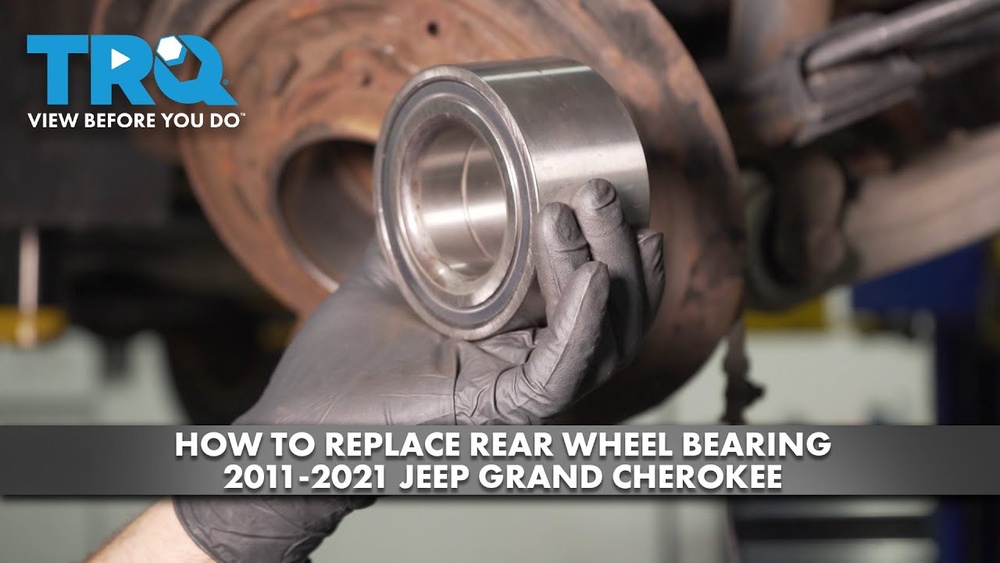
Before you start, make sure you have all the necessary equipment. Missing a tool halfway through can be frustrating and cause delays.
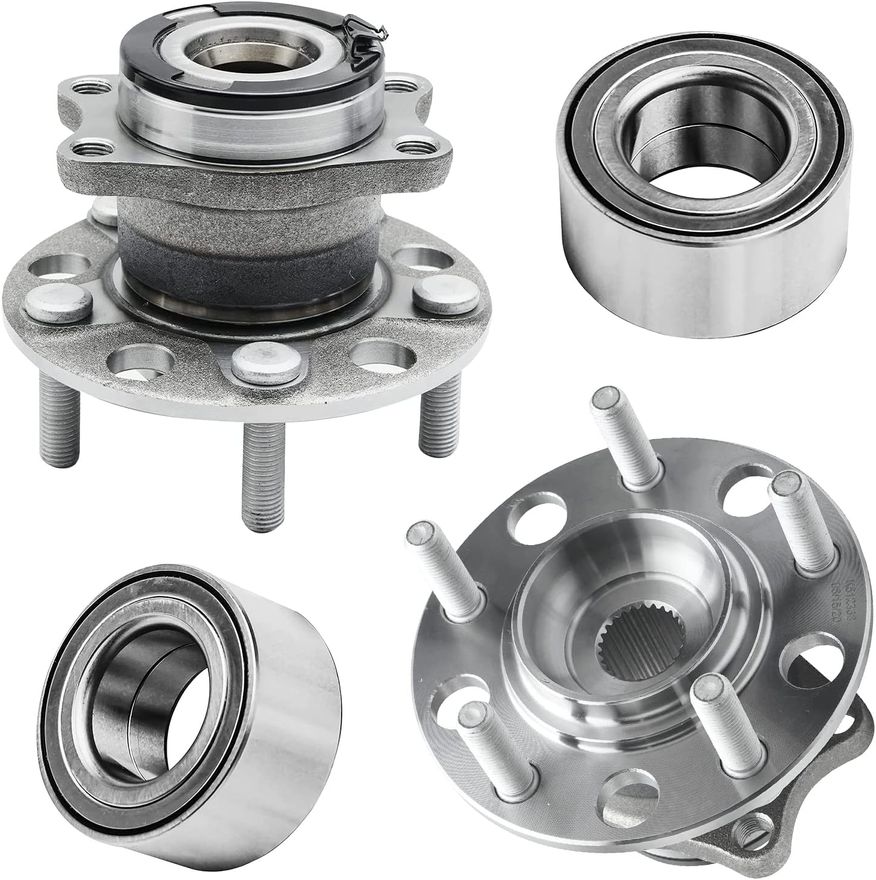
- Replacement rear wheel bearing and hub assembly (for 2013 Jeep Compass)
- Jack and jack stands
- Lug wrench
- Ratchet and socket set (including a large socket for axle nut)
- Torque wrench
- Screwdrivers (flathead and Phillips)
- Hammer or mallet
- Breaker bar (for stubborn bolts)
- Needle-nose pliers
- Penetrating oil (like WD-40)
- Anti-seize compound
- Safety gloves and glasses
Optional but helpful:
- Impact wrench
- Pry bar
- Wire brush (for cleaning)
Safety Precautions
Working on your car’s suspension and wheels can be dangerous if you’re not careful. Always:
- Work on a flat, stable surface
- Use jack stands to support the car (never rely on the jack alone)
- Wear gloves and eye protection
- Chock the front wheels so the car can’t roll
Step-by-step Guide To Replacing The Rear Wheel Bearing
1. Loosen The Lug Nuts
Before lifting the car, slightly loosen the lug nuts on the rear wheel using a lug wrench. Don’t remove them completely yet.
2. Lift The Vehicle
Position the jack under the recommended lift point near the rear wheel and raise the car. Place jack stands under the vehicle for safety.
3. Remove The Wheel
Finish taking off the lug nuts and remove the wheel. Set it aside.
4. Remove The Brake Caliper And Rotor
- Use a ratchet to remove the bolts holding the brake caliper in place.
- Carefully hang the caliper with a wire or bungee cord so it doesn’t hang by the brake hose.
- Remove the brake rotor. If it’s stuck, gently tap it with a mallet.
Pro tip: If the rotor won’t budge, check for a retaining screw and use penetrating oil.
5. Disconnect The Abs Sensor (if Equipped)
Some models have an ABS sensor attached near the wheel hub. Unplug it to avoid damage.
6. Remove The Hub/bearing Assembly
- Locate the bolts holding the hub assembly in place from behind the backing plate.
- Spray the bolts with penetrating oil, especially if you live in a rust-prone area.
- Use a breaker bar or impact wrench to loosen the bolts.
- Tap the hub assembly with a mallet to free it from the knuckle. Stubborn hubs may need more force.
7. Clean The Knuckle Surface
Once the old bearing is out, use a wire brush to clean the mounting surface. Any rust or debris can cause the new bearing to fit incorrectly or fail early.
8. Install The New Bearing And Hub Assembly
- Place the new wheel bearing assembly into position.
- Insert and hand-tighten the mounting bolts to avoid cross-threading.
- Torque the bolts to the manufacturer’s specifications (often around 70-90 ft-lbs; check your manual).
9. Reconnect The Abs Sensor
Plug the ABS sensor back in if your model has one.
10. Reinstall The Brake Rotor And Caliper
- Slide the rotor back on.
- Reattach the caliper and torque the bolts.
11. Reinstall The Wheel
Put the wheel back on and tighten the lug nuts by hand.
12. Lower The Vehicle
Remove the jack stands and lower the car.
13. Torque The Lug Nuts
Tighten the lug nuts in a star pattern to the correct torque (usually about 100 ft-lbs for this model).
14. Test Drive
Drive at low speed and listen for any unusual noises. If everything sounds normal, the job is complete.

Common Mistakes To Avoid
- Not cleaning the knuckle surface: Even a small amount of rust can cause the new bearing to fail.
- Ignoring torque specs: Overtightening or undertightening bolts can damage components or cause unsafe conditions.
- Forgetting the ABS sensor: Damaging or not reconnecting the sensor can trigger warning lights.
- Not using jack stands: Relying only on a hydraulic jack is dangerous.
Data Table: Signs Of A Worn Rear Wheel Bearing Vs. Other Common Issues
Here’s a quick comparison to help you identify if your problem is the bearing or something else:
| Symptom | Possible Cause | How to Check |
|---|---|---|
| Humming/growling noise | Worn wheel bearing | Noise gets louder with speed |
| Clicking when turning | Bad CV joint | Noise mainly on turns |
| Vibration during braking | Warped rotor | Vibration only when braking |
| Loose wheel | Worn bearing or loose lug nuts | Wheel rocks when grabbed top/bottom |

Rear Wheel Bearing Replacement Cost Comparison
Wondering if you should do it yourself or go to a shop? Here’s a comparison:
| Option | Typical Cost (USD) | Time Needed |
|---|---|---|
| DIY with basic tools | $80–$150 (parts only) | 2–3 hours |
| Professional mechanic | $300–$500 (parts & labor) | 1–2 hours |
Extra Tips Most Beginners Miss
- Use anti-seize compound on bolts during reassembly. This makes future repairs much easier, especially in areas with road salt.
- If the hub is stuck, thread the bolts in partway and tap them with a hammer. This can free the hub without damaging the knuckle.
- Always replace bearings in pairs if possible. If one has failed, the other may not be far behind.
- Even if your Jeep has drum brakes on the rear, the steps are similar, but removing the drum can be tricky if it’s rusted in place.
- If you have a torque wrench, use it for all bolts. If not, get one; it’s a smart investment.
When To Seek Professional Help
Sometimes the job doesn’t go smoothly. If bolts are seized, parts are heavily rusted, or you’re unsure about any step, it’s smart to consult a mechanic.
For some, the peace of mind is worth the extra cost.
Sourcing Quality Parts
Not all wheel bearings are created equal. Look for OEM-quality or reputable aftermarket brands. Avoid the cheapest options—they may not last. Always double-check the compatibility for your 2013 Jeep Compass’s trim and drivetrain (FWD or AWD).
If you want more technical details on wheel bearings and their function, the Wikipedia Wheel Bearing page is a good resource.
Troubleshooting After Replacement
If you hear noises or see warning lights after installing the new bearing:
- Double-check the ABS sensor connection.
- Ensure all bolts are tightened to spec.
- Recheck that the wheel is properly torqued.
- If the noise continues, it could be another bearing or a different rear suspension part.
Rear Wheel Bearing Lifespan Data
How long should a new wheel bearing last? Here’s what you can expect:
| Brand | Expected Lifespan (Miles) | Warranty |
|---|---|---|
| OEM (Mopar) | 80,000–100,000 | 12 months |
| Timken | 80,000–120,000 | 36 months |
| Economy Brand | 30,000–50,000 | 3–6 months |
Choosing a quality part can save you from repeating the repair soon.
How Do I Know If My Jeep Compass’s Rear Wheel Bearing Is Bad?
Listen for a humming or growling noise from the rear while driving, especially as speed increases. If the wheel feels loose or you hear grinding when spinning it by hand, the bearing may be worn out.
Can I Drive With A Bad Rear Wheel Bearing?
It’s not safe. A worn bearing can fail suddenly, possibly causing the wheel to lock up or come off.
Replace it as soon as possible to avoid accidents and extra repairs.
How Long Does It Take To Replace A Rear Wheel Bearing On A 2013 Jeep Compass?
For most DIYers, it takes about 2–3 hours if you have the right tools and no rust issues. Professional mechanics can often do it in about an hour.
Do I Need Any Special Tools For This Job?
You’ll need basic hand tools, a jack and jack stands, a torque wrench, and possibly a breaker bar or impact wrench for stubborn bolts. Specialty tools aren’t usually required for this model.
Should I Replace Both Rear Wheel Bearings At The Same Time?
It’s a good idea, especially if your Jeep has high mileage. When one bearing fails, the other is often close behind.
Replacing both saves time and gives you peace of mind.
Replacing the rear wheel bearing on your 2013 Jeep Compass can seem challenging, but with patience and preparation, it’s a job many can handle. Always follow safety steps, take your time, and don’t skip cleaning or torque specs. If in doubt, don’t hesitate to ask for help or consult a trusted mechanic. With a quality part and careful work, your Jeep will be ready for many more miles on the road.