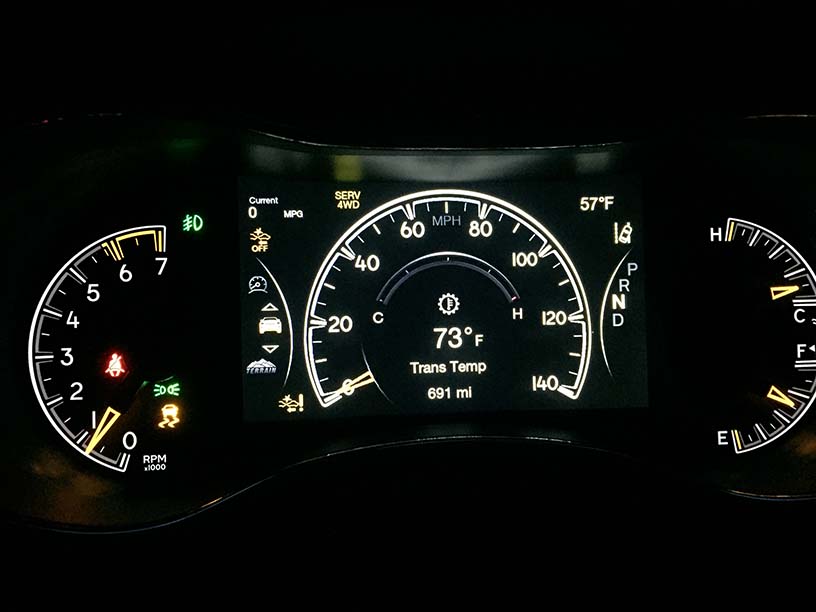
When you see the 4 wheel drive light on your Jeep Liberty dashboard, it’s easy to feel worried or confused. What does the light mean? Should you keep driving? Is it a simple fix, or do you need a mechanic? Understanding what this light is telling you can save you time, money, and stress. Many Jeep Liberty owners run into this issue, especially if they use their 4WD system often or drive in rough conditions. Let’s break down what you need to know about checking the 4 wheel drive light in your Jeep Liberty, what each possible warning means, and how you can take action.
Understanding The 4 Wheel Drive Light In Your Jeep Liberty
The 4 wheel drive (4WD) system is designed to give your Jeep Liberty better traction, especially in snow, mud, or off-road situations. The system shifts power from just two wheels to all four, helping you avoid getting stuck or losing control. The 4WD indicator light on your dashboard is there to tell you what’s happening with this system.
But not all lights mean the same thing. Sometimes the light comes on just to let you know the system is working.
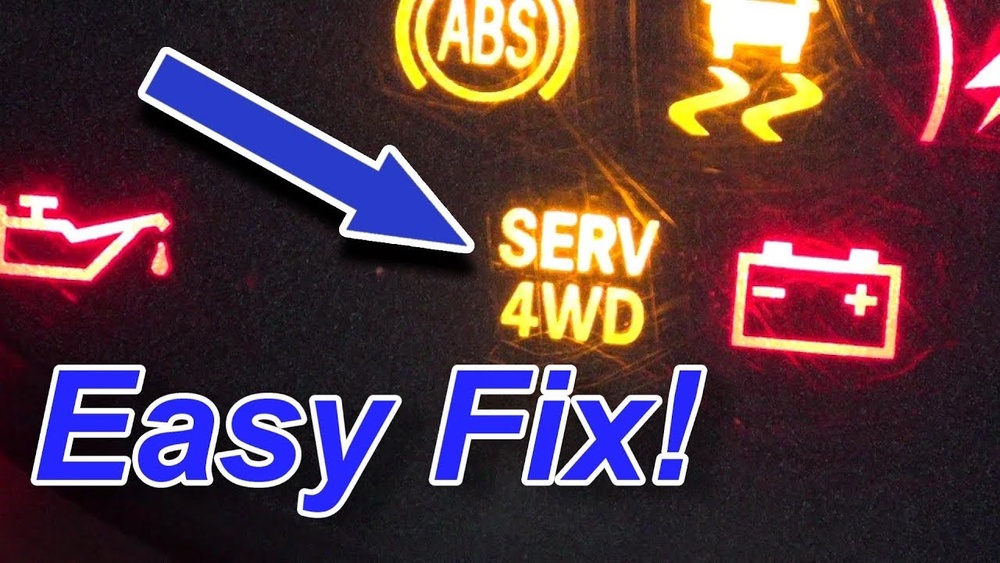
Other times, it’s warning you about a problem. Knowing the difference is key.
Types Of 4wd Lights You Might See
- 4WD Engaged Light: This shows the system is active. It’s usually green or yellow and turns off when you go back to 2WD.
- 4WD Service Light: This is often amber or red. It means the system needs attention or repair.
- Flashing 4WD Light: A blinking light often means the system is trying to engage or disengage, or it has failed to do so.
- 4WD Lock Light: This shows the system is in “lock” mode, giving equal power to all wheels.
Each of these lights has a different meaning for your Jeep Liberty. If you’re unsure which light you’re seeing, check your owner’s manual.
Now, let’s look at the four main things you should check when you see a 4WD light.
1. Check The 4wd Selector Switch
The 4WD selector switch is what you use to choose between 2WD, 4WD High, or 4WD Low modes. Sometimes, the switch can be the cause of your dashboard warning.
How To Inspect The Selector Switch
- Make sure the switch moves smoothly between positions.
- Listen for unusual clicks or grinding sounds when switching modes.
- If the switch feels loose or unresponsive, it may be worn out.
- Try shifting into 4WD mode with the vehicle stopped and in neutral; some systems require this for safe shifting.
If the 4WD light does not change when you use the switch, or if the switch feels wrong, it could be faulty. This is a common problem, especially in older Jeep Liberty models.
A bad selector switch can send the wrong signal to your car’s computer, causing the warning light to stay on.
Non-obvious tip: Sometimes, dirt or spilled drinks can get into the switch, causing it to malfunction. Carefully clean around the switch with a dry cloth. If cleaning doesn’t help, replacement may be needed.
2. Inspect The Transfer Case And Fluid Levels
The transfer case is a key part of your Jeep’s 4WD system. It splits power between the front and rear wheels. If there’s a problem here, the 4WD light may come on.
How To Check The Transfer Case And Fluid
- Look under the vehicle for signs of fluid leaks near the transfer case.
- Open the fill plug and check the fluid level (your owner’s manual will show where this is).
- The fluid should be clean and at the correct level. If it’s dirty, thick, or smells burnt, it needs to be changed.
- Listen for unusual noises (grinding, whirring) when driving in 4WD mode. This can be a sign of internal wear.
If the transfer case runs low on fluid, it can overheat and fail, leading to expensive repairs. Checking and changing the fluid regularly is a simple way to avoid trouble.
Non-obvious tip: Many Jeep Liberty owners forget that transfer case fluid can break down faster if you tow heavy loads or drive in harsh conditions. If you do these things, change the fluid more often than the standard schedule.
Transfer Case Fluid Types And Intervals
Here’s a quick comparison of fluid types and service intervals for the Jeep Liberty:
| Fluid Type | Recommended Interval | Notes |
|---|---|---|
| ATF+4 (Synthetic) | Every 30,000 miles | Preferred for most models |
| Dexron III/Mercon | Every 30,000 miles | Check manual for your year/model |
Always use the fluid type recommended in your Jeep Liberty owner’s manual.
3. Examine The 4wd Actuators And Sensors
Modern Jeep Liberties use electronic actuators and sensors to control the 4WD system. If these parts fail, you might see a warning light, even if the rest of the system is fine.
How To Check Actuators And Sensors
- Listen for a soft “click” or “whir” when you change 4WD modes. No sound could mean the actuator isn’t working.
- Scan for trouble codes with an OBD-II scanner. Many auto parts stores offer free scans.
- If you get codes related to the 4WD system (like C140F or C1411), research them or ask a mechanic.
- Check wiring and connections for corrosion or loose plugs.
A failed actuator can sometimes be replaced without much labor. But if you ignore it, you could end up stuck in 2WD when you really need 4WD.
Non-obvious tip: Sometimes, moisture gets into connectors, especially after deep water crossings or winter driving. Unplugging and drying the connectors, then adding a bit of dielectric grease, can solve intermittent sensor issues.
Common 4wd Sensor And Actuator Issues (jeep Liberty)
| Issue | Symptoms | Likely Fix |
|---|---|---|
| Faulty actuator motor | No 4WD engagement, warning light on | Replace actuator motor |
| Failed position sensor | Wrong light or mode display | Replace sensor, check wiring |
| Corroded connectors | Intermittent 4WD light, random errors | Clean connectors, apply grease |
4. Inspect The Drivetrain Components
The drivetrain includes the driveshaft, axles, and universal joints (U-joints). Any damage or excessive wear here can affect 4WD performance and trigger warning lights.
How To Check Drivetrain Parts
- Visually inspect driveshafts and axles for dents, bends, or leaks.
- Grab the driveshaft and try to move it up and down. Excessive play means worn U-joints.
- Listen for clunking or knocking sounds when accelerating or turning sharply.
- Check for torn axle boots, which can let dirt in and grease out.
Worn or broken drivetrain parts can cause the 4WD system to fail. They can also damage other parts, making repairs more expensive.
Non-obvious tip: After heavy off-roading, always recheck all drivetrain parts. Rocks or branches can hit and damage these components without you noticing right away.
Drivetrain Component Lifespans
Here’s a look at how long key drivetrain parts typically last on a Jeep Liberty:
| Component | Average Lifespan | Warning Signs |
|---|---|---|
| Driveshaft | 100,000+ miles | Vibration, noise |
| U-joints | 60,000–100,000 miles | Clunking, excessive play |
| Axle shafts | 100,000+ miles | Grease leaks, clicking sounds |
Taking care of these parts helps keep your 4WD system working smoothly.
What To Do If The 4wd Light Stays On
If your 4 wheel drive light stays on after you’ve checked the items above, don’t ignore it. Here are practical steps to follow:
- Stop driving in 4WD unnecessarily. Using 4WD on dry pavement can damage your Jeep’s drivetrain.
- Record any symptoms (strange sounds, trouble shifting, when the light comes on) to help your mechanic.
- Use an OBD-II scanner to check for error codes.
- Consult a professional if you’re not sure. Many issues are easy to fix if caught early.
Ignoring a 4WD warning can turn a small issue into a major repair. Early action saves money and keeps you safe.

How Much Does It Cost To Fix 4wd Issues In A Jeep Liberty?
Repair costs vary widely depending on the problem:
- 4WD selector switch replacement: $50–$200 (parts and labor)
- Transfer case fluid change: $80–$150
- Actuator or sensor replacement: $150–$400
- Drivetrain repairs (U-joints, driveshafts): $200–$600 or more
If you’re handy with tools, some of these fixes can be done at home. But if you’re unsure, it’s always safer to get professional help.
For more in-depth technical details about your Jeep Liberty’s 4WD system, check the official Jeep Liberty Wikipedia page.
Preventing Future 4wd Light Issues
Regular maintenance is the key to avoiding 4WD problems:
- Change transfer case fluid as recommended
- Keep connectors clean and dry
- Inspect drivetrain parts after off-roading
- Use 4WD regularly (even briefly) to keep parts moving and lubricated
A good habit is to test your 4WD system at the start of each winter. This way, you won’t get stuck when you really need it.
Why Does My Jeep Liberty’s 4wd Light Flash But Not Stay On?
A flashing 4WD light often means the system is trying to engage but cannot. This could be caused by a sticky actuator, low transfer case fluid, or a sensor problem.
If it keeps flashing, have the system checked.
Can I Drive My Jeep Liberty If The 4wd Light Is On?
If the light is just showing that 4WD is engaged, it’s safe. But if it’s a warning or service light, avoid using 4WD until you check the system.
Driving with a fault can cause more damage.
How Often Should I Change The Transfer Case Fluid?
Most experts recommend changing the fluid every 30,000 miles. If you tow, off-road, or drive in tough conditions, change it more often.
What Happens If I Ignore The 4wd Warning Light?
Ignoring the warning can lead to expensive repairs. Problems in the 4WD system can damage your drivetrain or leave you stuck in 2WD when you need all four wheels.
Is It Expensive To Fix 4wd Problems On A Jeep Liberty?
Costs vary. Simple fixes like a switch or fluid change are affordable.
Major repairs, like transfer case replacement, are more expensive. Early detection keeps costs lower.
Taking care of your Jeep Liberty’s 4WD system is essential for safe driving and off-road fun.
By checking the four key areas selector switch, transfer case, actuators and sensors, and drivetrain parts you’ll be ready for whatever the road (or trail) throws your way.
Don’t wait for a small problem to become a big one. Stay proactive and enjoy the confidence that comes from a well-maintained 4WD system.