If you own a 2011 Jeep Wrangler, you’ve probably seen the tire pressure warning light come on at least once. That little symbol on your dashboard can be worrying, especially if you’re not sure what caused it or how to make it go away. The good news is, resetting the tire pressure light is usually straightforward if you know the right steps. Understanding how the system works and how to handle common issues can save you time, money, and stress.
Let’s break down exactly how to reset the tire pressure light on your 2011 Jeep Wrangler, why it might turn on, and what you should watch out for.
This guide offers clear, step-by-step instructions and practical advice for both beginners and experienced Jeep owners.
Why The Tire Pressure Light Comes On
The tire pressure monitoring system (TPMS) in your 2011 Jeep Wrangler is designed to alert you when one or more tires are under-inflated. The system uses sensors to measure the pressure in each tire. If any tire’s pressure drops about 25% below the recommended level, the warning light appears on your dashboard.
There are several common reasons for the light to turn on:
- Temperature changes: Cold weather can lower tire pressure, triggering the light.
- Slow leaks: Small punctures or valve issues can cause gradual air loss.
- Recent tire service: Rotating, changing, or repairing tires can confuse the sensors temporarily.
- Sensor malfunction: Sometimes, the sensor itself fails or loses communication.
Knowing the cause helps you address the real issue, not just turn off the light.
Step-by-step: How To Reset Tire Pressure Light
1. Check And Adjust Tire Pressure
Before you try to reset the light, always check your tire pressures first. The reset won’t work if any tire is still low.
- Find the recommended pressure for your Jeep (usually on a sticker inside the driver’s door).
- Use a reliable tire gauge to measure each tire’s pressure.
- Inflate any low tires to the correct PSI (pounds per square inch).
- Don’t forget the spare tire—your Jeep’s system often monitors it, too.
2. Drive To Reset The System
After adjusting the pressures, most 2011 Jeep Wranglers will reset the light automatically:
- Start your Jeep and drive at least 15 minutes at speeds above 15 mph.
- The TPMS system should recognize the corrected pressures and turn off the warning light.
- If the light stays on, move to the next step.
3. Manual Reset Procedure
If the light does not go off, try this simple reset method:
- Turn the ignition to the “On” position, but do not start the engine.
- Wait about 10 seconds.
- Turn the ignition off and wait another 10 seconds.
- Start the engine. See if the TPMS light goes out after a short drive.
This process allows the system to check all sensors again.
4. “battery Disconnect” Reset
If the above steps do not work, you can try resetting the car’s computer:
- Disconnect the negative battery cable using a wrench.
- Wait about 15 minutes.
- Reconnect the cable and tighten it securely.
- Start your Jeep and check the dashboard.
This method can clear stuck warnings, but be aware it may reset radio or clock settings, too.
5. When To See A Professional
If the light still does not go off after all these steps, there may be a sensor malfunction or a deeper electrical issue. At this point, it’s best to visit a qualified mechanic or dealership. They have special tools to read TPMS codes and replace faulty sensors if needed.
Understanding Your 2011 Jeep Wrangler’s Tpms
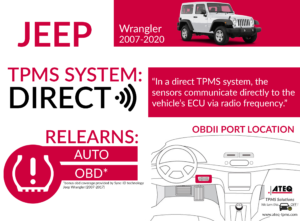
The 2011 Wrangler uses a direct TPMS. This means each wheel has a sensor inside the tire that sends pressure data to the car’s computer.
Here are some key facts:
- The system checks pressure every few minutes when driving.
- It often monitors the spare tire, unlike many other cars.
- If you replace a sensor or a wheel, the system may need to be re-learned with a special tool.
Some Wranglers have a “relearn” button or special procedures in the manual. Always check your owner’s manual for details specific to your trim.
Common Problems And Troubleshooting
Sensor Battery Life
TPMS sensors use small batteries, which usually last 7-10 years. If your Jeep is over a decade old, sensor batteries may die.
This can trigger the warning light even if your pressures are correct.
Aftermarket Wheels Or Tires
Switching to larger tires or custom wheels can sometimes interfere with the TPMS system. Make sure any new sensors are compatible with your Jeep.
Seasonal Changes
In winter, tire pressure drops about 1 PSI for every 10°F the temperature falls. It’s normal to see the light more often in cold weather check your pressures regularly.
Reset Does Not Work
If resetting does not work and you’ve confirmed all pressures are correct, you may have:
- A damaged sensor
- A damaged TPMS module
- Wiring issues
A professional can diagnose these quickly with the right scan tools.
Comparing Tpms Reset Methods
Here’s a quick look at the main ways to reset the tire pressure light, and how they compare:
| Method | Difficulty | Success Rate | When to Use |
|---|---|---|---|
| Drive After Inflating | Easy | Very High | After adjusting pressures |
| Manual Reset (Ignition Cycle) | Easy | Moderate | If light stays on after driving |
| Battery Disconnect | Medium | Moderate | As last resort before repair |
| Professional Scan Tool | Hard (DIY) | High | For persistent or sensor issues |
What To Avoid When Resetting The Light
Many Jeep owners make simple mistakes that lead to frustration:
- Ignoring the spare tire: Always check and inflate the spare if your Wrangler monitors it.
- Not using a quality gauge: Cheap gauges can give inaccurate readings. Spend a few dollars more for a reliable one.
- Trying to bypass the system: Avoid using “TPMS bypass” devices. They can cause other warning lights or make your Jeep less safe.
- Replacing sensors without reprogramming: New sensors sometimes need to be paired or “relearned” to your Jeep’s system.
Real-world Example: Winter Tire Swap
Imagine you swap to winter tires each year. You notice the TPMS light comes on every time you do.
This is often because the spare was not checked, or the new wheels do not have compatible sensors.
To avoid this:
- Always check all five tires.
- If using aftermarket wheels, ensure they have the right sensors.
- If you store your Jeep for the season, check pressures before driving again.
How Long Should It Take For The Light To Turn Off?
Usually, if you have set all pressures correctly, the light goes off within 10-20 minutes of driving at highway speed. If it stays on for several trips, there’s likely another issue.
Tools That Can Help
There are simple tools you can buy for home use:
- TPMS scan tools: These can read sensor data and help with troubleshooting.
- High-quality tire gauges: Digital or dial types are usually more accurate than basic stick models.
- Portable air compressors: Useful for topping up tires in your driveway.
If you like DIY car care, these tools pay for themselves quickly.
Data: Common Tpms Issues In Older Jeeps
A survey of Jeep owners found these were the most common TPMS problems as vehicles age:
| Issue | Percentage of Owners |
|---|---|
| Sensor Battery Failure | 42% |
| Pressure Loss in Cold Weather | 35% |
| Faulty Sensor After Tire Change | 18% |
| Wiring/Module Issue | 5% |
This shows that most issues are easy to fix at home but sensors do wear out with time.
The Cost Of Ignoring The Tire Pressure Light
It may be tempting to ignore the warning if your Jeep drives fine. However, this can lead to:
- Poor fuel economy: Underinflated tires reduce MPG.
- Uneven tire wear: You may need to replace tires sooner.
- Reduced handling and braking: Especially dangerous in emergency situations.
- Increased risk of blowout: Driving on low tires can cause a sudden failure.
Staying on top of tire pressure saves money and keeps you safe.
Quick Reference: 2011 Jeep Wrangler Tire Pressures
For most 2011 Wrangler trims:
- Front tires: 35 PSI (cold)
- Rear tires: 35 PSI (cold)
- Spare tire: 35 PSI (cold)
Always double-check your door sticker for specifics, especially if your Jeep is customized.
How The Tpms Light Looks
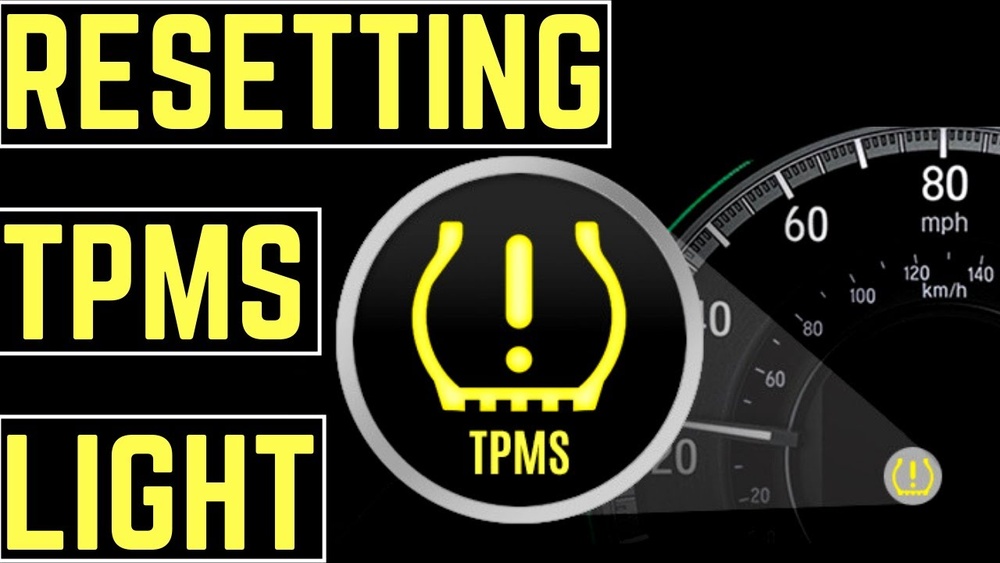
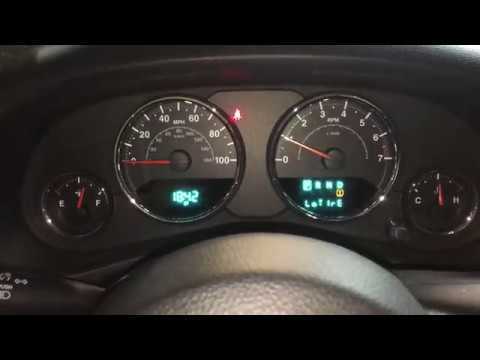
Some drivers confuse warning lights. The TPMS symbol looks like a horseshoe with an exclamation point in the center.
If you see a blinking TPMS light, it usually means a sensor fault, not just low pressure.
When To Replace Tpms Sensors
Sensors last 7-10 years. Replace them if:
- The light stays on despite correct pressures.
- You get a “TPMS sensor not detected” message.
- You are changing tires and the sensors are old.
A shop can replace and program new sensors quickly.

Extra Tips For Jeep Owners
- Check tire pressures monthly, not just when the light comes on.
- Inspect valve stems for cracks or leaks.
- Keep a small notebook in your glove box to log pressure checks and maintenance.
Useful Resources
For more information about tire pressure monitoring systems, visit the official TPMS Wikipedia page.
How Do I Know If My Jeep’s Tpms Sensors Are Working?
If your tire pressure light goes off after correcting pressures and driving, your sensors are working. If the light blinks and stays on, or you get error messages, one or more sensors may have failed.
Will Disconnecting The Battery Harm My Jeep’s Electronics?
Disconnecting the battery for a short time is safe for most 2011 Wranglers, but you may need to reset your clock and radio. Avoid disconnecting if you have custom electronics unless you know how to reset them.
Can I Use Regular Air Pumps To Inflate My Jeep’s Tires?
Yes. Any quality air pump at a gas station or a home compressor will work.
Just make sure to check the pressure with a good gauge after inflating.
Is It Safe To Drive With The Tire Pressure Light On?
It’s best to stop and check your tires as soon as possible. Driving with low pressure can be dangerous and damage your tires.
Do I Need To Reset The Tpms After Changing Tires?
If your new tires have compatible sensors, the system should reset after a short drive. If you replace sensors or use wheels without sensors, you may need a shop to program the system.
Taking care of your Jeep Wrangler’s tire pressure system is simple if you follow these steps. Regular checks and a little attention keep you safe on and off the road.