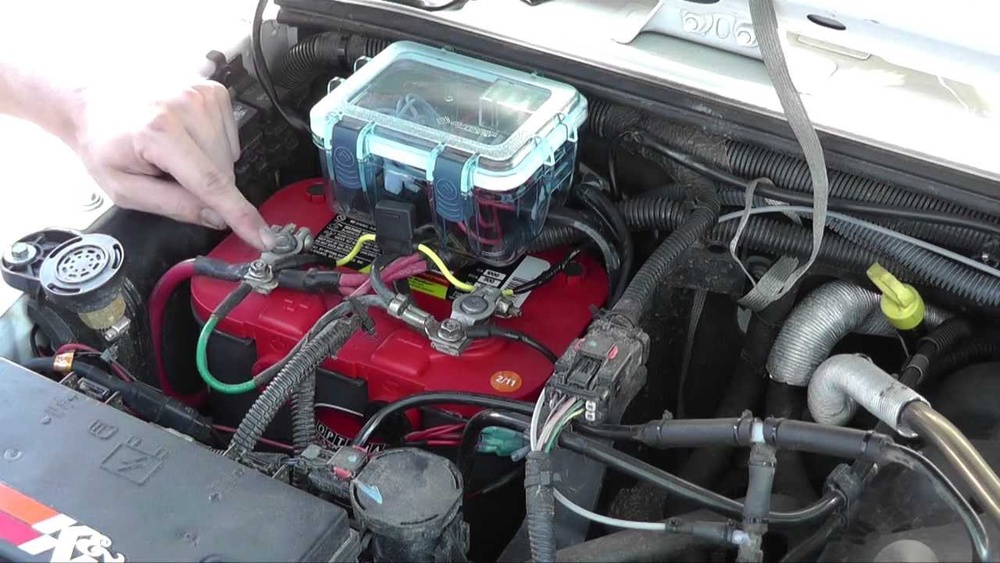
If your Jeep’s tail lights are flickering, dim, or not working at all, a bad ground connection is often the cause. Many Jeep owners struggle with tail light issues after upgrading lights, replacing bulbs, or even off-roading. Grounding your Jeep tail lights properly ensures they work safely and reliably.
This guide walks you through the process, explains why grounding matters, and helps you avoid mistakes most beginners make.
Why Grounding Matters For Jeep Tail Lights
Every vehicle’s electrical system needs a complete circuit. Your tail lights receive power through a positive wire and return the current to the battery via a ground. If the ground is weak or missing, the circuit breaks. This can cause:
- Dim or flickering lights
- No tail light function
- Blown fuses
- Electrical shorts
Jeeps, especially older models, often use the vehicle’s metal body as the ground. Rust, paint, or loose connections can block electricity flow. Grounding issues are one of the most common causes of tail light failure on Jeeps.
Tools And Materials Needed
Before you start, gather these items:
- Wire stripper/crimper
- 10-14 gauge wire (black or brown, for ground)
- Ring terminals (for attaching wire to bolts)
- Multimeter (to test ground)
- Screwdriver and wrench set
- Sandpaper or wire brush
- Electrical tape or heat shrink tubing
Spending a few dollars on quality wire and connectors prevents future problems.
Step-by-step: How To Ground Jeep Tail Lights
Follow these clear steps to ground your tail lights properly. If you have aftermarket LED lights or a trailer wiring harness, the process is similar.
1. Locate The Tail Light Ground Wire
Remove the tail light assembly. Most Jeeps have three wires: positive, negative (ground), and sometimes a turn signal. The ground wire is usually black or brown.
If you are unsure, check your Jeep’s wiring diagram or use a multimeter. Set the multimeter to continuity mode and touch one lead to the wire and the other to a bare metal part of the Jeep body. If it beeps, that’s the ground.
2. Inspect And Clean The Ground Point
Find where the ground wire connects to the body. On many Jeeps, there’s a small screw or bolt behind the light housing. Check for:
- Rust or corrosion
- Loose bolts
- Paint or undercoating blocking metal contact
Use sandpaper or a wire brush to clean the spot until shiny bare metal appears. Clean both the body and the ring terminal or wire end.
3. Replace Or Upgrade The Ground Wire
Cut off any damaged or corroded wire. Strip back about 1/2 inch of insulation. Crimp a new ring terminal on the wire. Use 10-14 gauge wire for extra reliability.
Run the wire directly to a clean metal spot on the Jeep’s body or frame. Shorter wires are better, but make sure the wire isn’t stretched or pinched.
4. Attach The Ground Wire Securely
Bolt the ring terminal tightly to the cleaned ground point. Use a star washer for extra contact if possible. Avoid using screws in thin sheet metal—pick a solid spot.
Cover the connection with electrical tape or heat shrink tubing to protect from moisture.
5. Test The Ground
Reconnect the tail light. Turn on your headlights and test the tail lights, brake lights, and turn signals.
Use a multimeter between the ground wire and battery negative terminal. Voltage should be less than 0. 2V with lights on. If it’s higher, the ground is weak.
Example Jeep Tail Light Wiring Colors
Not every Jeep uses the same color codes. Here’s a helpful comparison:
| Jeep Model | Year Range | Ground Wire Color |
|---|---|---|
| CJ | 1970-1986 | Black |
| Wrangler YJ | 1987-1995 | Black |
| Wrangler TJ | 1997-2006 | Brown |
| Wrangler JK | 2007-2018 | Black |
Always check your vehicle’s wiring diagram before cutting any wires.
Common Grounding Mistakes To Avoid
Many tail light problems come from simple mistakes. Watch out for these:
- Using painted or rusty metal—paint blocks electrical contact.
- Loose connections—a loose bolt causes intermittent problems.
- Too thin wire—thinner than 14 gauge can overheat and fail.
- Skipping the multimeter test—never assume your fix worked; test it.
- Connecting to plastic—ground wires must attach to metal, not plastic parts.
One insight beginners miss: tail light issues can affect other lights. A bad ground may cause turn signals or brake lights to fail, even if the bulbs are fine.

Upgrading To Led Tail Lights
LED tail lights use less power but are very sensitive to bad grounds. If you upgrade, always:
- Use a dedicated ground wire for each light.
- Solder connections if possible for best reliability.
- Test all functions before closing up the tail light housing.
Some LED kits require a resistor or relay for proper operation. Check the instructions.
Troubleshooting Jeep Tail Light Ground Problems
If your tail lights still don’t work after grounding, try these tests:
| Problem | Possible Cause | Solution |
|---|---|---|
| Lights flicker with bumps | Loose ground wire | Tighten bolt, check connection |
| No lights, but bulbs are good | No ground continuity | Clean/replace ground point |
| Lights work with engine off, but not on | Voltage drop at ground | Add thicker ground wire |
Another tip: always check the fuse box. A blown fuse can mimic a ground problem.
Example: Grounding Aftermarket Tail Lights
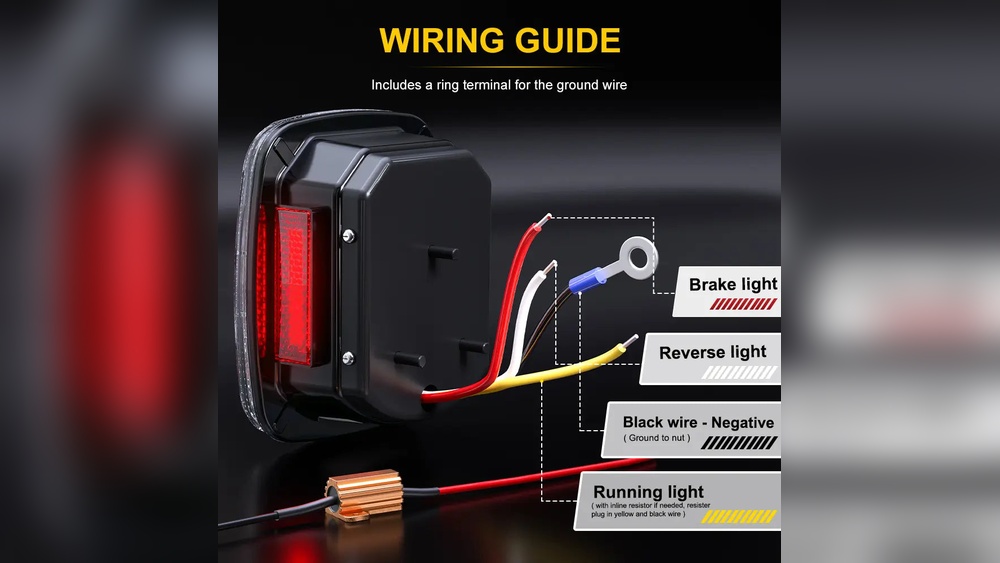
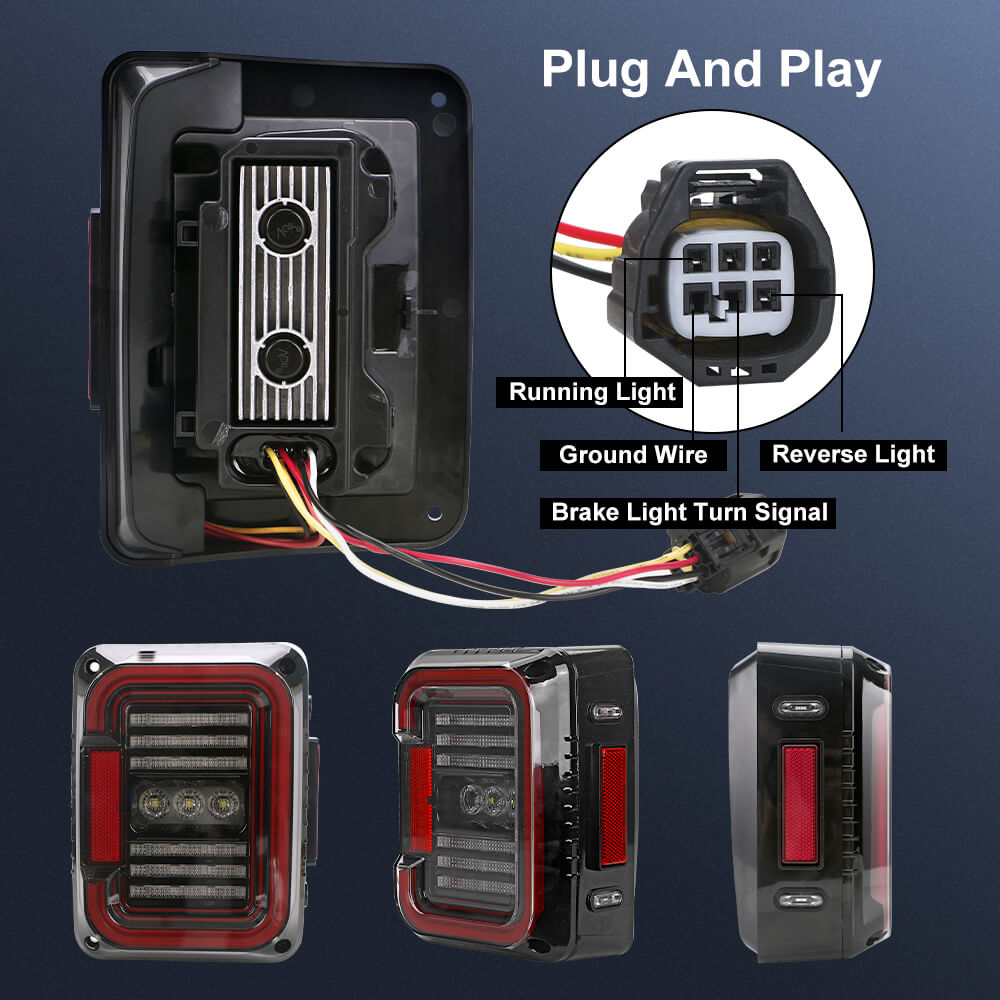
If you install aftermarket tail lights, they often have a separate ground wire. Here’s how to connect them:
| Wire Color | Function | Connect To |
|---|---|---|
| Red | Tail light power | Factory tail light wire |
| Black | Ground | Clean body/frame bolt |
| Yellow | Turn signal | Factory turn wire |
Always ground the black wire to bare metal for best results.
Frequently Asked Questions
Why Do My Jeep Tail Lights Keep Burning Out?
Constant bulb failure often means poor ground, causing voltage spikes. Clean and secure the ground to stop this.
Can I Ground My Jeep Tail Lights To The Battery Directly?
Yes, but it’s rarely needed. Most problems are solved by grounding to the body or frame. Direct battery grounds are for custom wiring or show vehicles.
How Do I Know If My Tail Light Ground Is Bad?
Symptoms include dim, flickering, or dead lights. Test with a multimeter—high voltage drop means a bad ground.
Is Dielectric Grease Good For Tail Light Grounds?
Yes, after cleaning and securing the connection, add a thin layer of dielectric grease to prevent rust and corrosion.
Are Jeep Tail Light Ground Problems Common?
Yes, especially on older or off-road-driven Jeeps. Vibration, mud, and water can loosen or corrode ground connections.
If you want to see an official wiring diagram for your specific model, check the Jeep official owner’s site.
Proper grounding means brighter, safer tail lights and peace of mind on and off the road. Take your time, test every step, and your Jeep will be ready for any adventure.