If your Jeep Grand Cherokee transmission is not shifting smoothly or you notice strange behavior after maintenance, a reset can often help. Many drivers don’t realize that modern transmissions use computer controls that adapt to driving habits and conditions. Sometimes, these adaptive settings cause problems, especially after repairs or battery changes.
Resetting the transmission can clear learned data and help your vehicle shift the way it should. In this guide, you’ll learn when a reset makes sense, how to do it safely, and what to expect during the process.
Why Reset Your Jeep Grand Cherokee Transmission?
Transmission issues can appear in several ways: rough shifting, delayed gear changes, or odd noises. In most newer Jeep Grand Cherokee models (2011 and later), the transmission is controlled by a Transmission Control Module (TCM). This module “learns” your driving style over time and adjusts how it shifts. Sometimes, the TCM’s memory can become confused after repairs or changes to the vehicle, leading to performance issues.
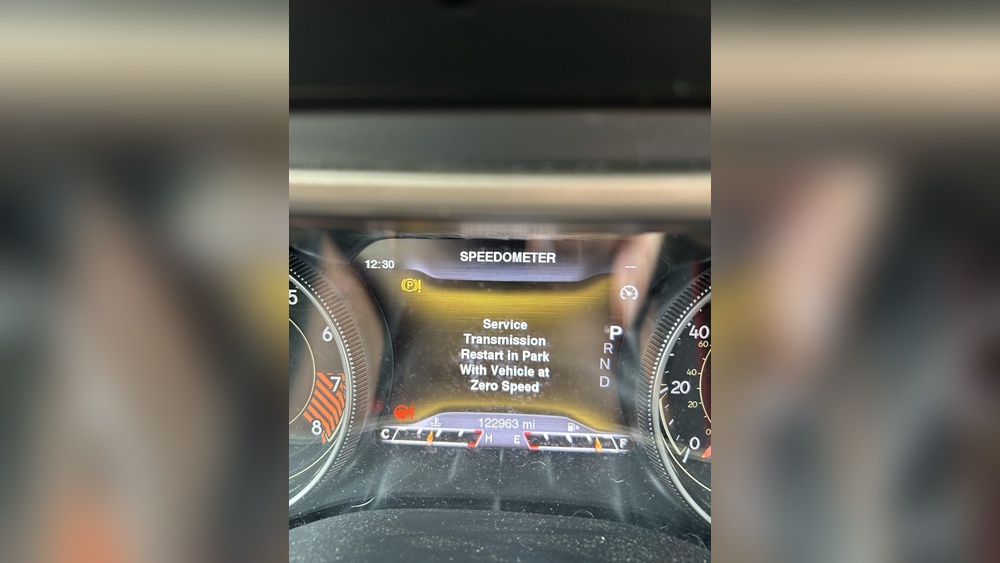
Resetting the transmission does not fix mechanical problems, but it can help if:
- The transmission acts strange after a battery replacement or ECU update
- You’ve just repaired or replaced the transmission
- There are no error codes, but shifting is not smooth
Important: If your Jeep has a check engine light or transmission warning, always diagnose these first. Resetting will not solve serious mechanical failures.
How The Transmission Reset Works
Jeep Grand Cherokees use adaptive learning, which means the transmission adjusts to how you drive. Over time, this can improve comfort and performance. However, if the system “learns” from a problem—like a slipping clutch or low fluid—it may keep that behavior even after fixing the issue.
A reset erases these learned settings and returns the TCM to its default state. Afterward, the TCM will start learning again, so you may notice different shifting patterns for a short time as it adapts.
Manual Vs. Computer Reset
There are two common methods:
- Manual reset: This uses a series of steps with pedals and the ignition to clear the adaptive memory. It works for most owners without special tools.
- Computer (scan tool) reset: This uses a professional diagnostic tool to clear the TCM memory. It’s more complete and sometimes necessary for newer models.

Step-by-step: How To Reset Jeep Grand Cherokee Transmission (manual Method)
If you have basic tools and patience, you can try the manual reset at home. This method works for many Jeep Grand Cherokee models from 2011 onward, especially those with 8-speed automatic transmissions.
What you’ll need:
- Your car key
- A flat, safe parking area
Steps:
- Turn the ignition to “On” (Run position), but do not start the engine.
- All the dashboard lights should come on.
- Press the accelerator pedal down slowly—fully to the floor—and hold it there for about 20 seconds.
- This sends a signal to the TCM.
- Turn the ignition back to “Off,” but keep the pedal pressed down.
- Release the accelerator pedal.
- Wait at least 2 minutes before starting the vehicle.
- Start your Jeep and allow it to idle for a few minutes.
- Do not press the gas or move the car yet.
- Drive gently at first.
- The transmission will need time to re-learn your driving habits.
This process clears the adaptive memory. You may notice softer or different shifts for the first 50–100 miles as the TCM relearns your style.
A Real-world Example
After a battery swap, a 2016 Jeep Grand Cherokee owner noticed the transmission was jerky and wouldn’t shift at the right times. After using the manual reset steps above, the shifting returned to normal over the next few days.
Table: Common Symptoms Before And After A Reset
| Before Reset | After Reset |
|---|---|
| Rough or delayed shifting | Smoother gear changes (after a short adaptation period) |
| Transmission seems confused | Normal shifting resumes |
| No error codes but poor performance | Improved driveability |
Using A Scan Tool (computer Reset)
If the manual method doesn’t work, or if your Jeep is a newer model, a scan tool might be required. This tool connects to your car’s OBD-II port and allows for more advanced resets.
Steps:
- Plug the scan tool into the OBD-II port (usually under the dash).
- Access the Transmission Control Module menu.
- Select “Reset Adaptive Values” or similar.
- Follow prompts on the tool—most will ask you to cycle the ignition or press the brake pedal.
- Finish and allow the system to reboot.
If you do not own a scan tool, most auto shops or Jeep dealerships can perform this reset quickly. Some shops charge a small fee, but the reset itself usually takes less than 10 minutes.
Table: Manual Vs. Scan Tool Reset
| Method | Tools Needed | Effectiveness | Cost |
|---|---|---|---|
| Manual | Car key only | Good for most models | Free |
| Scan Tool | Professional scan tool | Best for new models | Usually $20–$50 |
What To Do After A Transmission Reset
After you reset the transmission, it’s important to help the TCM relearn as quickly and correctly as possible. Here’s how:
- Drive gently at first. Avoid hard acceleration or towing heavy loads for the first 100 miles.
- Mix city and highway driving. This gives the TCM a range of shifting situations to learn from.
- Listen and feel for changes. You may notice different shift points or slightly rough shifts at first—this is normal.
- Watch for warning lights. If the check engine or transmission light comes on, get the system checked for error codes.
If the transmission still does not shift well after a reset and adaptation period, there may be a mechanical problem or a sensor issue. In that case, have a professional diagnose the vehicle.
Common Mistakes To Avoid
Many Jeep Grand Cherokee owners try to reset their transmission but run into issues. Here are some common mistakes:
- Resetting with active error codes. If there’s a real fault in the transmission, a reset won’t help. Always read and clear codes first.
- Not allowing enough adaptation time. The TCM needs miles to relearn your habits—don’t judge results immediately.
- Skipping fluid checks. Low or dirty transmission fluid can cause problems no reset will fix. Always check fluid condition before resetting.
- Using the wrong reset steps for your model year. Procedures may differ slightly between model years. Always confirm steps for your Jeep.

When A Transmission Reset Will Not Help
A transmission reset is not a magic fix. It will not solve:
- Mechanical failures (broken parts, worn clutches)
- Low or leaking transmission fluid
- Electrical problems (damaged sensors or wiring)
- Transmission software bugs (may need a factory software update)
If your Jeep makes grinding noises, slips badly, or shows error codes, get a professional diagnosis before attempting a reset.
Extra Tips For Jeep Grand Cherokee Owners
- Keep records of any resets you do. If you visit a mechanic, they’ll want to know your vehicle’s history.
- Update your software regularly. Jeep often releases transmission updates that improve shifting and reliability.
- Use the correct transmission fluid. Not all fluids are the same—using the wrong one can cause long-term damage.
- Know your model year. Procedures and even fluid types can change from year to year.
Table: Signs Your Transmission Needs More Than A Reset
| Sign | Likely Cause | Reset Helps? |
|---|---|---|
| Grinding noises | Mechanical failure | No |
| Slipping gears under load | Worn clutch pack | No |
| Warning lights and codes | Sensor/electrical problem | Usually not |
| Jerky shifting after battery change | Adaptive memory issue | Yes |
Frequently Asked Questions
How Often Should I Reset My Jeep Grand Cherokee Transmission?
Resets should only be done when you notice shifting problems after maintenance, battery replacement, or software updates—not as routine maintenance. Overusing the reset can slow down adaptive learning.
Will Resetting The Transmission Erase My Other Vehicle Settings?
No, a transmission reset only clears the TCM’s learned shifting data. Your radio, clock, and other settings will stay the same.
Can I Damage My Transmission By Resetting It Incorrectly?
The manual reset is safe if you follow the steps carefully. However, skipping steps or resetting with active error codes can lead to confusion in the transmission control system. Always double-check the procedure for your model year.
Do I Need To Disconnect The Battery To Reset The Transmission?
For most modern Jeep Grand Cherokees, disconnecting the battery alone does not fully reset the TCM. The steps above are more reliable.
Where Can I Find More Information About My Jeep’s Transmission?
For technical details and model-specific guidance, visit the official Jeep website or consult your owner’s manual.
Resetting your Jeep Grand Cherokee transmission can solve many common shifting issues, especially after maintenance or battery changes. Always confirm your model’s procedure, avoid common mistakes, and allow time for the system to relearn. If problems continue, seek professional help—sometimes, the problem is deeper than the TCM’s memory.
Safe driving!