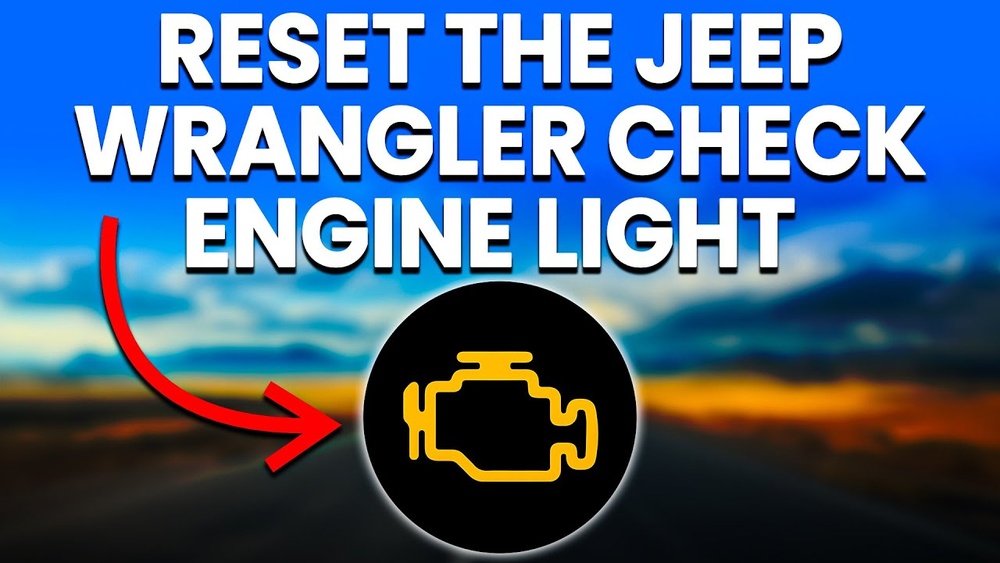
Getting your Jeep out of Auto Park can be frustrating, especially if you’re not sure why it happened or how to fix it. The Auto Park feature is designed for safety—it activates when the vehicle senses unsafe conditions, such as the driver’s door opening while the car is running. But sometimes, it seems like your Jeep is stuck and won’t shift out of park, which can leave you stranded or late for work. This article walks you through the steps, explains why Auto Park happens, and gives practical advice for getting your Jeep moving again. You’ll also learn about common mistakes, how to avoid them, and what Jeep owners often overlook.
Why Jeep Auto Park Engages
The Auto Park system uses sensors to detect if the driver leaves the seat or opens a door while the vehicle is on. Jeep models with electronic gear shifters and automatic transmissions (like the Grand Cherokee, Wrangler JL, and Gladiator) use Auto Park as an extra safety layer. For example, if you open the driver’s door without putting the vehicle in park, it will automatically shift to park to prevent roll-away accidents.
Here are key situations when Auto Park will engage:
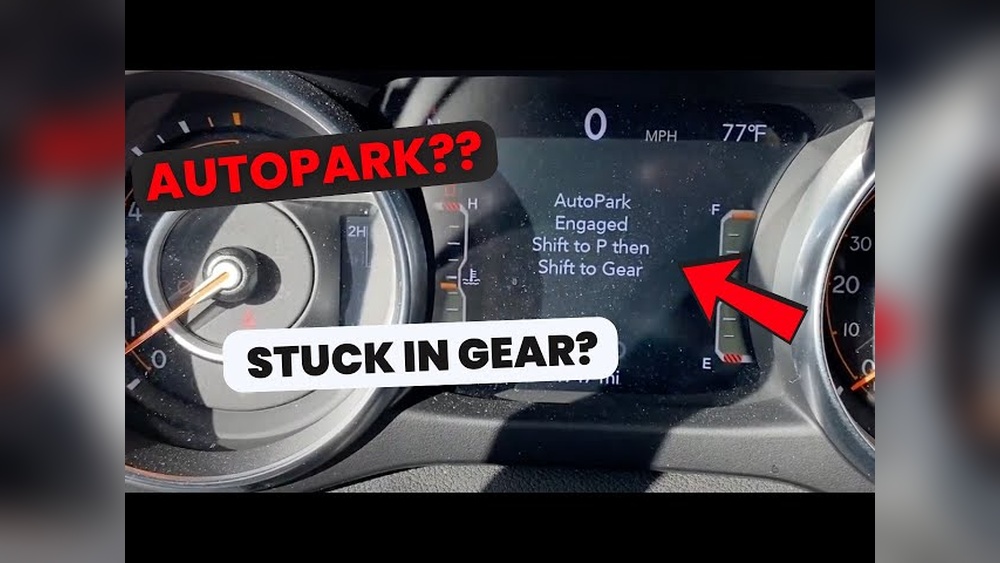
- Driver door opens while the vehicle is not in park.
- Driver seatbelt unbuckled while the car is running.
- Unusual electrical or brake system faults detected.
- Low battery voltage in the key fob or vehicle.
Understanding these triggers helps you spot the problem faster.
Step-by-step: Getting Jeep Out Of Auto Park
If your Jeep is stuck in Auto Park, follow these steps to reset and shift out of park safely.
- Check the driver’s door and seatbelt. Close the door firmly and fasten your seatbelt. Auto Park won’t disengage if these are not secure.
- Press the brake pedal fully. Many owners tap the brake lightly, but you must press it hard enough for the sensors to detect.
- Turn the ignition off and back on. Sometimes, cycling the ignition resets the Auto Park system.
- Try shifting to neutral first. If park won’t release, try moving the gear selector to neutral, then back to drive or reverse.
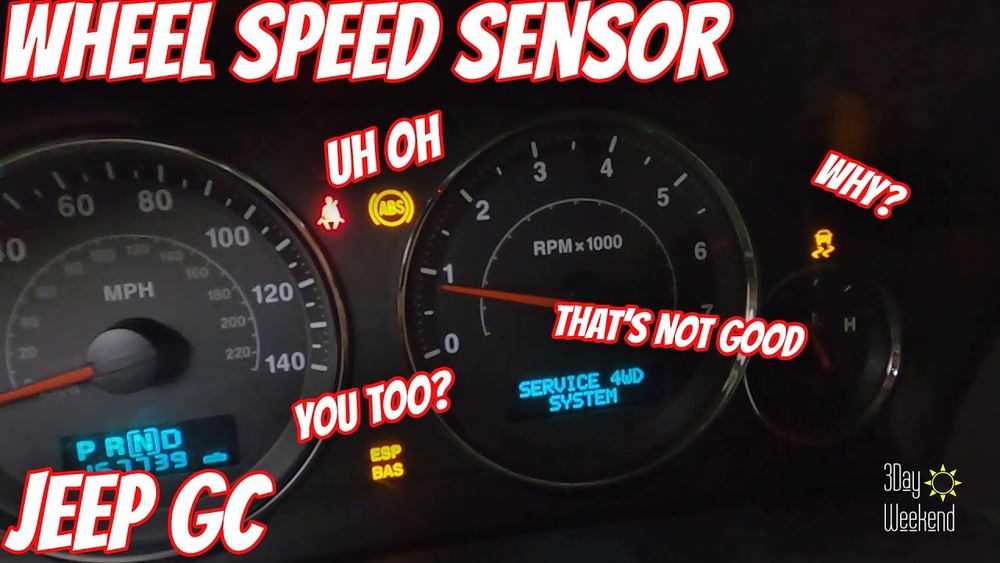
- Look for dashboard warnings. Error messages can point to faulty sensors or low battery.
- Check the key fob battery. Weak batteries can cause communication errors with the vehicle.
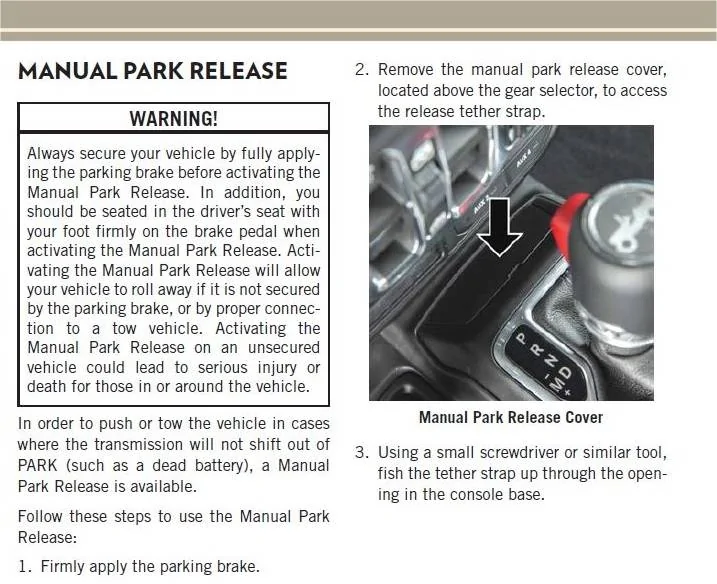
- Use the override release. Most Jeeps have a manual shift lock release near the gear shifter (check your owner’s manual for its exact location).
Example: Jeep Grand Cherokee Auto Park Issue
A 2020 Jeep Grand Cherokee owner found the vehicle stuck in Auto Park after opening the driver’s door to grab mail. Following the steps above, they closed the door, buckled the seatbelt, pressed the brake, and cycled the ignition. The gear shifter then moved freely.

Common Mistakes And Overlooked Issues
Many Jeep owners repeat the same errors when dealing with Auto Park:
- Not pressing the brake pedal hard enough—the system needs a strong signal.
- Ignoring error messages—these often reveal which sensor is causing the problem.
- Forgetting about the manual override—this simple tool can quickly get you moving.
- Trying to shift with the door open—always close the door before shifting.
A less obvious issue is battery voltage. If your Jeep’s battery is weak, the electronic shifter may not work correctly, triggering Auto Park. Regular battery checks help prevent this.
Comparing Auto Park Problems: Jeep Vs Other Brands
Let’s see how Jeep’s Auto Park system compares to other brands:
| Brand | Auto Park Trigger | Manual Override Location |
|---|---|---|
| Jeep | Door open, seatbelt unbuckled, brake faults | Near gear shifter |
| Ford | Door open, driver exit detected | Under console panel |
| Toyota | Door open, parking brake not set | Beside handbrake |
Jeep’s manual override is usually easier to access, saving you time in emergencies.
Practical Tips For Jeep Owners
- Always keep your seatbelt buckled when shifting gears.
- Close the driver’s door completely before moving the shifter.
- Check the battery and key fob regularly—low voltage causes many issues.
- Learn where your manual shift lock override is located.
- Keep the owner’s manual handy for troubleshooting.
If you experience frequent Auto Park activation, your Jeep may have a faulty sensor. Professional diagnostics can pinpoint the issue. According to the National Highway Traffic Safety Administration (NHTSA), electrical faults are among the top reasons for unexpected Auto Park engagement.
Data: Auto Park Incidents And Fixes
Here’s a quick look at how often Auto Park issues occur and how they are resolved:
| Cause | Frequency | Typical Fix |
|---|---|---|
| Driver door open | 40% | Close door, buckle seatbelt |
| Sensor fault | 25% | Replace sensor |
| Low battery | 20% | Recharge or replace battery |
| Brake pedal not pressed | 15% | Press brake firmly |
Most problems are solved with simple steps, but about 25% require sensor replacement or professional help.
When To Call A Mechanic
If your Jeep refuses to come out of Auto Park after trying these steps, it’s best to call a qualified mechanic. Persistent errors may indicate deeper electrical faults or computer problems. For safety, avoid forcing the gear shifter or driving with warning lights on.
Frequently Asked Questions
Why Does My Jeep Keep Going Into Auto Park?
Your Jeep enters Auto Park when it senses unsafe conditions, such as the driver’s door opening or the seatbelt unbuckled while running. Electrical faults or low battery can also trigger it unexpectedly.
Can I Bypass Auto Park Permanently?
No. Auto Park is a safety feature and cannot be disabled permanently. However, you can minimize triggers by keeping your seatbelt buckled, door closed, and vehicle sensors in good condition.
Where Is The Manual Override On My Jeep?
Most Jeeps have a manual shift lock release near the gear shifter. Check your owner’s manual for the exact location and instructions.
What Should I Do If Auto Park Won’t Disengage?
Try closing the driver’s door, fastening your seatbelt, pressing the brake firmly, and cycling the ignition. If it still won’t shift, use the manual override or call a mechanic.
Are Auto Park Issues Common In Jeeps?
Yes, especially in newer models with electronic shifters. Most issues are minor and can be fixed quickly, but regular maintenance helps prevent sensor faults.
Getting your Jeep out of Auto Park doesn’t have to be stressful. By understanding how the system works, following the right steps, and avoiding common mistakes, you can get back on the road quickly and safely. For more technical details and recalls, visit the NHTSA Jeep page. Remember, a little knowledge goes a long way in keeping your Jeep reliable and safe.