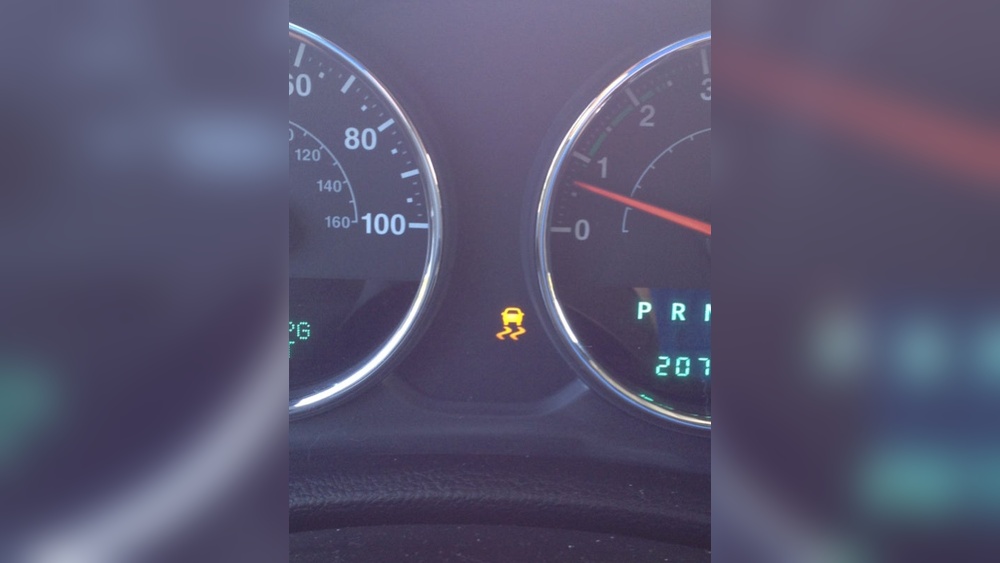
Have you ever noticed the traction control light glowing on your Jeep’s dashboard and wondered what it means? That little symbol might seem confusing at first, but understanding it can keep you safer on the road and save you from costly repairs.
Whether you’re driving through Austin’s unpredictable weather or tackling rough terrain, knowing what this light signals helps you react quickly and confidently.
You’ll discover exactly what the traction control light in your Jeep means, why it turns on, and what you should do when it does.
Keep reading to take control of your Jeep’s safety systems and drive with peace of mind.
Traction Control Basics
The traction control system in Jeep vehicles helps keep the tires gripping the road. It prevents the wheels from slipping during acceleration.
This system improves safety and vehicle stability. Understanding the basics of traction control helps you know its role and function.
Traction control is especially useful in slippery conditions. It works quietly in the background to support safe driving.
The traction control light on your dashboard shows when the system is active or needs attention.
How Traction Control Works
Traction control uses sensors to monitor wheel speed. If it detects a wheel slipping, it reacts immediately.
The system reduces engine power or applies brakes to the slipping wheel. This action helps the tire regain traction quickly.
It ensures the vehicle moves smoothly without losing control.
Purpose In Jeep Vehicles
Jeep vehicles often face rough and uneven terrain. Traction control helps maintain stability on dirt, mud, and wet roads.
It enhances driver confidence by preventing wheel spin. The system supports safe driving in both off-road and on-road conditions.
It protects your Jeep and passengers by reducing the risk of accidents.
Traction Control Light Meaning
The traction control light in your Jeep signals issues affecting the vehicle’s grip and stability. This warning light turns on to alert you about problems preventing the traction system from working properly.
Identifying common causes helps maintain safe driving and prevents further damage.
Several factors can trigger the traction control light. Often, these issues relate to sensors, braking systems, or tire conditions.
Understanding these common problems allows you to address the root cause quickly.
Faulty Wheel Sensors
Wheel sensors monitor the rotation speed of each wheel. They send data to the traction control system to prevent slipping.
A damaged or dirty sensor can send incorrect signals. This confusion causes the traction control light to come on.
Sensors may fail due to dirt, corrosion, or wiring issues. Replacing or cleaning the faulty sensor usually resolves the problem.
Abs System Problems
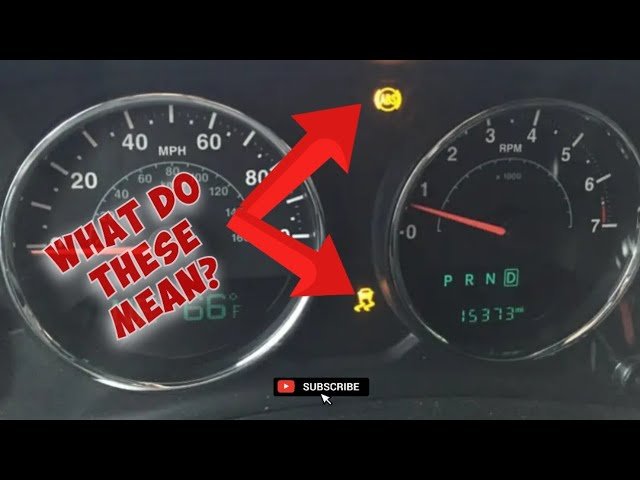
The Anti-lock Braking System (ABS) works closely with traction control. If the ABS system has a fault, it can trigger the traction control light.
Common ABS issues include damaged sensors, low brake fluid, or malfunctioning control modules. These problems reduce braking efficiency and affect traction control.
Regular brake system checks help spot ABS issues early.
Tire And Wheel Concerns
Uneven or worn tires affect wheel speed readings. Tires with different sizes or pressures confuse the traction control system.
This mismatch can cause the warning light to activate. Damaged wheels or loose lug nuts also cause sensor errors.
Maintaining balanced, properly inflated tires prevents traction control alerts and ensures safer driving.
Common Issues Triggering The Light
Driving with the traction control light on in your Jeep means the system has detected an issue. This light often appears when the traction control system is active or when there is a fault.
It helps prevent wheel spin and keeps your Jeep stable. You can still drive, but caution is necessary.
Understanding what to do during this situation ensures your safety and protects your vehicle.
Safety Considerations
The traction control system helps keep your Jeep stable on slippery roads. If the light is on, the system may not work correctly.
Drive slower and avoid sudden stops or sharp turns. Wet, icy, or uneven surfaces need extra care.
Your Jeep could lose traction more easily without this feature working properly. Stay alert and keep a firm grip on the steering wheel.
When To Seek Immediate Help
If the traction control light stays on constantly, there might be a serious problem. Check for other warning lights, like the ABS or engine light.
Strange noises or poor handling are signs to stop driving. Visit a mechanic or Jeep service center as soon as possible.
Ignoring the light could lead to unsafe driving conditions or further damage.
Driving With The Light On
Troubleshooting the traction control light in your Jeep involves a few key steps. These steps help identify the cause and fix the problem quickly.
Start by checking for error codes using a scan tool. This reveals specific issues with the traction control system.
Next, inspect the wheel sensors. These sensors detect wheel speed and help the system work properly.
Faulty sensors often trigger the traction control light. Lastly, examine the tire condition.
Tires with uneven wear or low pressure can affect traction control performance.
Checking For Error Codes
Use an OBD-II scanner to read the error codes from your Jeep’s computer. The codes point to specific problems in the traction control system. Most auto parts stores offer free scanning services. Clear the codes after reading them and see if the light returns. This step saves time and helps avoid unnecessary repairs.
Inspecting Wheel Sensors
Wheel sensors monitor each wheel’s speed and send signals to the traction control module. Dirt, damage, or loose wiring can cause sensor failure.
Visually check each sensor near the wheel hubs. Clean any dirt or debris carefully.
Replace broken sensors and secure loose wires to restore proper function.
Examining Tire Condition
Tires affect how well your Jeep grips the road. Check for uneven tread wear, cuts, or bulges.
Measure tire pressure and adjust it to the recommended level. Mismatched tire sizes or worn tires can confuse the traction control system.
Replace damaged or worn tires to ensure better traction and prevent the warning light from coming on.
Troubleshooting Steps
Resetting the traction control light on your Jeep can solve minor issues and clear warning signals. This light may stay on due to sensor glitches or temporary faults.
Resetting helps the system recalibrate and often restores normal function. Two common ways to reset the traction control light are using diagnostic tools or manual methods.
Both approaches are straightforward and can save a trip to the mechanic.
Using Diagnostic Tools
Diagnostic tools read the error codes stored in the Jeep’s computer. These codes reveal why the traction control light turned on.
A scan tool or OBD-II reader plugs into the vehicle’s diagnostic port. After connecting, it scans for faults linked to traction control or ABS.
Clearing these codes often resets the traction control light. This method is quick and accurate for diagnosing issues.
Many auto shops and parts stores offer free code scans. Some advanced readers even show real-time data to check sensor performance.
Manual Reset Methods
Manual reset methods work if the light comes on due to a minor glitch. One way is to turn the ignition off and then on again after a few minutes.
This can reboot the traction control system. Another method is to disconnect the car battery for about 15 minutes.
This clears the vehicle’s memory and resets warning lights. Always ensure your Jeep is off before disconnecting the battery.
Reconnect the battery and start the vehicle to see if the light goes off. Pressing the traction control button twice can also reset the system in some Jeep models. Check your owner’s manual for specific instructions.
Resetting The Traction Control Light
Keeping the traction control system in good shape helps your Jeep stay safe and steady. Preventive maintenance avoids sudden problems and ensures smooth driving.
Small checks and timely updates keep the system ready for all road conditions.
Regular Sensor Inspections
Traction control relies on sensors at each wheel. Dirt, damage, or wear can cause false alerts.
Regularly inspect sensors for dirt and damage. Clean sensor areas gently to avoid harm.
Replace faulty sensors early to maintain system accuracy.
Tire Maintenance
Tires affect traction control performance greatly. Uneven wear or wrong tire pressure can trigger the light.
Check tire pressure monthly with a reliable gauge. Rotate tires every 6,000 miles to ensure even wear. Replace tires before tread becomes too low.
Software Updates
Jeep traction control uses software to monitor wheel grip. Car makers release updates to fix bugs and improve control.
Visit your dealer for software updates during routine service. Updated software keeps traction control responsive and effective.

Frequently Asked Questions
What Causes A Jeep Traction Control Light To Come On?
The Jeep traction control light comes on due to wheel speed sensor issues, slippery roads, or system malfunctions.
Can I Drive If My Traction Control Light Is On?
You can drive with the traction control light on, but it signals a system issue. Have a mechanic check it soon.
How Do I Fix The Traction Control Warning Light?
Check and replace faulty wheel speed sensors first. Clear error codes using an OBD-II scanner.
Inspect ABS system and wiring. Drive on dry roads to reset the system.
Consult a mechanic if the light remains on.
How To Reset Jeep Traction Control Light?
To reset the Jeep traction control light, turn off the engine and disconnect the battery for 15 minutes. Reconnect and start the vehicle.
Use an OBD-II scanner to clear any fault codes if the light remains on.
Conclusion
The traction control light in your Jeep helps keep you safe on slippery roads. It shows when the system is working to stop wheel slip.
If the light stays on, it might mean a sensor or system issue. Checking or fixing it soon keeps your Jeep running smoothly.
Understanding this light helps you drive with confidence and stay safe. Keep an eye on it, and don’t ignore any warning signs.
Your Jeep’s traction control is there to protect you every time you drive.