Painting your Jeep can transform its look and protect it from rust and weather. Whether you want a new color or just freshen up the finish, doing it yourself can save money and give you a sense of pride. Many Jeep owners choose to paint their vehicles to match their personality or tackle scratches and faded paint.
With the right steps and tools, you can achieve a professional result even as a beginner.
Preparing Your Jeep For Painting
Preparation is the most important part of painting. If you skip this, the paint may peel or look uneven.
- Clean the Jeep: Wash your Jeep thoroughly. Remove mud, oil, and dust using car soap and water. Dry it completely.
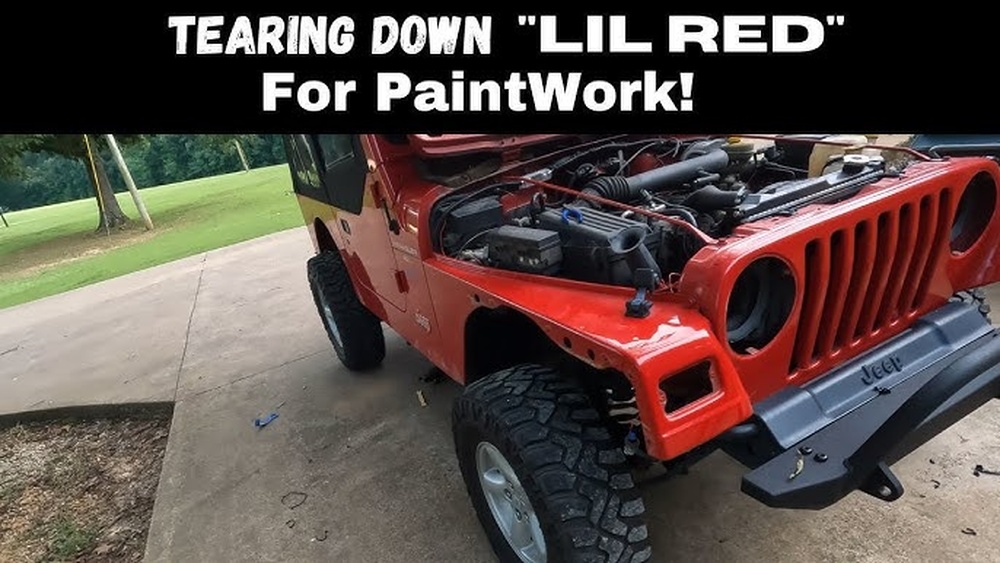
- Remove Parts: Take off removable parts like mirrors, handles, and lights. This prevents paint from getting on them.
- Sand the Surface: Use sandpaper (320 to 400 grit) to smooth the paint and remove any rust. Focus on scratches and rough spots.
- Mask Areas: Cover windows, tires, and any areas you don’t want painted using masking tape and plastic sheets.
- Apply Primer: Primer helps paint stick and hides imperfections. Use automotive primer and let it dry for several hours.
Here’s a quick comparison of how preparation affects final results:
| Preparation Level | Paint Quality | Durability |
|---|---|---|
| Poor (no sanding, no masking) | Patchy, uneven | Low (peels easily) |
| Average (basic cleaning, light sanding) | Decent, some flaws | Medium |
| Excellent (deep cleaning, full masking, primer) | Smooth, professional | High (lasts years) |
Choosing The Right Paint And Tools
Jeep paint jobs need strong paints that handle rough roads and weather. You have two main choices: acrylic enamel and urethane.
- Acrylic enamel: Cheaper, easier to apply, but less durable.
- Urethane: More expensive, lasts longer, and resists fading.
The tools you need:
- Spray gun (for large jobs)
- Paint cans (for small touch-ups)
- Sandpaper (various grits)
- Masking tape and sheets
- Primer and paint
- Clear coat
You’ll also need a well-ventilated space to avoid breathing fumes.
Below is a comparison of paint types for Jeeps:
| Paint Type | Cost (per gallon) | Durability | Ease of Use |
|---|---|---|---|
| Acrylic Enamel | $50–$80 | Medium | Easy |
| Urethane | $90–$150 | High | Moderate |
Step-by-step Guide To Painting Your Jeep
Painting a Jeep involves several steps. Rushing can cause mistakes, so take your time.
- Apply Primer: Spray a thin, even layer. Wait until it’s dry (usually 2–4 hours).
- Sand Again: After primer dries, lightly sand with fine sandpaper (600 grit). This helps paint stick better.
- Mix Paint: Prepare your paint according to instructions. Some paints need thinning.
- Spray Paint: Hold the spray gun or can 6–12 inches from the surface. Use smooth, overlapping strokes. Apply 2–3 coats for rich color. Wait 20–30 minutes between coats.
- Add Clear Coat: After paint dries, add a clear coat for shine and protection. This step is crucial for off-road Jeeps.
- Remove Masking: Once everything is dry, carefully take off masking tape and sheets.
- Reattach Parts: Put back handles, mirrors, and lights.
Here’s a timeline for the process:
| Step | Time Required |
|---|---|
| Cleaning and Prep | 2–3 hours |
| Priming | 2–4 hours |
| Painting | 2–3 hours |
| Clear Coating | 1–2 hours |
| Curing (waiting) | 24–48 hours |
Practical Tips For A Better Jeep Paint Job
Many beginners miss simple details that matter. Here are some tips:
- Use slow, steady strokes when spraying. Fast movements create streaks.
- Paint in a dust-free area. Dust ruins smooth finishes.
- If you see bubbles or runs in the paint, stop and let it dry. Sand lightly and paint again.
- Don’t skip the clear coat. It protects from UV rays and scratches.
- Always check the weather. Humidity or cold can cause paint problems.
Professional painters spend 70% of their time preparing and only 30% painting. Good prep is the secret to lasting results.
Common Mistakes And How To Avoid Them
- Skipping sanding: Paint doesn’t stick well, leading to peeling.
- Painting in bad weather: Moisture causes paint to bubble.
- Too thick coats: Causes drips and uneven color.
- Not letting layers dry: Results in sticky, messy paint.
Take your time, follow each step, and check your work as you go.
Maintaining Your Jeep’s New Paint
After painting, care is important. Wait at least 48 hours before washing your Jeep. Use gentle car soap and avoid harsh chemicals. Wax your Jeep every 2–3 months to keep the shine and protect the paint. If you drive off-road, check for scratches often and touch up as needed.
For more details on automotive paint, visit Wikipedia.
Painting your Jeep is a rewarding project. With careful preparation and patience, you can achieve a finish that looks great and lasts. Remember, the key is in the details. Take your time, follow the steps, and enjoy the results.

Frequently Asked Questions
How Much Does It Cost To Paint A Jeep?
The cost depends on the paint type and if you do it yourself. DIY jobs can cost $200–$600, while professional shops often charge $1,000–$3,500.
Can I Paint My Jeep Outside?
Yes, but choose a day with no wind, low humidity, and mild temperature. Dust and bugs can ruin fresh paint.
How Long Does A Jeep Paint Job Last?
A good paint job lasts 5–10 years if you care for it. Urethane paints last longer than acrylic enamel.
Do I Need Special Tools To Paint My Jeep?
A spray gun gives the best results. You also need sandpaper, masking tape, primer, paint, and clear coat. For small areas, spray cans work.
What’s The Biggest Mistake When Painting A Jeep?
Skipping preparation is the most common mistake. Clean, sand, and mask your Jeep properly for the best finish.