Changing the brake pads on your Jeep Grand Cherokee can save you money, improve safety, and give you more control over your vehicle’s health. Even if you’re not an experienced mechanic, you can do this job at home with the right tools, some patience, and a clear guide. This article will walk you through the entire process, highlight common mistakes, and help you understand what really matters when working on your brakes.
Why Change Your Jeep Grand Cherokee Brake Pads?
Brake pads wear down over time, especially on a heavy SUV like the Grand Cherokee. Worn pads reduce stopping power and can damage the rotors, leading to more expensive repairs. Changing them when needed keeps your braking distance short and your driving safe.
Many drivers miss early signs of wear because they’re subtle. Listen for squeaking or grinding sounds, and check if your brake pedal feels soft or goes lower than usual. These are clues it’s time to act.
What You’ll Need
Before you start, gather these items:
- New brake pads (front or rear, as needed)
- Jack and jack stands
- Lug wrench
- Socket set and wrench
- Flathead screwdriver or brake tool
- Brake cleaner spray
- C-clamp or brake caliper tool
- Gloves and eye protection
A pro tip: Always replace pads on both sides (left and right) at the same time for even braking.

Step-by-step: Changing Brake Pads
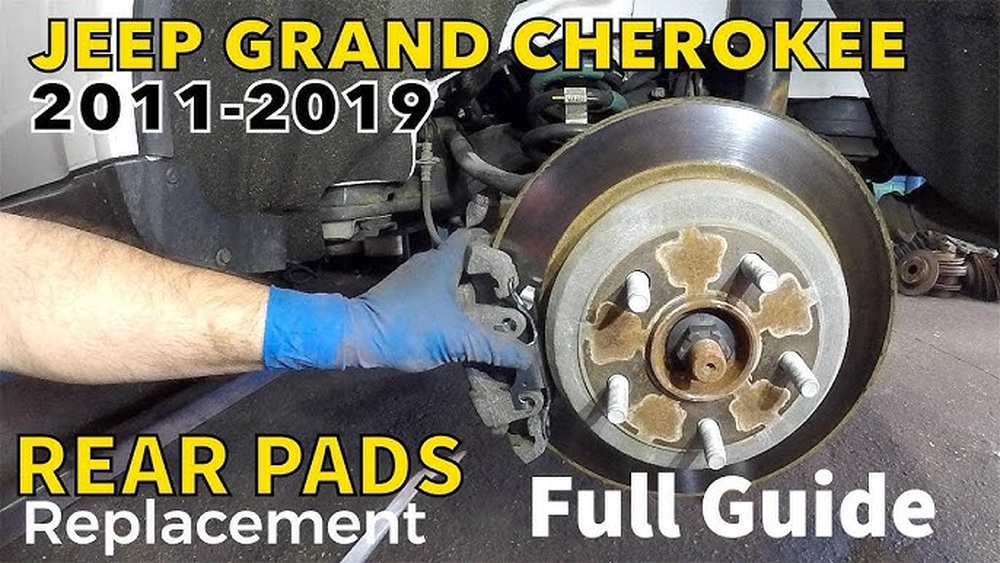
Follow these steps to change the brake pads on most Jeep Grand Cherokee models (2011 and newer):
1. Park And Prepare
Park on a flat surface. Set the parking brake and block the wheels you’re not working on. Loosen the lug nuts slightly before lifting the vehicle.
2. Lift The Vehicle
Use the jack to raise the Grand Cherokee and secure it with jack stands. Never rely on the jack alone.
3. Remove The Wheel
Take off the lug nuts and remove the wheel to expose the brake assembly.
4. Access The Brake Pads
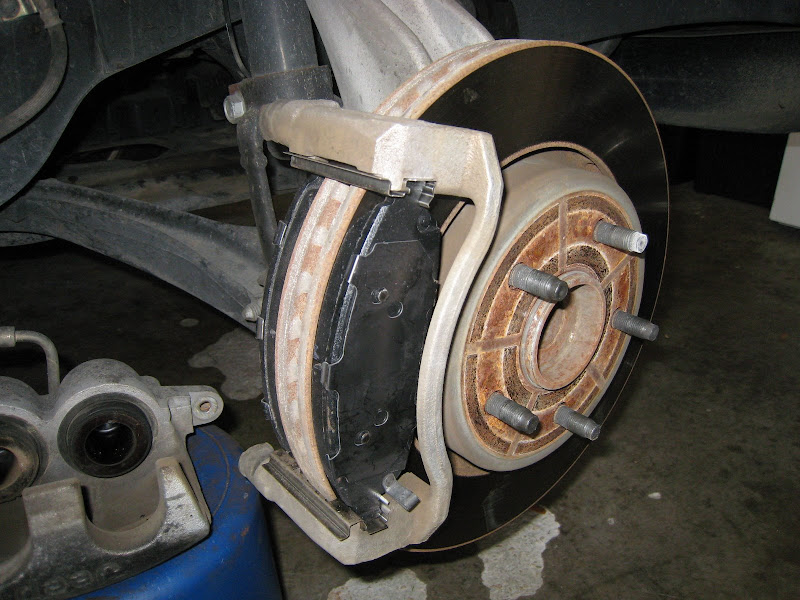
Locate the brake caliper (the part that squeezes the pads against the rotor). Remove the bolts on the back of the caliper using your socket set.
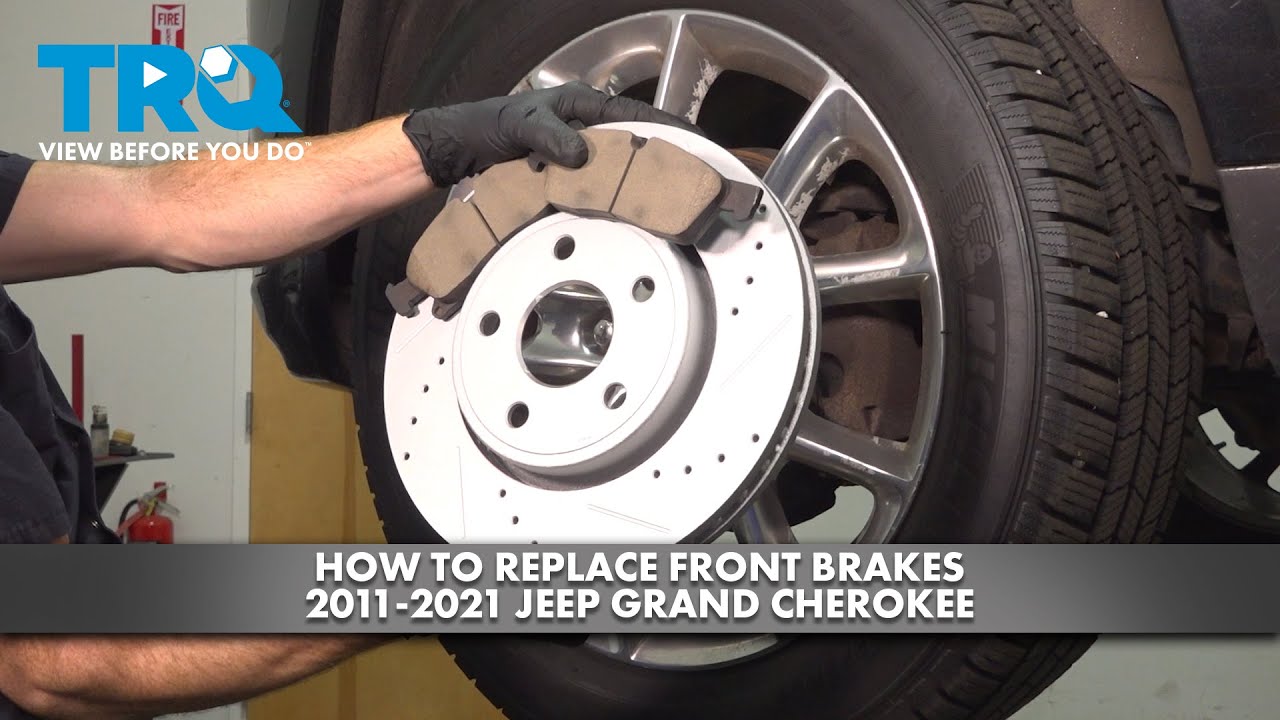
5. Remove Old Pads
Slide the caliper off the rotor. The pads sit inside the caliper bracket. Take them out—sometimes you’ll need a flathead screwdriver to pry them loose.
6. Retract The Piston
The caliper piston must be pushed back to fit new, thicker pads. Use a C-clamp or a brake caliper tool to press it in slowly and evenly.
7. Install New Pads
Place the new brake pads in the bracket, matching the old pads’ position. Double-check they’re seated well.
8. Reinstall Caliper And Wheel
Slide the caliper back over the pads and rotor. Reinstall and tighten the caliper bolts. Put the wheel back on and hand-tighten the lug nuts.
9. Lower And Test
Lower the vehicle, then fully tighten the lug nuts in a star pattern. Before driving, press the brake pedal several times to seat the pads.
Here’s a quick reference comparing the main steps and estimated time:
| Step | Time Needed | Difficulty |
|---|---|---|
| Wheel Removal | 10 min | Easy |
| Caliper & Pads | 25 min | Medium |
| Reassembly | 15 min | Easy |
Key Tips And Common Mistakes
Many people forget to grease the back of the new pads or the caliper slides. This prevents squeaks and uneven wear. Never touch the friction surface of the pads with greasy hands, as oils can reduce braking power.
Don’t skip retracting the piston fully. If not, the caliper won’t fit over new pads, and you risk damaging brake parts. Also, make sure all bolts are tightened to the correct torque.
A common beginner mistake is failing to test the brakes before driving. Always pump the brake pedal until it feels firm before moving your Jeep.
How Often Should You Replace Brake Pads?
The average Jeep Grand Cherokee needs new brake pads every 30,000 to 70,000 miles. Driving style, road conditions, and towing affect this range. City driving and heavy loads wear pads faster.
Here’s a table showing factors that influence pad life:
| Factor | Impact on Pad Life |
|---|---|
| City Driving | Shortens life |
| Highway Driving | Extends life |
| Towing/Heavy Loads | Shortens life |
| Gentle Braking | Extends life |
Choosing The Right Brake Pads
You’ll find different types of brake pads: ceramic, semi-metallic, and organic. Each has pros and cons.
| Type | Pros | Cons |
|---|---|---|
| Ceramic | Quiet, low dust, long-lasting | More expensive |
| Semi-Metallic | Strong performance, affordable | Noisier, more dust |
| Organic | Quiet, soft feel | Shorter life, fades under stress |
For most Jeep Grand Cherokee owners, ceramic pads offer the best balance of performance and comfort.
Final Safety Checks
After changing your brake pads, take a short drive at low speed. Test the brakes in a safe area—listen and feel for anything unusual. The brakes may squeak a bit at first, but this should go away after a few stops.
If you notice any grinding, pulling, or warning lights, stop and check your work. It’s better to be cautious than risk brake failure.
Frequently Asked Questions
How Do I Know If My Brake Pads Are Worn Out?
Look for squeaking or grinding noises, a soft brake pedal, or a warning light on the dash. Also, you can visually inspect the pads through the wheel—less than 1/4 inch means they need replacing.
Can I Change Just One Brake Pad?
No, always replace brake pads in pairs (both fronts or both rears). This ensures balanced braking and prevents uneven wear.
Do I Need To Change The Rotors Too?
Only if the rotors are damaged (scored, warped, or below minimum thickness). Many times, you can reuse them, but check your owner’s manual or have a mechanic inspect them if unsure.
What Type Of Brake Fluid Does A Jeep Grand Cherokee Use?
Most models use DOT 3 or DOT 4 brake fluid. Check your vehicle’s manual for the exact type and always use new, sealed fluid.
Where Can I Find More Detailed Technical Specs?
For detailed specs and maintenance info, visit the official Jeep Owner’s Manual page.
Taking care of your Jeep Grand Cherokee’s brakes is a smart move for both safety and savings. By following the right steps, using quality parts, and double-checking your work, you can keep your SUV stopping smoothly for miles to come.