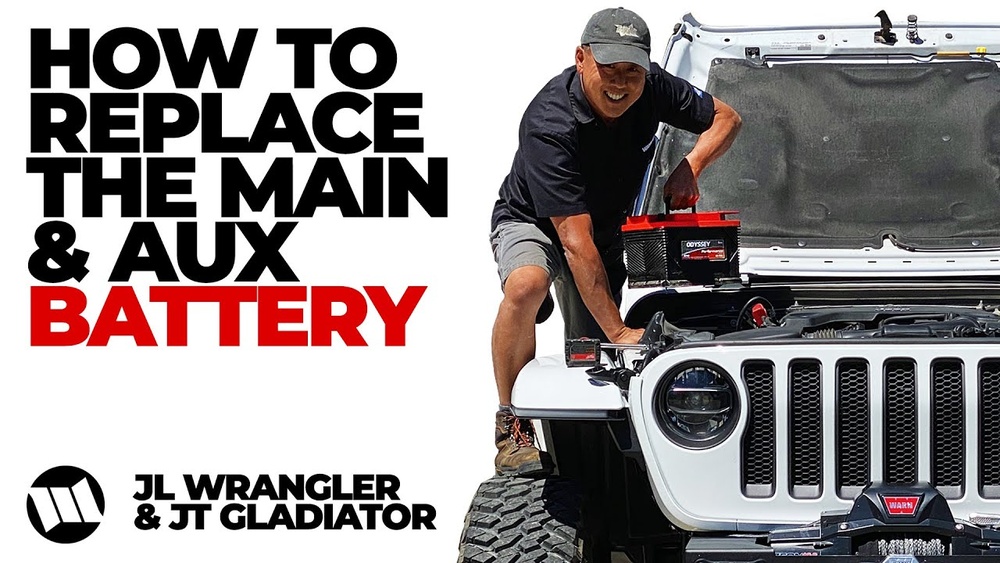
Changing the auxiliary battery in your 2020 Jeep Wrangler may seem tricky, but with the right approach, you can do it yourself and save both time and money. This small battery plays a crucial role in powering systems like the start-stop feature and electronics when your main battery is resting. Ignoring a weak auxiliary battery can lead to warning messages, system failures, or even problems starting your Jeep. This guide will walk you through the process step-by-step, highlight tools you need, share common mistakes, and provide tips to make the job easier.
Why The Auxiliary Battery Matters
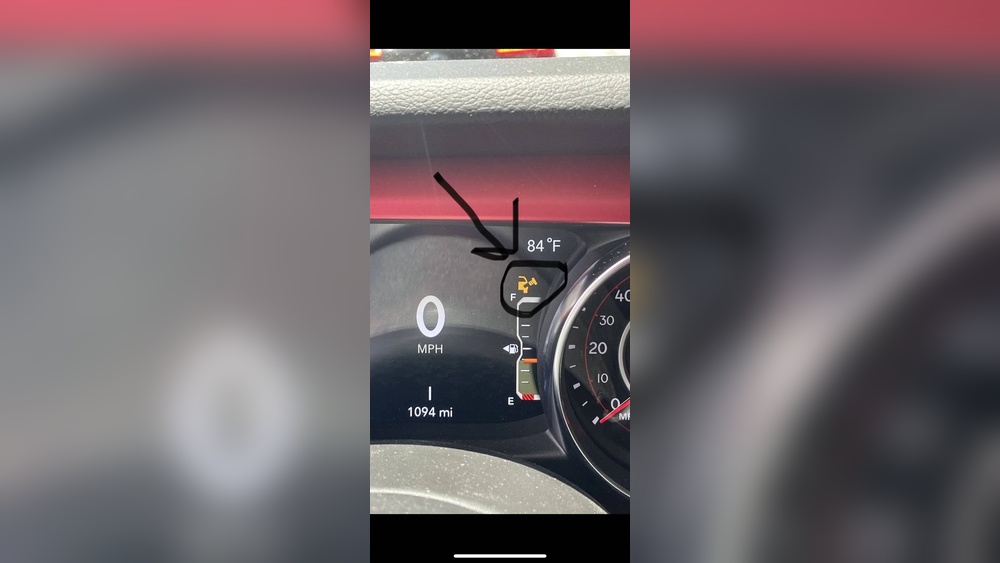
The 2020 Jeep Wrangler uses a dual battery system—the main battery starts the engine, while the auxiliary battery helps run electronics and supports start-stop functionality. If the auxiliary battery fails, you might see errors like “Stop/Start Unavailable,” or the main battery could drain faster. Replacing it when needed keeps your Wrangler running smoothly.
Signs Your Auxiliary Battery Needs Replacement
- Dashboard warnings: Such as “Battery Voltage Low” or “ESS Not Available.”
- Start-stop not working: If this feature stops, the auxiliary battery could be the issue.
- Dimming lights or slow accessories: Weak auxiliary batteries can’t support all electronics.
Tools And Parts You’ll Need
Before you begin, gather these items:
- Replacement auxiliary battery (Group size: H5 or 400, AGM type is recommended)
- Socket wrench set (8mm and 10mm sockets)
- Ratchet extension
- Trim removal tool (optional, for plastic clips)
- Protective gloves and eyewear
- Memory saver (optional, to keep radio/clock settings)
- Clean cloth
Safety First
Always work with the engine off and keys removed. Disconnect the negative terminal before touching battery cables. If you have a memory saver, connect it before removing the battery to keep your settings.
Step-by-step: How To Change The Auxiliary Battery
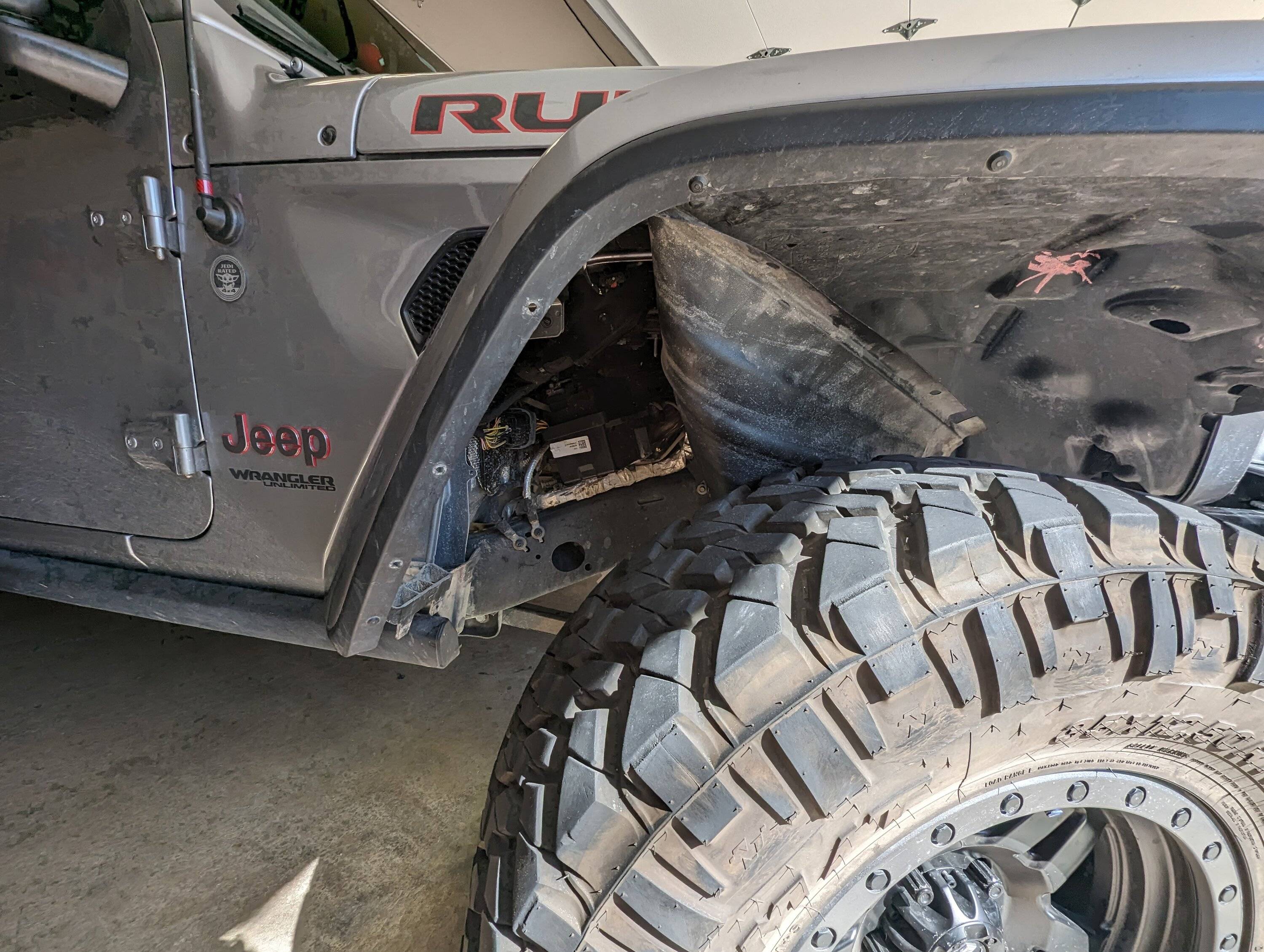
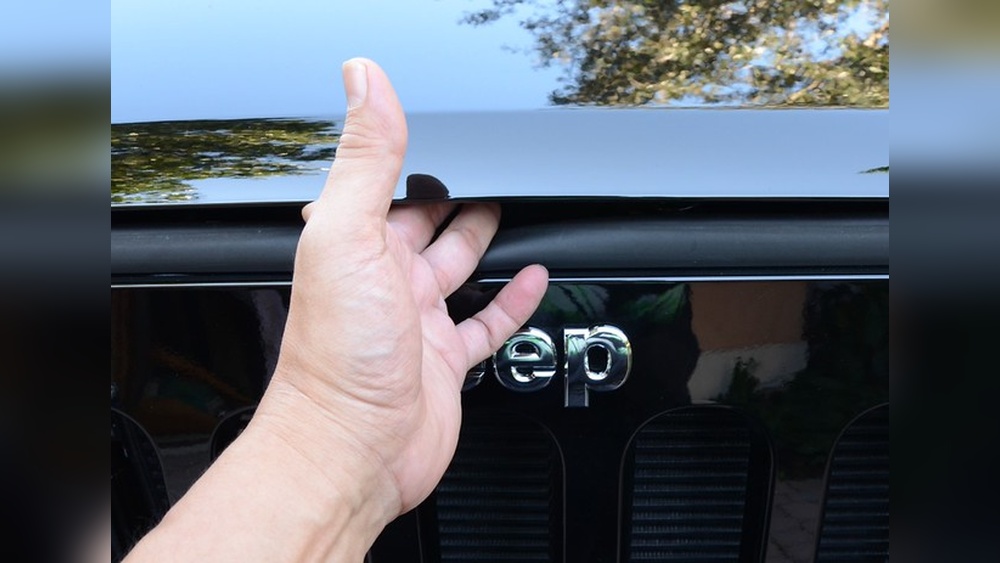
- Open the hood and secure it with the prop rod. The battery box sits on the passenger side.
- Remove the battery cover by unclipping plastic fasteners. A trim tool helps avoid damage.
- Disconnect the negative terminal from the main battery using the 10mm socket.
- Disconnect the positive terminal next.
- Remove the main battery hold-down bracket with the 10mm socket. Lift out the main battery and set aside (it’s heavy, so lift carefully).
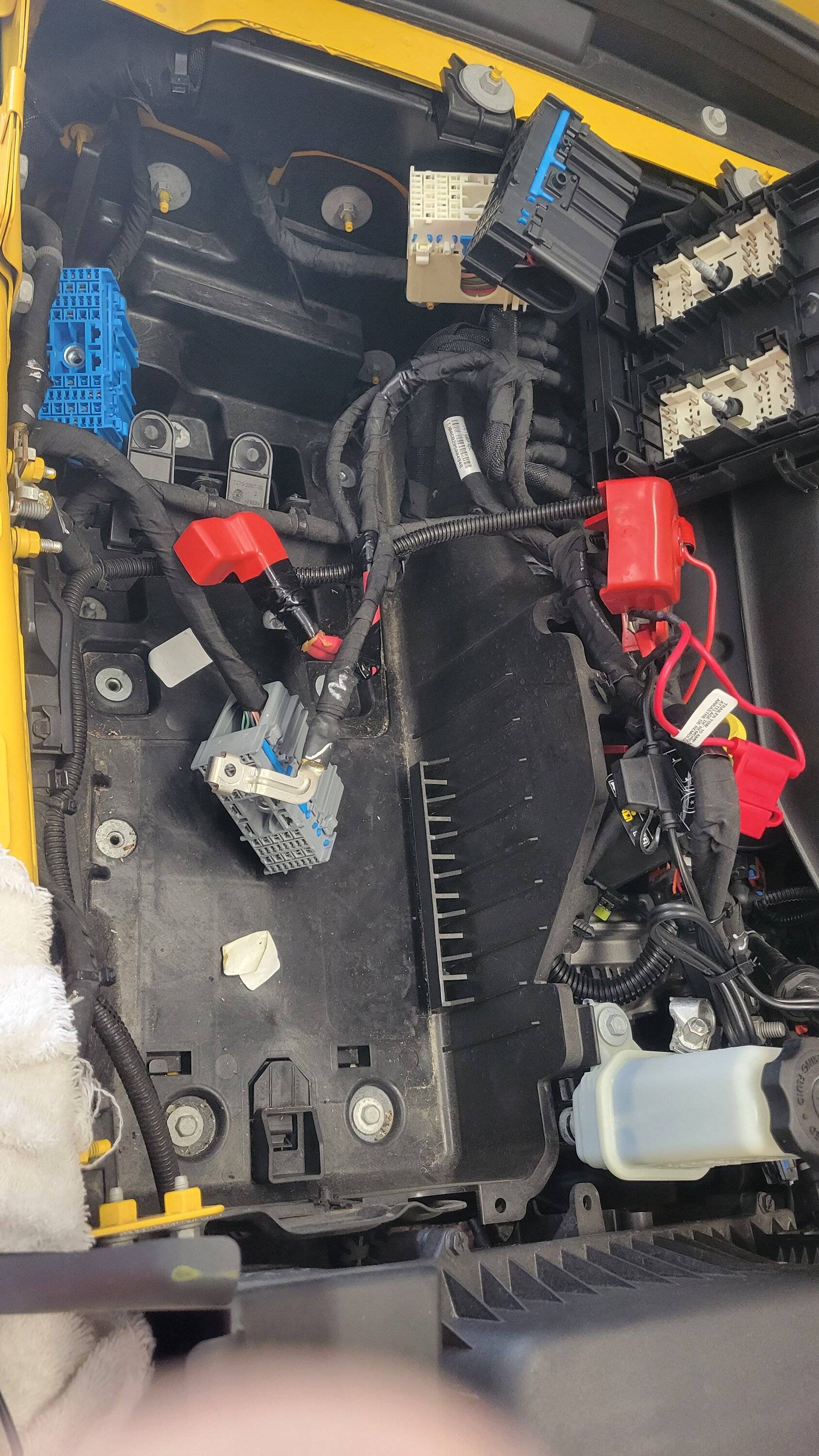
- Locate the auxiliary battery underneath the main battery tray.
- Remove the battery tray (several 10mm bolts). Use a ratchet extension to reach the rear bolts.
- Disconnect the auxiliary battery cables—negative first, then positive.
- Remove the auxiliary battery hold-down bracket and lift out the old battery.
- Install the new auxiliary battery, secure it with the bracket, and reconnect the positive cable first, then negative.
- Reinstall the battery tray and main battery in reverse order.
- Reconnect the positive terminal on the main battery, then the negative.
- Test the Jeep by starting it and checking for warning lights.
Comparison: Oem Vs Aftermarket Auxiliary Batteries
Here’s a quick look at original equipment manufacturer (OEM) and aftermarket options for your Jeep Wrangler:
| Battery Type | Warranty | Price Range | Performance |
|---|---|---|---|
| OEM Mopar | 2 years | $110–$150 | Consistent, reliable |
| Aftermarket AGM | 1–3 years | $70–$120 | Good, varies by brand |
Non-obvious tip: Some aftermarket batteries have better warranty coverage than OEM. Always check the label for correct specs (AGM, 12V, 200–240 CCA).

Common Mistakes To Avoid
- Skipping the memory saver: This can reset radio and window settings.
- Mixing up terminals: Always disconnect negative first and reconnect it last to prevent sparks.
- Forgetting the hold-down bracket: Without it, the battery can move and cause problems.
- Not testing before closing the hood: Make sure all warnings are gone before finishing.
How Long Will It Take?
Most DIYers finish in 30–60 minutes. If you’re new to car repairs, give yourself extra time. Reading your Jeep’s manual beforehand can help.
Costs Of Professional Vs Diy Replacement
Below is a comparison of doing it yourself versus using a mechanic:
| Option | Parts Cost | Labor Cost | Total Cost |
|---|---|---|---|
| DIY | $70–$150 | $0 | $70–$150 |
| Mechanic | $100–$180 | $100–$200 | $200–$380 |
Insider tip: Many auto parts stores will test your battery for free if you’re not sure it’s bad.
What To Do With The Old Battery
Car batteries are hazardous waste. Take the old one to an auto parts store or recycling center. Many stores offer a small cash refund when you return the old battery.
Real-world Example
A Wrangler owner noticed the “Stop/Start Unavailable” message after three years. Battery testing confirmed the auxiliary battery was weak. After following these steps, the error cleared and the start-stop worked again. This shows how a small battery can impact modern vehicle electronics.
Frequently Asked Questions
How Long Does The Auxiliary Battery Last In A 2020 Jeep Wrangler?
The auxiliary battery typically lasts 3–5 years, depending on driving conditions and climate. Frequent short trips or high accessory use can shorten its lifespan.
Can I Drive With A Dead Auxiliary Battery?
You can, but features like start-stop and some electronics may not work properly. It’s best to replace the battery soon to avoid further issues.
Do I Need To Reprogram Anything After Changing The Battery?
Usually, no reprogramming is required. However, you might need to reset the clock or radio presets. If warnings stay on, check connections or consult a dealer.
What Is The Difference Between Main And Auxiliary Battery?
The main battery starts the engine and runs the car, while the auxiliary battery supports electronics and the start-stop system. Both are important for your Wrangler’s function.
Where Can I Find An Official Replacement Auxiliary Battery?
You can find OEM batteries at Jeep dealerships or certified auto parts stores. For more details on battery types, visit the official Mopar Batteries Page.
Changing the auxiliary battery in your 2020 Jeep Wrangler is a manageable DIY task with the right tools and care. By following these steps, you’ll keep your Jeep’s electronics and start-stop system working as intended, avoid expensive repair bills, and gain confidence in your vehicle maintenance skills.